Loguivy — History & Facts
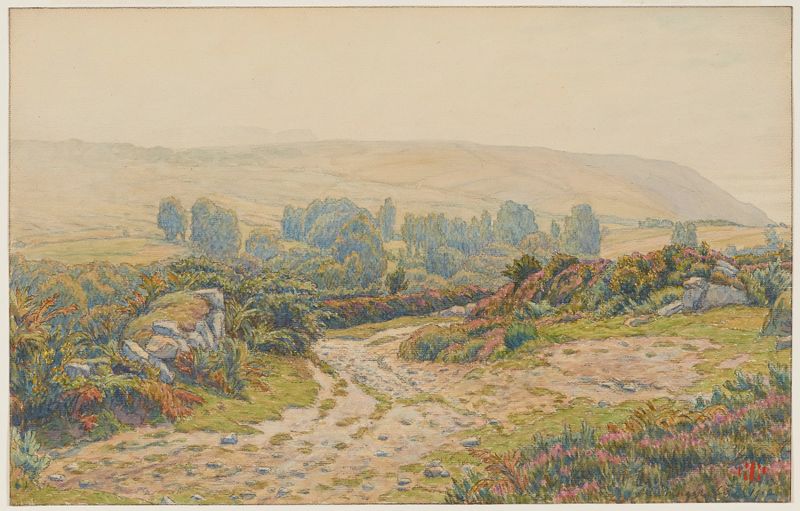
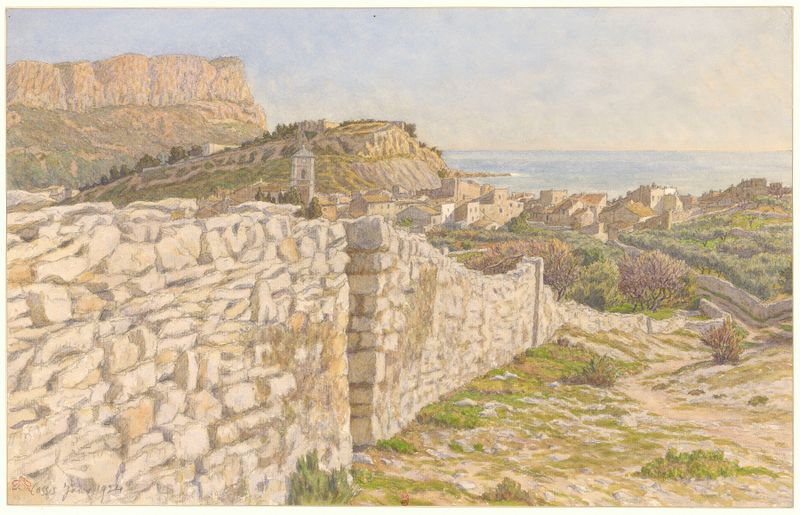
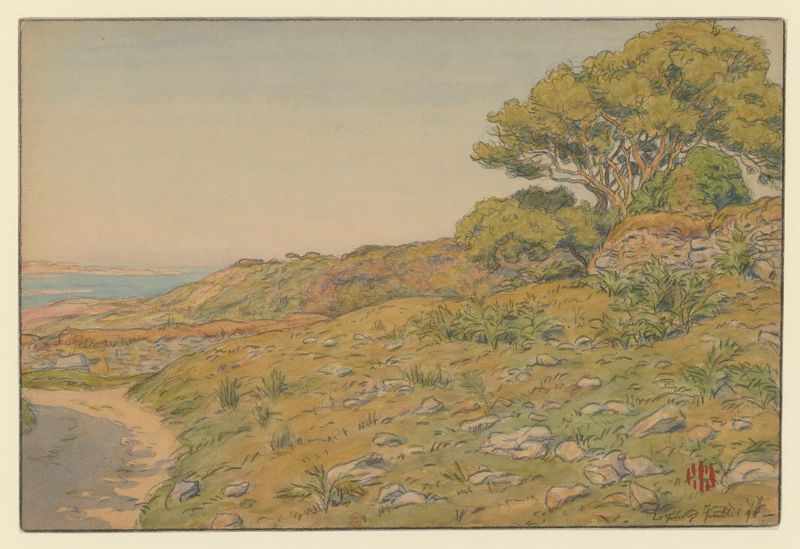
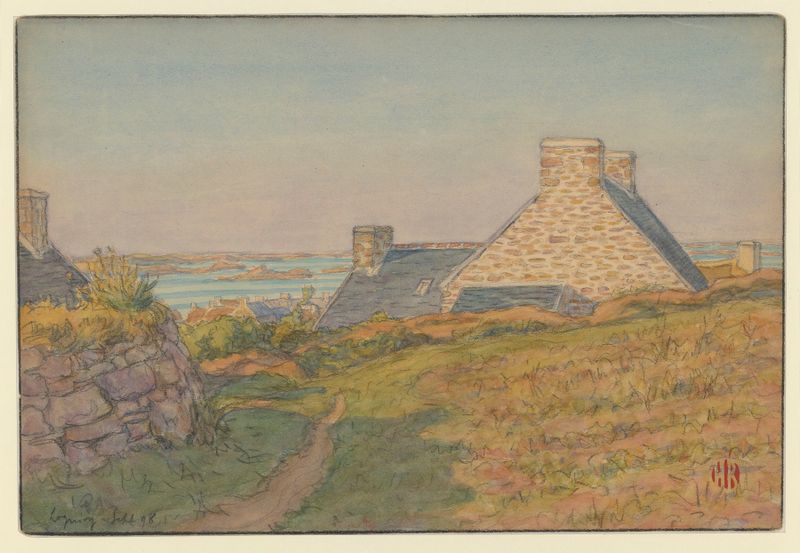
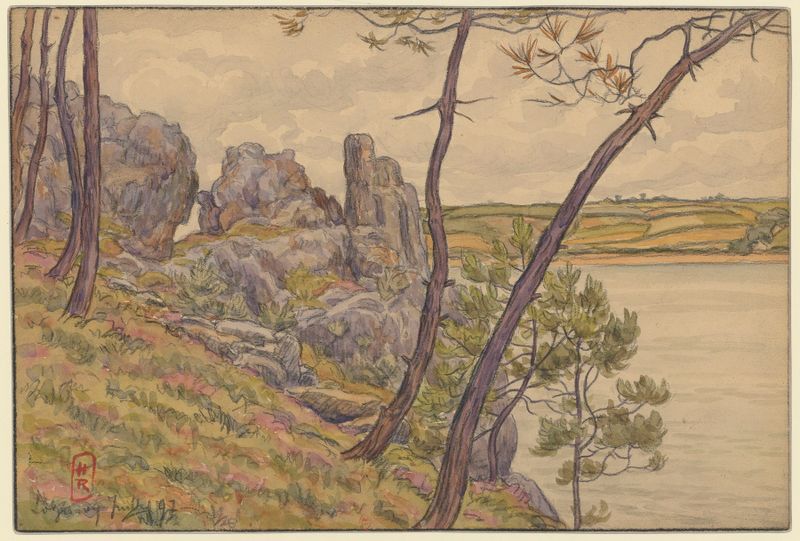
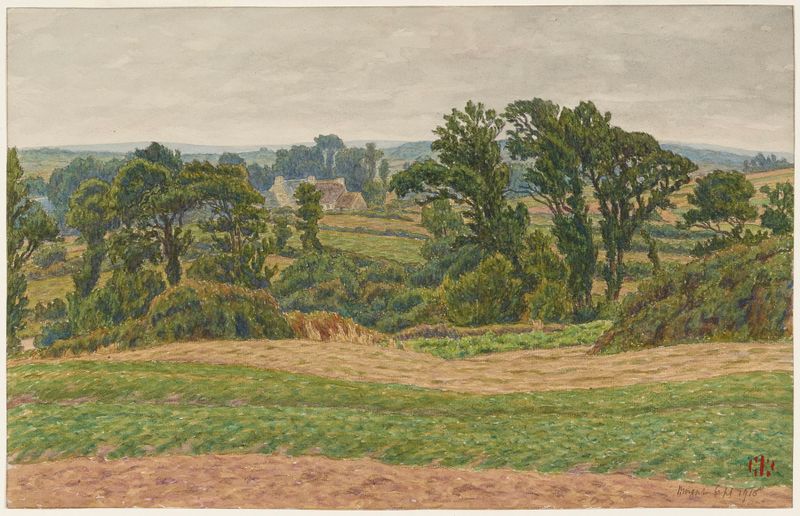
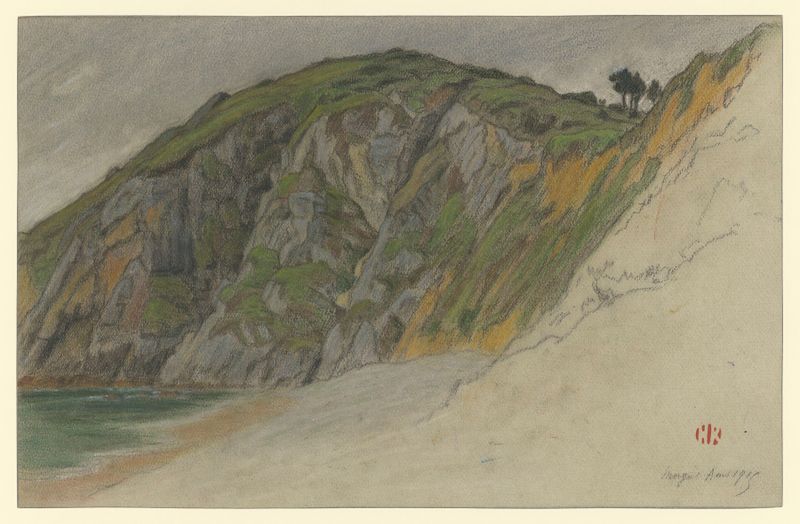
In times of upheaval, it is often the artist who captures the whispers of change, the tremors of revolution, and the quiet defiance of the human spirit. What happens when the canvas becomes a mirror, reflecting both turmoil and beauty? Start by focusing on the sweeping coastlines captured in Loguivy. Observe the vibrant blues and greens that blend seamlessly, evoking the movement of waves, while the textured brushstrokes breathe life into the rocky shoreline.
The interplay of light, flickering along the water, invites your gaze to dance across the scene, celebrating the raw energy of nature. Notice how the artist plays with perspective, drawing you into the image, as if you could step directly onto the shore, feeling the cool mist against your skin. Yet, beneath the surface of this idyllic landscape lies a tension—a poignant contrast between tranquility and the hidden chaos of the world outside its borders. The serenity of the seascape stands in stark juxtaposition to the societal shifts occurring during this period in France, where the echoes of revolution were beginning to stir.
Each brushstroke conveys not just the outer beauty but hints at the inner struggles, reflecting the duality of existence in a time ripe for change. Henri Rivière created Loguivy in 1896, a period marked by profound transformations in French society, as the Third Republic faced political challenges and cultural evolution. Living in Paris, Rivière was immersed in the artistic movements of his time, drawing inspiration from Impressionism as well as Japanese aesthetics. This painting represents not only his personal exploration of nature but also the broader context of a world awakening to new possibilities, capturing the essence of both beauty and revolution.