Loguivy — History & Facts
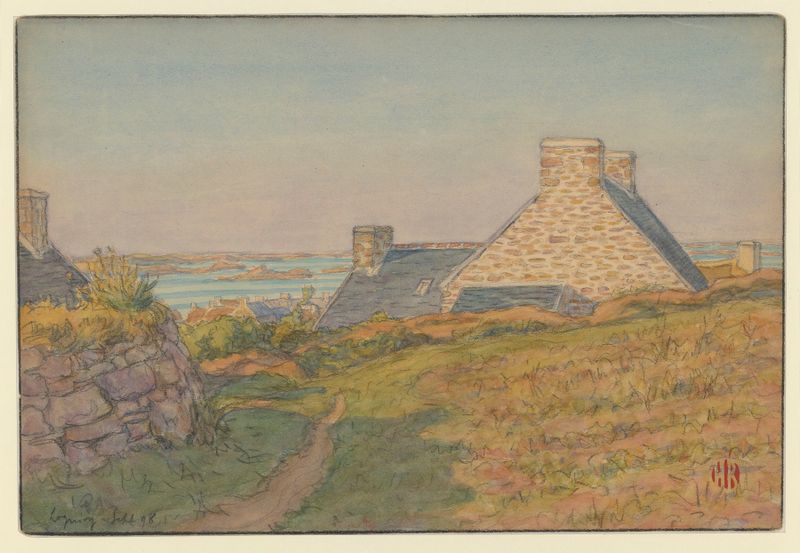
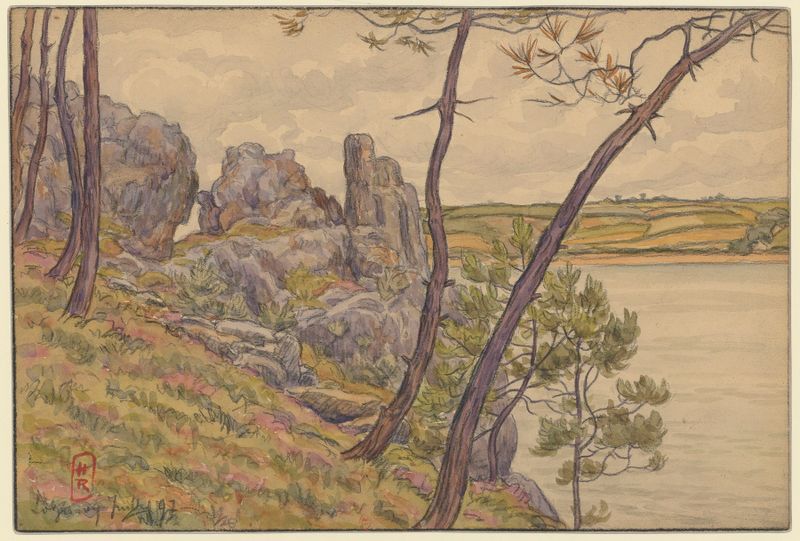
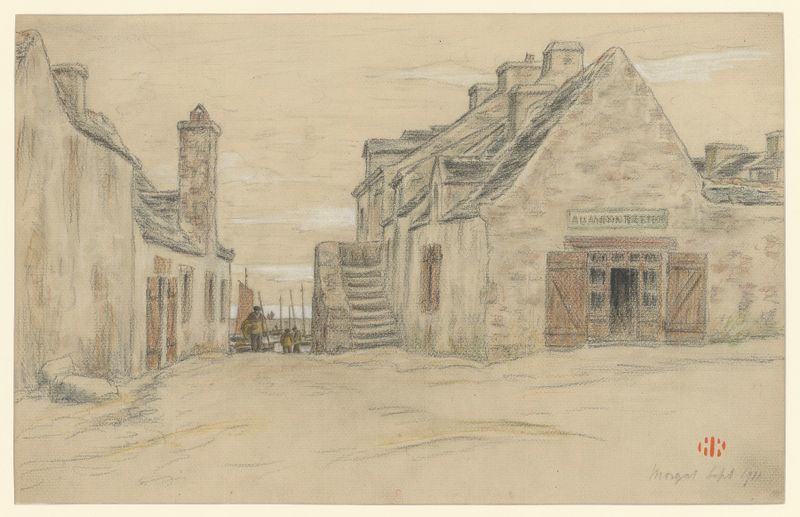
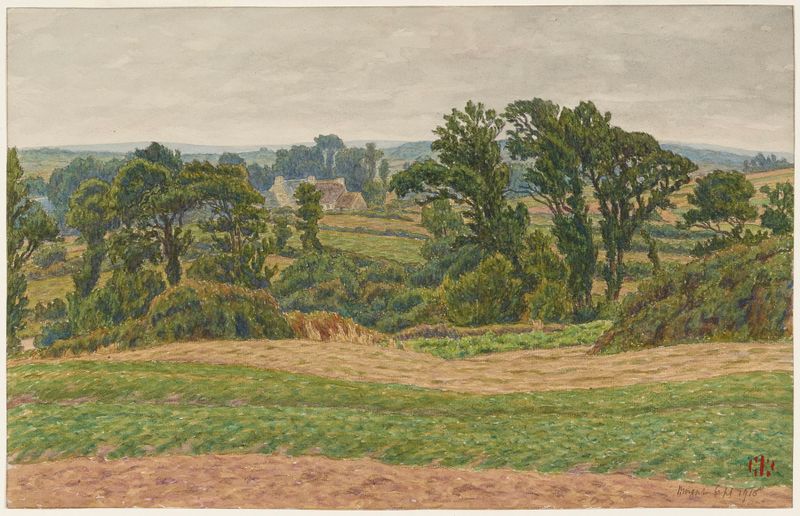
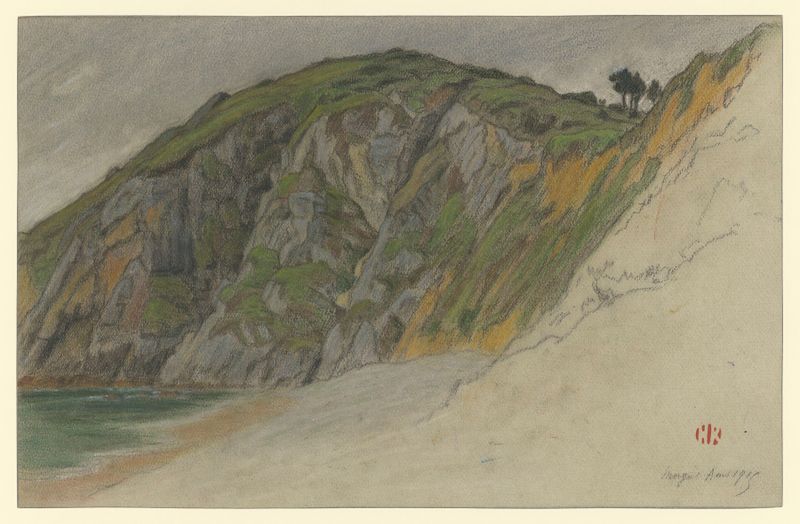
Where does light end, and longing begin? In the quiet embrace of Loguivy, an ethereal interplay of shadow and illumination evokes a poignant sense of yearning, whispering stories of the past while inviting contemplation of the future. Look to the center of the canvas, where the soft glow of the setting sun washes over the tranquil sea, its ripples capturing fleeting moments of brilliance. The delicate strokes of blue and gold blend harmoniously, embodying the natural beauty of this coastal scene, while dark silhouettes of distant cliffs frame the horizon, grounding the viewer in both beauty and mystery. Notice how the intricate details of the boats, with their billowing sails, are rendered both precise and dreamlike, creating a bridge between reality and the imagination. Beneath the surface, the contrast of light and dark reflects not just the natural world but the deeper tensions of existence.
The shimmering water symbolizes the passage of time, each wave a reminder of life's transience, while the distant cliffs stand as steadfast guardians of memory. This duality encapsulates the artist's exploration of legacy—what we hold dear and what we let go—inviting the viewer to reflect on their own relationship with both the past and the fleeting beauty of the present. Henri Rivière created Loguivy in 1897 during a period of significant change in the art world, as Impressionism was giving way to more diverse styles. Living in France, he was influenced by the coastal landscapes of Brittany, which inspired his fascination with light and its effects on the environment.
This work emerged amidst his growing reputation as a painter and printmaker, showcasing his ability to blend realism with a dreamlike quality that resonates with viewers even today.