
London Bridge — History & Facts
Did the painter know this moment would outlive them? In the quiet embrace of twilight, where the Thames meets the sky, the motif of London Bridge emerges as a testament to ephemeral beauty, a scene graced by the divine touch of nature's light. Look to the center of the canvas, where the bridge stands resolute against the shifting currents below. The soft, muted palette of blues and greys evokes a serene ambiance, while the delicate brushwork captures the fleeting interplay between water and air. Notice how the fading sunlight bathes the scene in a gentle glow, illuminating the bridge's arches and casting subtle reflections that ripple with life.
The composition invites the viewer to linger, each stroke whispering of a moment suspended in time. Beneath the surface lies a tension between permanence and transience. The bridge, a symbol of connection and continuity, juxtaposes with the ephemeral qualities of light and water, suggesting the divine nature of existence itself. As silhouettes of figures traverse the bridge, they become part of a larger narrative, embodying the human experience amid nature's vastness.
The stillness of the scene speaks volumes, evoking a contemplative mood that invites introspection. Whistler painted this piece in 1881 while living in London, where he was deeply immersed in the art scene and influenced by the burgeoning Impressionist movement. At that time, he was experimenting with tonal harmony and color theory, seeking to elevate the importance of atmosphere in his work. This painting reflects his desire to capture not just a physical structure, but an experience transcending the ordinary, marking a pivotal moment in his artistic evolution.
More Artworks by James Abbott McNeill Whistler
Browse all →
Nocturne in Blue and Silver
James Abbott McNeill Whistler
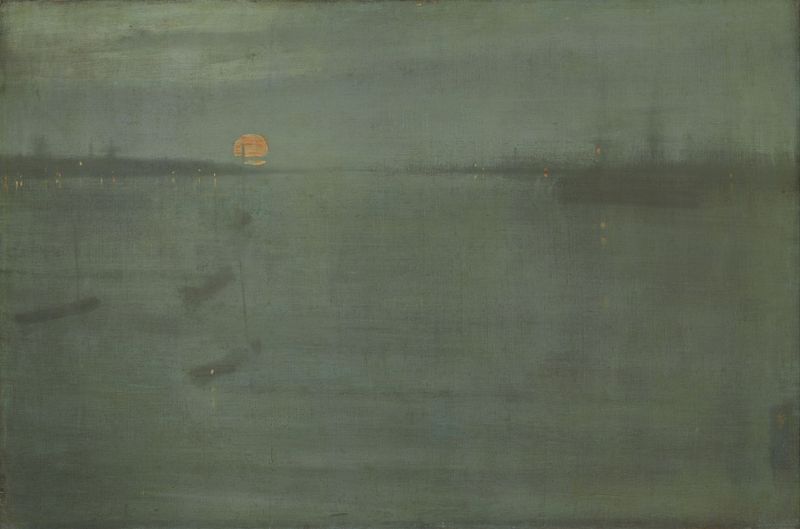
Nocturne: Blue and Gold–Southampton Water
James Abbott McNeill Whistler
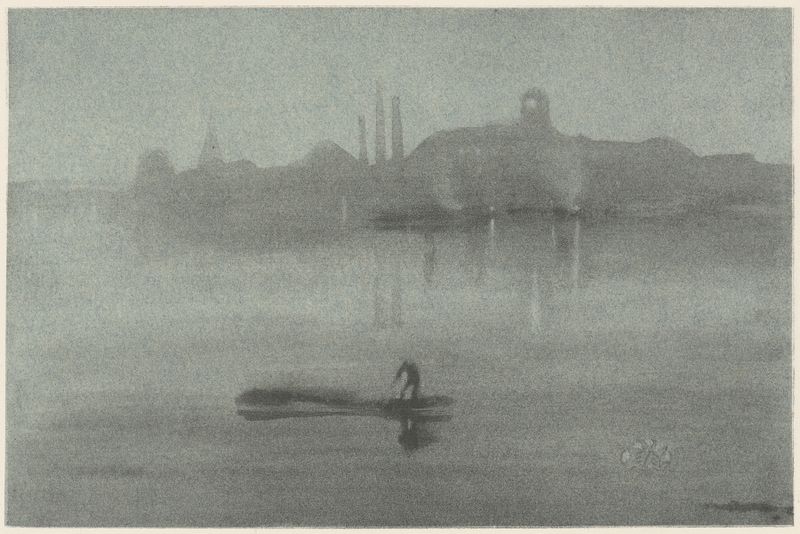
Nocturne
James Abbott McNeill Whistler
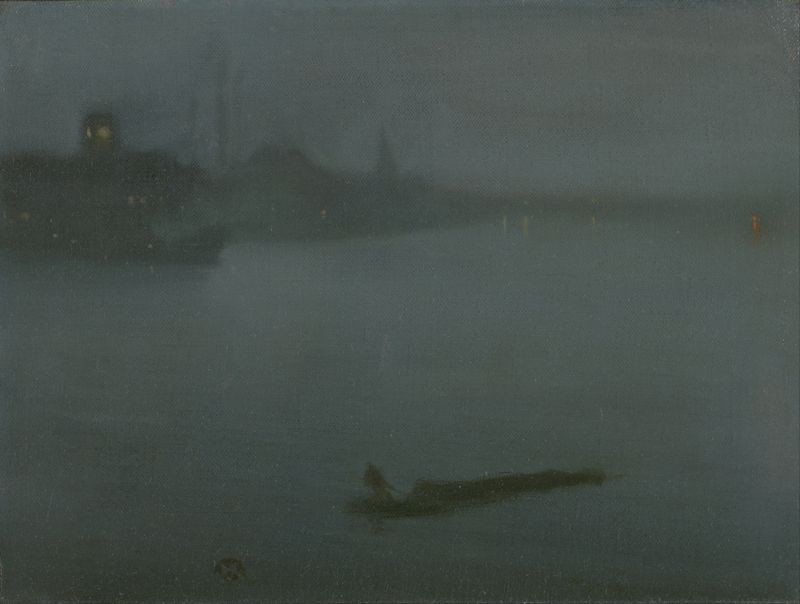
Nocturne in Blue and Silver
James Abbott McNeill Whistler
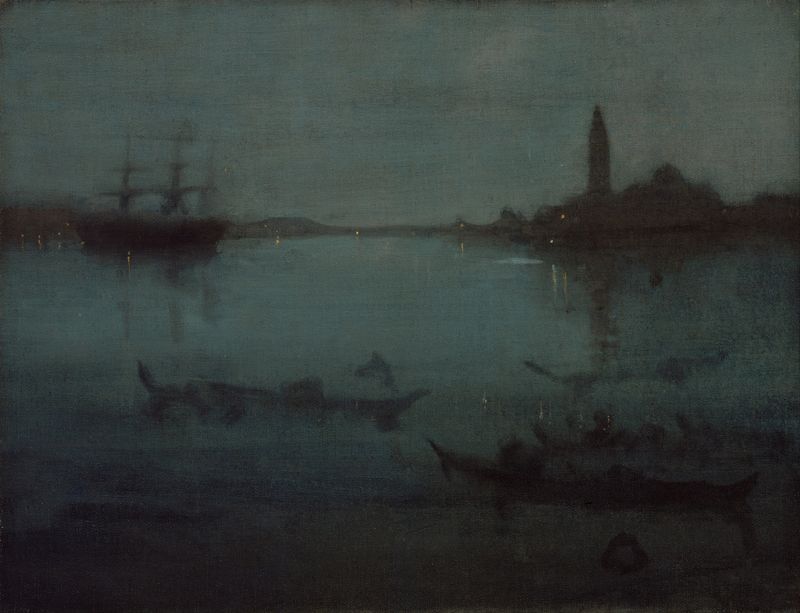
Nocturne in Blue and Silver- The Lagoon, Venice
James Abbott McNeill Whistler
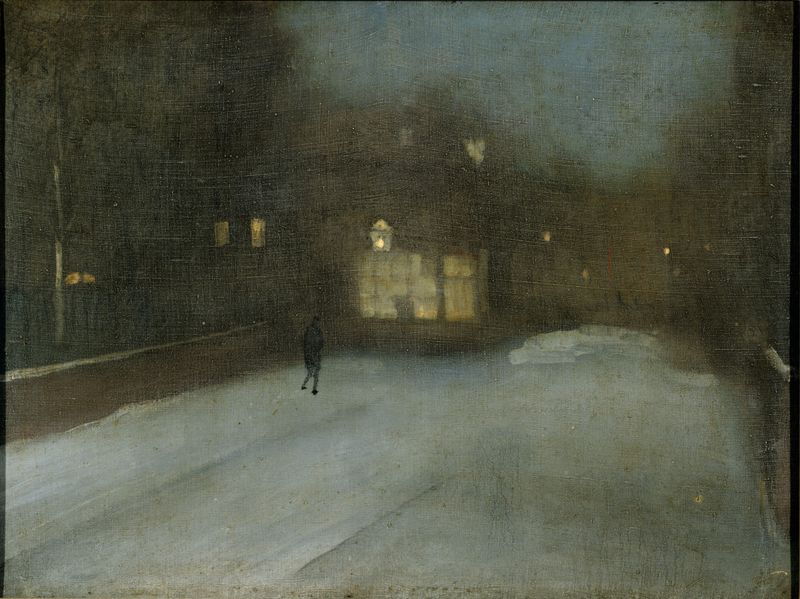
Nocturne in Grey and Gold: Chelsea Snow
James Abbott McNeill Whistler
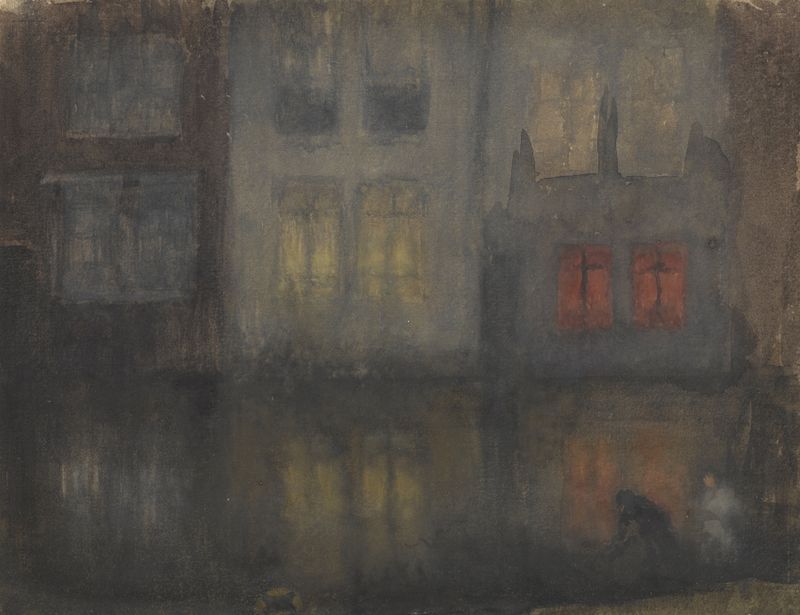
Nocturne: Black and Red—Back Canal, Holland
James Abbott McNeill Whistler
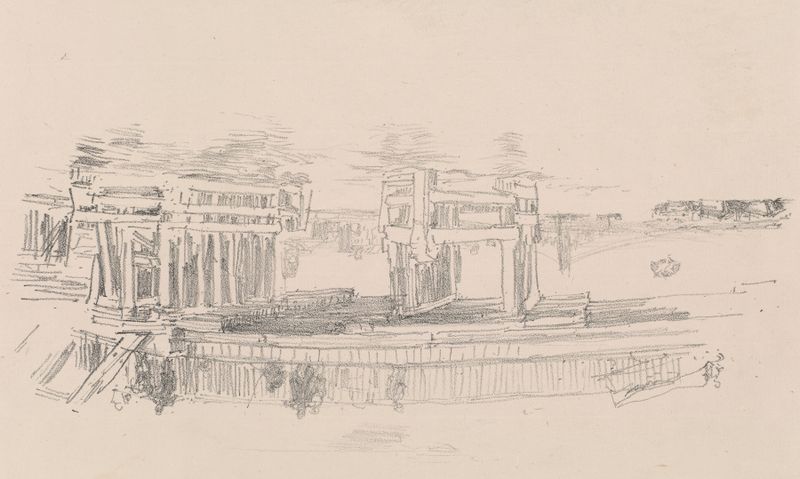
Old Battersea Bridge
James Abbott McNeill Whistler

Nocturne: Blue and Silver–Battersea Reach
James Abbott McNeill Whistler
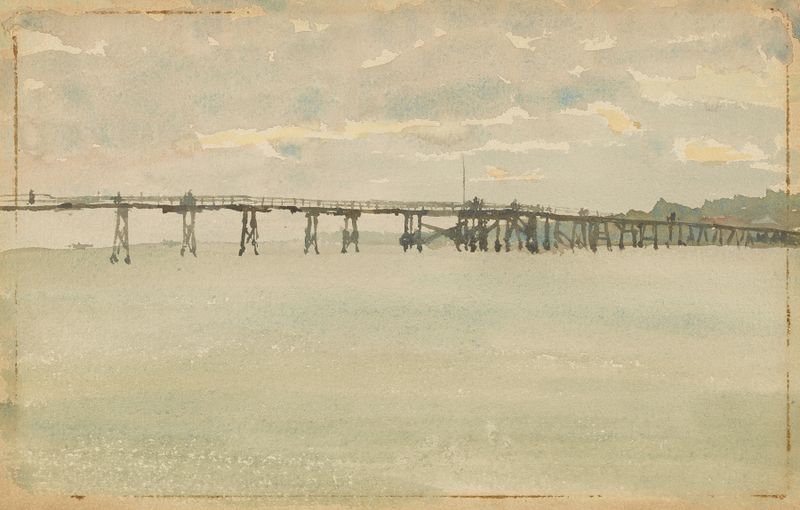
Grey and Silver–Pier, Southend
James Abbott McNeill Whistler





