
Lonely House in a Village — History & Facts
In the quietude of a village, loss weaves itself into the very fabric of existence, creating a palpable ache that resonates with the viewer. Look to the foreground where a solitary house stands, its weathered facade speaking volumes of neglect and solitude. The muted earth tones evoke a sense of decay, while the scattered patches of green hint at nature's hesitant return. The gentle brushwork blurs the lines between the house and the encroaching landscape, merging the human touch with the natural world, as if the two are in a silent dialogue about the passage of time. As one explores the painting deeper, striking contrasts emerge.
The stark loneliness of the house juxtaposes the expansive sky above, an endless canvas of potential yet tinged with melancholy. Vistas of distant hills cradle the scene, suggesting the presence of life beyond the confines of this lonely dwelling. The absence of figures amplifies the sense of longing, inviting reflections on who once inhabited this space and the stories left untold. Created between 1930 and 1935, this work emerges from Zolo Palugyay's exploration of rural landscapes in post-war Hungary.
A time when many artists grappled with the echoes of conflict, Palugyay sought solace in the simplicity of rural life. This piece reflects both his personal yearning and the collective loss felt by a society emerging from turmoil, reminding us that even in solitude, narratives of the past linger just beneath the surface.
More Artworks by Zolo Palugyay
Browse all →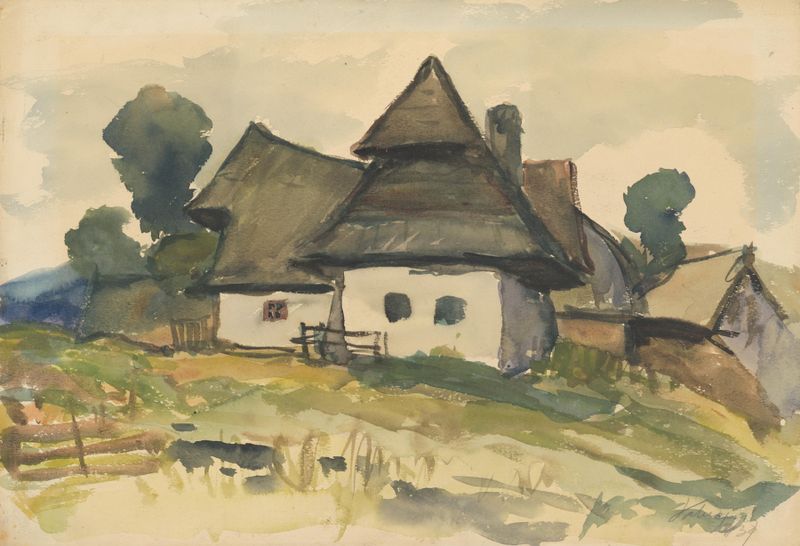
Dedinský motív
Zolo Palugyay
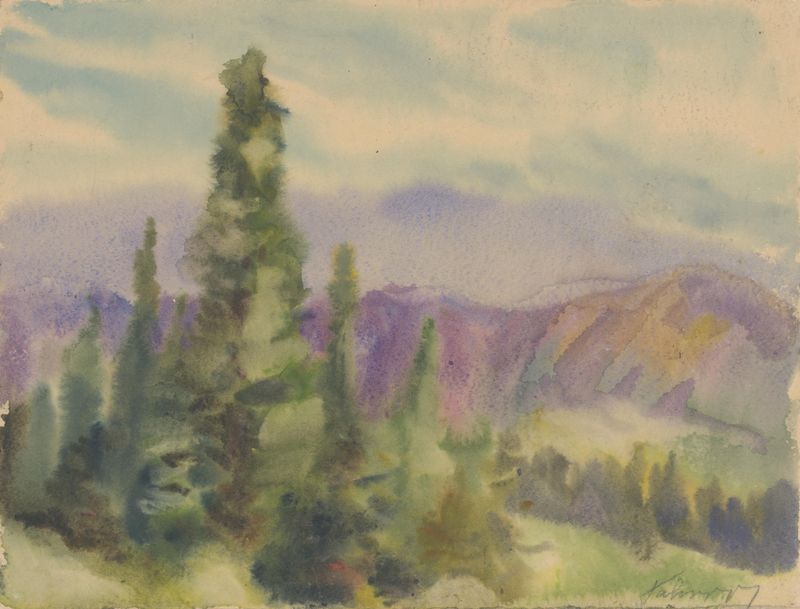
Motif from Liptov Mountains
Zolo Palugyay
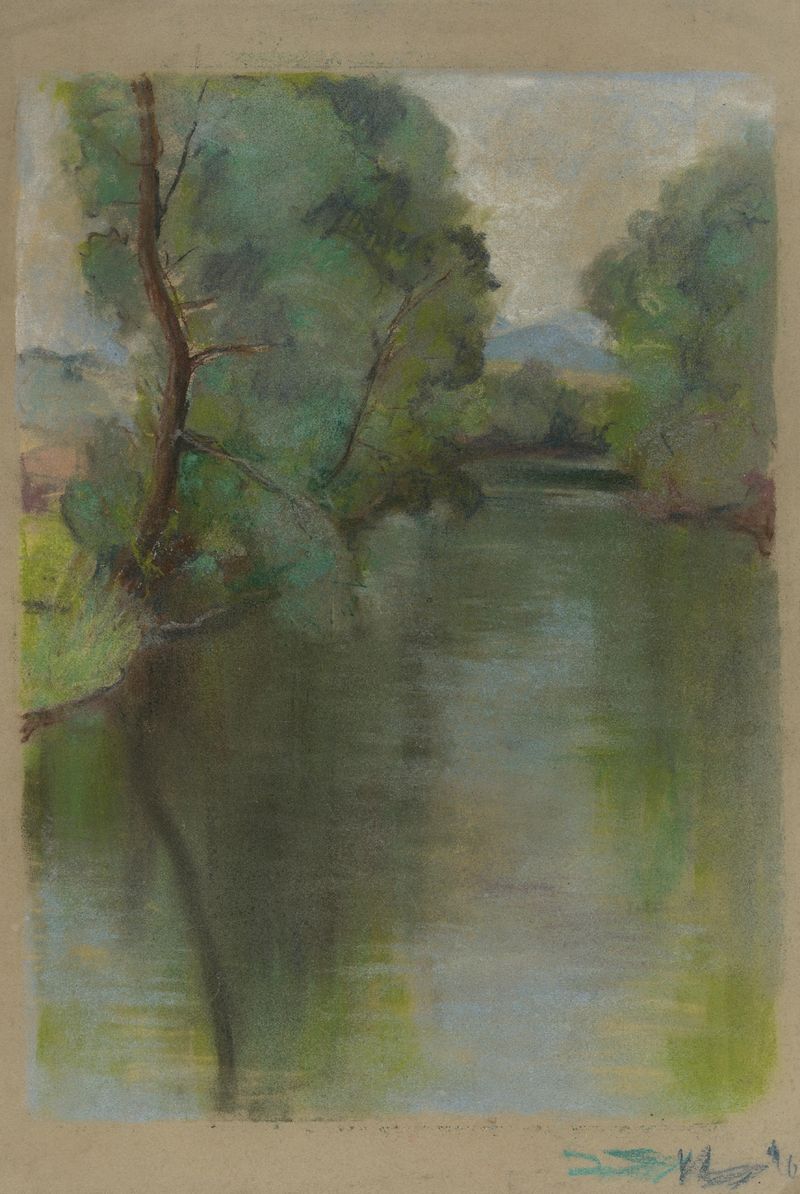
Silent River
Zolo Palugyay
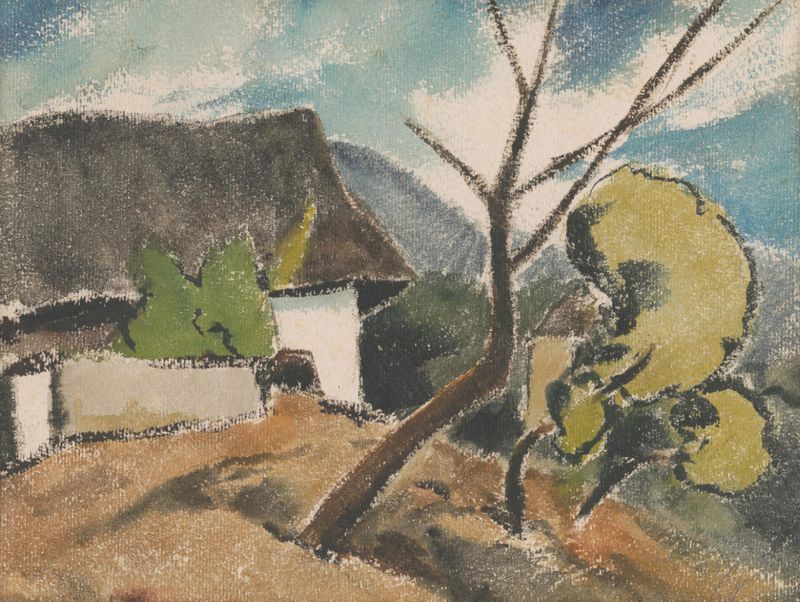
Oravská chalupa
Zolo Palugyay
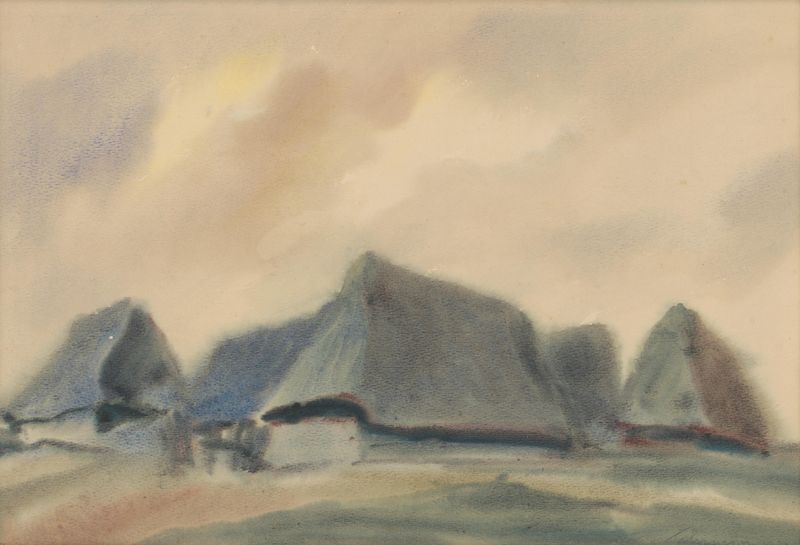
Modré chalupy
Zolo Palugyay
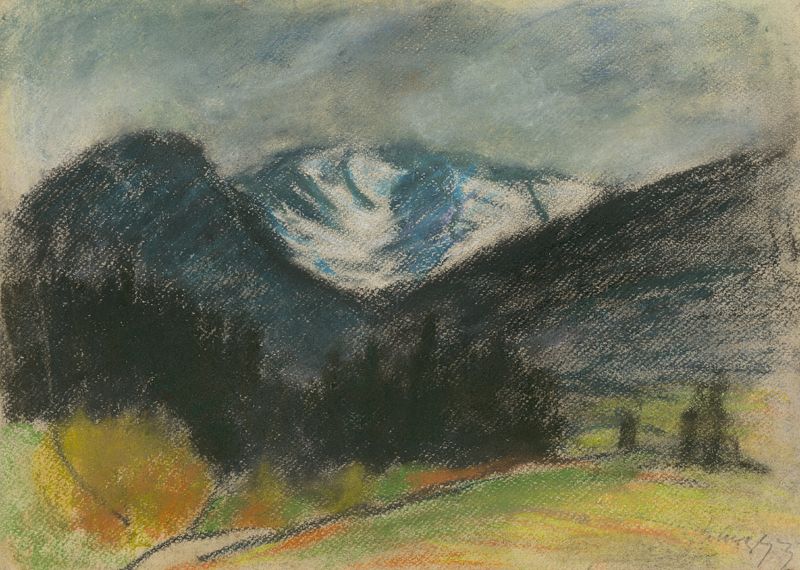
Mountain Landscape with Snowy Peaks
Zolo Palugyay
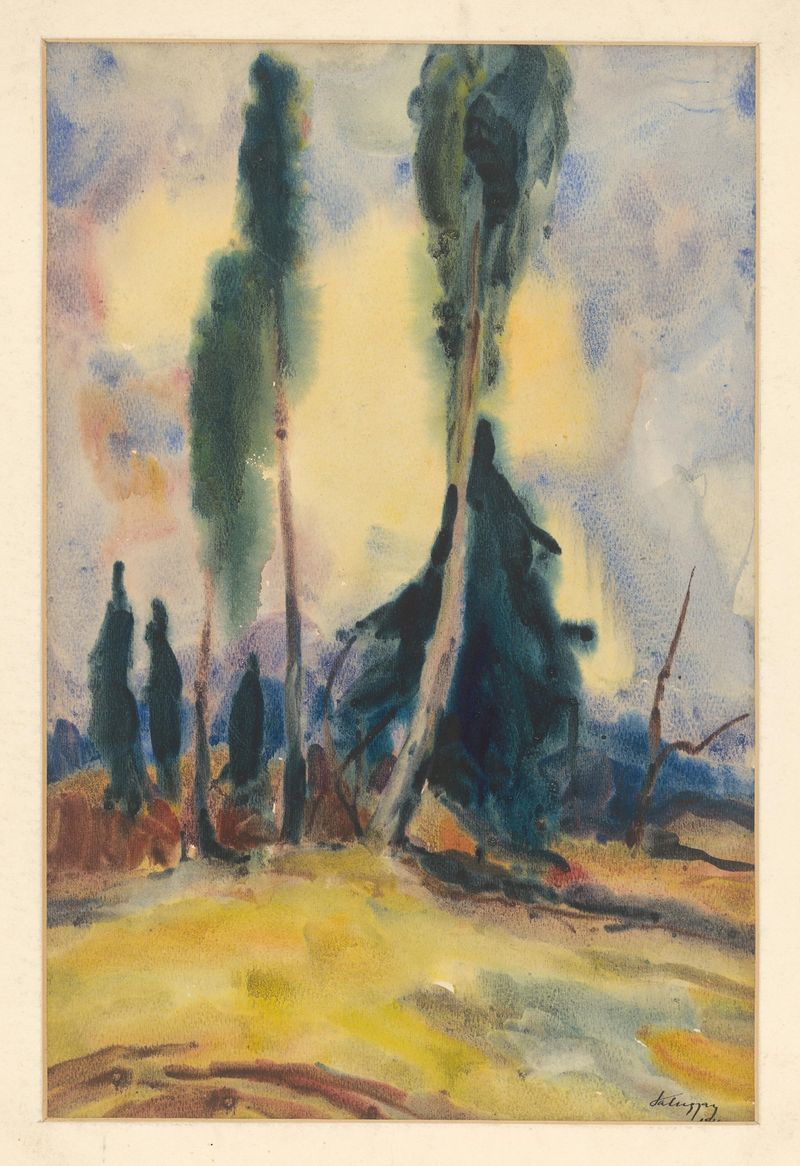
Three Trees on a Plain
Zolo Palugyay
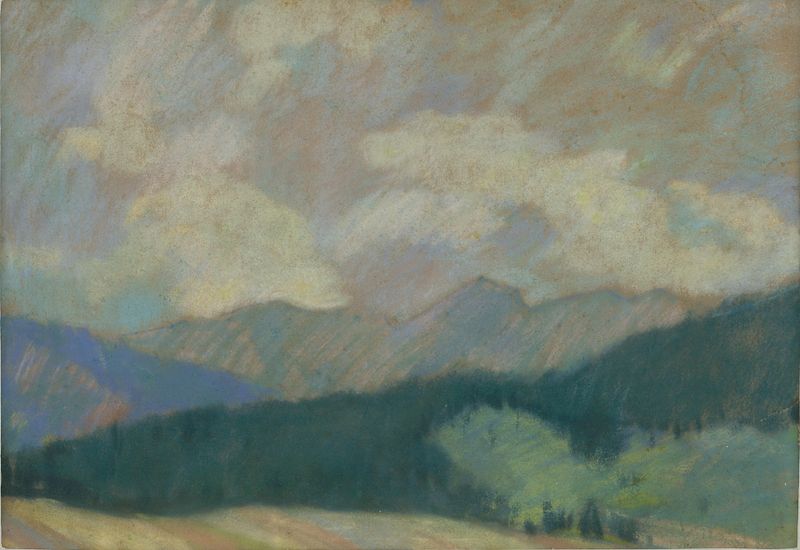
Horská krajina
Zolo Palugyay
Tatra Landscape
Zolo Palugyay
Spring Landscape
Zolo Palugyay





