
Long lagoon — History & Facts
Can paint confess what words never could? In Long Lagoon, the tumult of life unfurls in a whisper of color and form, revealing a world where chaos dances just beneath the surface. Look to the left at the gently undulating water, a mirror reflecting the stormy sky above. Striking shades of blue and gray intermingle, blurring the lines between the lagoon and the atmosphere, inviting you to lose yourself in its depths. The delicate strokes suggest movement, as if the water is alive, teeming with secrets yet to be told.
Notice how the figures at the edge seem to merge into their surroundings, emphasizing the chaotic beauty of nature where humanity is but a fleeting presence. As you delve deeper, a tension emerges between calm and chaos. The serene water contrasts with the turbulent sky, evoking a sense of uncertainty. The subtle placement of figures and boats hints at human struggle against nature's overwhelming force, suggesting that while we seek peace, the world outside remains capricious and relentless.
Each brushstroke reveals the emotional weight of this duality, as if Whistler is urging us to confront the chaos within ourselves and the world. In 1879, Whistler was navigating both personal and professional challenges, having recently settled in London. The art scene was vibrant yet contentious, as he was increasingly recognized for his innovative approaches to color and composition. Long Lagoon stands as a testament to this period of experimentation and introspection, reflecting not just the beauty of the natural world, but the chaos and complexity that often reside within it.
More Artworks by James Abbott McNeill Whistler
Browse all →
Nocturne in Blue and Silver
James Abbott McNeill Whistler
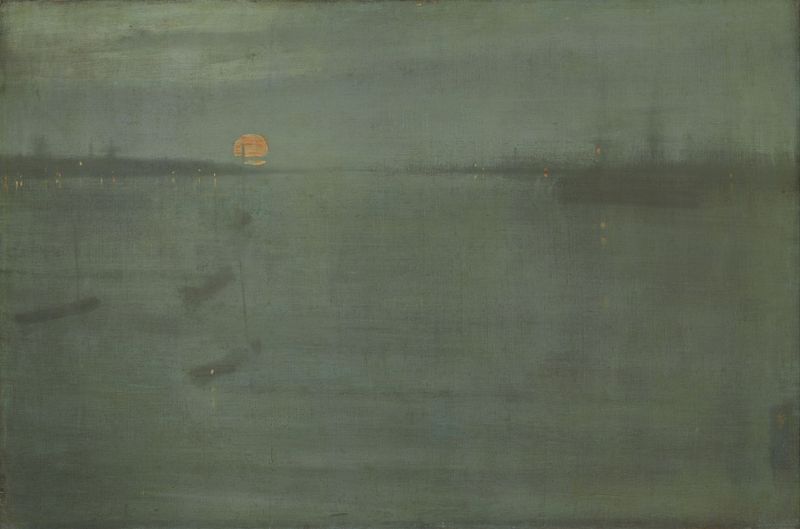
Nocturne: Blue and Gold–Southampton Water
James Abbott McNeill Whistler
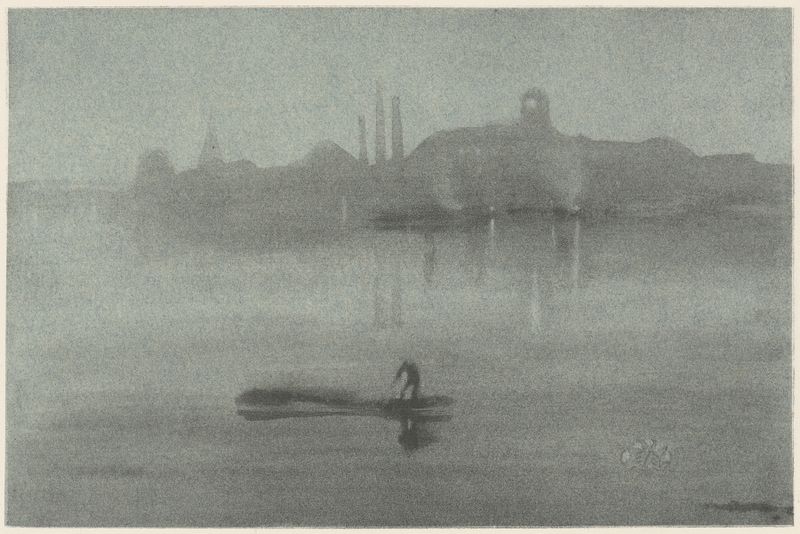
Nocturne
James Abbott McNeill Whistler
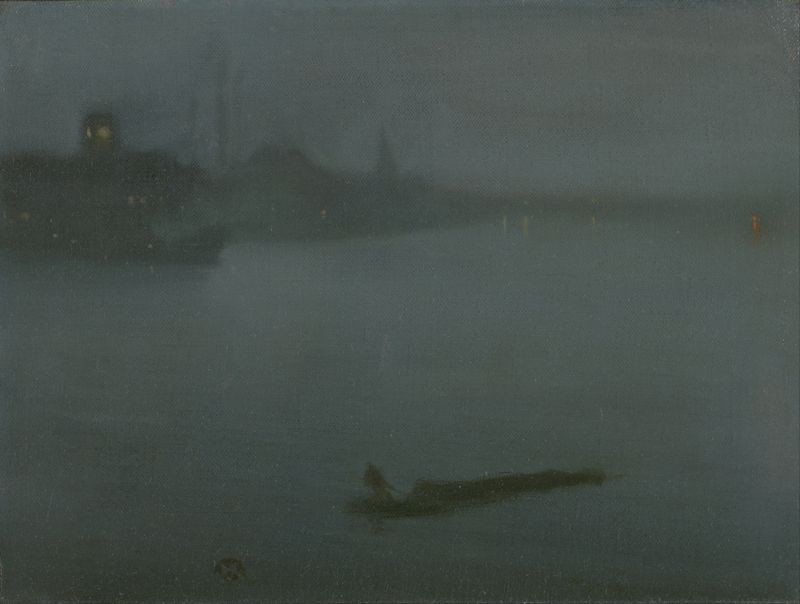
Nocturne in Blue and Silver
James Abbott McNeill Whistler
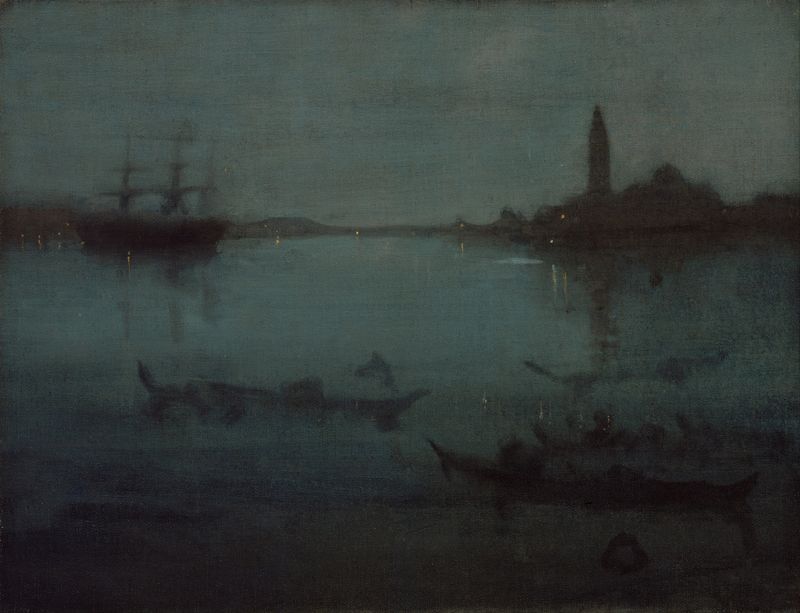
Nocturne in Blue and Silver- The Lagoon, Venice
James Abbott McNeill Whistler
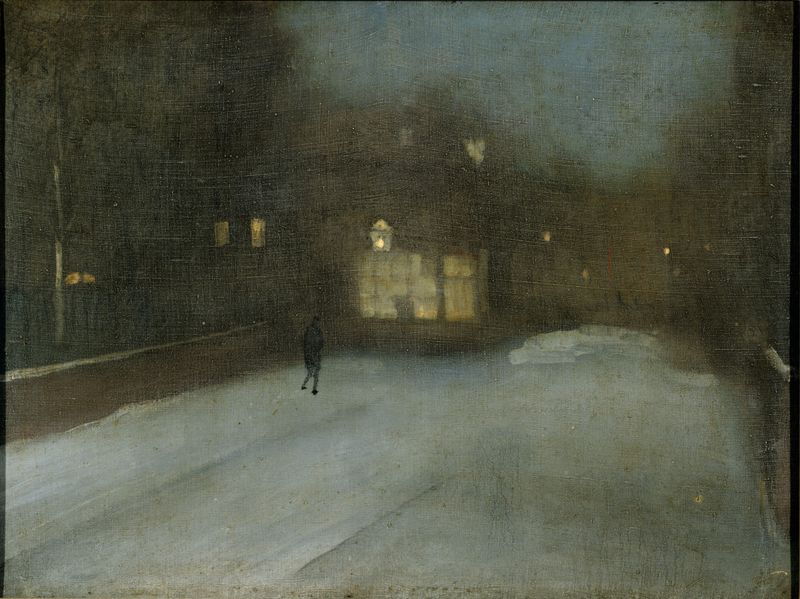
Nocturne in Grey and Gold: Chelsea Snow
James Abbott McNeill Whistler
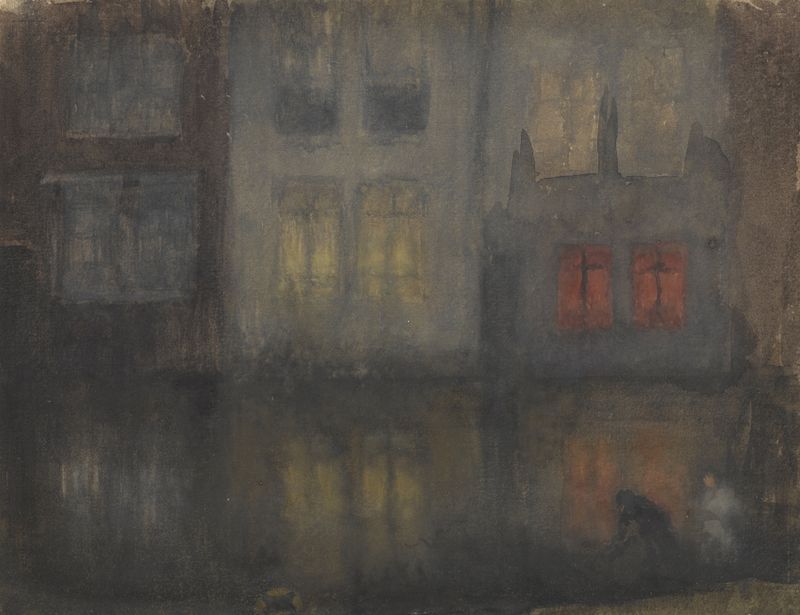
Nocturne: Black and Red—Back Canal, Holland
James Abbott McNeill Whistler
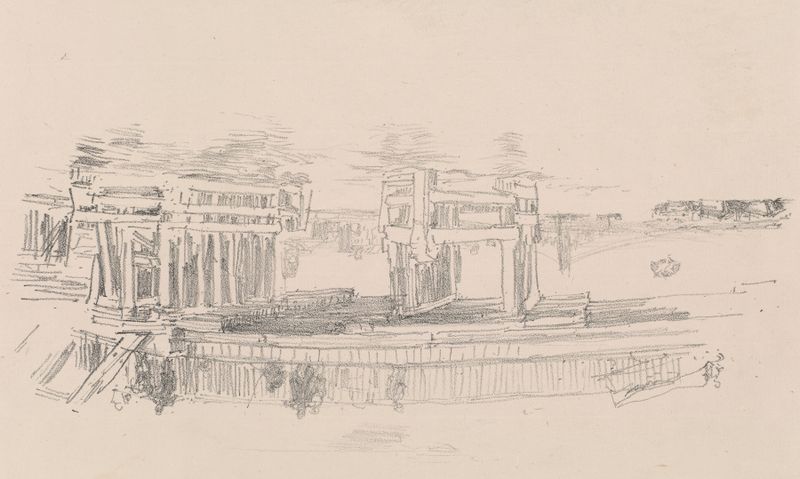
Old Battersea Bridge
James Abbott McNeill Whistler

Nocturne: Blue and Silver–Battersea Reach
James Abbott McNeill Whistler
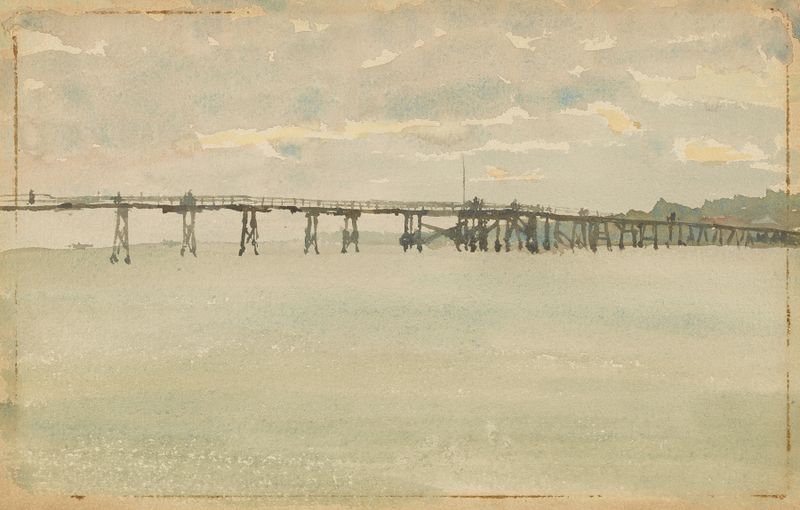
Grey and Silver–Pier, Southend
James Abbott McNeill Whistler





