
Long Venice — History & Facts
What if silence could speak through light? In Long Venice, the quietude of the scene resonates with an ethereal elegance that transcends mere representation, inviting contemplation. Look to the center where the twilight sky melts into a gentle haze, casting a serene aura over the Venetian canals. The delicate balance of blues and grays creates a dreamlike quality, while the reflections ripple softly in the water below. Notice how the soft brushwork conveys a sense of movement, a whisper of the wind, drawing your gaze toward the far-off horizon where light and shadow dance in unison. Deeper insights emerge through the interplay of light and form.
The silhouettes of the buildings, shrouded in mist, speak to the fleeting nature of beauty and time, underscoring the tension between the tangible and the ephemeral. Each element, from the graceful archways to the distant gondolas, hints at stories untold, evoking a longing for connection amidst the transience of life. In 1879, when this work was created, Whistler was in Venice, a city that profoundly influenced his artistic vision. At this time, he was navigating his evolving style, merging impressionistic techniques with his signature tonal harmony.
The world of art was shifting, as the Impressionists began to gain recognition, yet Whistler’s unique approach set him apart, allowing him to capture the essence of a moment with an enduring grace.
More Artworks by James Abbott McNeill Whistler
Browse all →
Nocturne in Blue and Silver
James Abbott McNeill Whistler
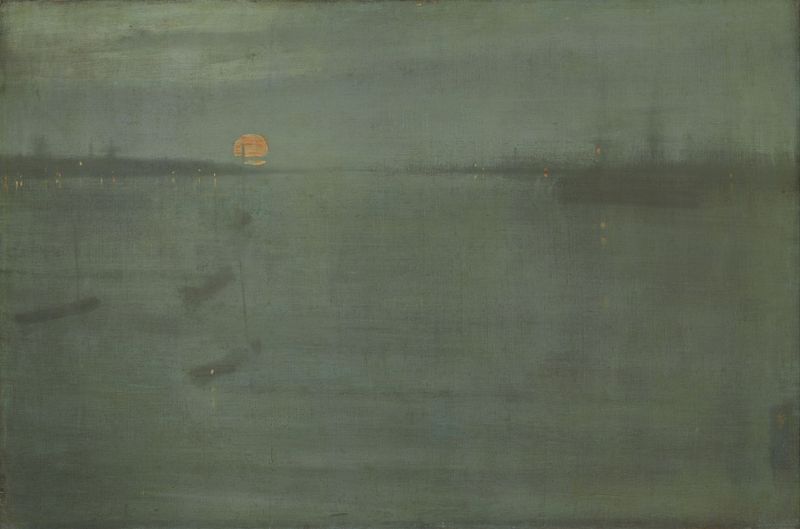
Nocturne: Blue and Gold–Southampton Water
James Abbott McNeill Whistler
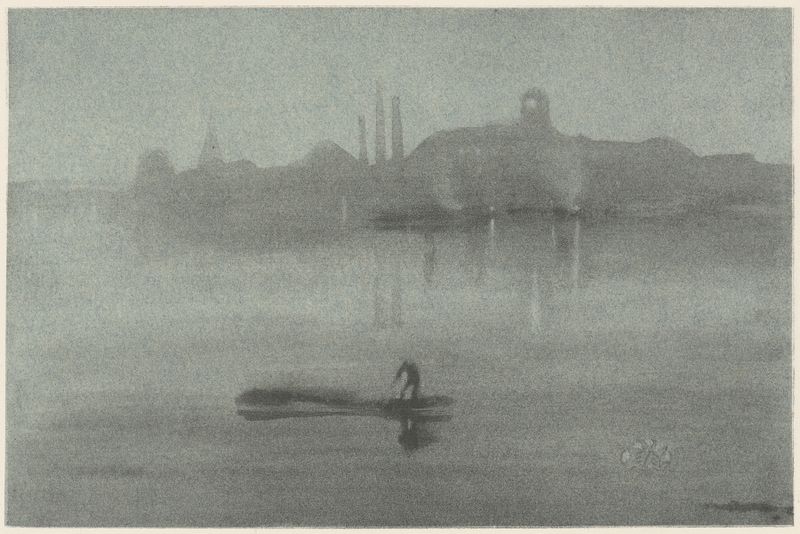
Nocturne
James Abbott McNeill Whistler
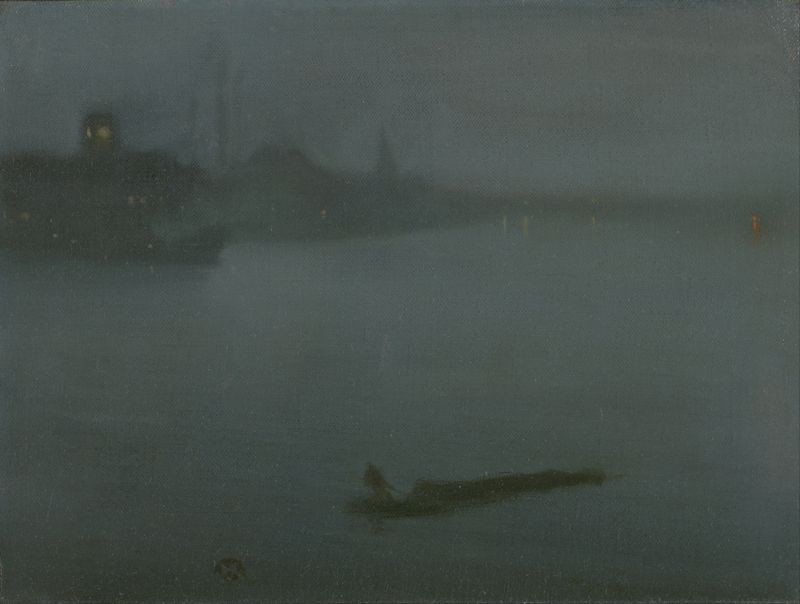
Nocturne in Blue and Silver
James Abbott McNeill Whistler
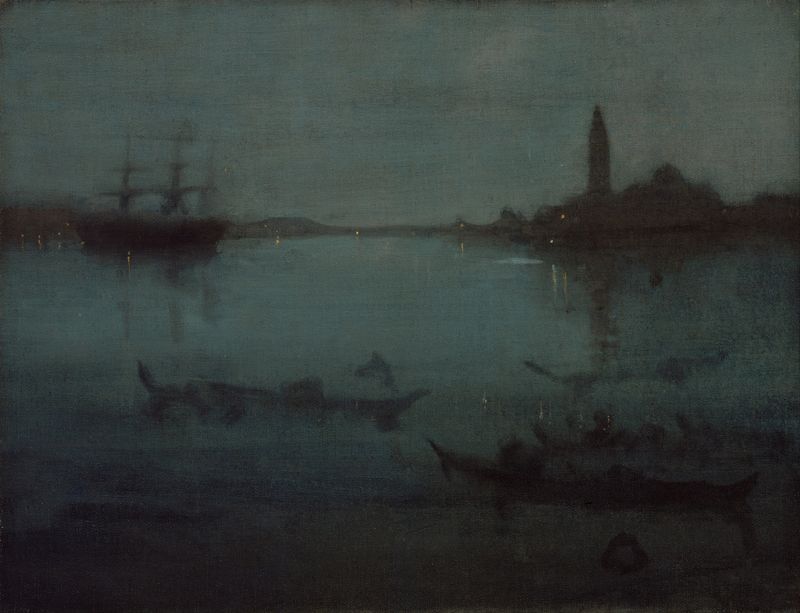
Nocturne in Blue and Silver- The Lagoon, Venice
James Abbott McNeill Whistler
Nocturne in Grey and Gold: Chelsea Snow
James Abbott McNeill Whistler
Nocturne: Black and Red—Back Canal, Holland
James Abbott McNeill Whistler
Old Battersea Bridge
James Abbott McNeill Whistler

Nocturne: Blue and Silver–Battersea Reach
James Abbott McNeill Whistler
Grey and Silver–Pier, Southend
James Abbott McNeill Whistler





