
Looking up the Trail at Bright Angel, Grand Canyon, Arizona — History & Facts
In the vastness of a painted landscape, the essence of loss stirs, whispering to the heart like a weary breeze through the canyon's depths. Focus on the horizon, where the sun’s golden rays spill over the rugged cliffs of the Grand Canyon, illuminating the trail that meanders through the terrain. The warm hues of ochre and amber contrast with the cool shadows that cling to the canyon walls, creating a dance of light and dark. Notice the way the path draws the eye upward, inviting you to journey into the heart of nature, yet echoing a sense of isolation and longing amidst the grandeur. The interplay of light and shadow serves as a metaphor for the duality of existence—beauty intertwined with a sense of melancholy.
Each brushstroke embodies the tension between the majestic landscape and the human experience of solitude. The intricate details of the foliage and the rough textures of the rocks speak of time, decay, and nature's indifference, subtly reminding us of the fragility of life amidst such vast landscapes. In 1901, Frederic Edwin Church painted this masterpiece during a period when he was reflecting deeply on the natural world, following personal losses and the decline of his artistic circle. As America was grappling with its own identity and the ideals of the Hudson River School began to fade, Church sought to capture both the awe-inspiring beauty of the American landscape and the inner turmoil of human experience, leaving behind a poignant legacy in each stroke.
More Artworks by Frederic Edwin Church
Browse all →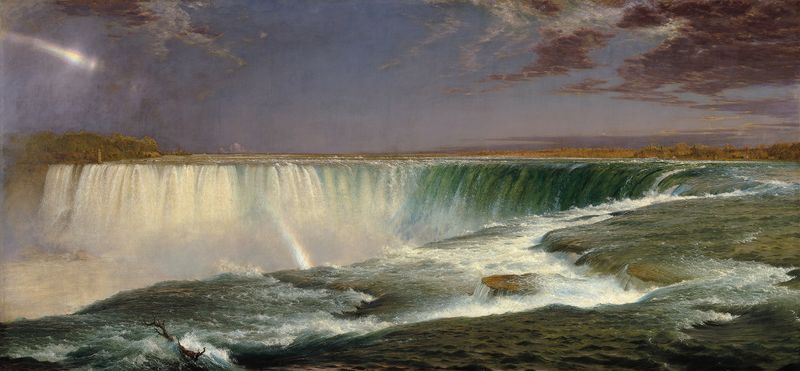
Niagara
Frederic Edwin Church
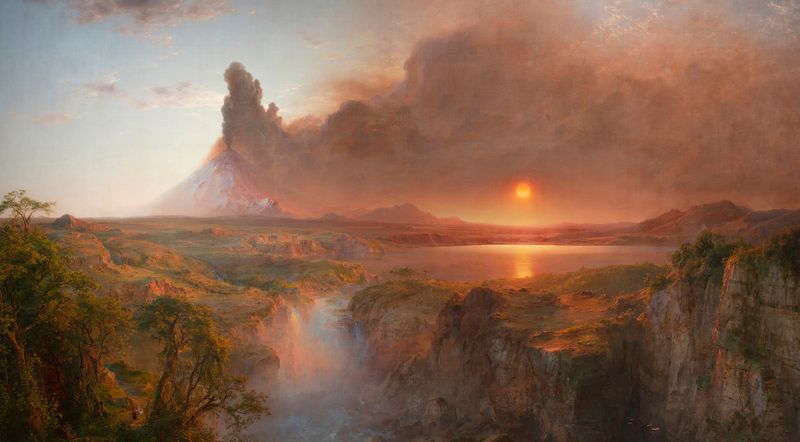
Cotopaxi
Frederic Edwin Church
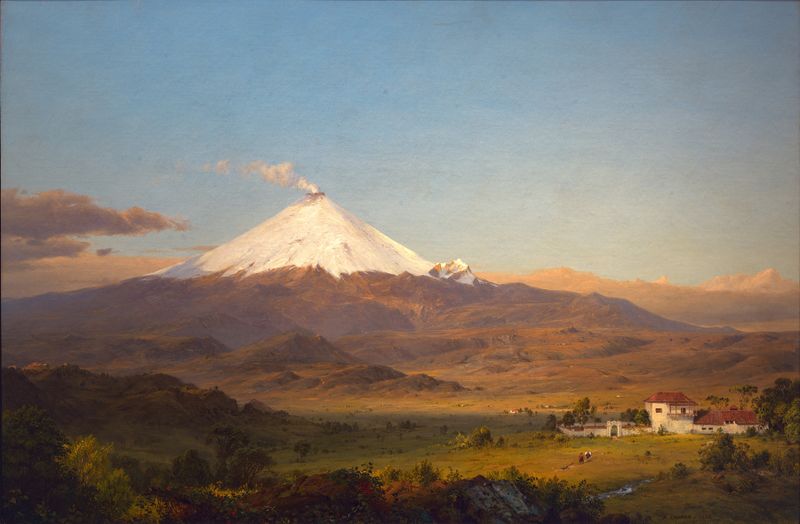
Cotopaxi
Frederic Edwin Church
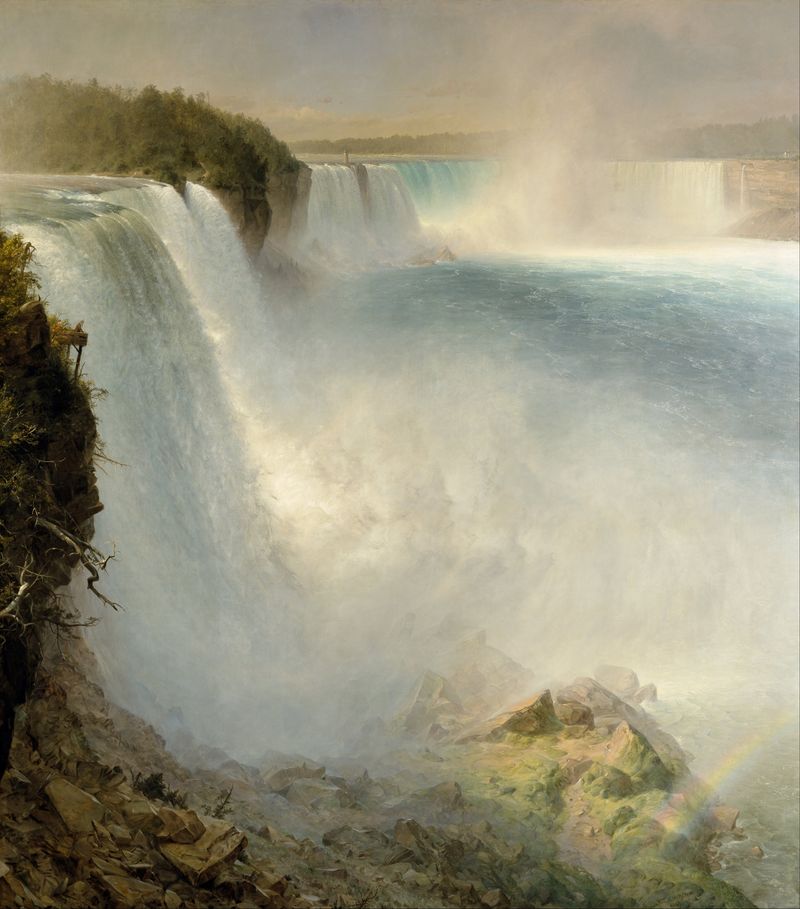
Niagara Falls, from the American Side
Frederic Edwin Church
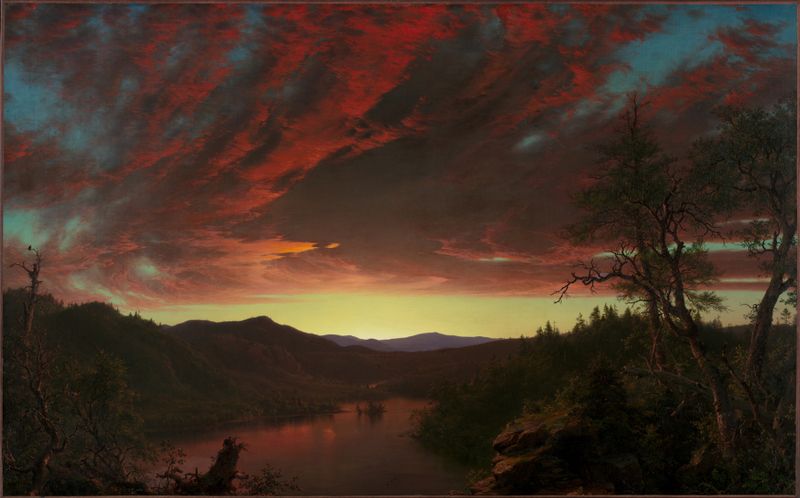
Twilight in the Wilderness
Frederic Edwin Church
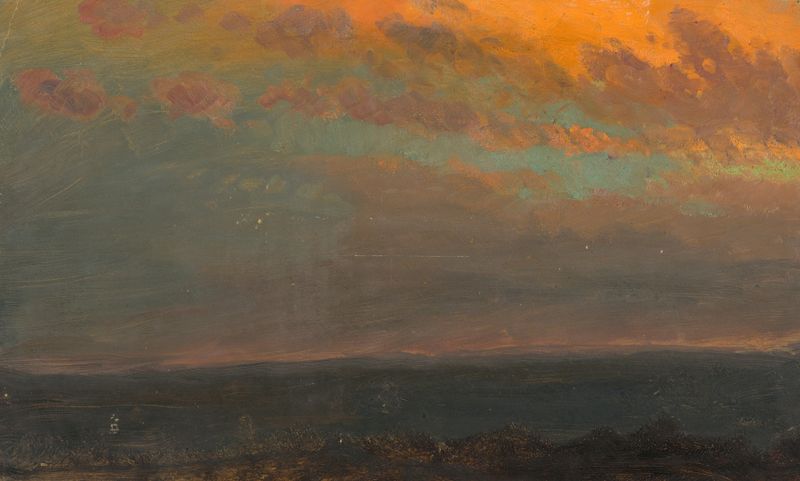
Hudson Valley at Sunset
Frederic Edwin Church
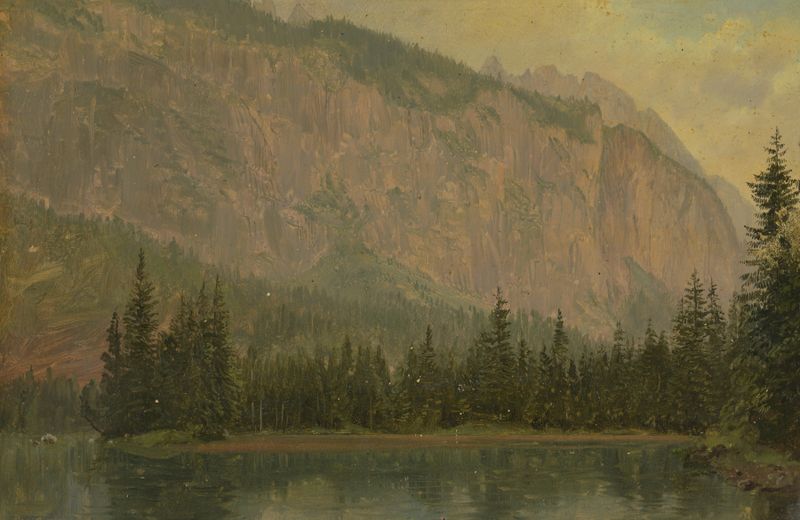
The Hintersee, near Berchtesgaden, Bavaria
Frederic Edwin Church
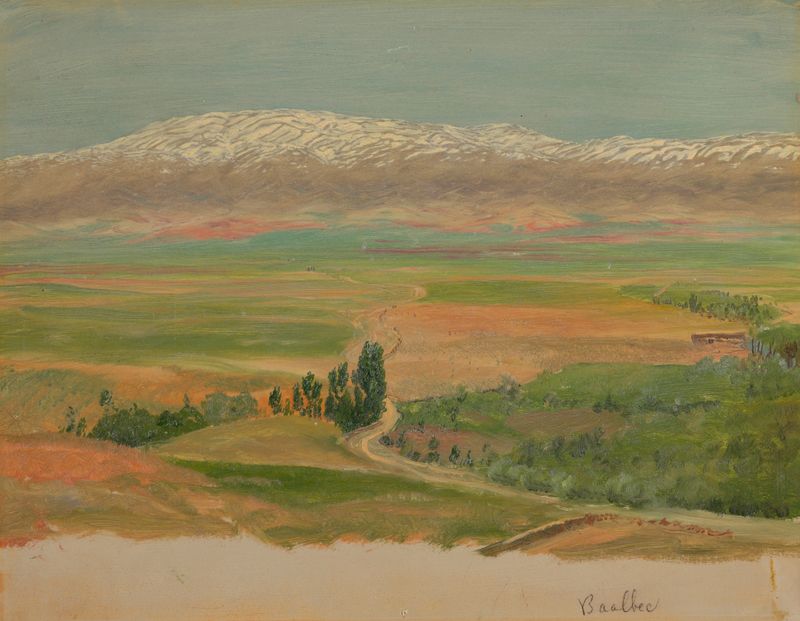
Mountains near Baalbec
Frederic Edwin Church
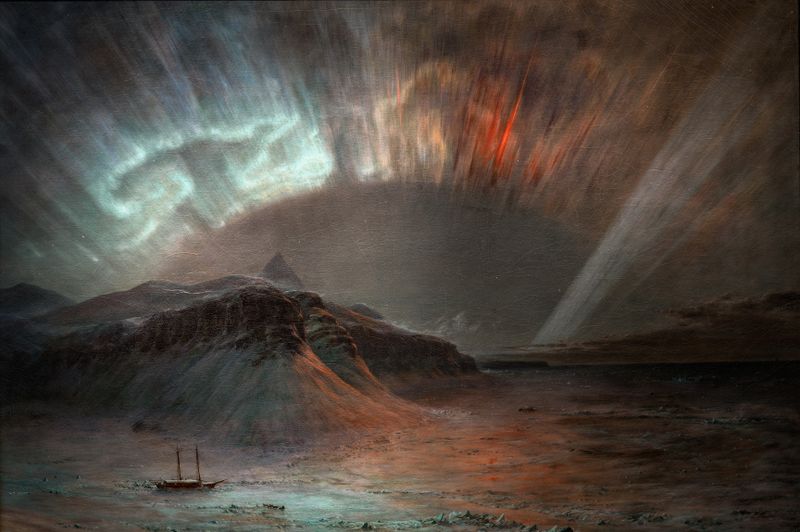
Aurora Borealis
Frederic Edwin Church
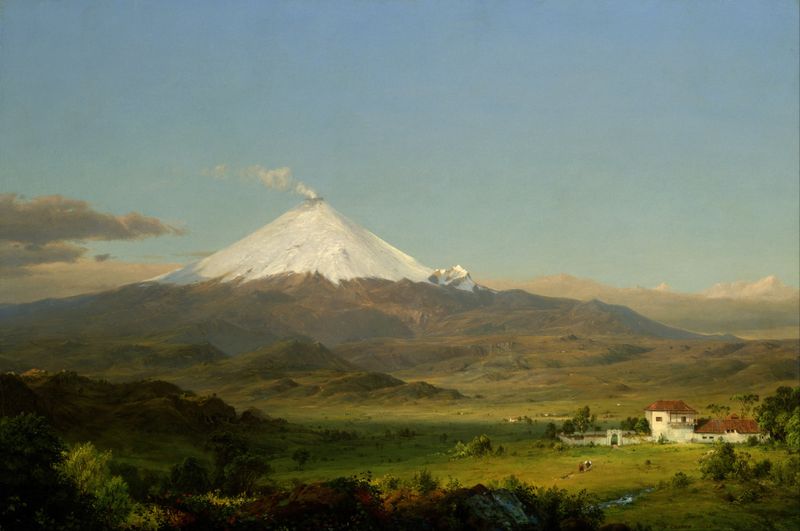
Cotopaxi
Frederic Edwin Church





