
Lord Hopetoun’s Lead Mines — History & Facts
Can beauty exist without sorrow? In Lord Hopetoun’s Lead Mines, the answer resonates in the stillness of the landscape, where nature's splendor intertwines with human endeavor. Look to the foreground, where the intricate patterns of the mines are etched against the serene backdrop of rolling hills. The muted earth tones blend seamlessly with the gentle blues of the sky, inviting the viewer to explore the soft contrasts between the industrious man-made structures and the tranquil setting. Notice how the light falls upon the rugged terrain, casting delicate shadows that evoke both the weight of labor and the peace of solitude. Hidden within this landscape lies a narrative of dichotomies: the toil of mining juxtaposed with the serenity of the countryside.
The silent expanse reflects both the ambition and the isolation of those who toiled in the mines, suggesting a tale of perseverance tinged with melancholy. Every brushstroke conveys a sense of longing—a yearning for harmony between human activity and the untouched beauty of the earth. In 1751, Paul Sandby painted this piece amidst a burgeoning appreciation for the picturesque in British art. He was exploring the delicate balance between nature and industry, and the socio-economic shifts of his time were reshaping landscapes much like the one captured in this work.
The era was marked by a growing fascination with the sublime in nature and a reflection on its relationship with human enterprise, an interplay that Sandby masterfully encapsulated.
More Artworks by Paul Sandby
Browse all →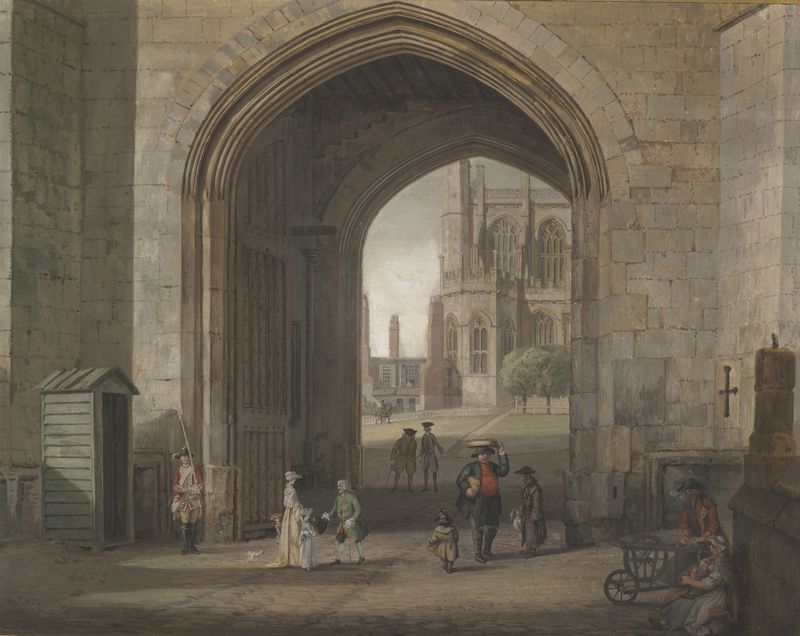
The Tower Gate at Windsor Castle
Paul Sandby

A Distant View of Maidstone, from Lower Bell Inn, Boxley Hill
Paul Sandby
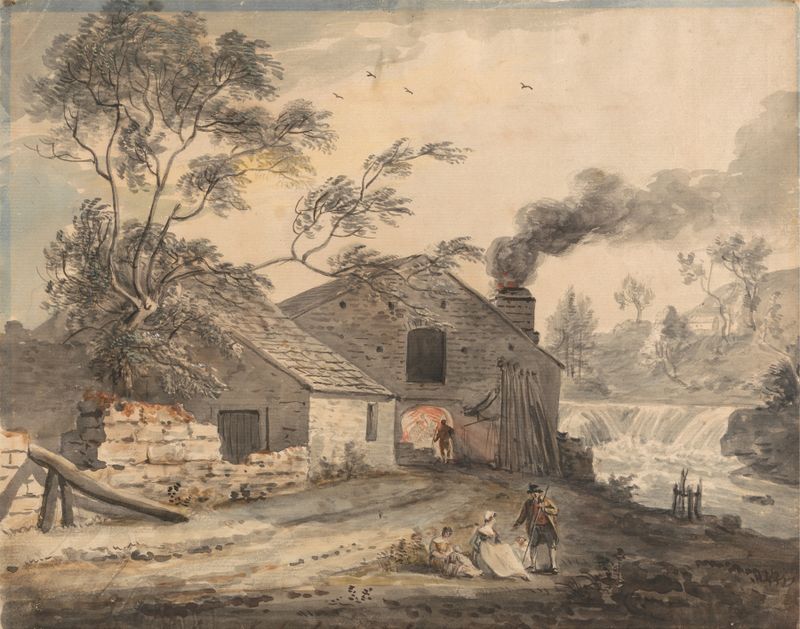
Iron Forge on the River Kent, Westmorland
Paul Sandby
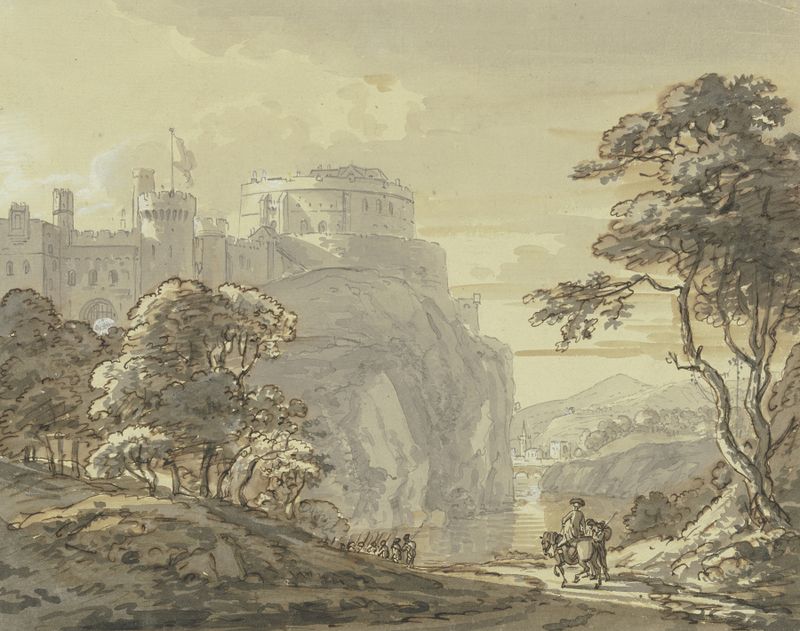
View of Windsor Castle
Paul Sandby

Hackwood Park, Hampshire
Paul Sandby

Roslin Castle, Midlothian
Paul Sandby
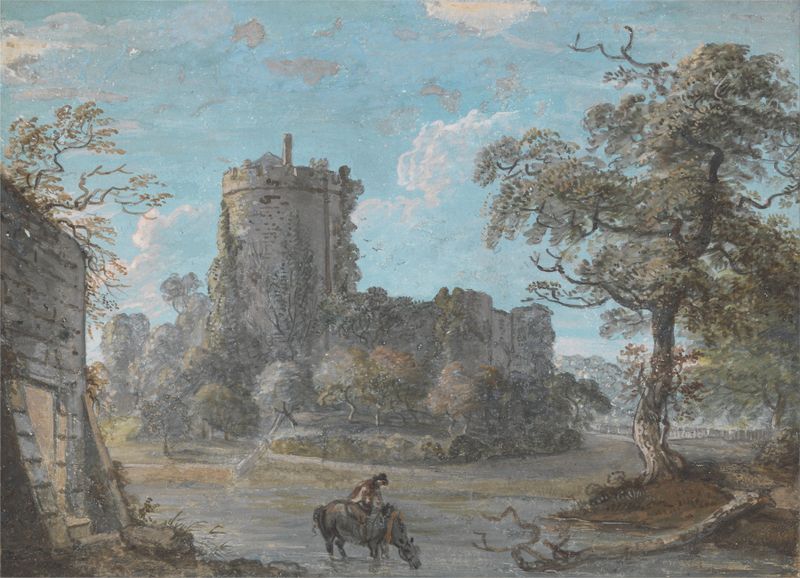
The Entrance to Chepstow Castle
Paul Sandby
The Hundred Steps and Winchester Tower, Windsor Castle, Berkshire
Paul Sandby

Brook End, Essex
Paul Sandby
Carreg Cennen Castle
Paul Sandby





