
Loth and his Daughters — History & Facts
What draws the eye first in Loth and his Daughters by Aert de Gelder is not the biblical gravity of the subject, but the intimacy of the scene—a moment suspended in the golden haze of candlelight, where gesture and glance carry the weight of the story. The central figure, his cheeks flushed and eyes half-lidded, is gently coaxed by a daughter whose hand cups his chin, her other hand offering a goblet. The second daughter, leaning in from behind, shares a conspiratorial smile, her gaze fixed on her father.
The table in the foreground, crowded with a heavy jug and scattered food, anchors the scene in physical reality, while the darkness behind them presses the trio together, heightening the sense of secrecy and moral ambiguity. The artist’s palette—rich ochres and deep browns—sets a mood of warmth tinged with unease, drawing the viewer into the psychological drama unfolding in the lamplight. Painted between 1680 and 1683, this work belongs to a late flowering of Dutch biblical painting, when artists like Aert de Gelder—a pupil of Rembrandt—turned to Old Testament stories for their complexity and emotional charge. Such paintings were often commissioned by prosperous burghers who sought both moral instruction and a display of sophistication in their homes.
The late seventeenth century was a period of transition: religious art had to navigate Protestant suspicion of imagery, yet collectors prized scenes that invited contemplation and debate. Little is recorded about the specific history of this canvas, now in private hands, but its survival speaks to the enduring power of narrative painting in an age of shifting tastes. The viewer is left to linger on the faces, wondering at the choices and consequences that flicker in the half-light.
More Artworks by Aert de Gelder

Portrait of a Young Woman
Aert de Gelder

Hermanus Boerhaave (1668-1738), Professor of Medicine at the University of Leiden, with his Wife Maria Drolenvaux (1686-1746) and their Daughter Johanna Maria (1712-91)
Aert de Gelder
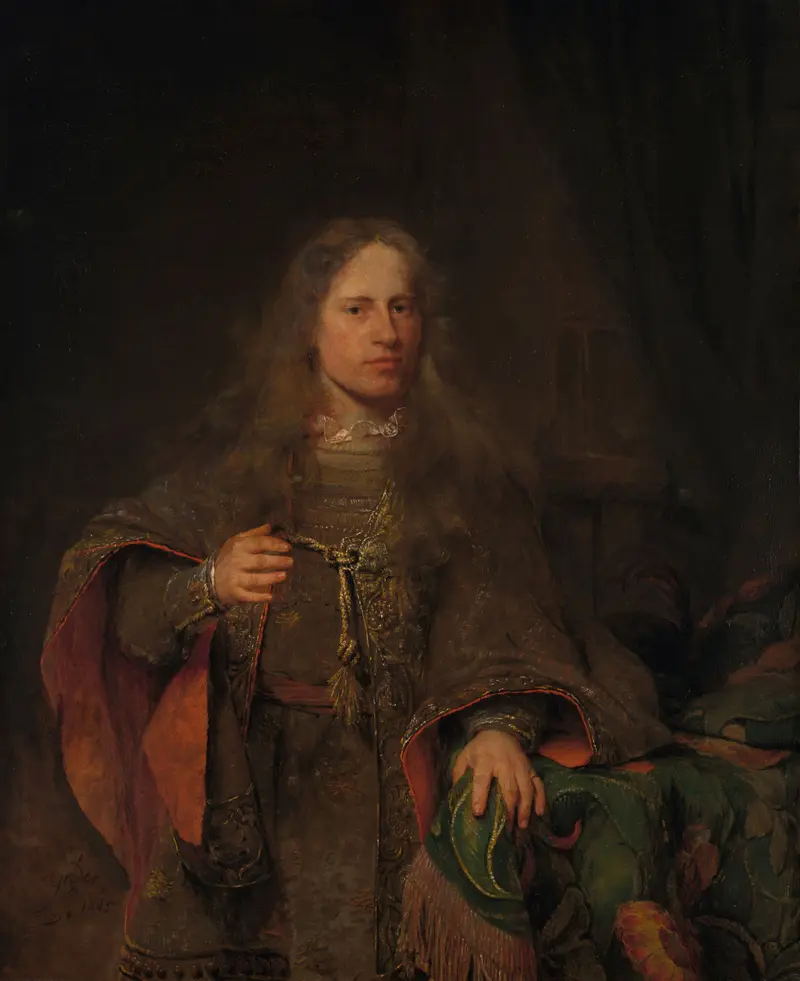
Portrait of Ernest de Beveren, Lord of West-IJsselmonde and De Lindt
Aert de Gelder
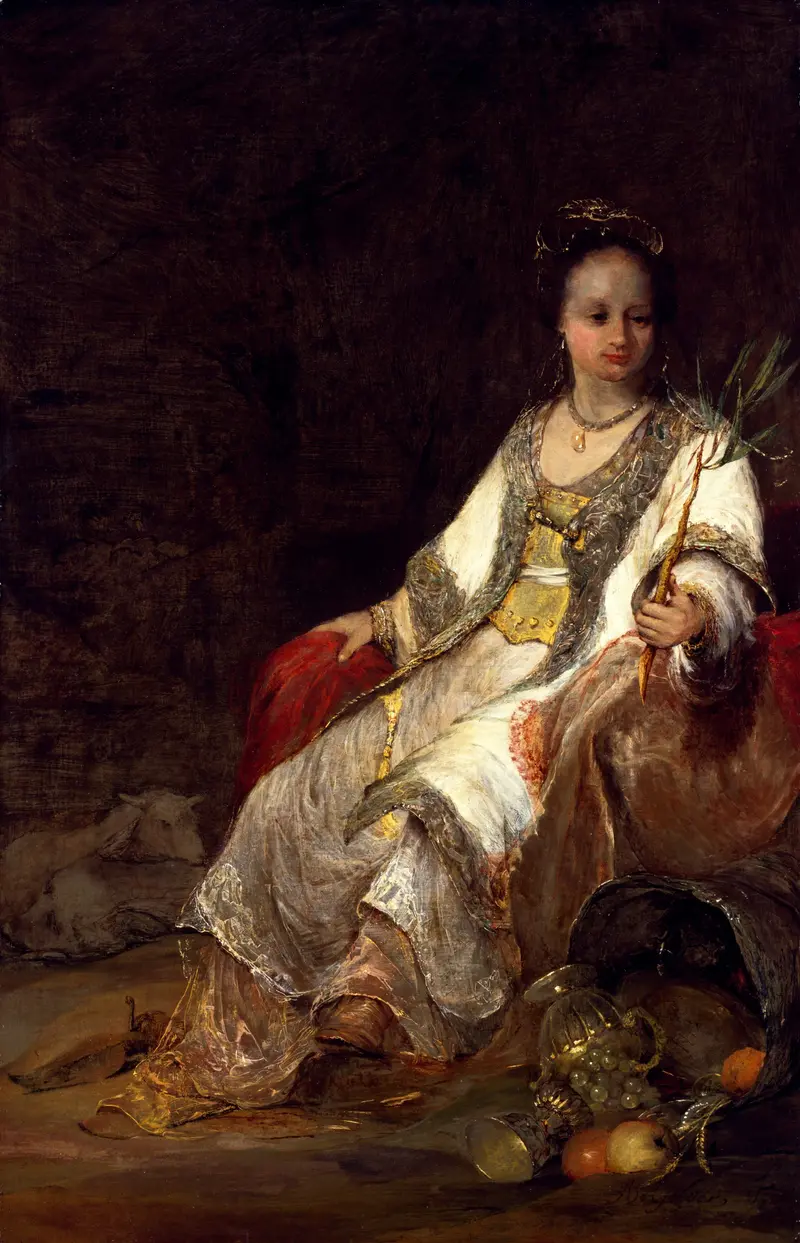
Allegory on Peace
Aert de Gelder
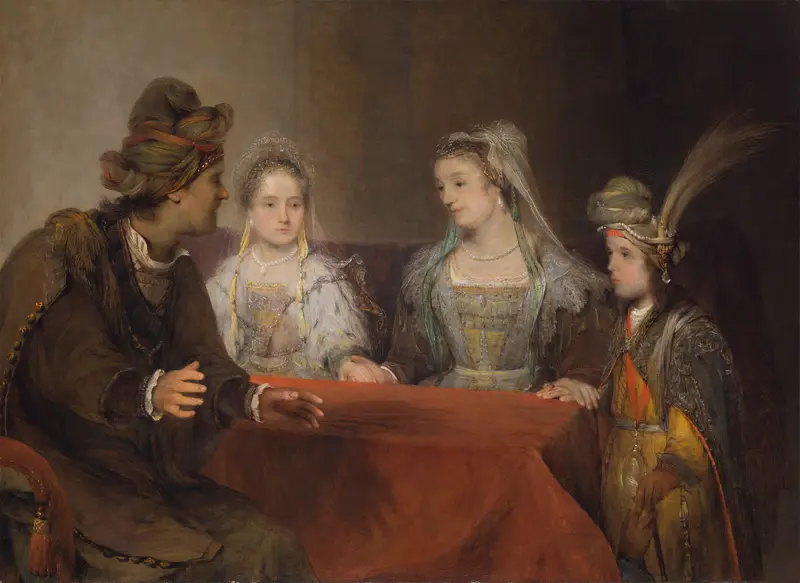
Edna Entrusting Tobias with Sarah
Aert de Gelder
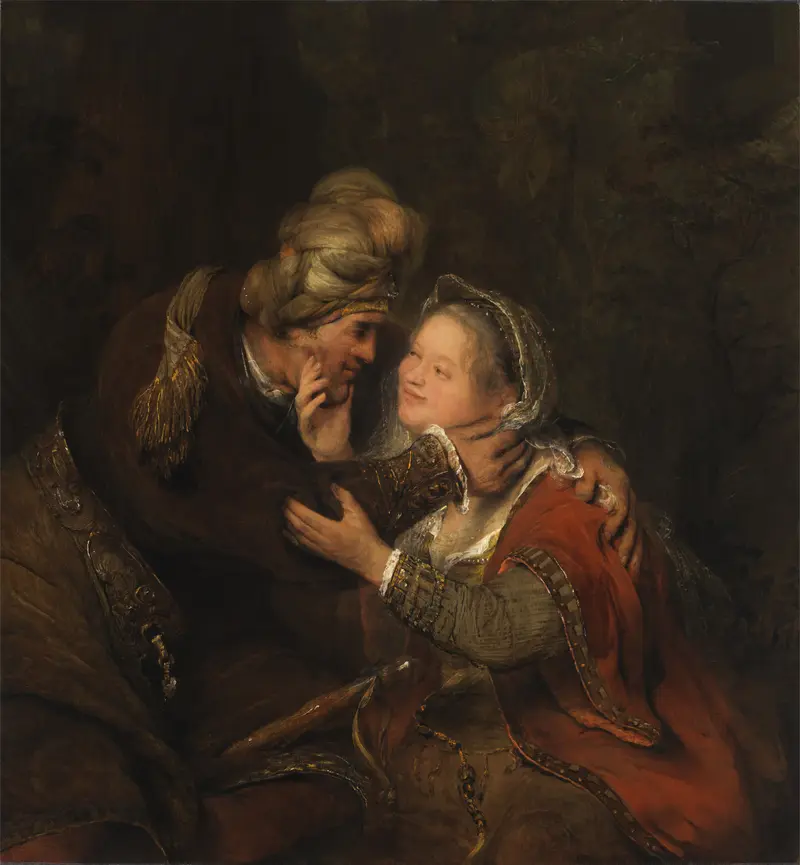
Judah and Tamar
Aert de Gelder
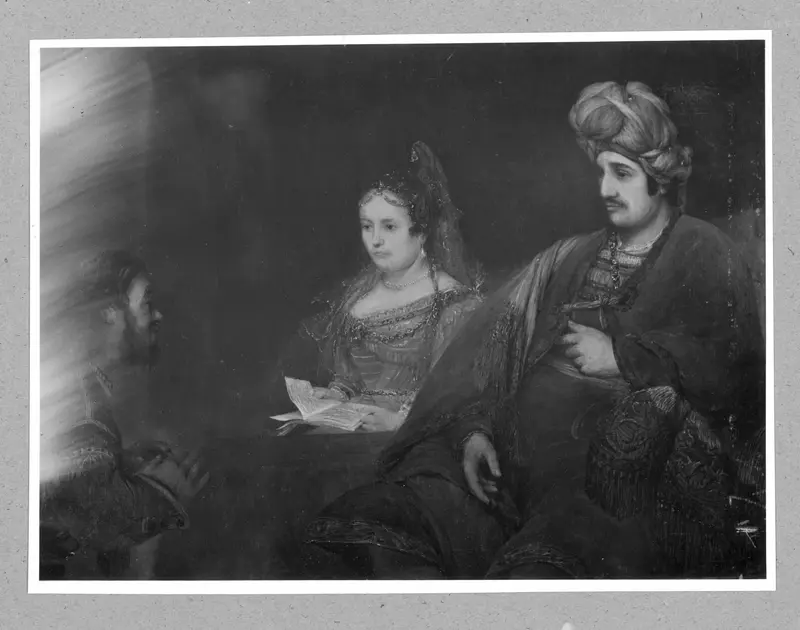
Hamas before Ahasver
Aert de Gelder
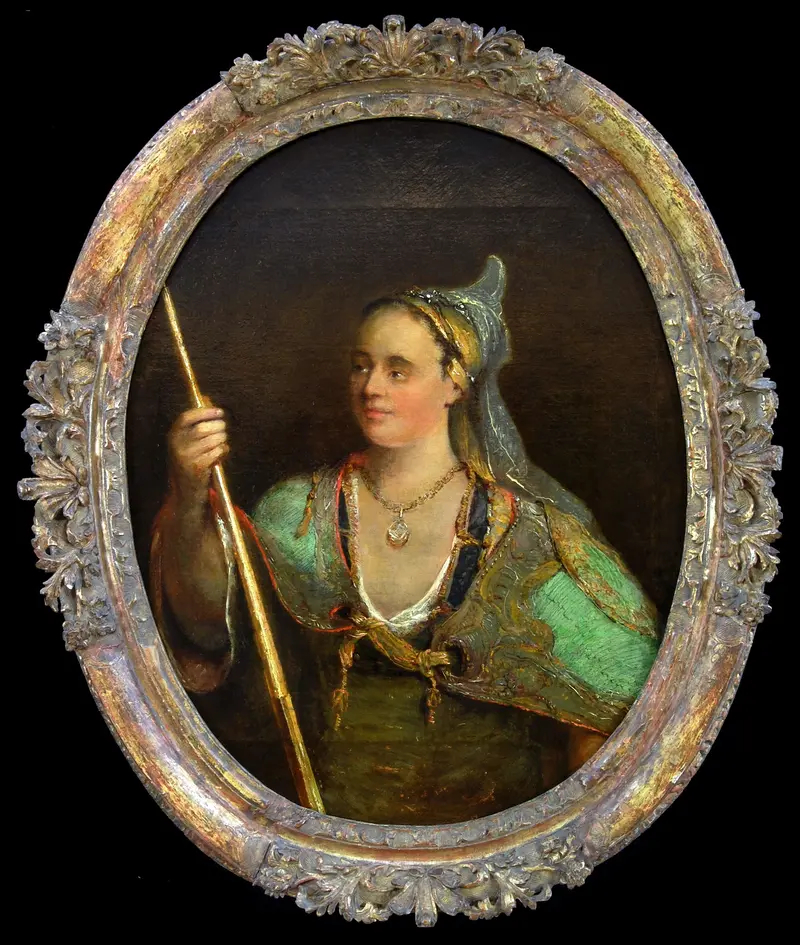
A female allegorical figure
Aert de Gelder
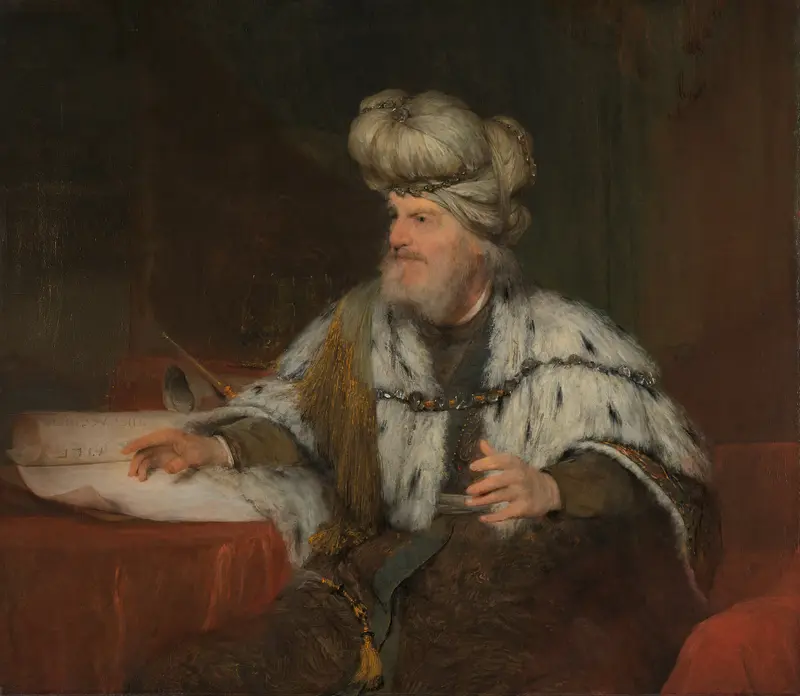
King David
Aert de Gelder
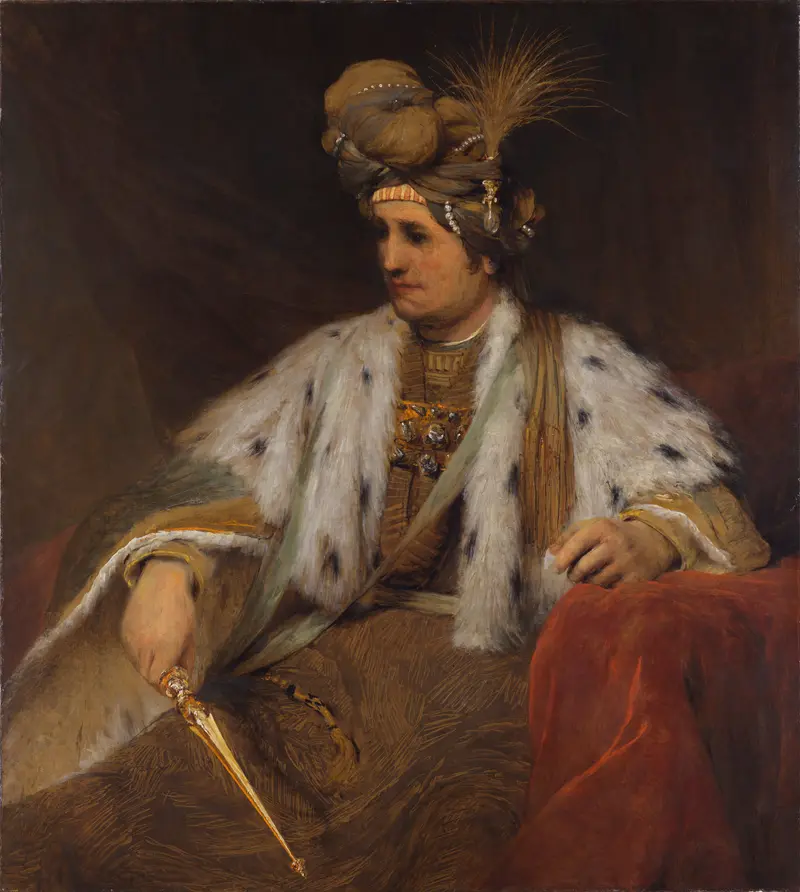
Old Testament Figure, Probably King Solomon
Aert de Gelder





