
Louveciennes in the Snow — History & Facts
The hush of a winter morning settles over Louveciennes in the Snow, drawing the viewer into a world where the air itself seems to muffle every sound. Your eye is led down a narrow, snow-dusted path, flanked by low hedges and scattered logs, toward a pair of distant figures. The sky dominates, rendered in soft, swirling strokes that suggest a cold, heavy stillness.
The houses and trees, their forms softened by the snow, anchor the composition and hint at quiet domestic life persisting despite the chill. Sisley’s palette—muted whites, ochres, and gentle greens—creates a mood of calm, but there is also a sense of anticipation, as if the day is just beginning to unfold. Painted in 1872, this work belongs to the world of early Impressionism, a movement that sought to capture fleeting effects of light and atmosphere rather than grand historical narratives. Artists like Sisley, often working outdoors, were fascinated by the changing seasons and the subtle drama of everyday landscapes.
Louveciennes, a village west of Paris, was a favorite haunt for painters drawn to its tranquil charm and proximity to the city. While little is recorded about the specific journey of this painting, its quiet lyricism and immediate brushwork place it firmly within the period’s search for new ways of seeing. Look again at the sky and the path—both invite you to linger, to imagine the cold on your skin and the silence underfoot.
More Artworks by Alfred Sisley
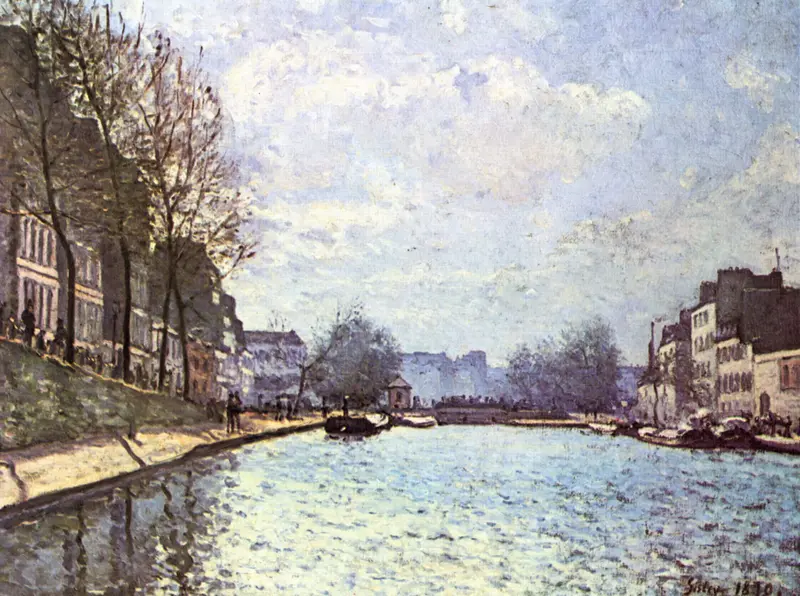
View of the Canal Saint-Martin
Alfred Sisley

Le Loing à Saint-Mammès
Alfred Sisley
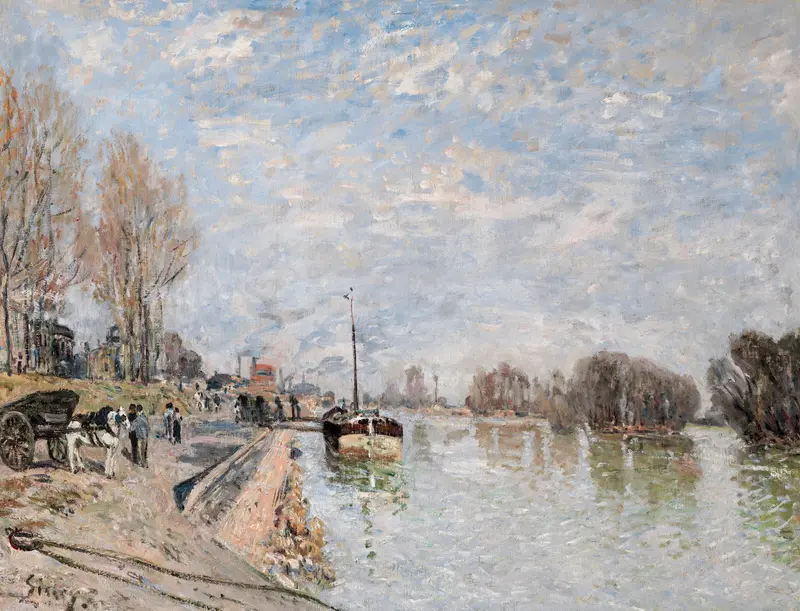
La Seine à Suresnes
Alfred Sisley
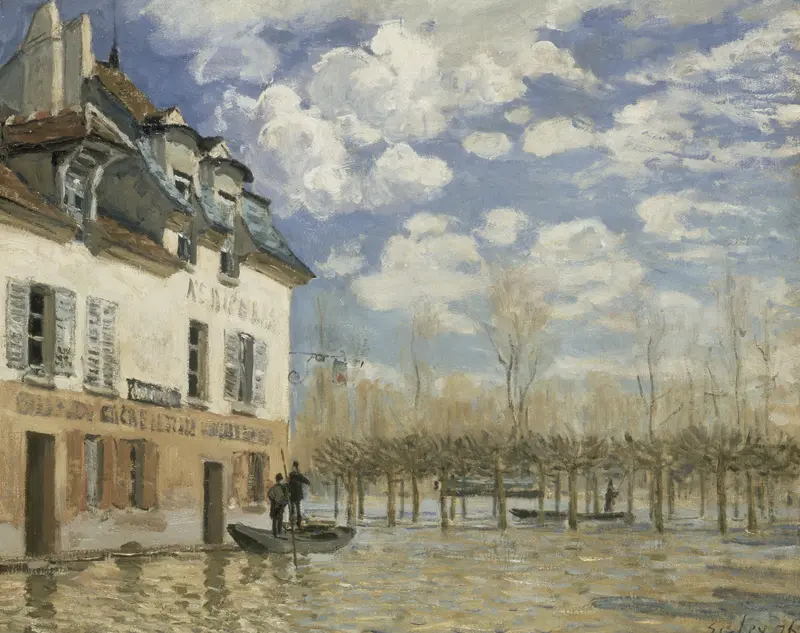
Boat in the Flood at Port Marly
Alfred Sisley
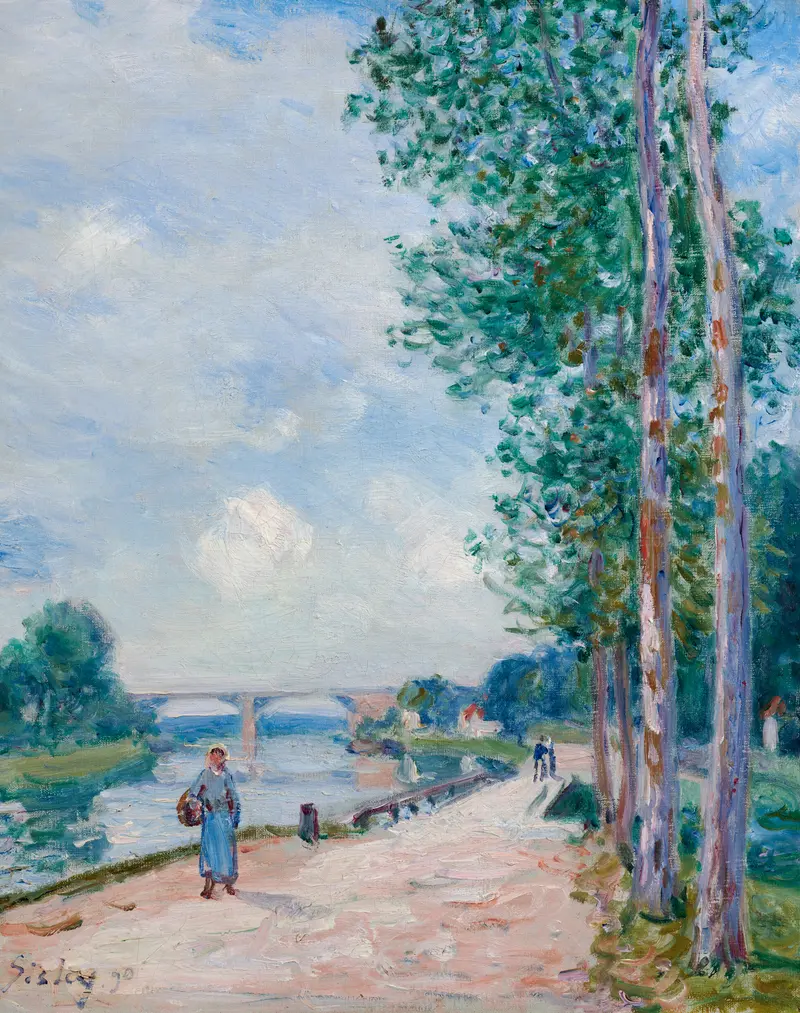
Les bords du Loing près de Moret
Alfred Sisley
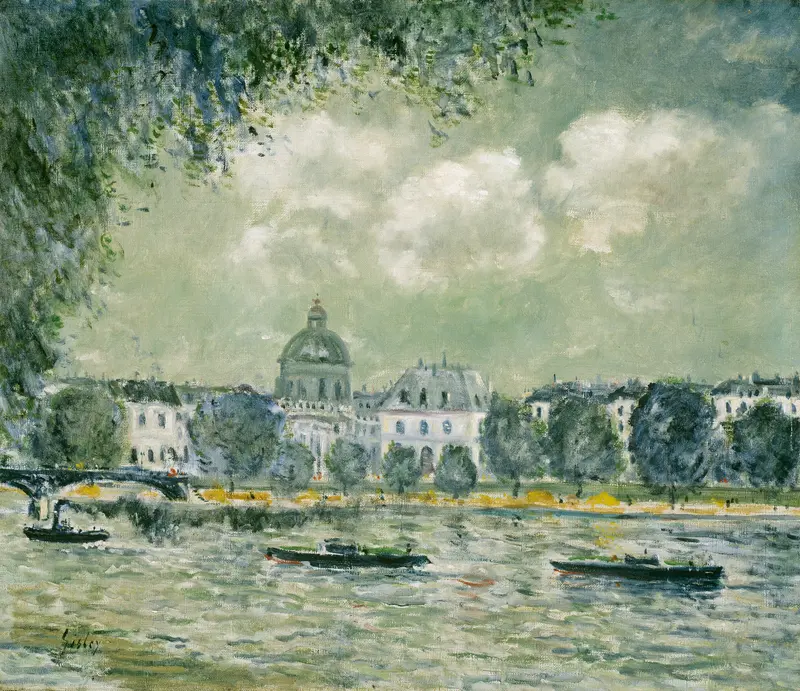
Landscape along the Seine with the Institut de France and the Pont des Arts
Alfred Sisley

Printemps au bord du Loing
Alfred Sisley
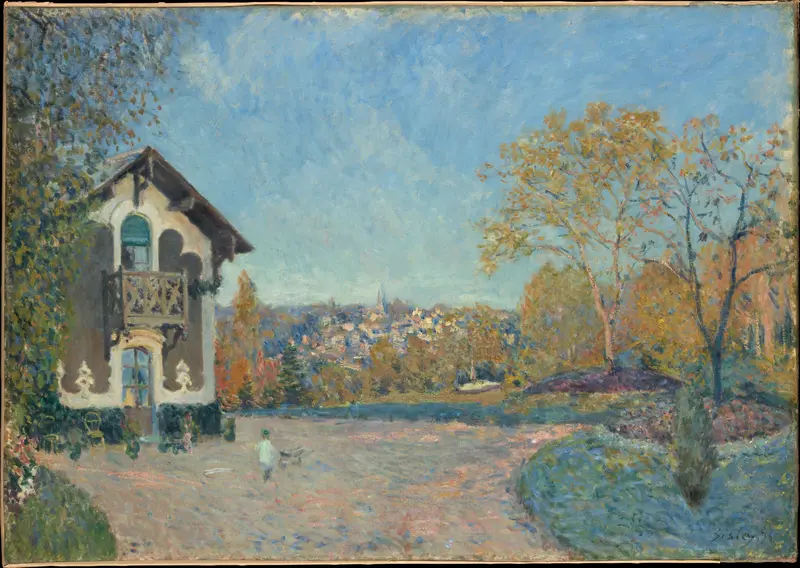
View of Marly-le-Roi from Coeur-Volant
Alfred Sisley
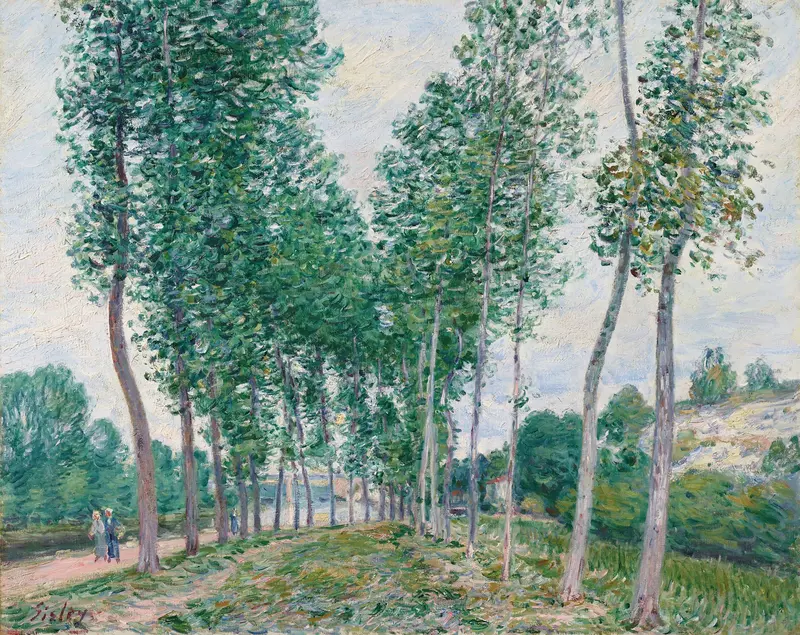
L’allée des peupliers au bord du Loing
Alfred Sisley
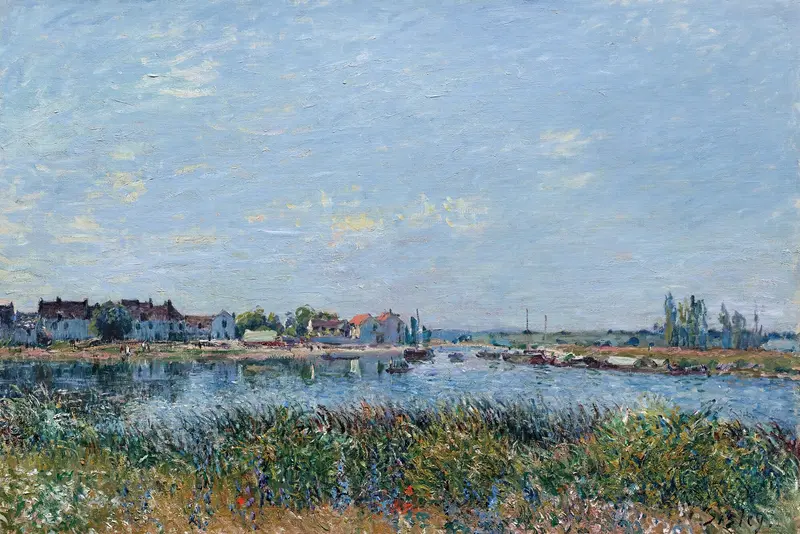
Saint-Mammès, Le Matin
Alfred Sisley
More Landscape Art

The Starry Night
Vincent van Gogh

View of Delft
Johannes Vermeer

Water Lilies
Claude Monet

The Grand Canal, Venice, looking north-west from the Ca' Corner to the Ca' Contarini degli Scrigni, with the campanile of Santa Maria della Carità
Canaletto

Windsor Castle
Canaletto

The Grand Canal looking North-East from the Palazzo Dolfin-Manin to the Rialto Bridge
Canaletto