
Low Church Devotion — History & Facts
A single, unwavering shaft of light pours down from the rafters, catching a man mid-speech as he stands atop a table, hands pressed to his chest, his gaze lifted just above the heads of his listeners. The entire room seems to hold its breath: some faces are rapt, others furrowed in thought, a few lost in private prayer. This is not a church, but a humble wooden interior, its rough beams and stone floor anchoring the scene in the everyday.
The light does not just illuminate the speaker—it binds the group together, tracing a path from the open Bible at the left, across clasped hands and bowed heads, to the youngest child, half-asleep on his mother’s lap. Here, devotion is not distant or grand; it is lived, shared, and quietly urgent. Painted in 1852 by Adolph Tidemand, Low Church Devotion belongs to a moment when artists across Northern Europe turned their eyes to the lives of ordinary people, finding dignity and drama in the rituals of rural faith. Works like this were shaped by a world in flux: the rise of lay religious movements, new ideas about personal piety, and the slow transformation of village life.
Such paintings were often commissioned or collected by those who saw in them a mirror of national character or moral strength. This particular work, now preserved in the digital collection of the Google Cultural Institute, is a rare survivor from an era when history has kept few traces of the countless gatherings it honors. Look again at the faces—each one a different answer to the question of what it means to believe.
More Artworks by Adolph Tidemand

Bridal Procession on the Hardangerfjord
Adolph Tidemand
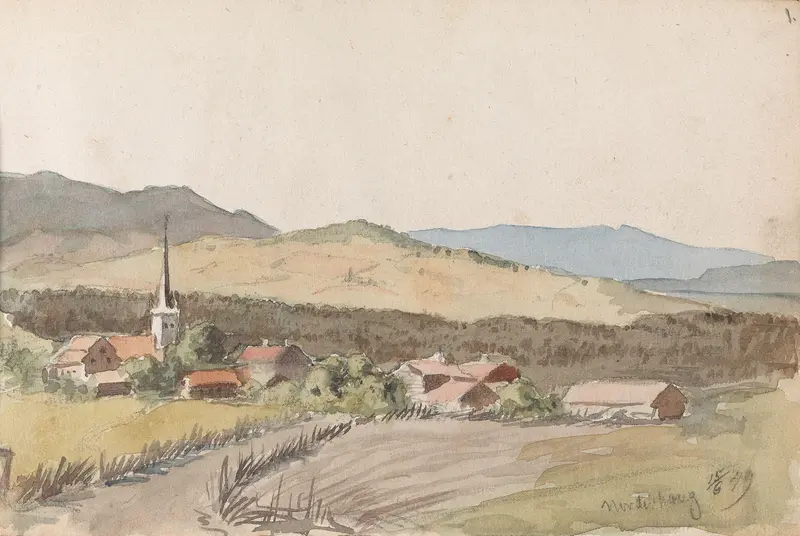
Fra Haugsbygd
Adolph Tidemand
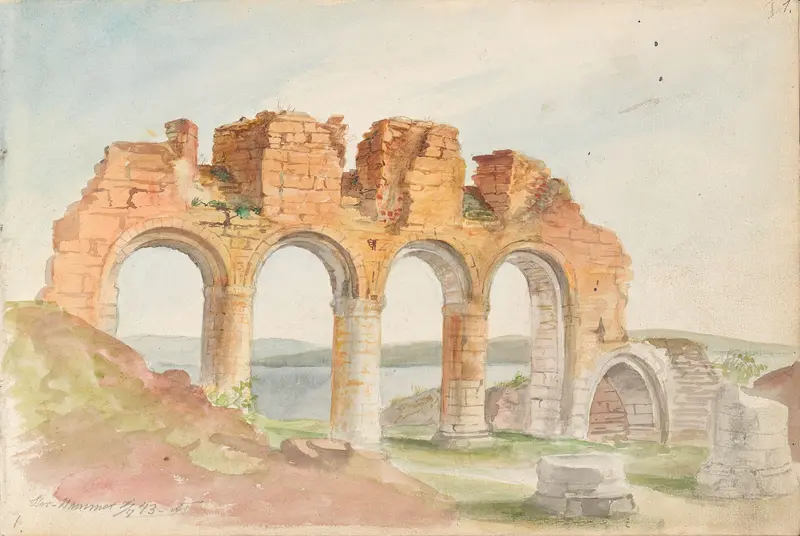
Domkirkeruinen, Hamar
Adolph Tidemand
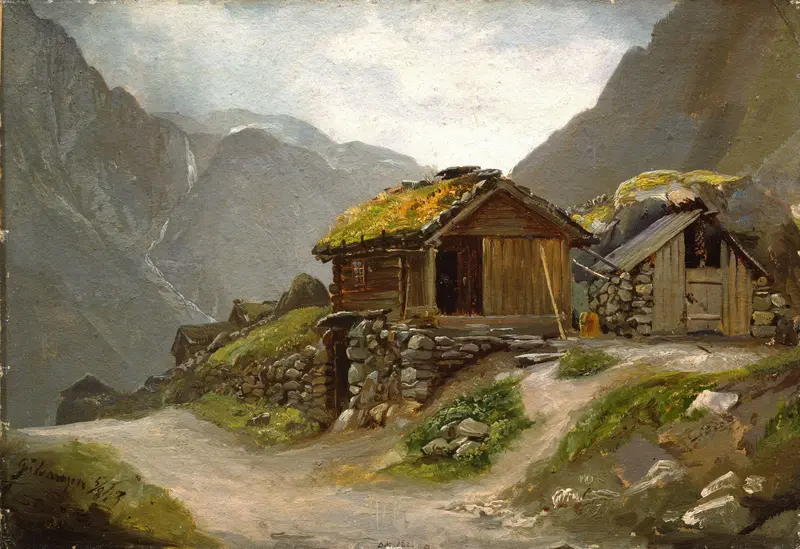
View from Gudvangen
Adolph Tidemand
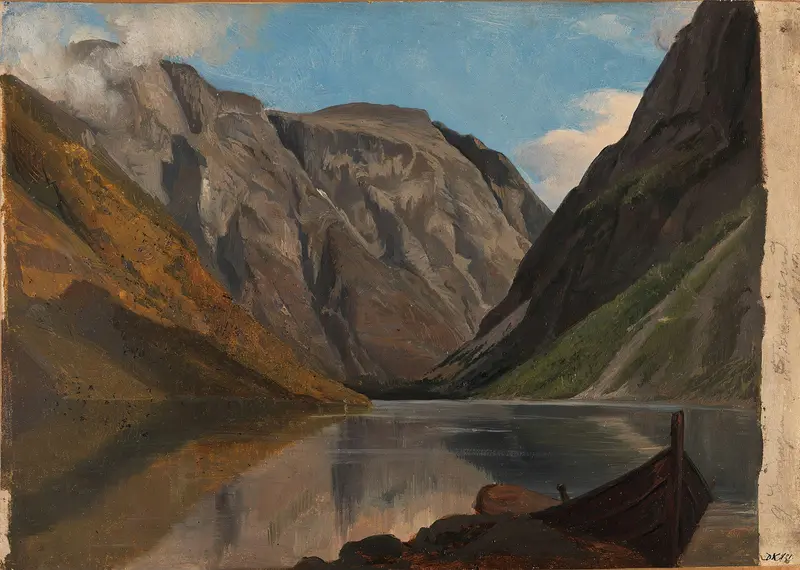
View of Gudvangen
Adolph Tidemand
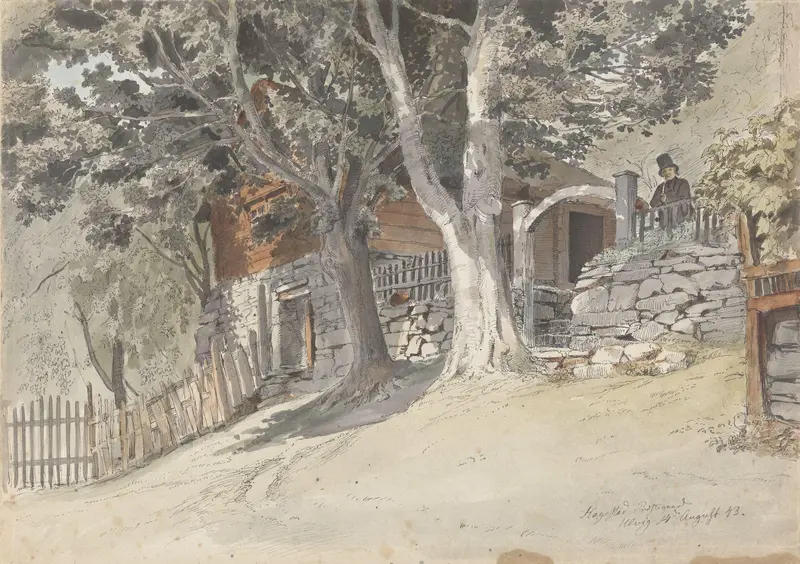
Hagestad prestegård, Ulvik i Hardanger
Adolph Tidemand
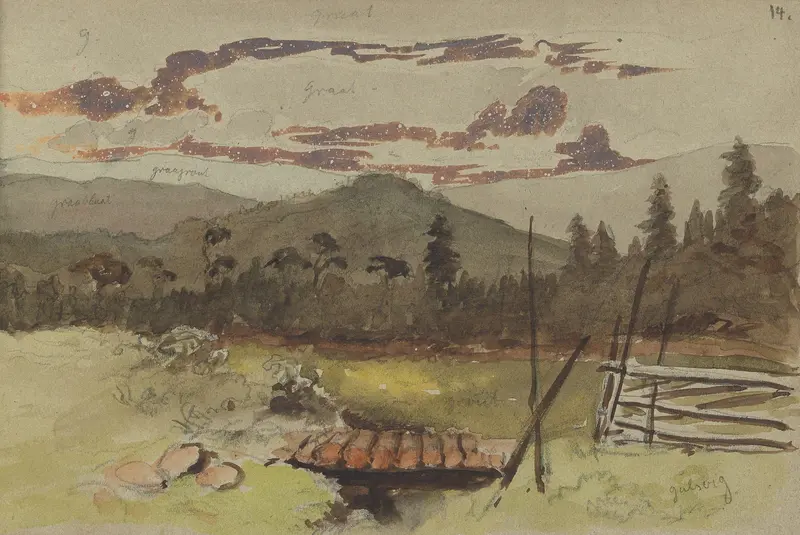
Fra Gulsvik
Adolph Tidemand
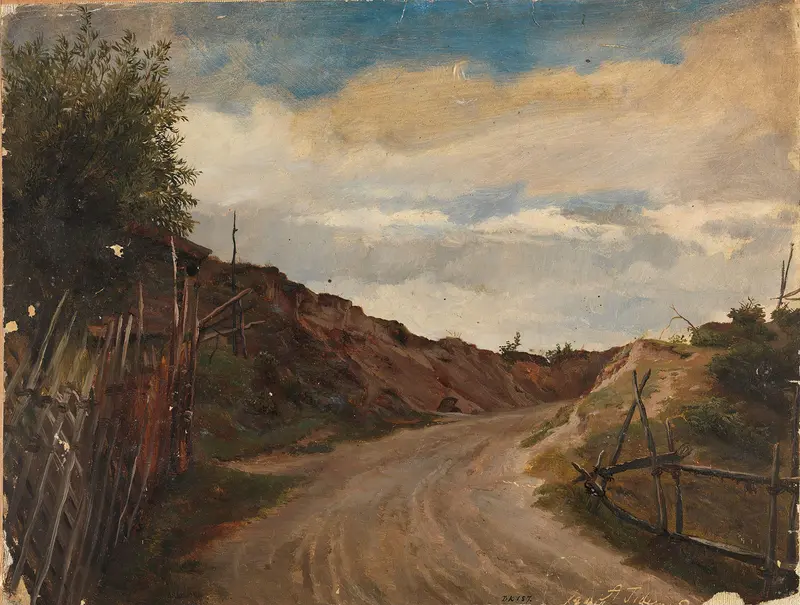
Country Road
Adolph Tidemand
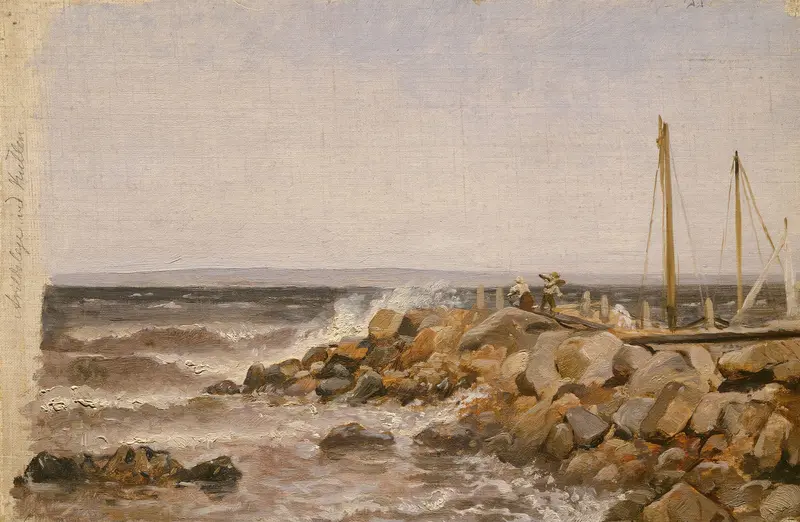
From Kullen in Sweden
Adolph Tidemand
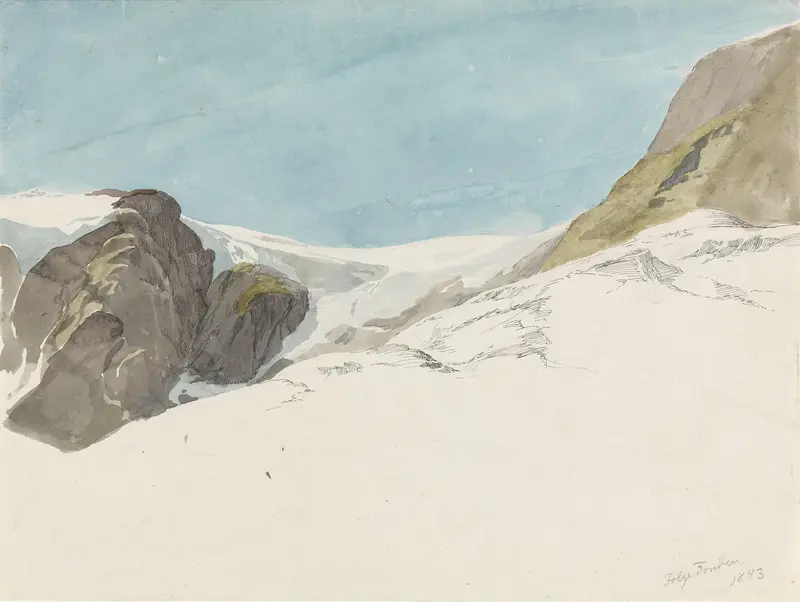
Untitled
Adolph Tidemand
More Genre Scene Art

Banquet of the Officers of the St George Civic Guard
Frans Hals

Rembrandt and Saskia in the Scene of the Prodigal Son
Rembrandt van Rijn

Bal du moulin de la Galette
Pierre-Auguste Renoir

Quadrille at the Moulin Rouge
Henri de Toulouse-Lautrec

A Burial at Ornans
Gustave Courbet

When Will You Marry?
Paul Gauguin