
Lucretia — History & Facts
What seizes the eye first in Lucretia by Lucas Cranach the Elder is the stark, almost unsettling directness of her gaze—her body turned, her head tilted, her eyes meeting the viewer with a mixture of vulnerability and resolve. The blade she clutches is not hidden or obscured; it is pressed deliberately to her skin, the sharpness echoed in the clarity of her pale flesh against the deep, enveloping darkness behind her. A necklace of gold and pearls circles her neck and shoulders, its elegance at odds with the violence of the act she is about to commit.
To the left, a window opens onto a distant, sunlit landscape, a world removed from the intimate tragedy unfolding in the foreground. The contrast between the luminous, detailed vista and the claustrophobic blackness that surrounds Lucretia intensifies her isolation, heightening the emotional charge of the scene. Works like this, painted in 1530, belong to a world in flux—one where stories from antiquity were revived not just for moral instruction but as vehicles for exploring the complexities of human emotion and virtue. In the courts of Renaissance Germany, images of heroines such as Lucretia were cherished for their blend of sensuality and stoic virtue, often commissioned by noble patrons who saw in these tales a mirror for their own ideals and anxieties.
Lucas Cranach the Elder was renowned for his ability to distill such moments into haunting, memorable icons, his figures poised between vulnerability and strength. The painting’s journey is largely unrecorded, its current home in a private collection rather than a famous museum, but its story is one that echoes through centuries—inviting us to linger, to question, and to look again at the face of courage and despair.
More Artworks by Lucas Cranach the Elder

Martin Luther
Lucas Cranach the Elder
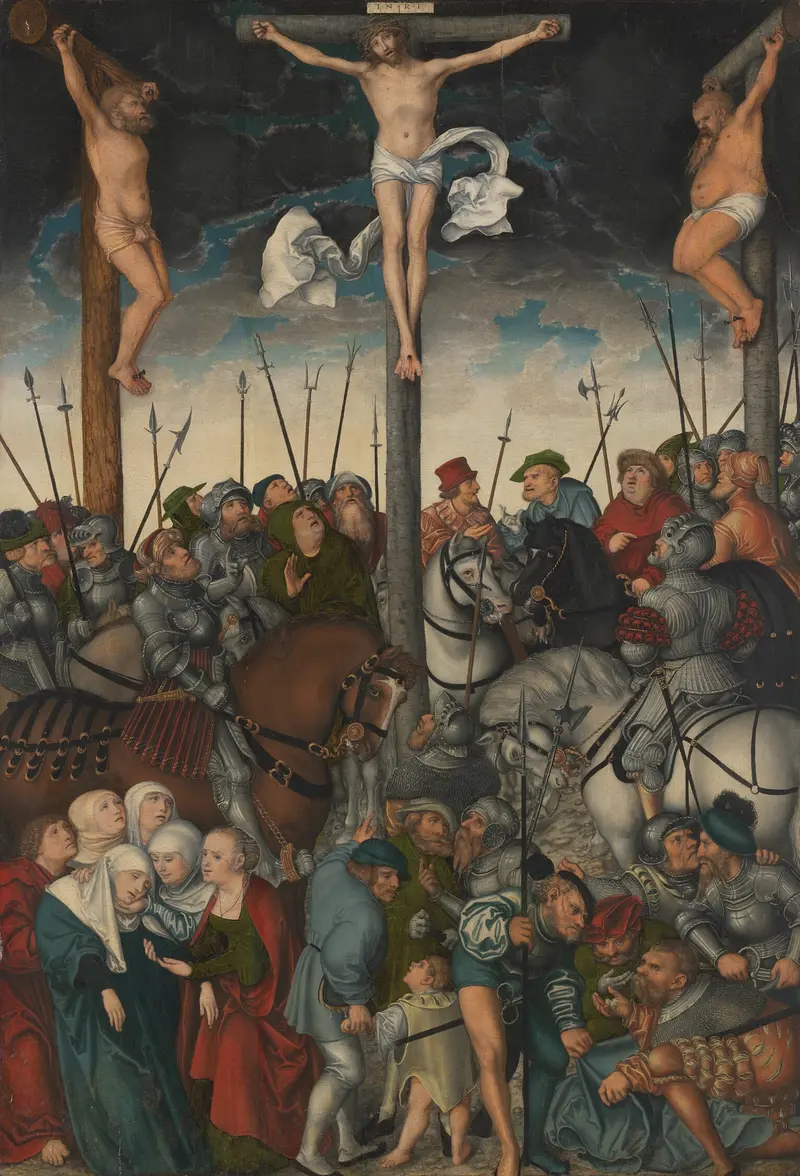
The Crucifixion
Lucas Cranach the Elder
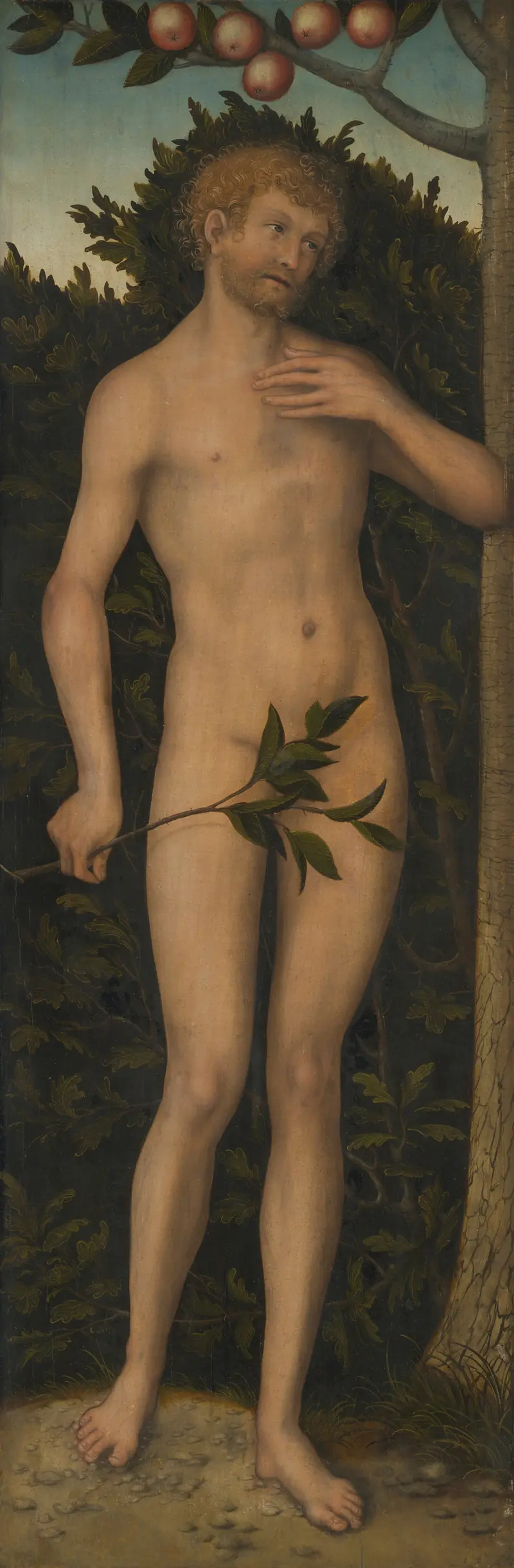
Adam
Lucas Cranach the Elder
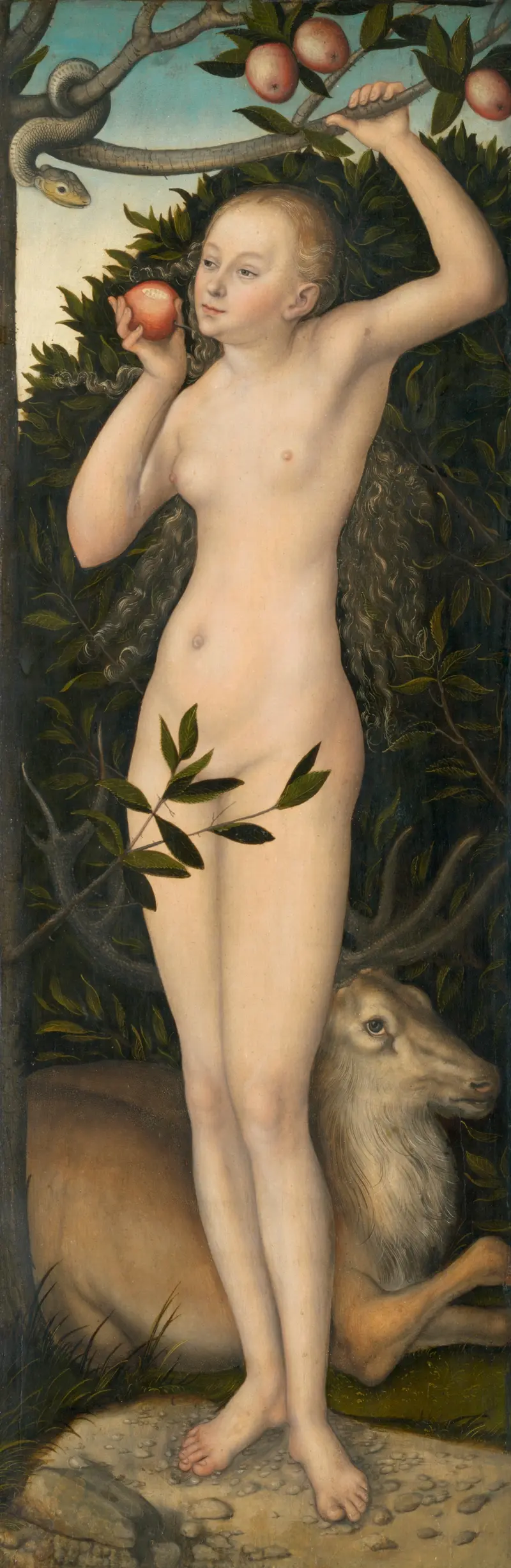
Eve
Lucas Cranach the Elder
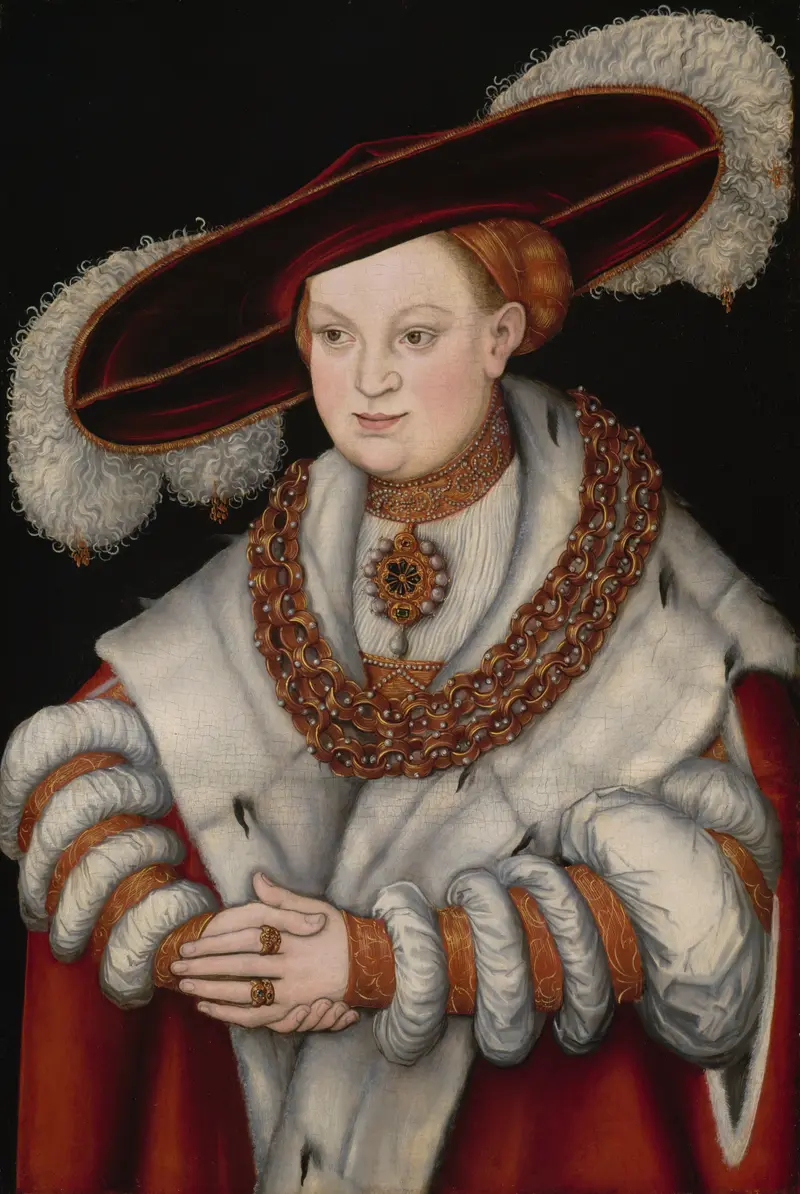
Portrait of Magdalena of Saxony, Wife of Elector Joachim II of Brandenburg
Lucas Cranach the Elder
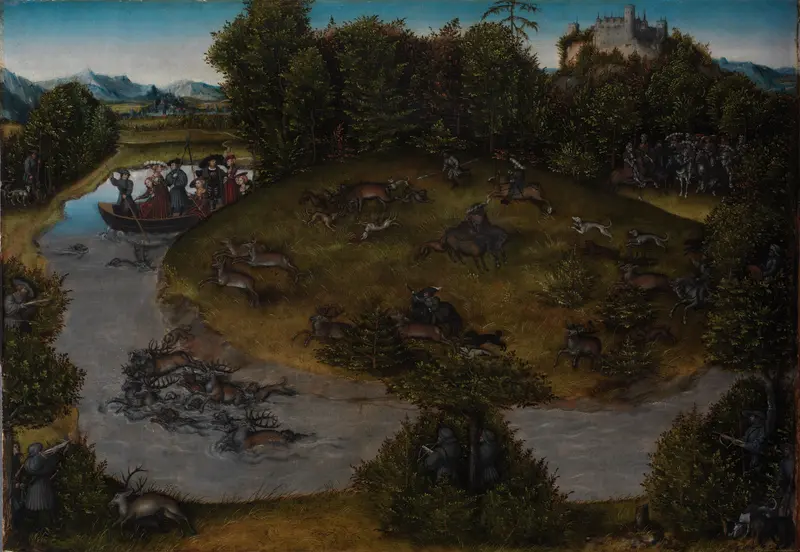
The Stag Hunt of the Elector Frederic the Wise (1463-1525) of Saxony
Lucas Cranach the Elder
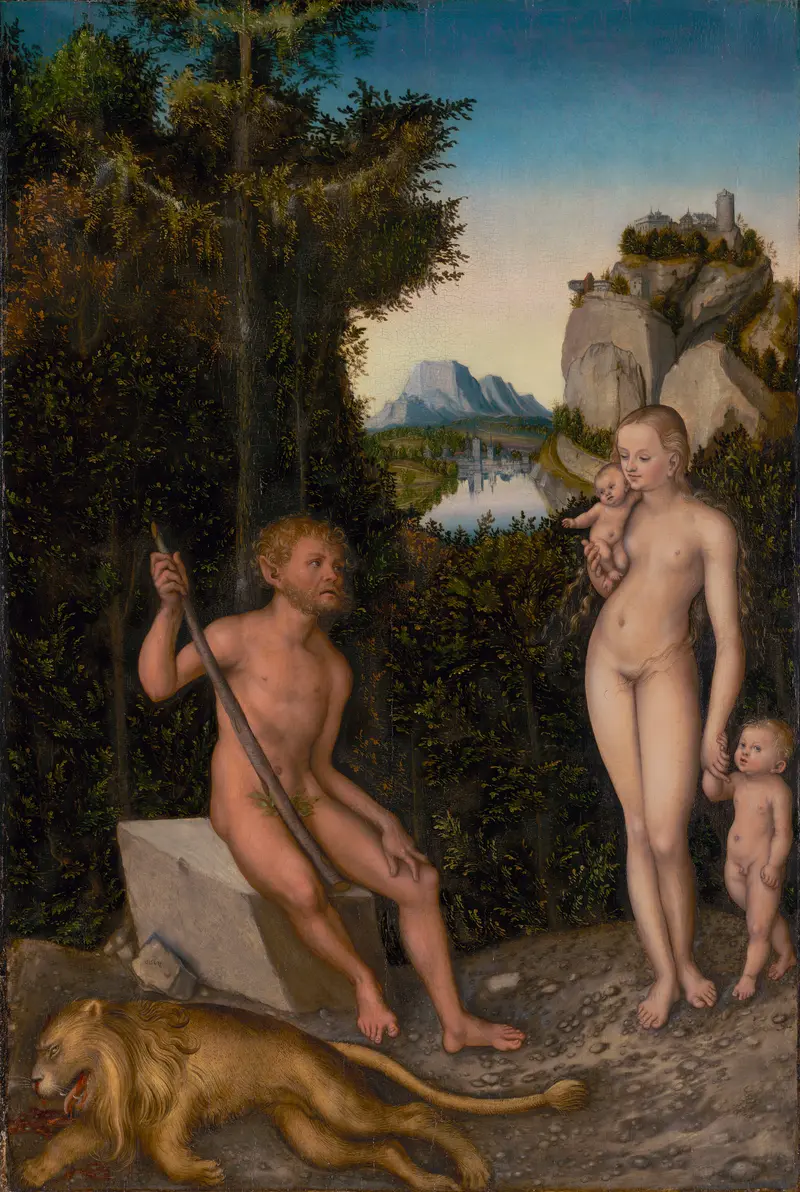
A Faun and His Family with a Slain Lion
Lucas Cranach the Elder
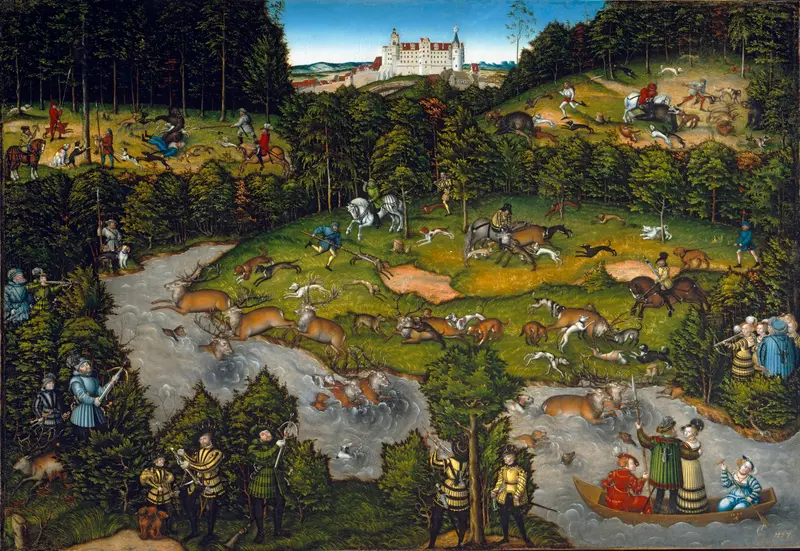
Hunting near Hartenfels Castle
Lucas Cranach the Elder
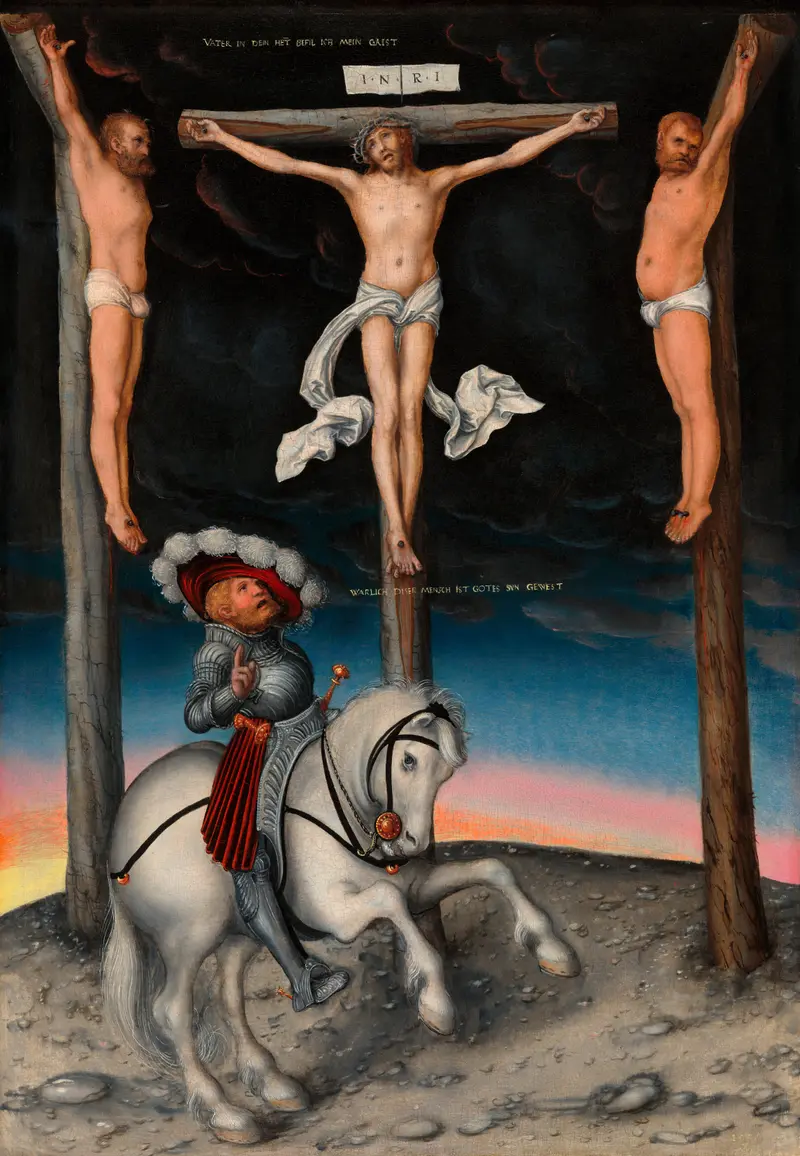
The Crucifixion with the Converted Centurion
Lucas Cranach the Elder
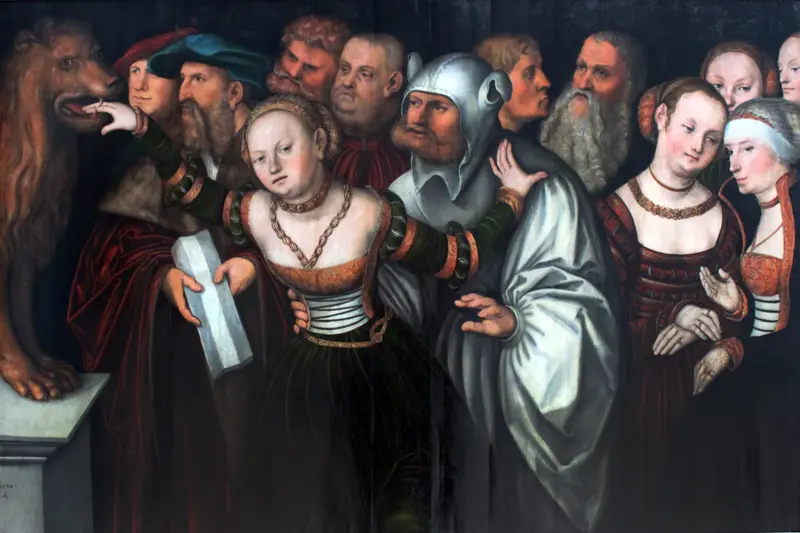
The Fable of the Mouth of Truth
Lucas Cranach the Elder





