
The Crucifixion with the Converted Centurion — History & Facts
A single shaft of light falls across the battered armor of a Roman centurion, his gaze lifted in awe as the world darkens around the crucified Christ. The Crucifixion with the Converted Centurion by Lucas Cranach the Elder seizes the moment of revelation: the instant when a hardened soldier, witness to execution, is struck by faith. The drama is not only in the suffering figure on the cross, but in the transformation unfolding below—a man’s face caught between terror and wonder, his hand pressed to his breast as if to steady a racing heart.
Cranach’s brush guides us to this conversion, making the centurion’s awakening as central as the sacrifice above. The painting’s crowded foreground bristles with soldiers, horses, and onlookers, their armor and banners rendered in crisp detail against a sky that churns with storm and sorrow. Cranach’s palette is somber but alive, the reds and golds of the uniforms standing out against the pallor of Christ’s body and the deepening gloom. The centurion’s posture—half-kneeling, shield lowered—signals humility and astonishment, a visual echo of the Gospel account.
Unlike the stark, isolated crucifixions of Matthias Grünewald or the cool geometry of Albrecht Dürer, Cranach fills his canvas with narrative: every gesture and glance builds the sense of a crowd caught in a moment that will divide history. The viewer is drawn into the press of bodies, invited to witness not just a death, but the birth of belief. Works like this, painted in 1536, were shaped by the upheavals of the Reformation, when images became battlegrounds for faith and doctrine. In the German lands of Cranach’s day, altarpieces and devotional paintings were commissioned by both traditional Catholic patrons and the new Protestant elite, each seeking to claim the story of Christ for their own.
Today, this painting resides in the National Gallery of Art in Washington, D.C., a testament to the journeys such objects have made across centuries and continents. Though the details of its early life remain obscure, its presence in a modern collection invites us to stand, like the centurion, at the foot of the cross—caught between history and revelation.
More Artworks by Lucas Cranach the Elder

Martin Luther
Lucas Cranach the Elder
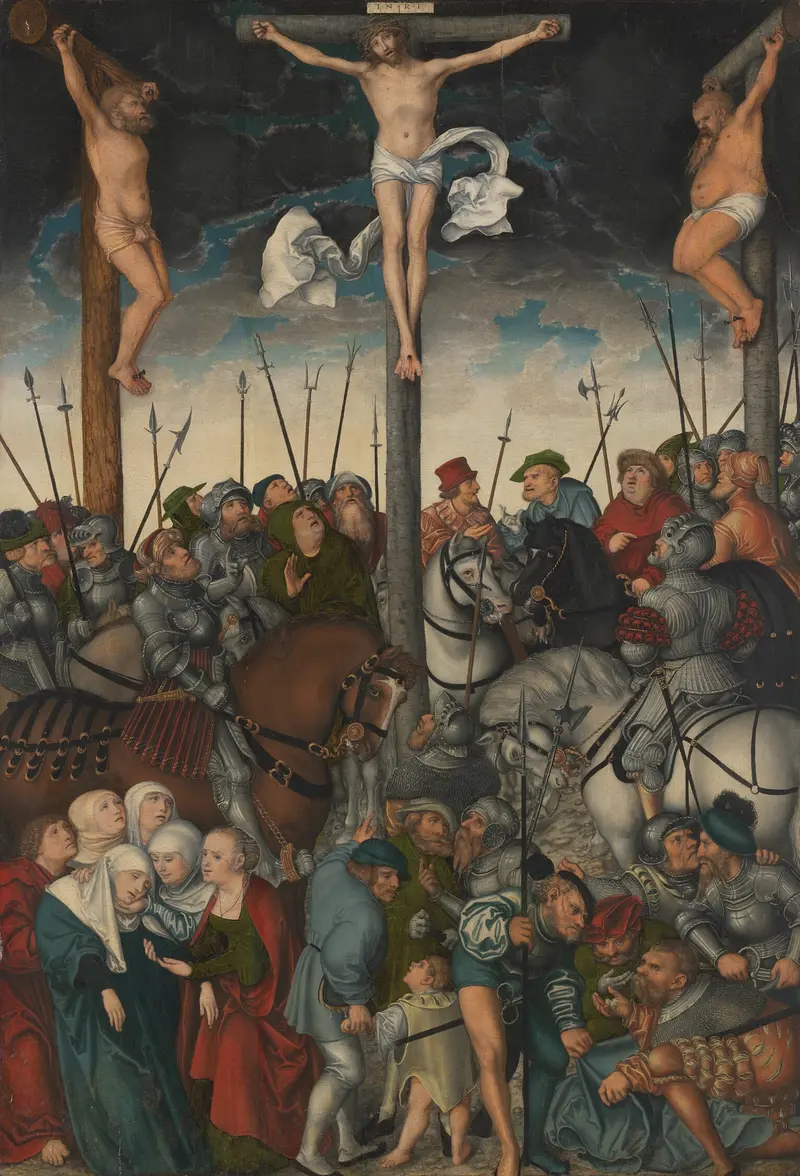
The Crucifixion
Lucas Cranach the Elder
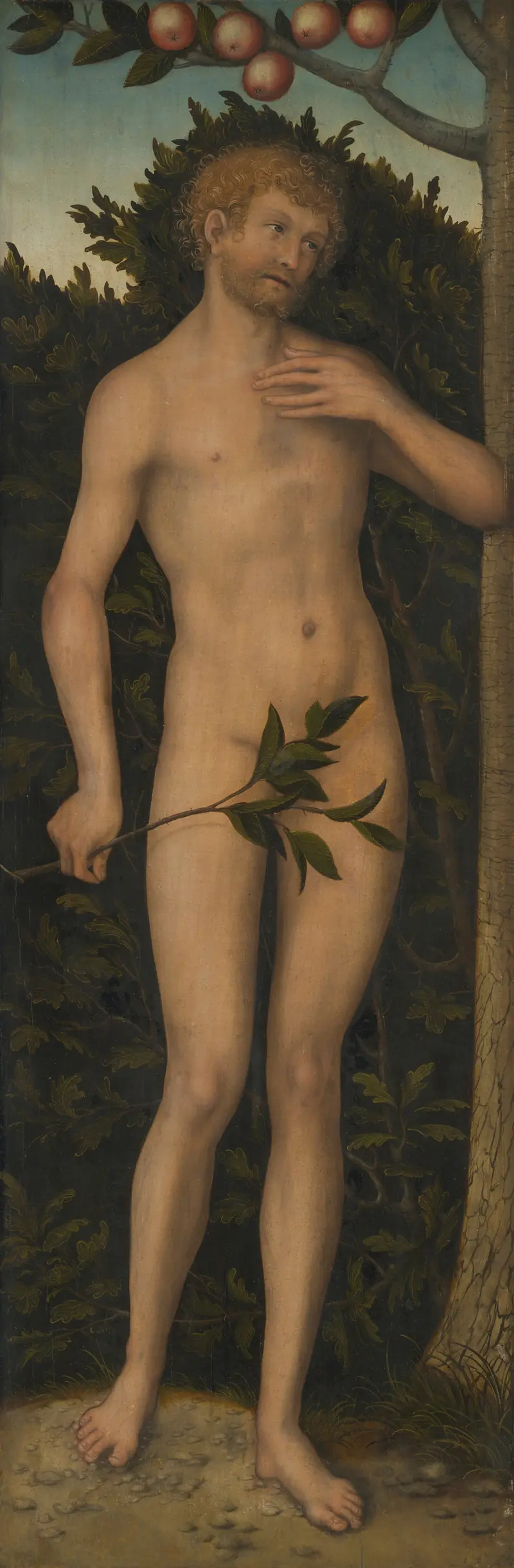
Adam
Lucas Cranach the Elder
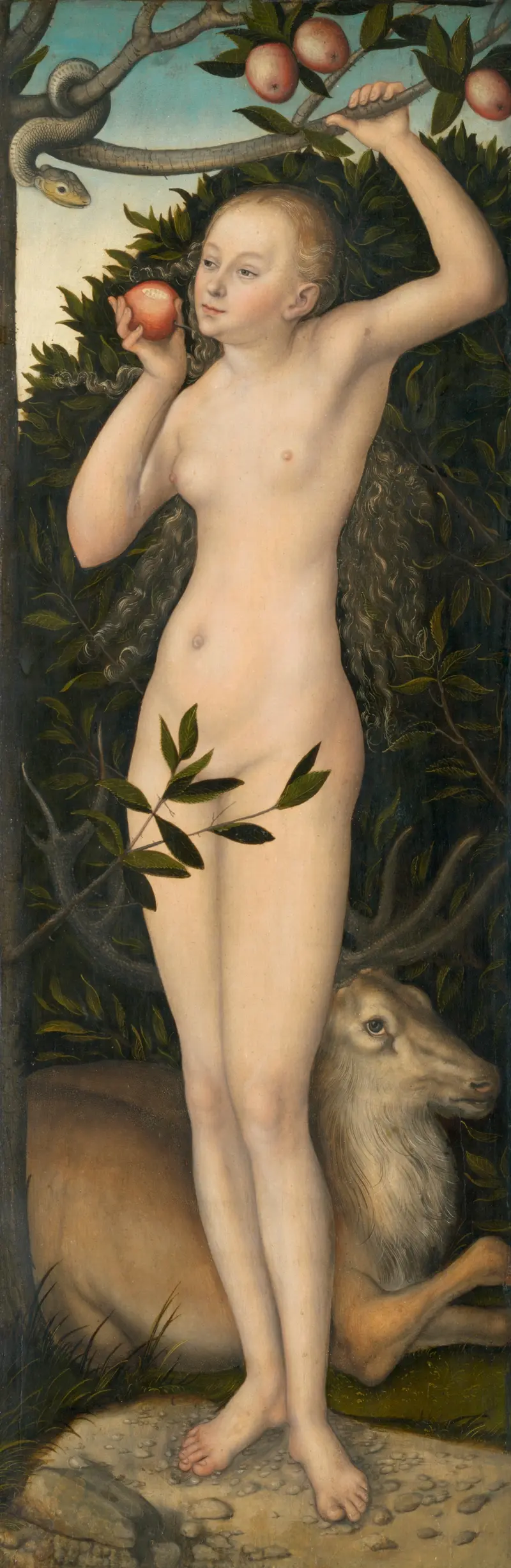
Eve
Lucas Cranach the Elder
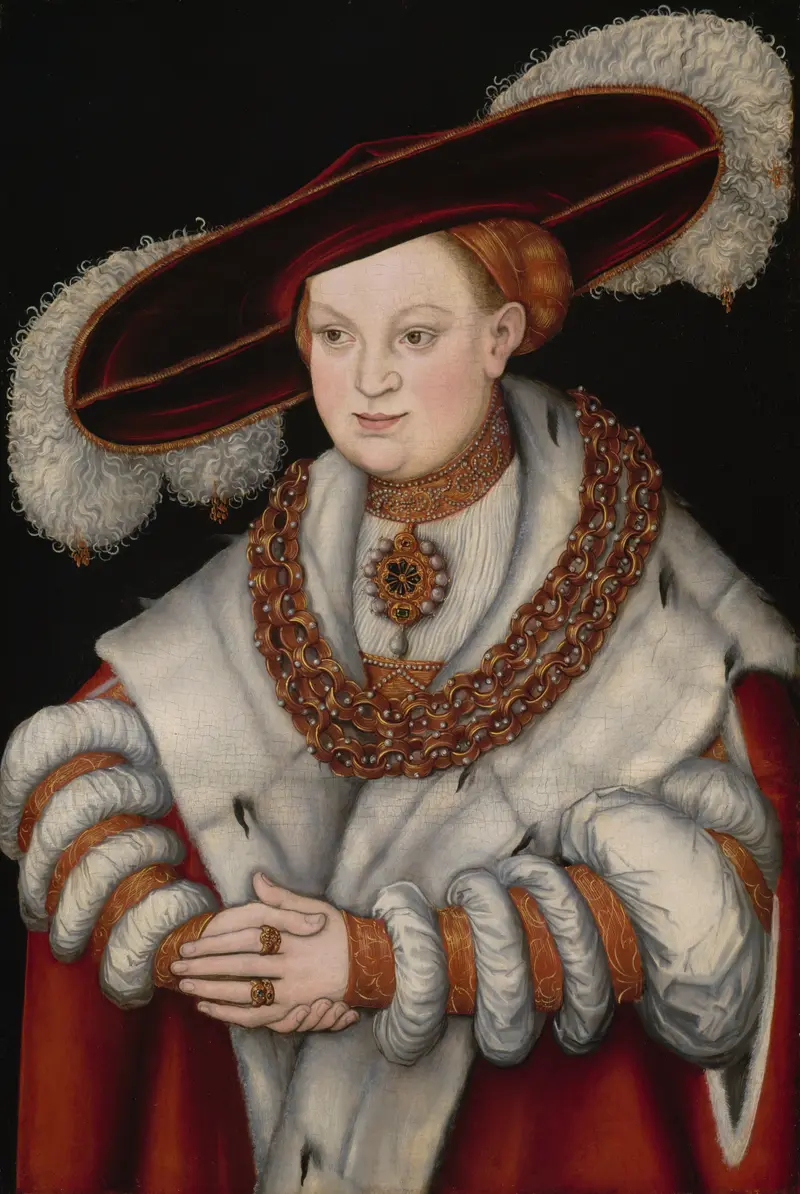
Portrait of Magdalena of Saxony, Wife of Elector Joachim II of Brandenburg
Lucas Cranach the Elder
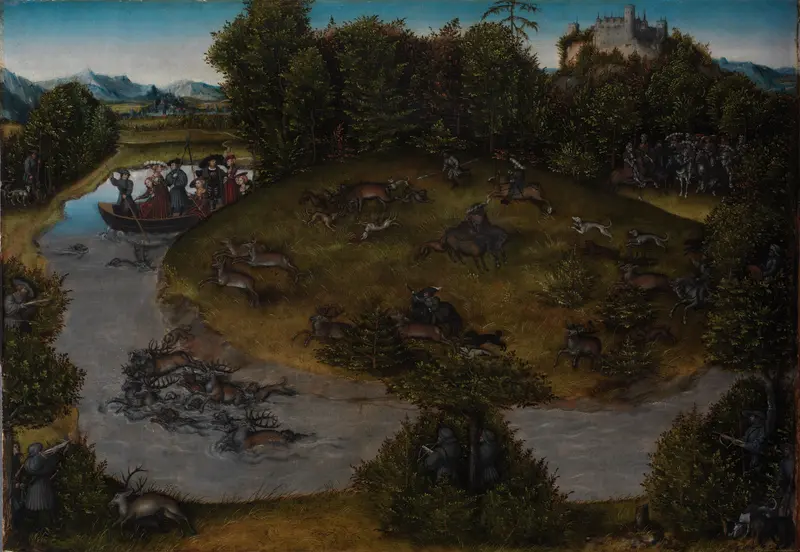
The Stag Hunt of the Elector Frederic the Wise (1463-1525) of Saxony
Lucas Cranach the Elder
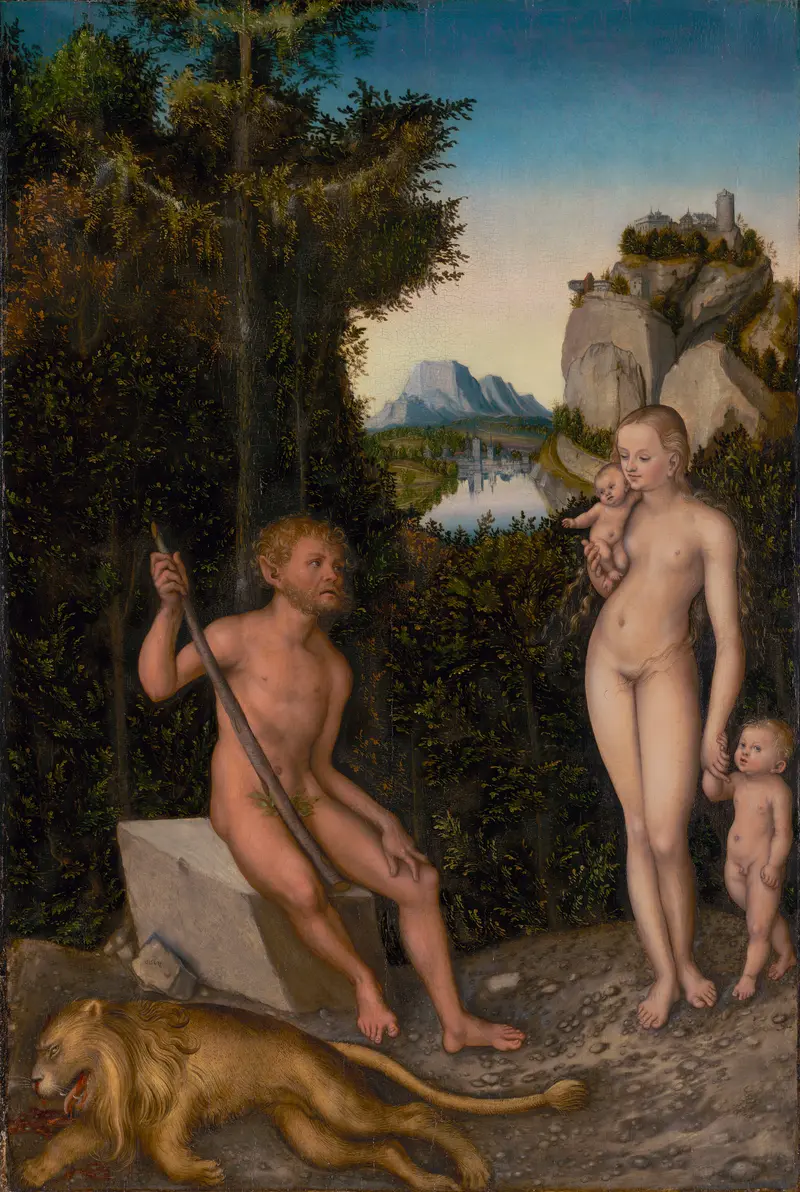
A Faun and His Family with a Slain Lion
Lucas Cranach the Elder
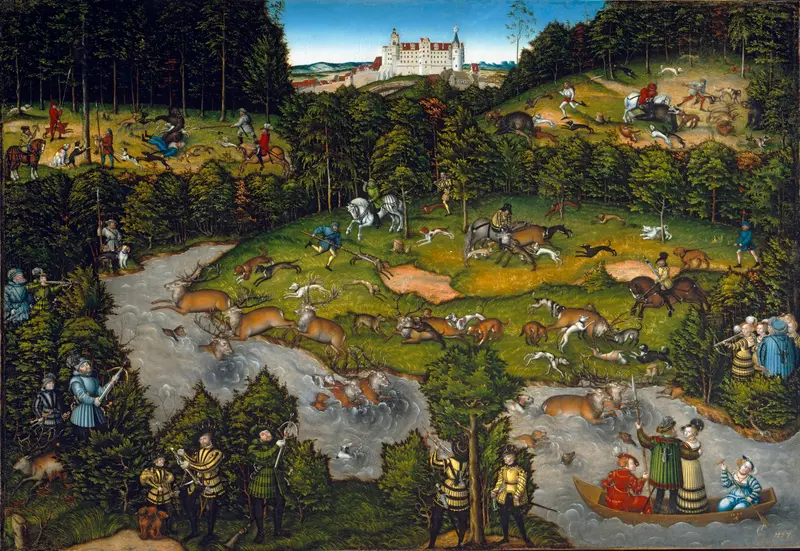
Hunting near Hartenfels Castle
Lucas Cranach the Elder
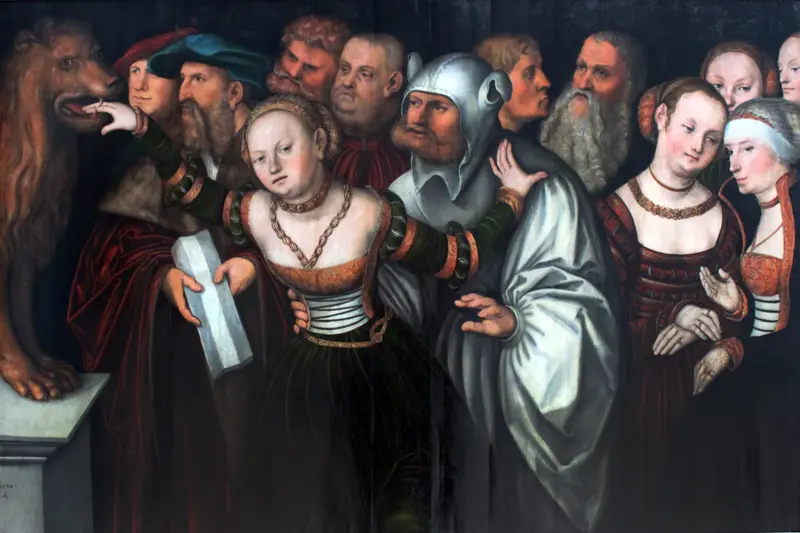
The Fable of the Mouth of Truth
Lucas Cranach the Elder
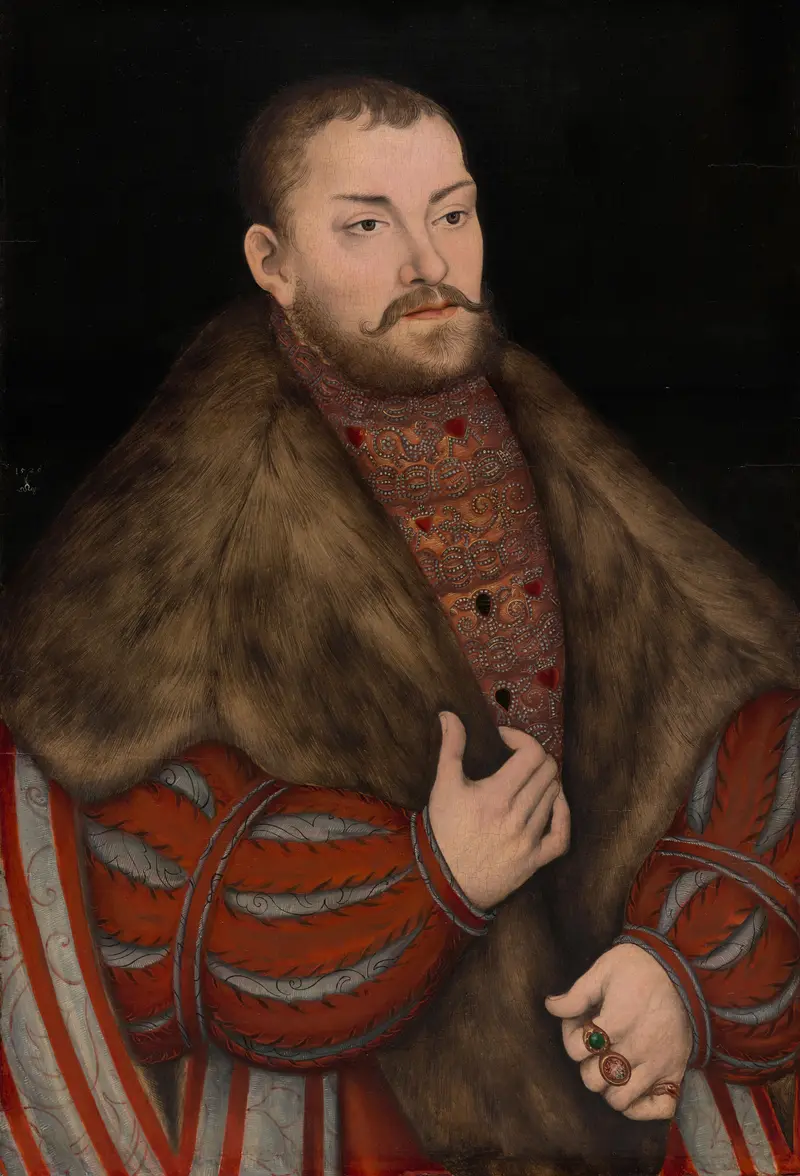
Portrait of Joachim II, Elector of Brandenburg
Lucas Cranach the Elder





