
Ludgate Hill, London — History & Facts
Time is a silent observer, ever-present yet elusive, marking the passage of moments in a way that only art can capture. Look to the center of the composition where the weathered buildings stand, their intricate facades softly illuminated by a muted, grayish light. Notice how the artist’s brushwork allows the details to emerge — the delicate strokes that depict windows, the subtle aging of the walls, and the cobblestone path winding through the scene. The muted palette evokes a sense of nostalgia, drawing the viewer's eye to the interplay of shadows and soft light that breathe life into a timeless cityscape. In this work, one can sense the tension between permanence and transience.
The solidity of the architecture contrasts with the fleeting presence of figures that are likely passing through, hinting at stories untold. The juxtaposition of dark clouds hovering above with the warm glow of the street below amplifies the emotional weight — a reminder of life’s unpredictability and the bittersweet nature of memory. Wilhelm Trübner painted this scene during a period marked by great change in the art world, likely in the late 19th century. As a key figure of the Impressionist movement in Germany, he sought to convey the essence of urban life within his landscapes.
This work emerges from a time when industrialization transformed cities, providing a backdrop for the artists who navigated their evolving environments, capturing moments that felt both familiar and transient.
More Artworks by Wilhelm Trübner
Browse all →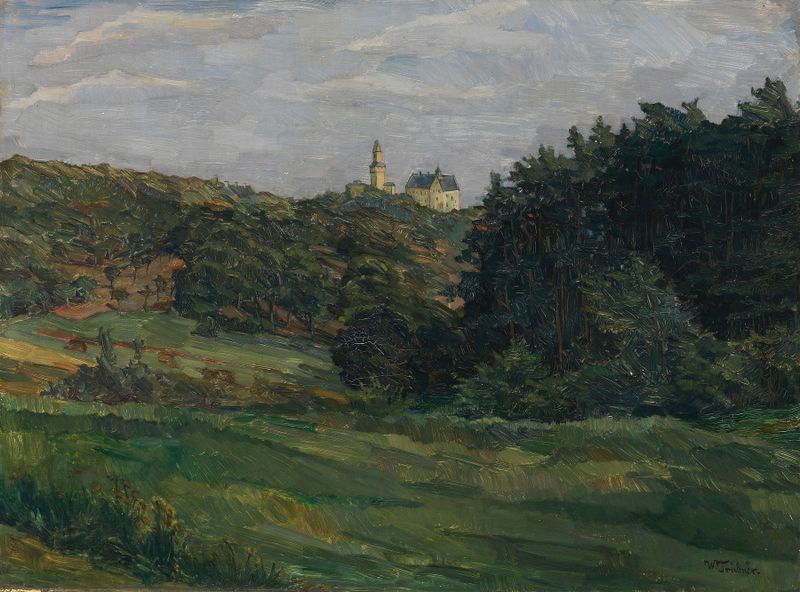
Burg Kronberg im Taunus
Wilhelm Trübner
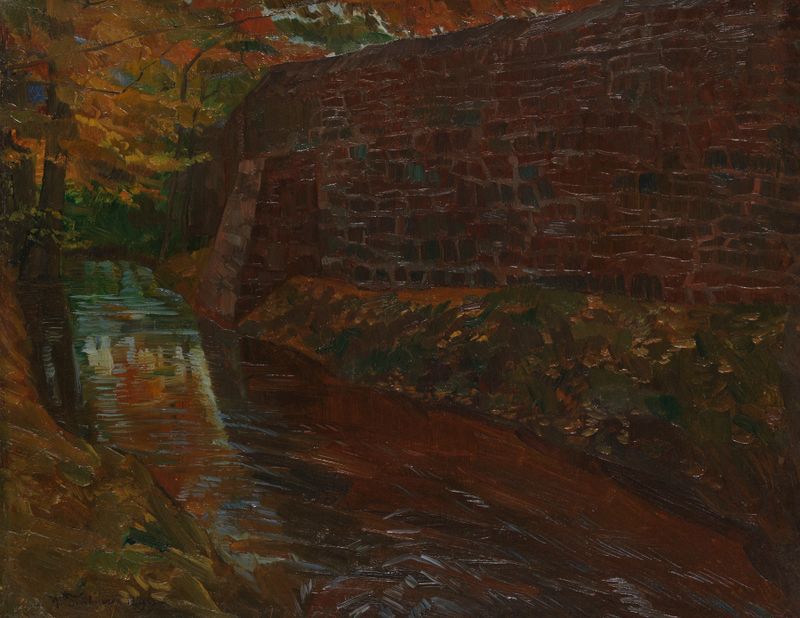
Parkmauer in Amorbach
Wilhelm Trübner

Garten einer Villa am Starnberger See
Wilhelm Trübner

A View of Frauenchiemsee
Wilhelm Trübner
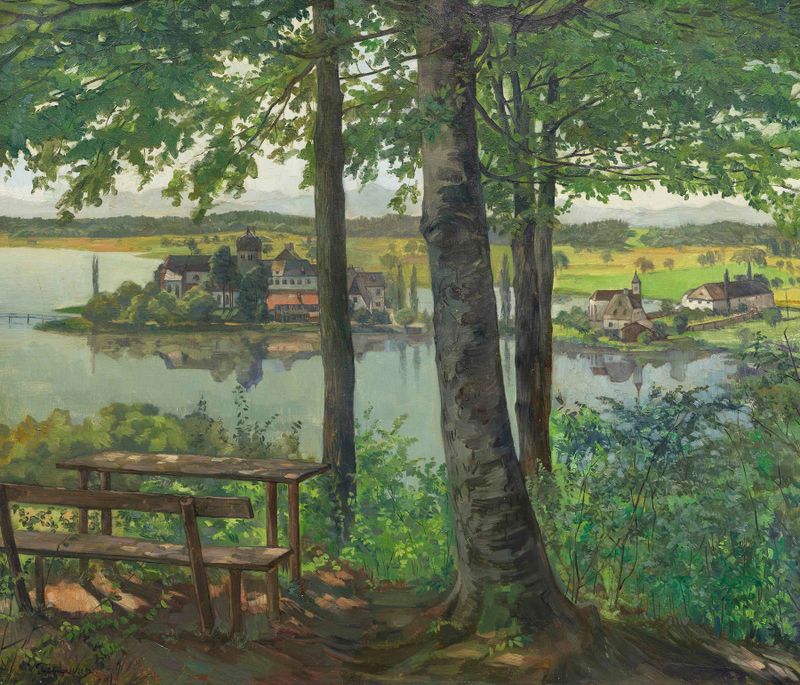
Aussicht auf Kloster Seeon
Wilhelm Trübner
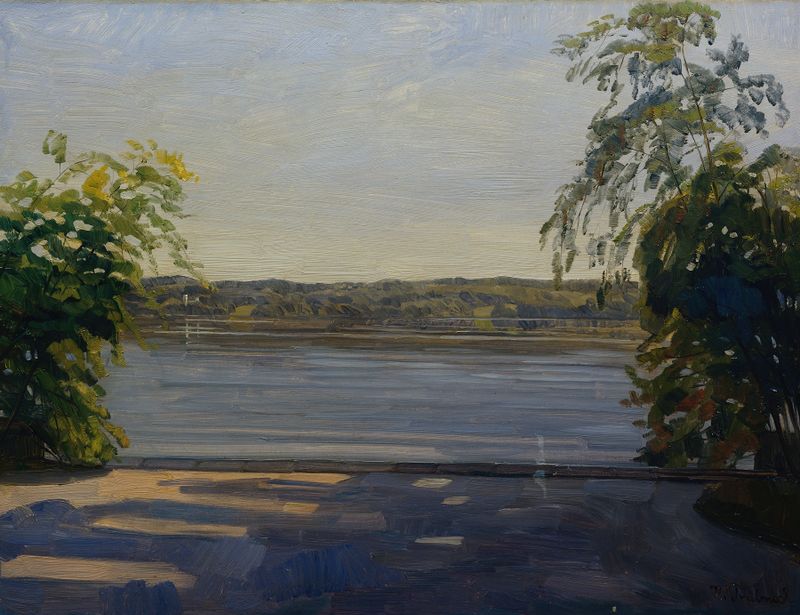
Starnberger See
Wilhelm Trübner
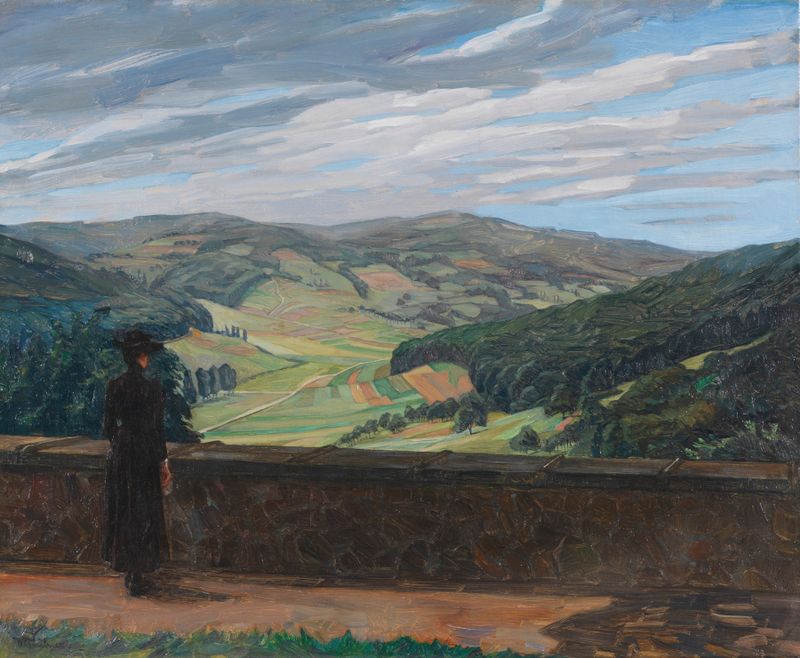
Blick in den Odenwald
Wilhelm Trübner
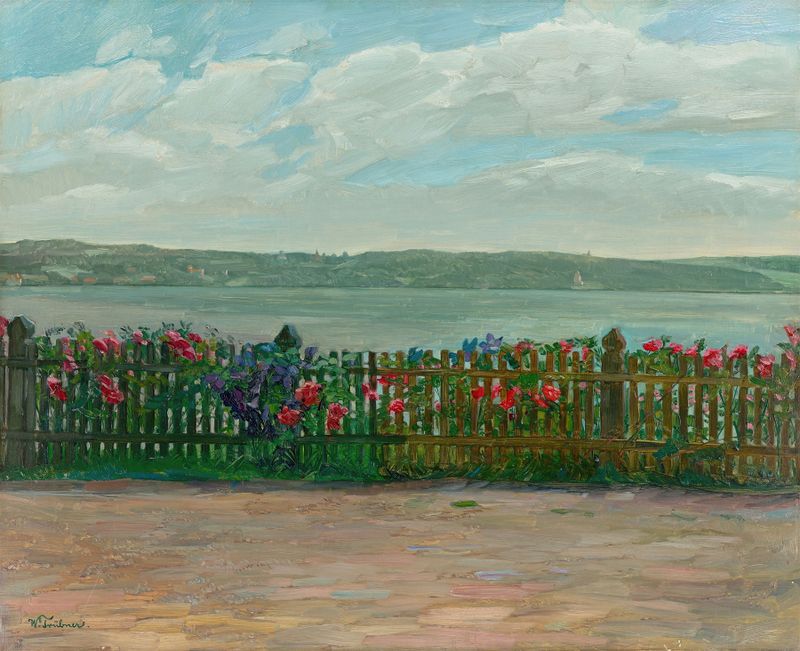
Rose fence with view of the Berg Castle at Lake Starnberg
Wilhelm Trübner
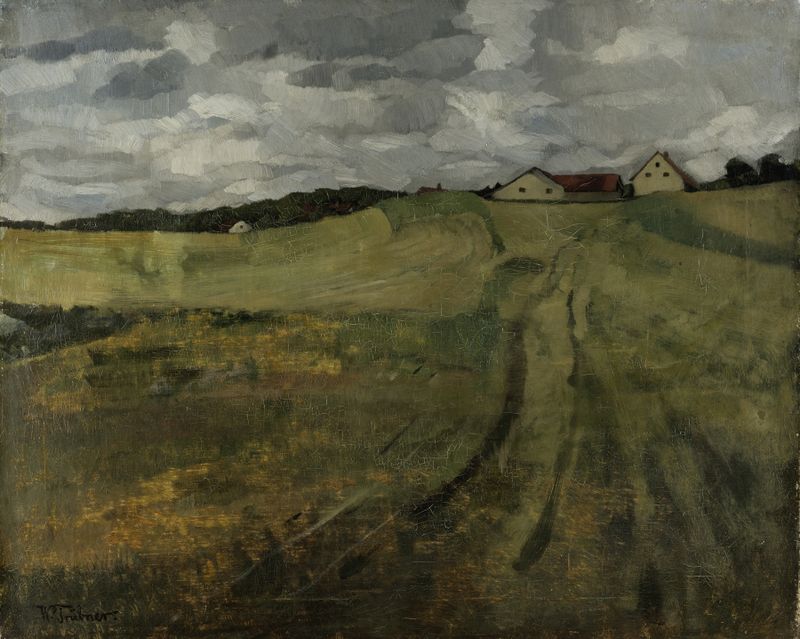
Stubble Field with Ascending Path near Wessling
Wilhelm Trübner
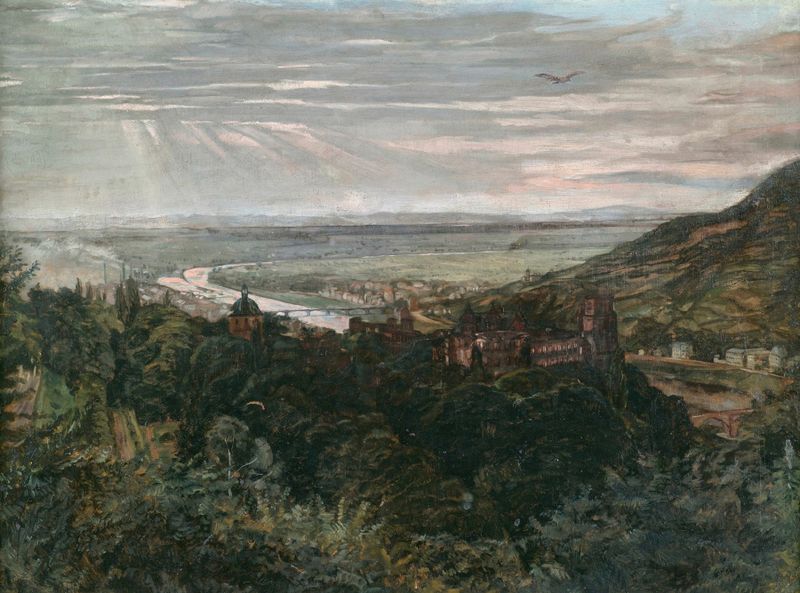
View of Heidelberg
Wilhelm Trübner
More Architecture Art
Browse all →
The statue of Liberty
Frédéric Auguste Bartholdi

View of Houses in Delft, Known as ‘The Little Street’
Johannes Vermeer

View of Houses in Delft, Known as ‘The Little Street’
Johannes Vermeer

The Cathedral in Rouen. The portal, Grey Weather
Claude Monet

The yellow house
Vincent van Gogh

The Church in Auvers-sur-Oise, View from the Chevet
Vincent van Gogh