
Lugano — History & Facts
In the rich tapestry of landscapes, divinity often emerges from the interplay of nature and artistic vision. Look to the left at the serene, tranquil waters that reflect an ethereal light, lapping gently against the shore. Notice how the soft blues and greens flow into one another, blending seamlessly to evoke a sense of calm. The distant mountains rise majestically, their peaks kissed by clouds, while the leaning trees draw your eye toward the horizon, inviting contemplation of life beyond the canvas.
Each brushstroke carries a deliberate weight, conveying not just the scene, but the emotions it stirs within the observer. Beneath the surface of this idyllic landscape lies a tension between tranquility and longing. The interplay of light and shadow symbolizes the duality of existence, reminding us that beauty often coexists with uncertainty. The delicate balance of colors hints at the divine, suggesting that nature is a bridge to something greater, a realm where the mundane meets the extraordinary.
The lush foliage and expansive sky invite us to ponder our place within this majestic world, raising questions about our own connections to divinity and existence. In 1837, the artist found himself amidst the picturesque hills of Lugano, as he navigated both personal challenges and a changing artistic landscape. Lear, primarily known for his limericks and illustrations, was exploring his passion for landscapes during this period, laying the groundwork for a career that would later embrace both whimsy and depth. The Romantic movement was flourishing around him, with artists seeking to capture the sublime beauty of nature as a reflection of their innermost thoughts and feelings.
More Artworks by Edward Lear
Browse all →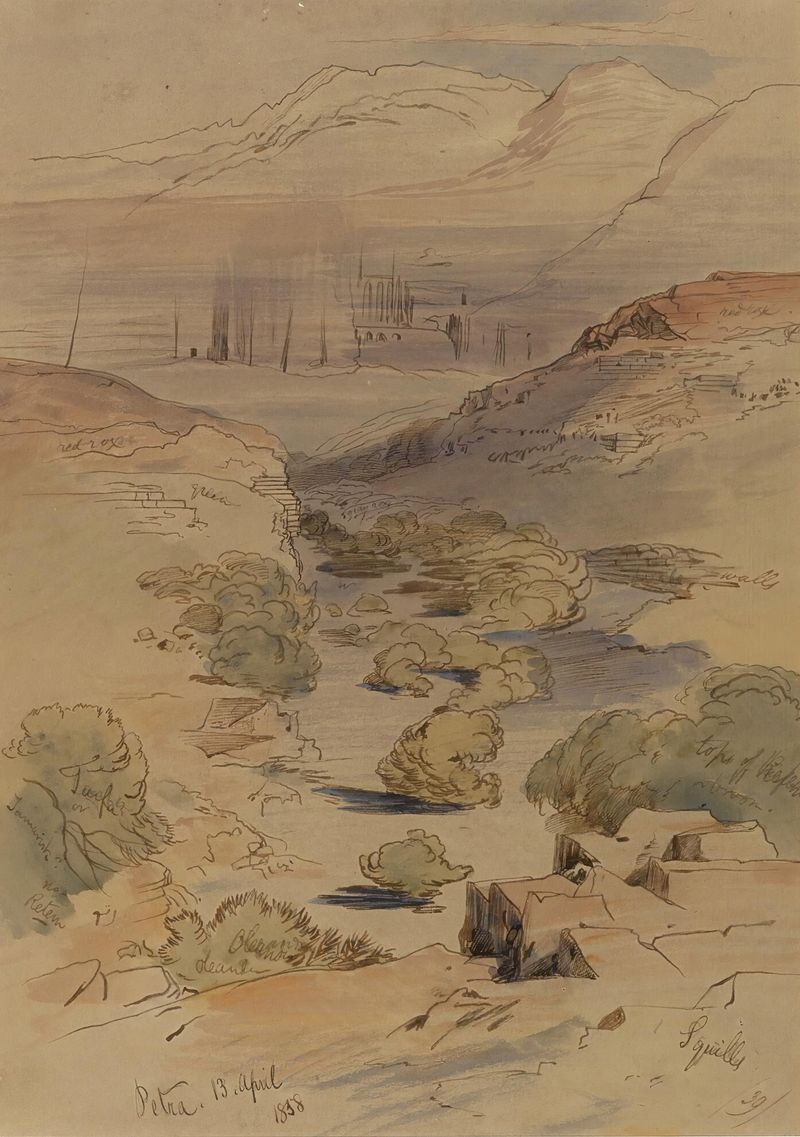
Petra
Edward Lear
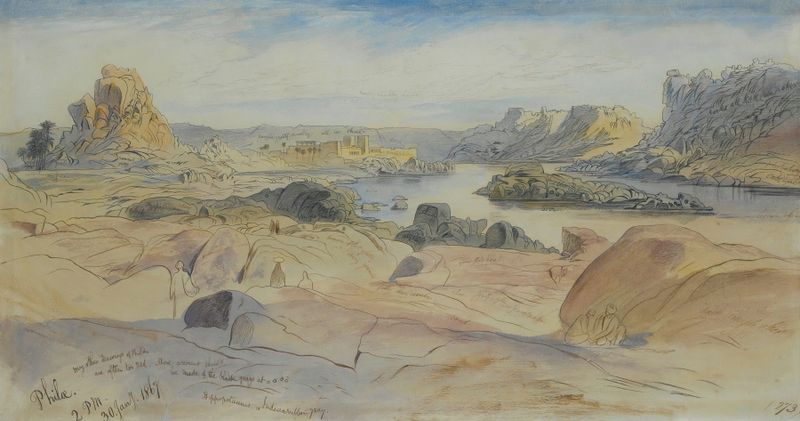
Philae, Egypt
Edward Lear
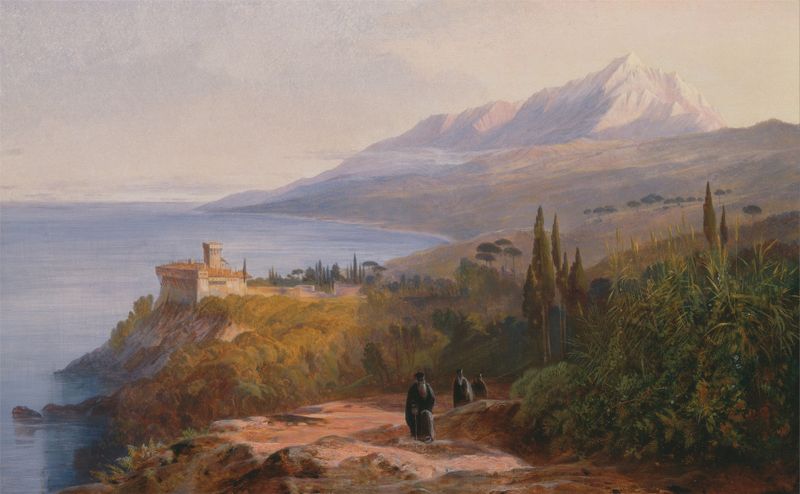
Mount Athos and the Monastery of Stavronikétes
Edward Lear
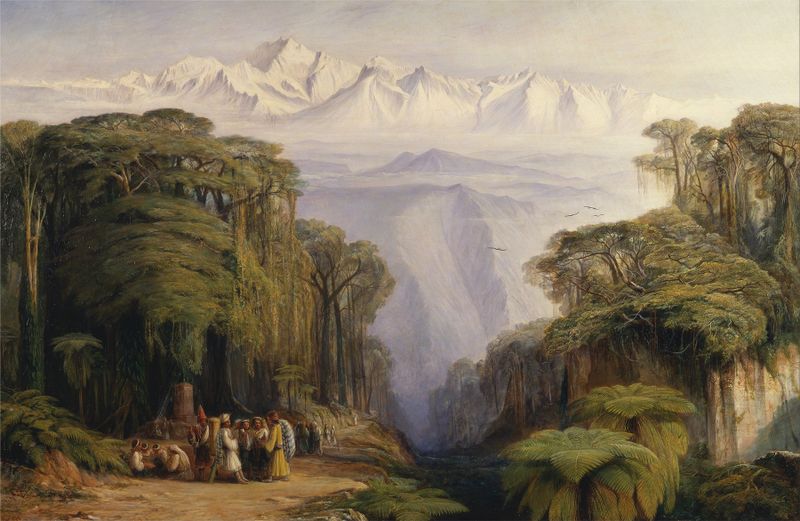
Kangchenjunga from Darjeeling
Edward Lear
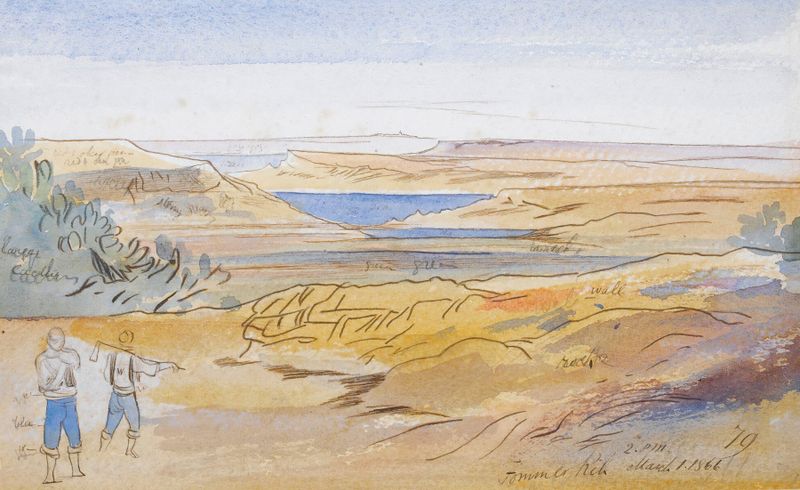
Fomm Ir-Rih, Malta
Edward Lear
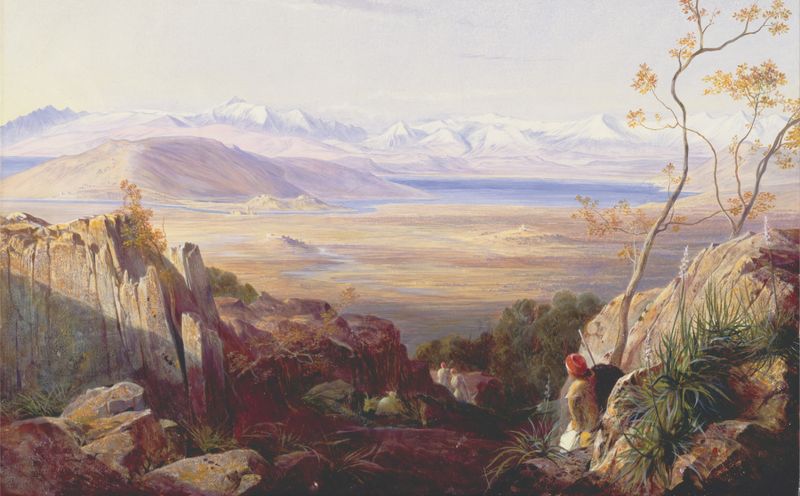
Butrinto, Albania
Edward Lear
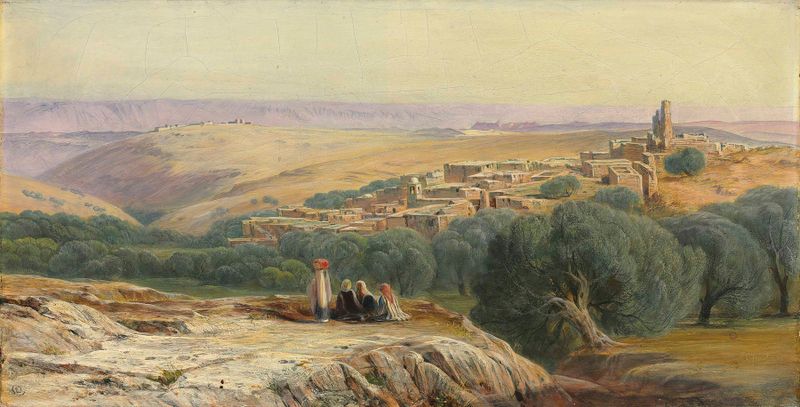
The Plains of Bethany
Edward Lear

Karnak, 9-30 pm, 22 January 1867
Edward Lear
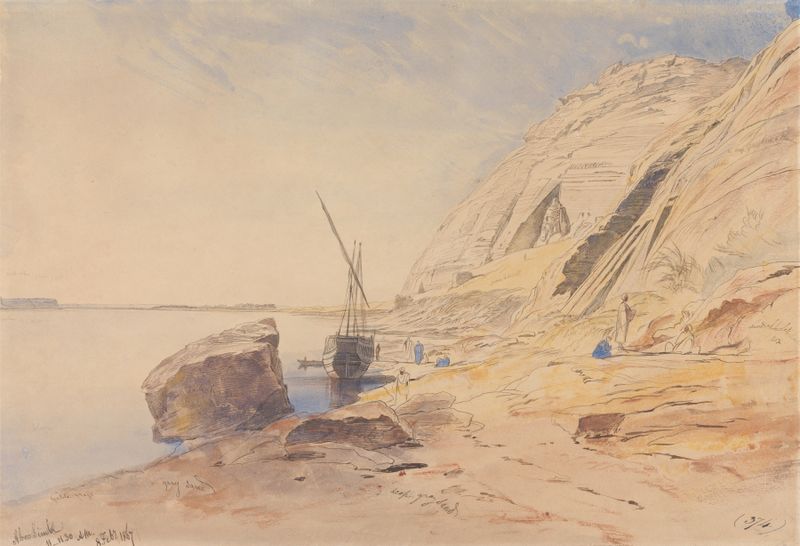
Abu Simbel, 11-11;30 am, 8 February 1867 (374)
Edward Lear

A View Of Mount Athos And The Pantokrator Monastery, Greece
Edward Lear





