Luipaard, bloemen en insecten — History & Facts
In Luipaard, bloemen en insecten, a world teeters on the edge of sublime beauty and profound solitude. The vibrant interplay of flora and fauna speaks to the intricate connections woven between life and loneliness, revealing the depths of each creature's existence. Look closely at the leopard, lounging with an air of both majesty and desolation. Notice how the dynamic patterns of its fur contrast sharply with the delicate petals that surround it.
The soft hues of the flowers bloom against the darker, more chaotic strokes of the leopard’s form, while the insects flit around, hinting at life yet also evoking a sense of isolation amidst the abundance. Hollar's meticulous line work and shading guide the viewer's eye through this lush tapestry, inviting contemplation of the spaces in between. This duality of presence and absence is encapsulated in the juxtaposition of the vibrant flowers and the solitary predator. The insects, seemingly busy yet small and insignificant, mirror the fragility of existence itself.
Each detail serves as a reminder of how beauty can emerge from isolation, inviting viewers to ponder the complexities of both the natural world and the emotions that resonate within it. In 1663, Wenceslaus Hollar was in London, having fled from the Thirty Years’ War in his native Czech Republic. It was a period of artistic exploration, and Hollar was deeply influenced by the intricacies of nature and the emerging trends of baroque art. His detailed engravings and drawings during this time reflect a pursuit of both beauty and truth, inviting a dialogue between the viewer and the complex realities of life.
More Artworks by Wenceslaus Hollar
Browse all →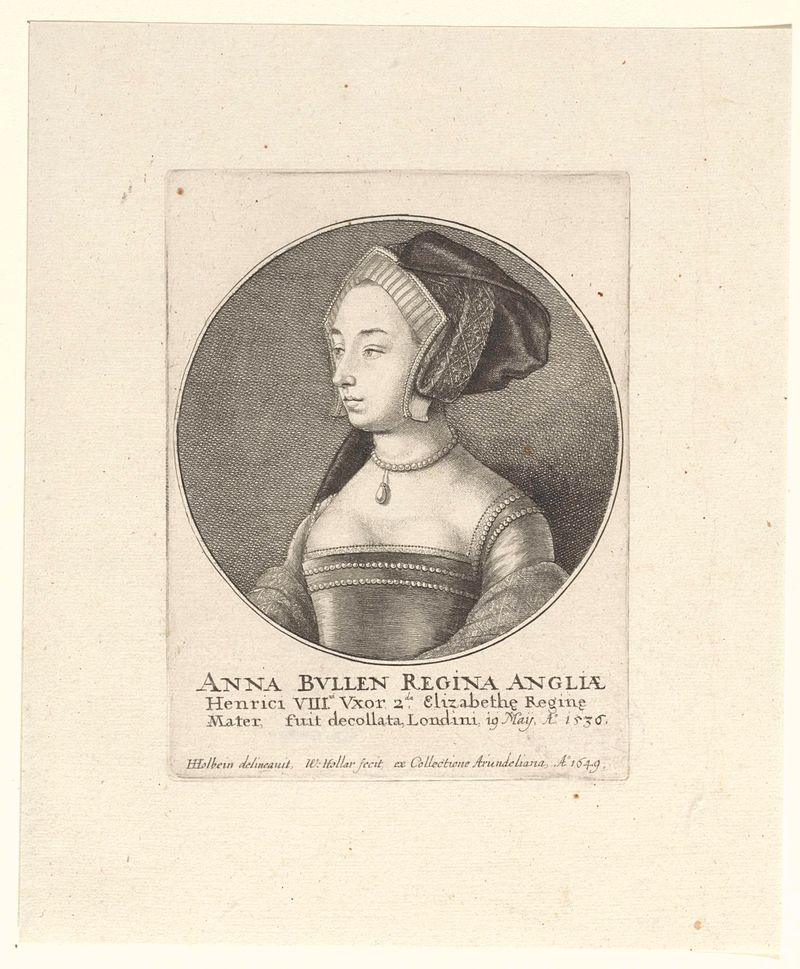
Portret van Anna Boleyn, koningin van Engeland
Wenceslaus Hollar
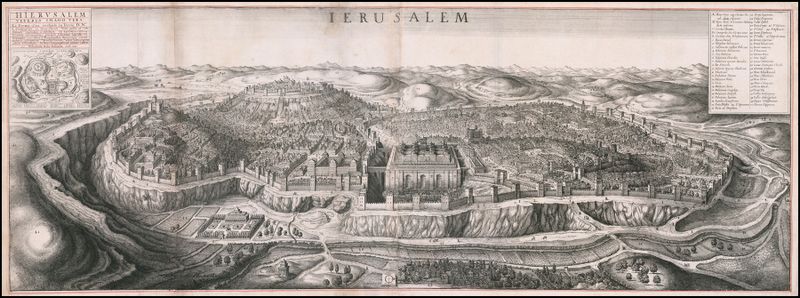
Bird’s eye view of Jerusalem
Wenceslaus Hollar
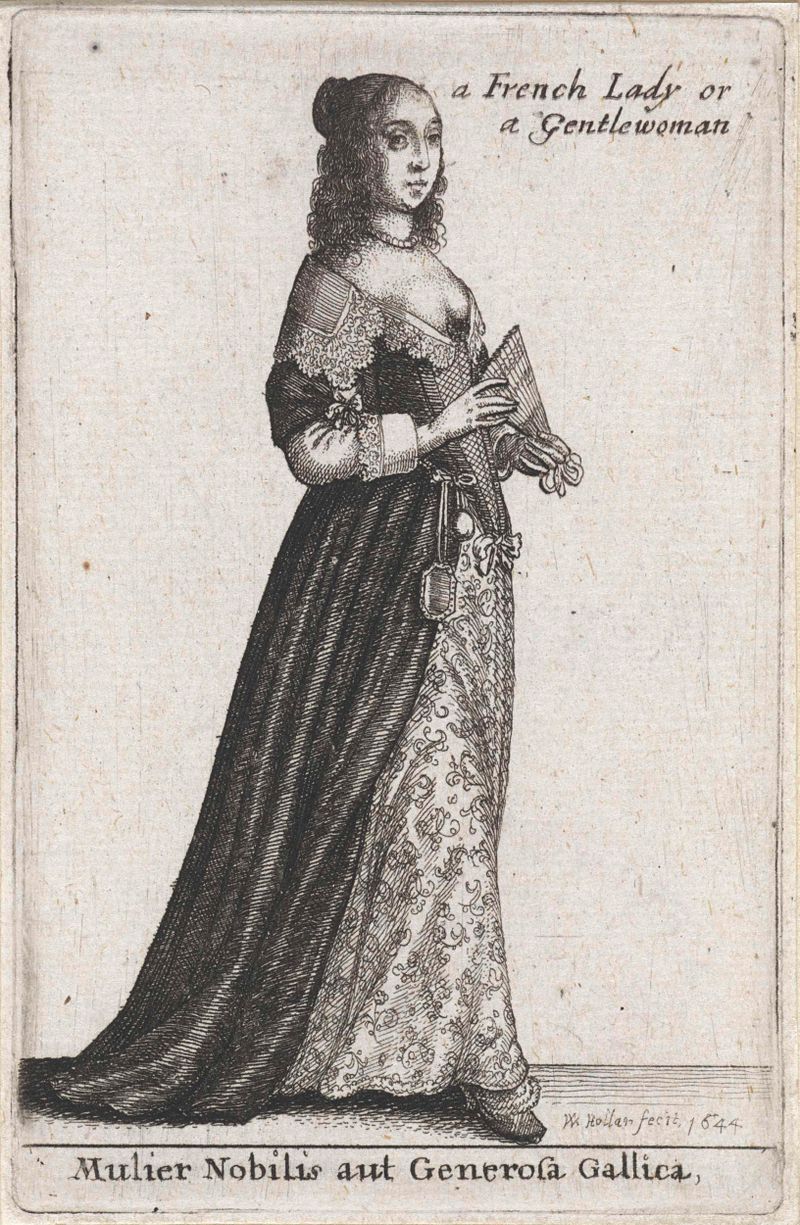
Mulier Nobilis aut Generosa Gallica / a French Lady or Gentlewoman
Wenceslaus Hollar
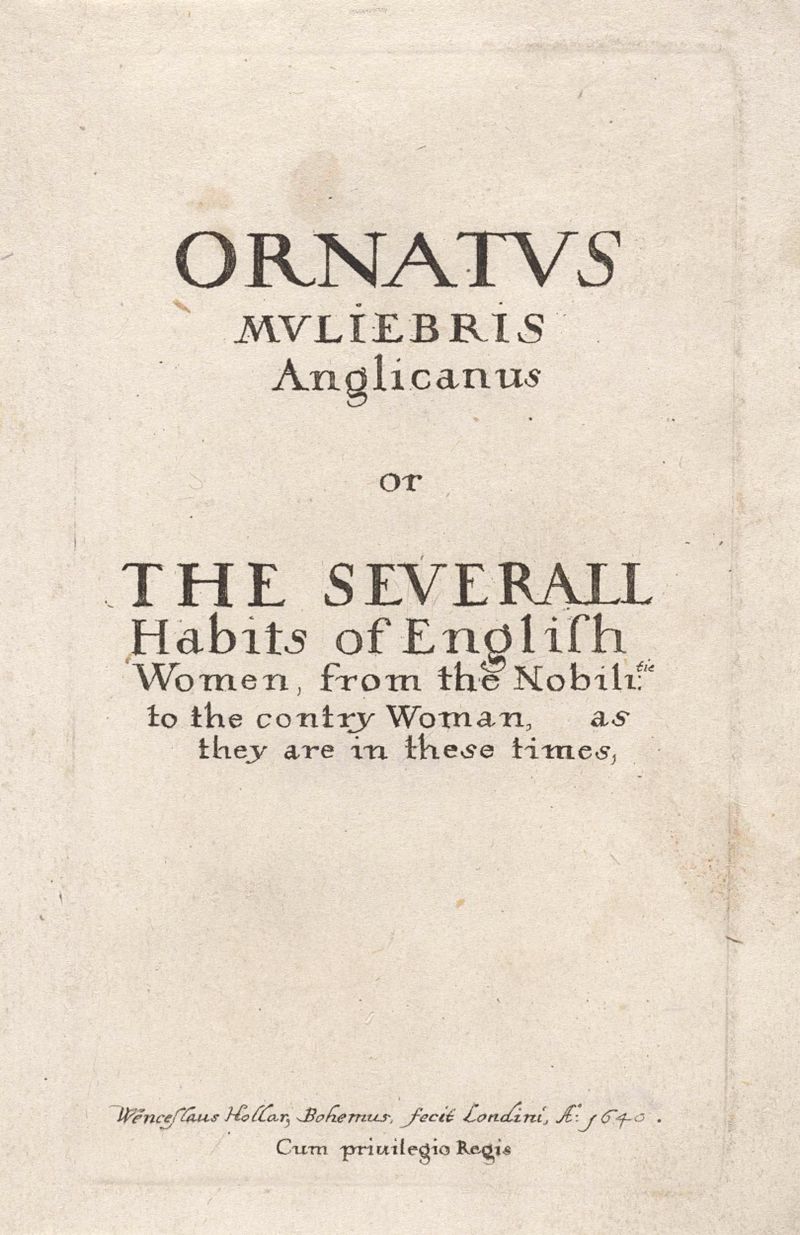
Titelprent voor: Ornatus Muliebris Anglicanus
Wenceslaus Hollar
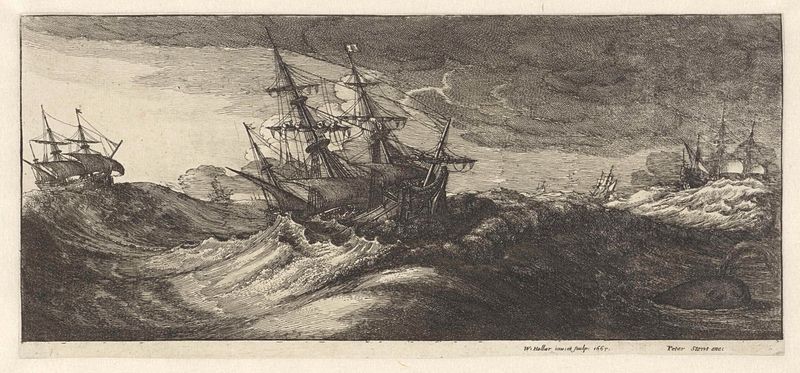
Oorlogsschepen en een walvis in een zeestorm
Wenceslaus Hollar
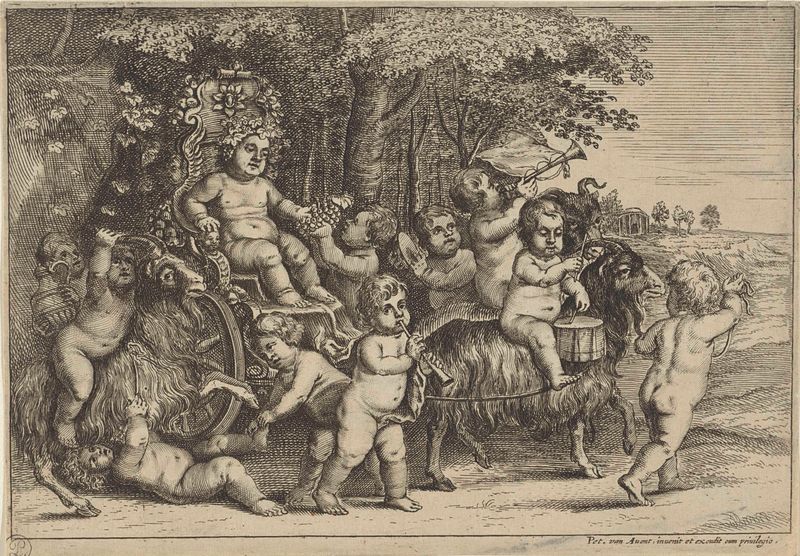
Optocht van bacchant en jongetjes op geiten
Wenceslaus Hollar
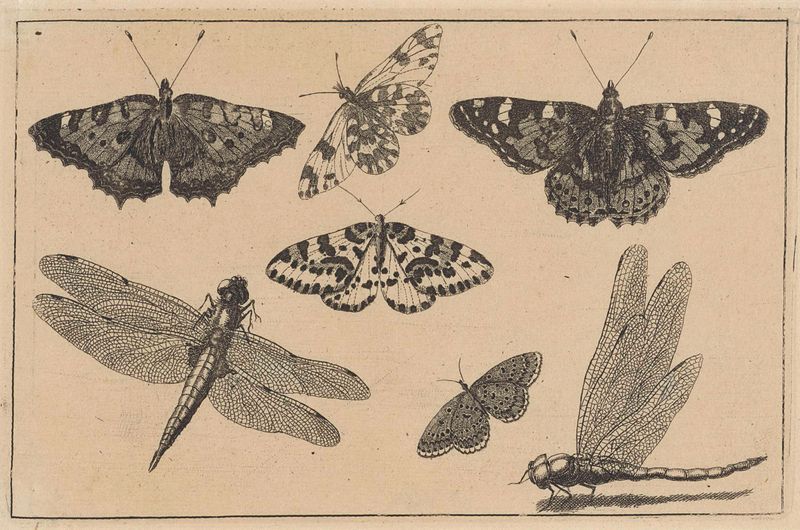
Twee libellen en vijf vlinders
Wenceslaus Hollar
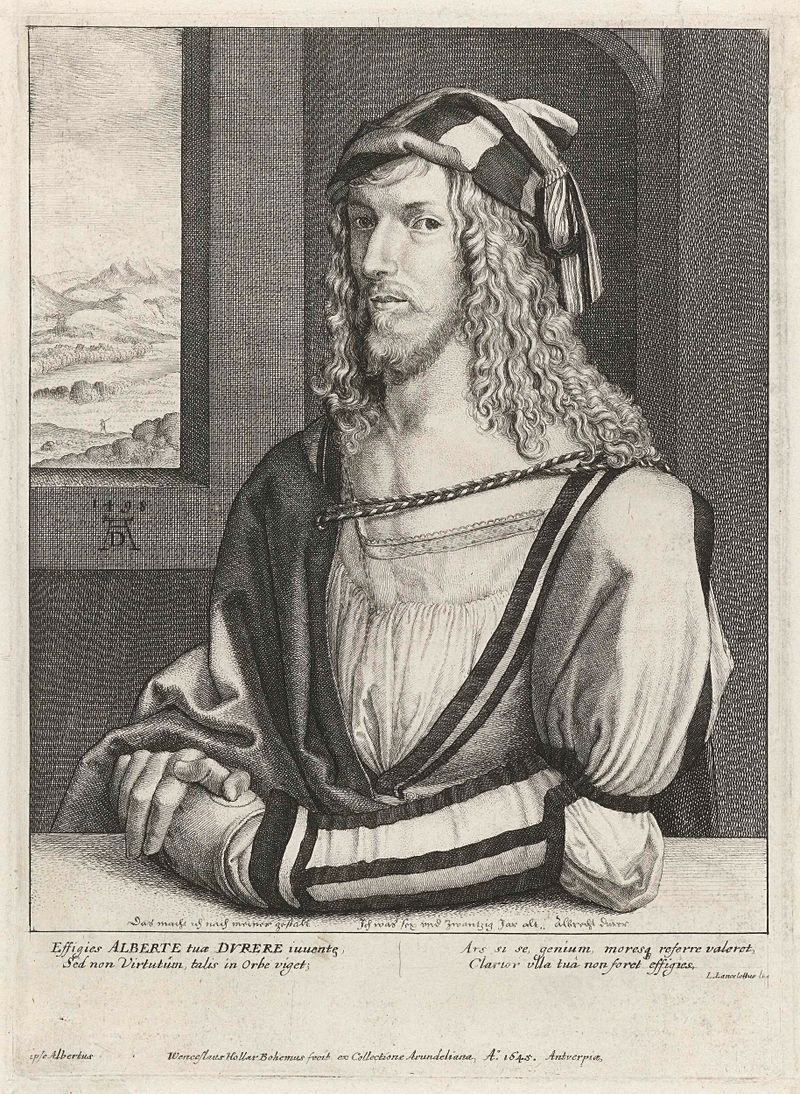
Portret van Albrecht Dürer
Wenceslaus Hollar
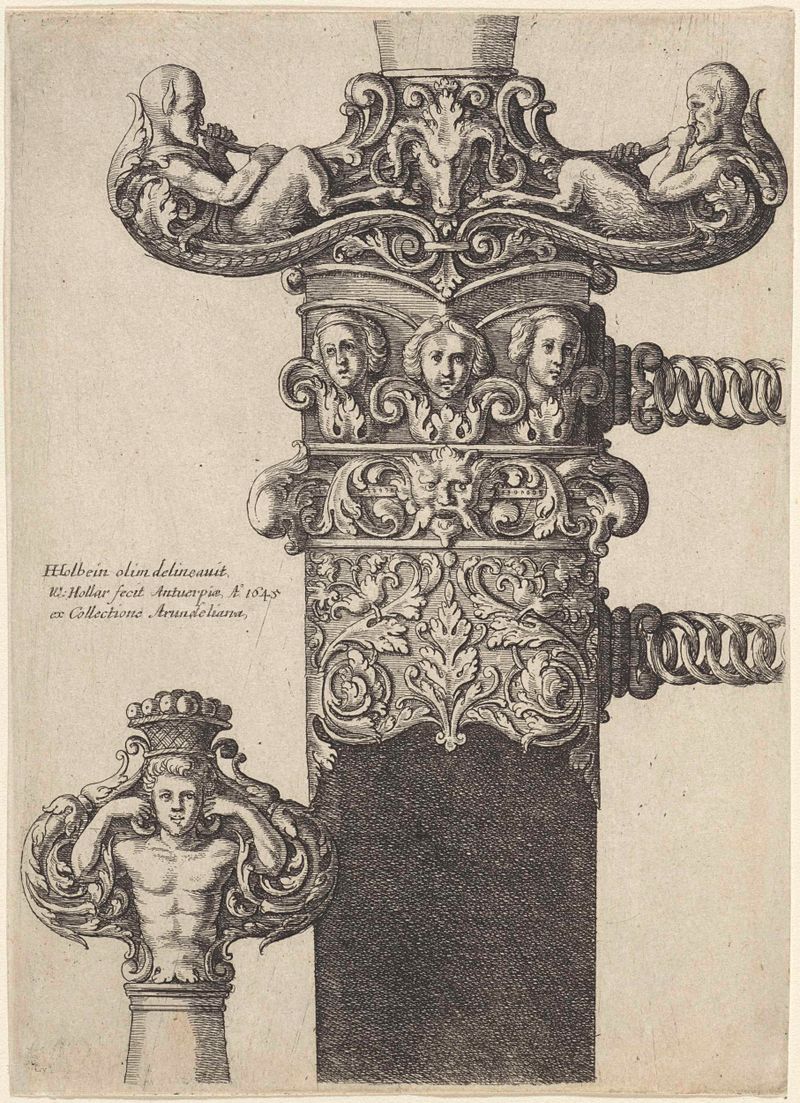
Ornamenteel ontwerp voor een dolk
Wenceslaus Hollar
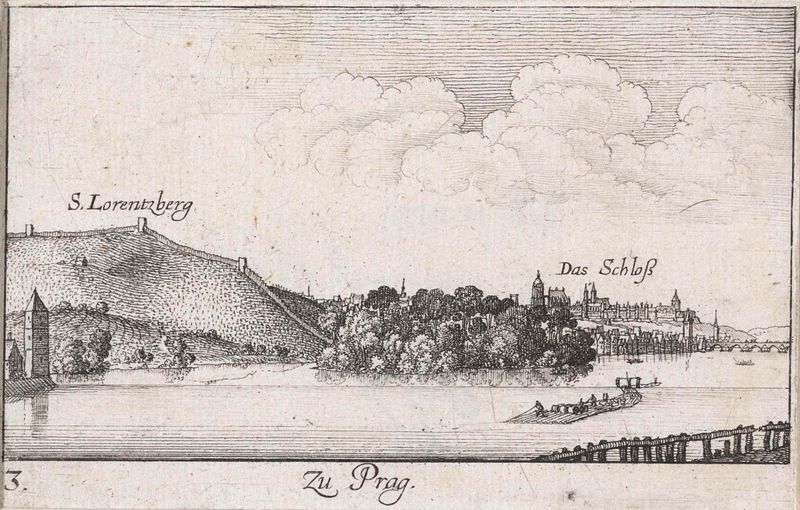
Gezicht op Praag vanaf de Moldau
Wenceslaus Hollar