
Lully (Gypsy) — History & Facts
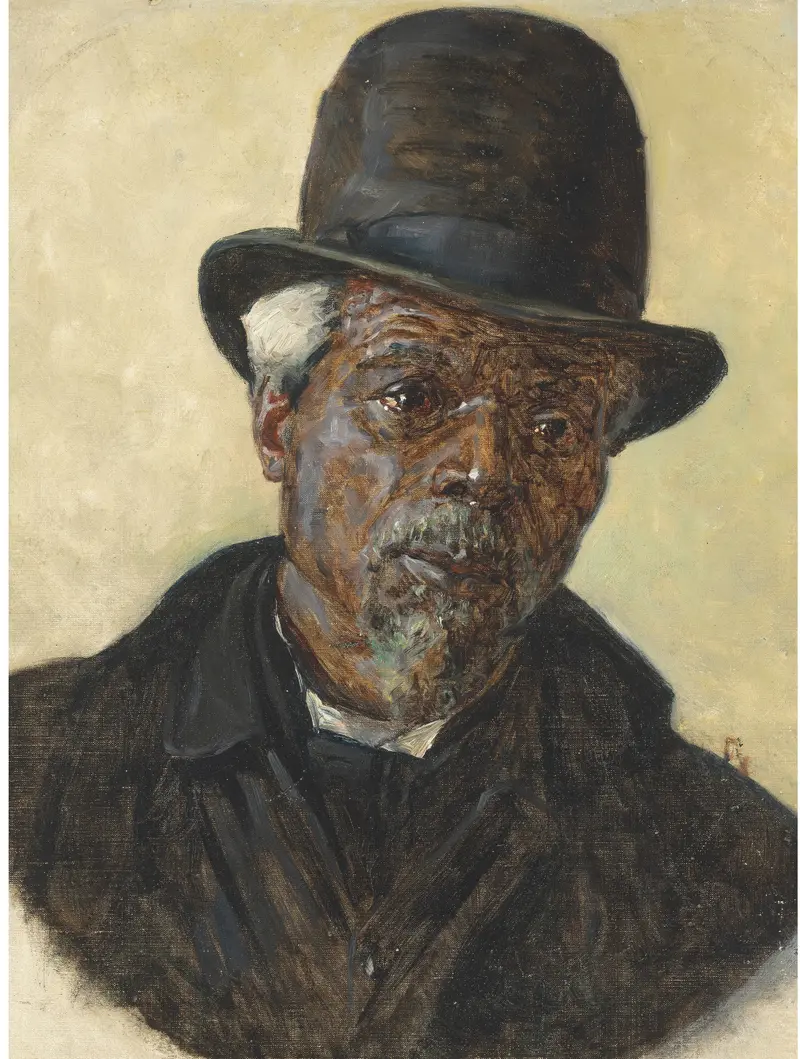
In Lully (Gypsy) by Vasily Vereshchagin, we see a striking portrait of a young gypsy woman. The colors are rich and vibrant, with deep reds and earthy tones dominating the scene. Her expressive eyes and intricate jewelry draw the viewer's attention, while the background remains soft and muted.
The overall composition conveys a sense of intimacy and connection with the subject. The painting is executed in oil on canvas, showcasing Vereshchagin's skill in capturing realistic details. The textures of the woman's clothing and the delicate features of her face are rendered with precision. The use of light and shadow adds depth to the portrait, enhancing the three-dimensional quality of the work.
This attention to detail is a hallmark of Vereshchagin's style. Vasily Vereshchagin was known for his depictions of war and cultural subjects, often highlighting the lives of people in conflict. Lully (Gypsy) stands out as a more personal exploration of identity and culture. An interesting fact about this work is that it reflects Vereshchagin's fascination with the Romani people, showcasing their beauty and complexity.
This painting contributes to a broader understanding of his artistic range beyond historical themes.
More Artworks by Vasily Vereshchagin
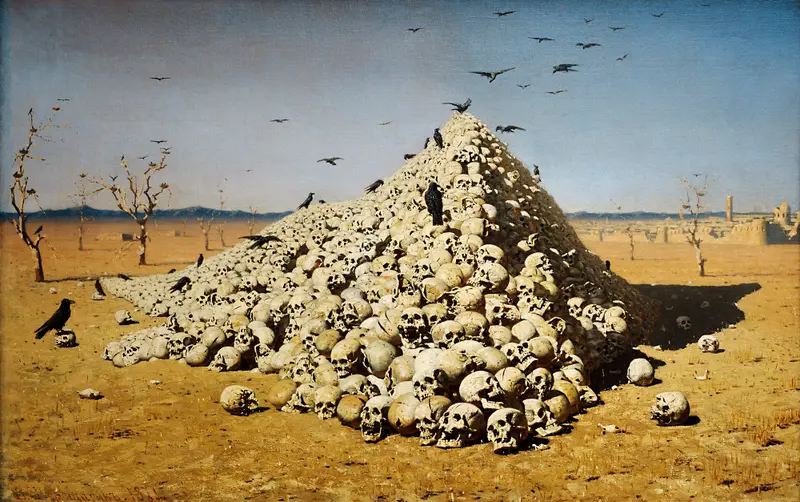
The Apotheosis of War
Vasily Vereshchagin
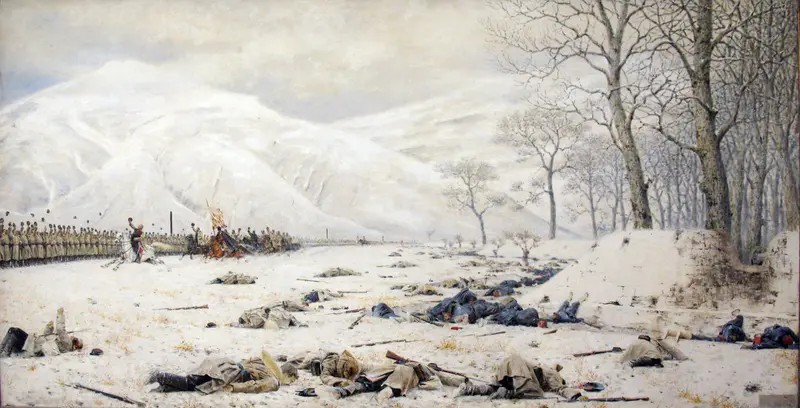
Battlefield at the Shipka
Vasily Vereshchagin
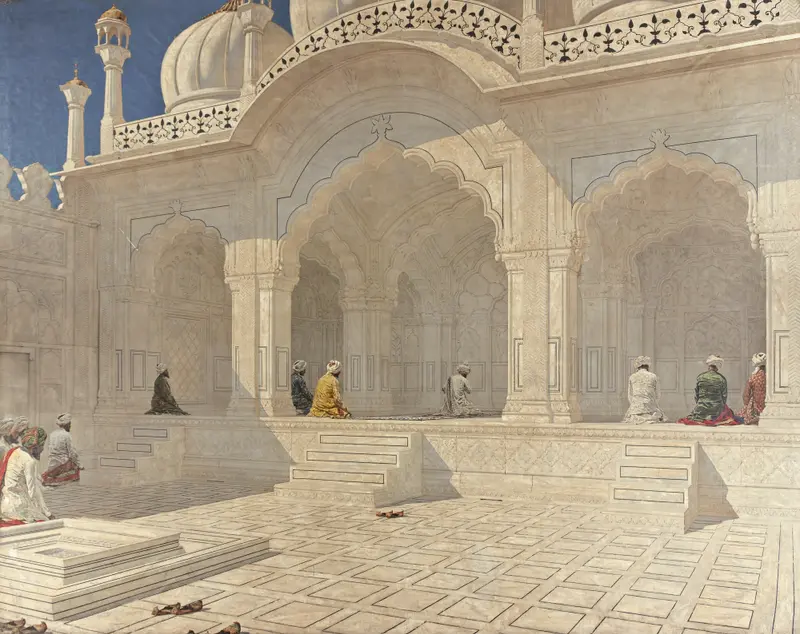
Pearl Mosque At Delhi
Vasily Vereshchagin
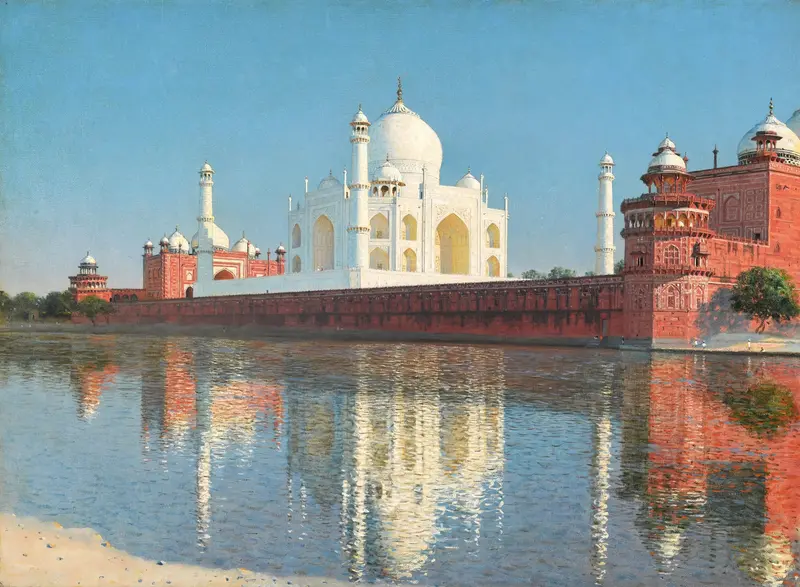
Taj Mahal Mausoleum, Agra
Vasily Vereshchagin
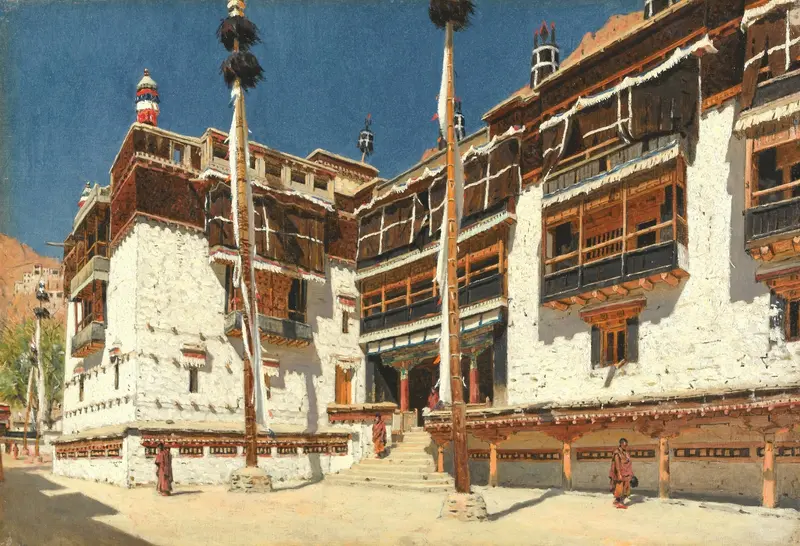
Hemis Monastery in Ladakh
Vasily Vereshchagin

Mortally wounded
Vasily Vereshchagin
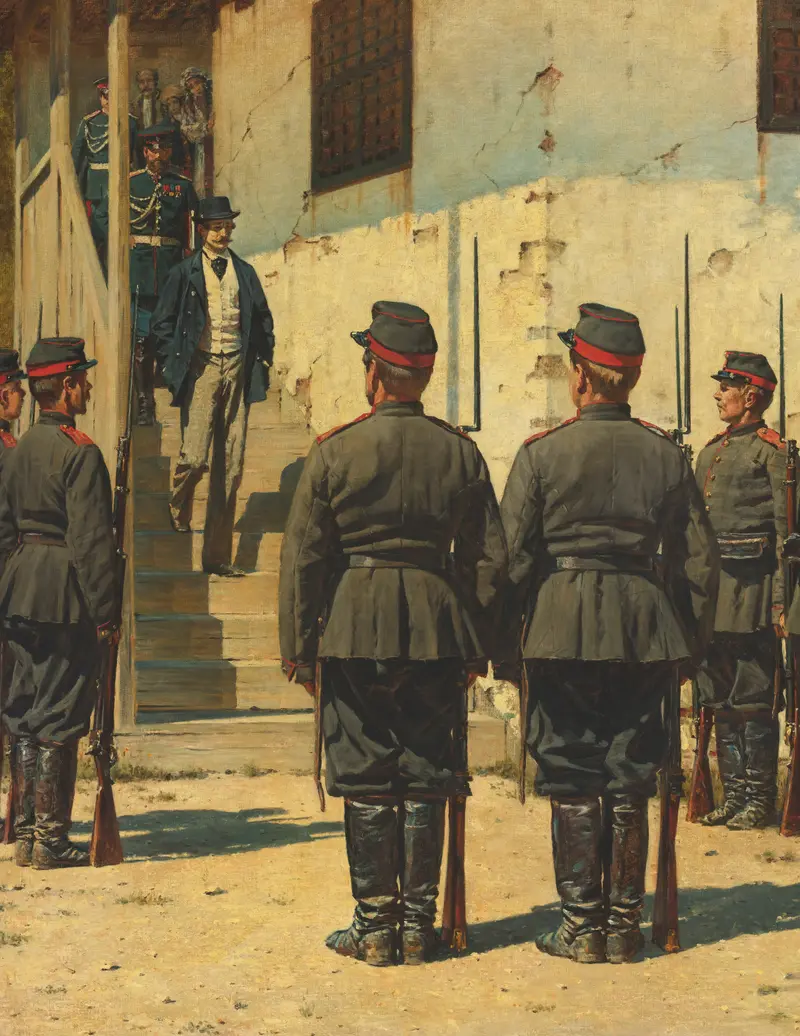
The Spy
Vasily Vereshchagin
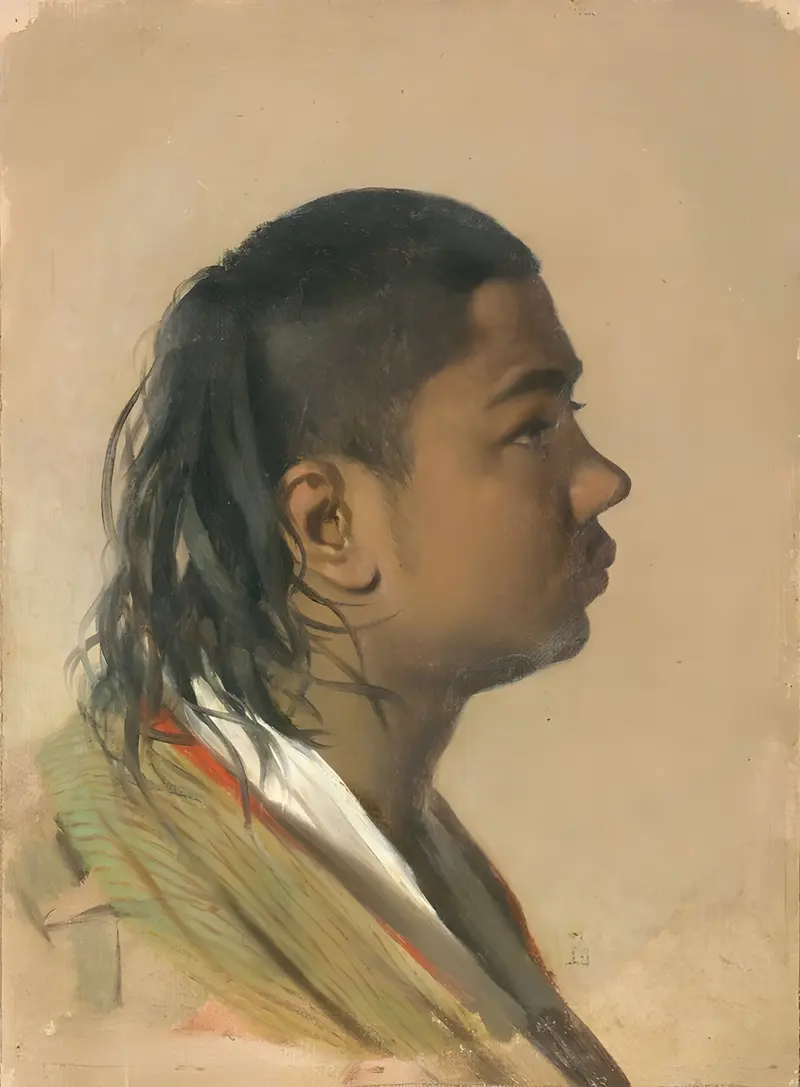
Uzbek boy
Vasily Vereshchagin
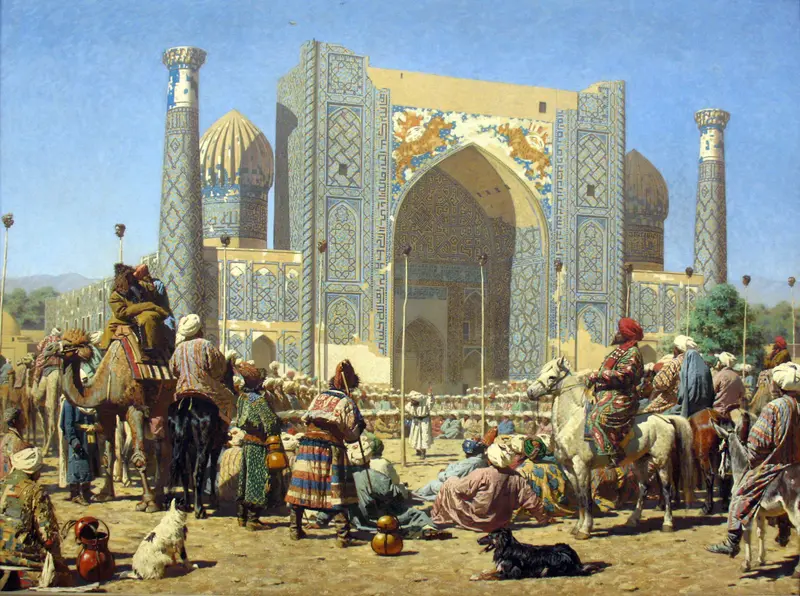
They are triumphant
Vasily Vereshchagin
Study for ‘Beggar in Washington’
Vasily Vereshchagin





