
Lulworth Castle — History & Facts
Is this a mirror — or a memory? In Lulworth Castle, the tranquil beauty of the English landscape hides a history that whispers of past violence and upheaval, evoking an emotional tension beneath its serene surface. Look to the left, where the stately castle emerges from the soft hues of dawn, its stonework bathed in a warm golden light. The lush green trees frame the scene, contrasting sharply with the cold, hard lines of the castle, while the gentle ripples of the water below reflect a world both peaceful and deceptive. Notice how the clouds, tinged with crimson and lavender, hint at the coming day—and perhaps the shadows of history that loom over the idyllic setting. The interplay between light and shadow within the painting serves as a metaphor for the duality of existence, where beauty coexists with a sense of foreboding.
The calm surface of the water belies the stories of conflict that may have once graced these lands, raising questions about the past that lingers in the air. Each detail, from the meticulous rendering of the foliage to the imposing structure of the castle, speaks to a juxtaposition of serenity and the violence that has shaped such places. In 1859, Cropsey was deeply influenced by the Romantic movement and its emphasis on nature as a reflection of human emotion. Working primarily in New York and traveling extensively, he sought to capture the serene landscapes of his homeland, while also responding to the art world’s shifting focus towards realism and national identity.
This painting reflects not only his personal journey but also a broader artistic narrative about reconciling beauty with the complexities of history.
More Artworks by Jasper Francis Cropsey
Browse all →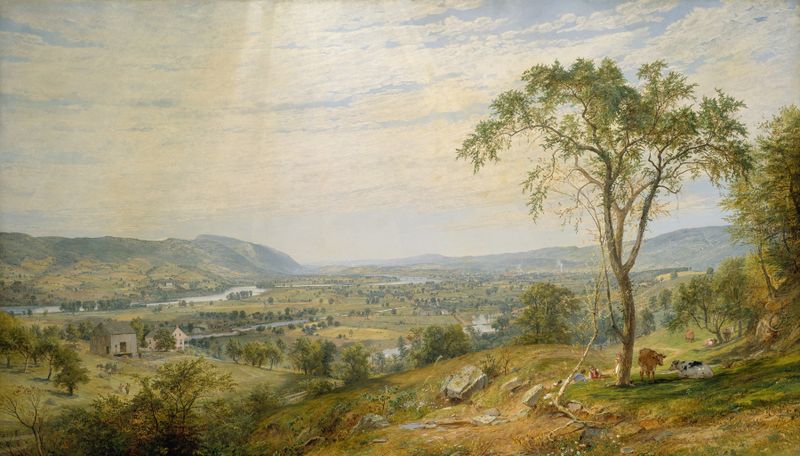
The Valley of Wyoming
Jasper Francis Cropsey
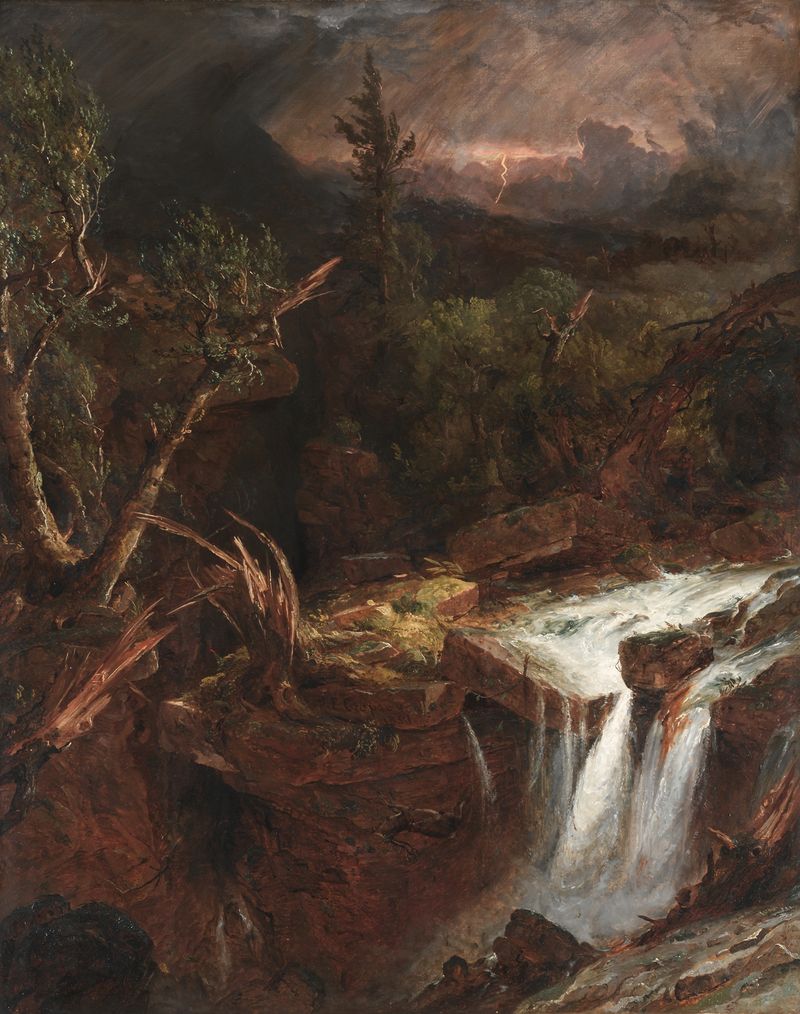
The Clove – A Storm Scene in the Catskill Mountains
Jasper Francis Cropsey
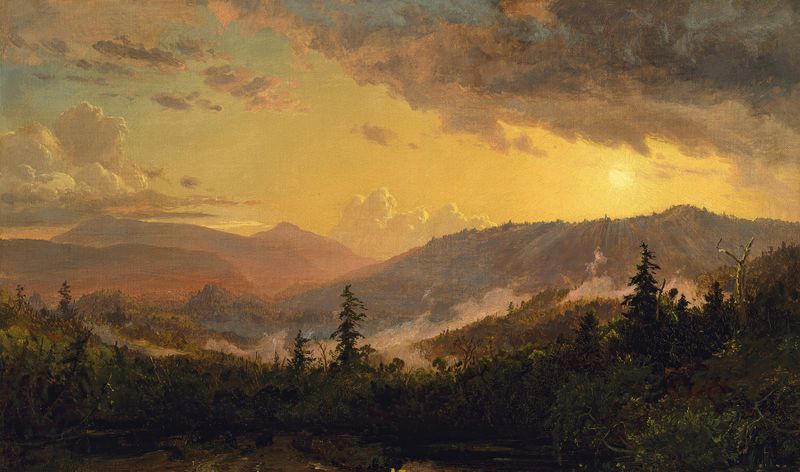
Sunset after a Storm in the Catskill Mountains
Jasper Francis Cropsey
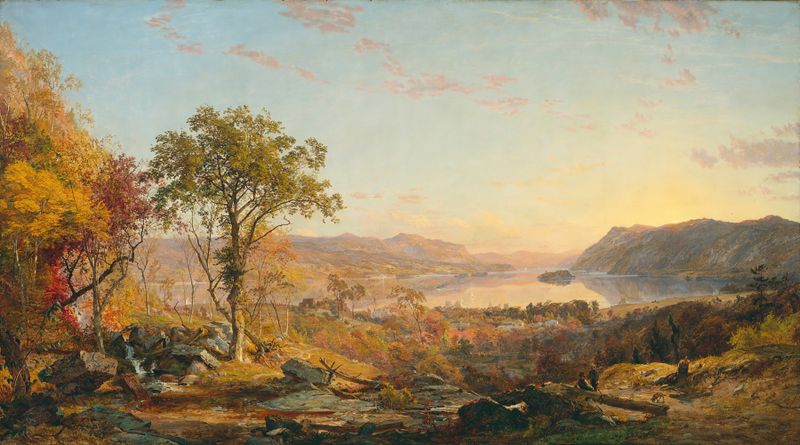
Indian Summer
Jasper Francis Cropsey

Autumn On The River
Jasper Francis Cropsey
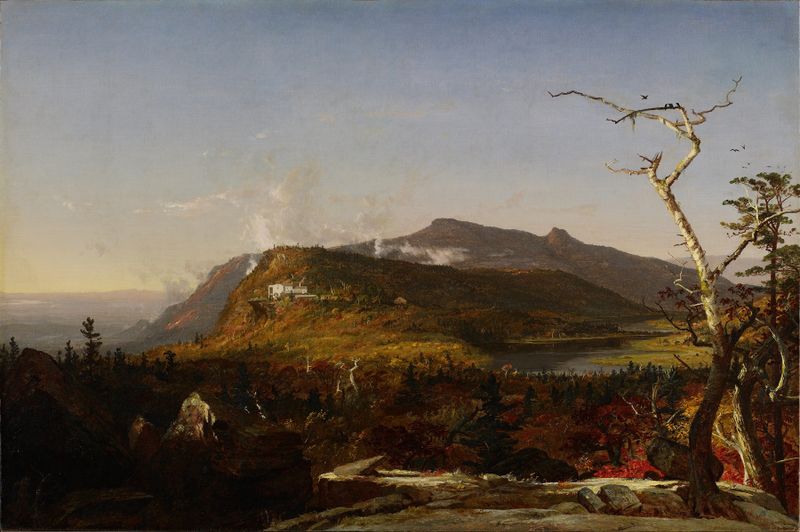
Catskill Mountain House
Jasper Francis Cropsey
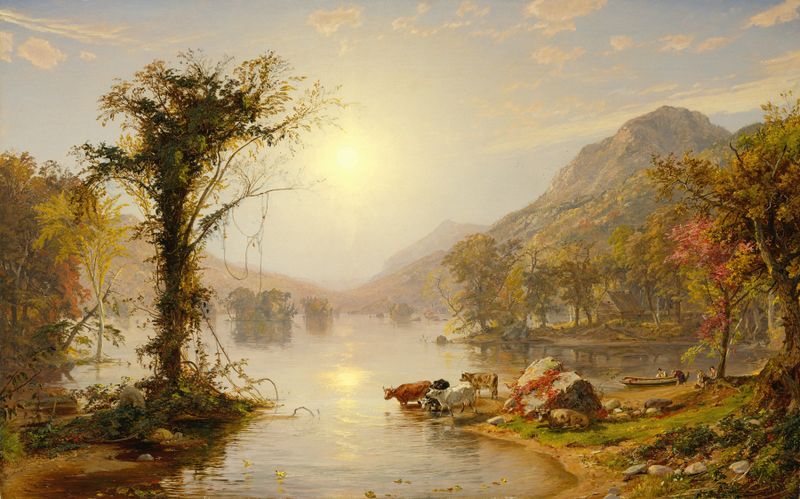
Autumn on Greenwood Lake
Jasper Francis Cropsey
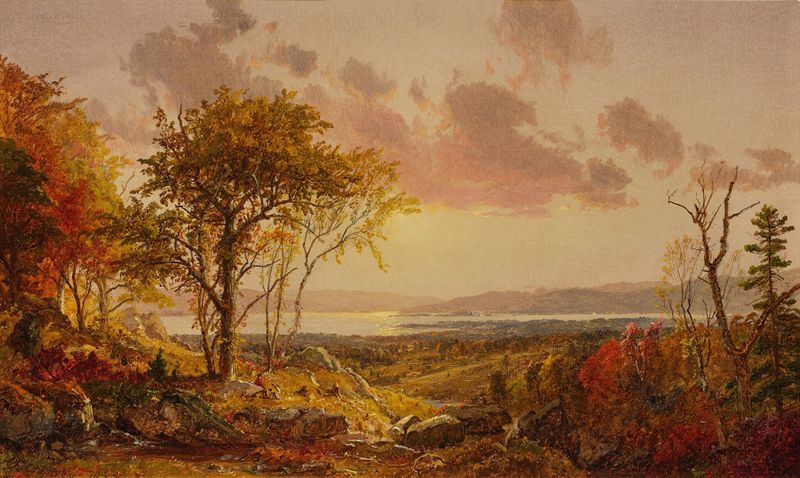
A Distant View of the Hudson River in the Fall
Jasper Francis Cropsey
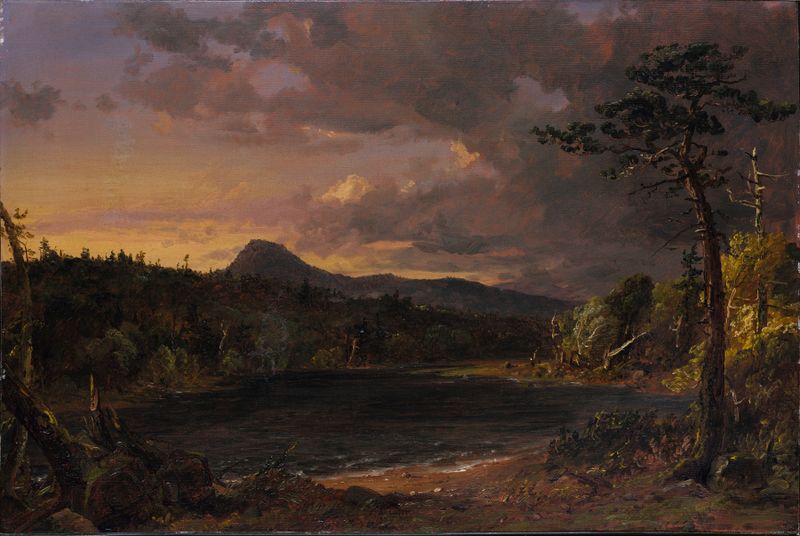
Catskill Creek
Jasper Francis Cropsey

Autumn on the Lake
Jasper Francis Cropsey





