
Lunette of the west wall in Niccoline Chapel — History & Facts
When Pope Nicholas V commissioned the decoration of his private chapel in the Vatican in 1447, he turned to Fra Angelico, one of the most sought-after painters of the early Renaissance. The Niccoline Chapel became a showcase for papal ambition and piety, its walls covered with scenes from the lives of St. Stephen and St.
Laurence—two deacons and martyrs whose stories resonated with the reform-minded pope. The west wall’s lunette is particularly notable: it marks the culmination of the cycle, where the narrative’s drama and spiritual message reach their height. This commission not only signaled the pope’s personal devotion but also his intent to use art as a tool for ecclesiastical renewal. In the lunette, Fra Angelico captures the moment of St.
Laurence’s martyrdom, as Roman soldiers lead the young deacon to his fate. Laurence, dressed in a white dalmatic and haloed, turns his gaze heavenward, accepting his destiny with serene composure. The golden light that bathes his figure sets him apart from the surrounding crowd, while the soldiers’ armor glints coldly, emphasizing the contrast between spiritual grace and earthly power.
The artist’s delicate handling of gesture—the gentle incline of Laurence’s head, the firm grip of his captors—conveys both resignation and quiet courage. Compared to the harsher, more violent interpretations by later artists like Titian, Fra Angelico’s scene is notable for its calm dignity and focus on faith rather than suffering. Although the exact medium used in the lunette is not fully documented, it is likely a combination of fresco and tempera, typical of Fra Angelico’s major commissions. The Niccoline Chapel remains in its original location within the Vatican, rarely accessible to the public, and has survived centuries of papal history and restoration campaigns.
For Fra Angelico, this cycle marked the culmination of his Roman period and stands as one of his last great public works before his death in 1455. Today, the chapel is celebrated not only for its beauty but as a testament to the close alliance between art and faith in the early Renaissance.
More Artworks by Fra Angelico

Condemnation of St Lawrence by the Emperor Valerian
Fra Angelico
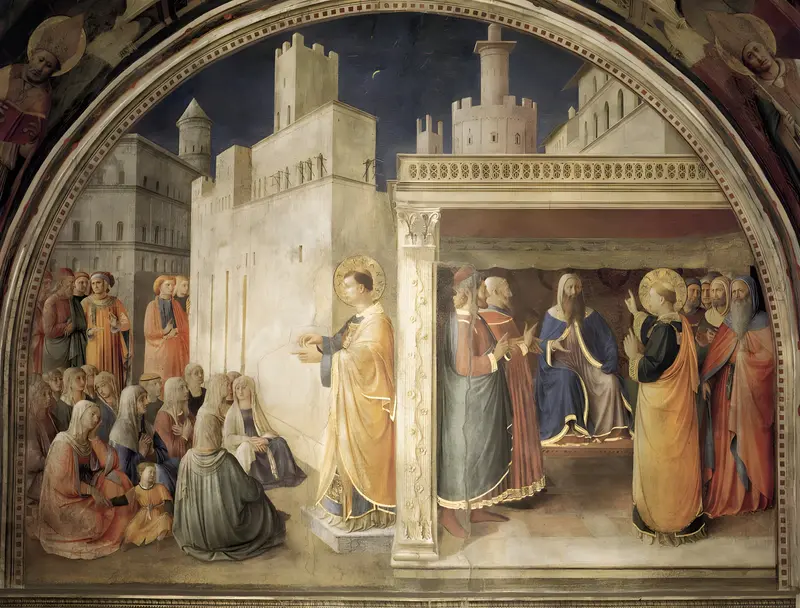
Lunette of the north wall
Fra Angelico
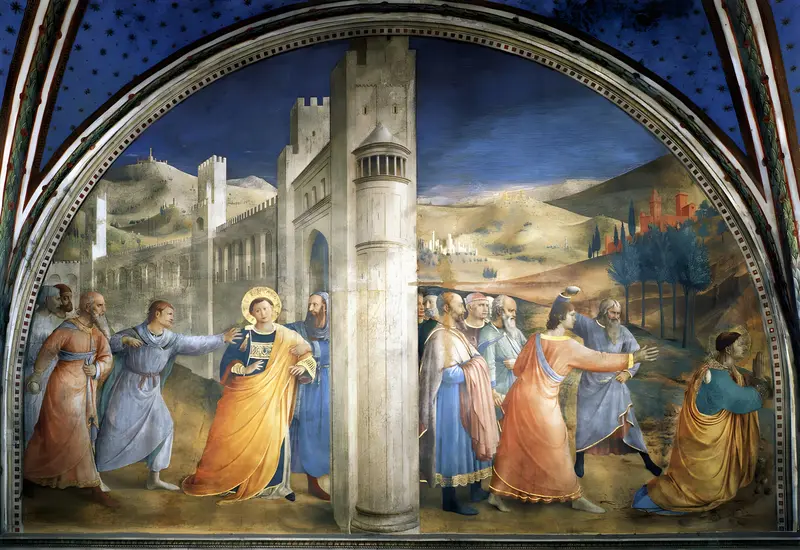
Lunette of the east wall in Niccoline Chapel
Fra Angelico
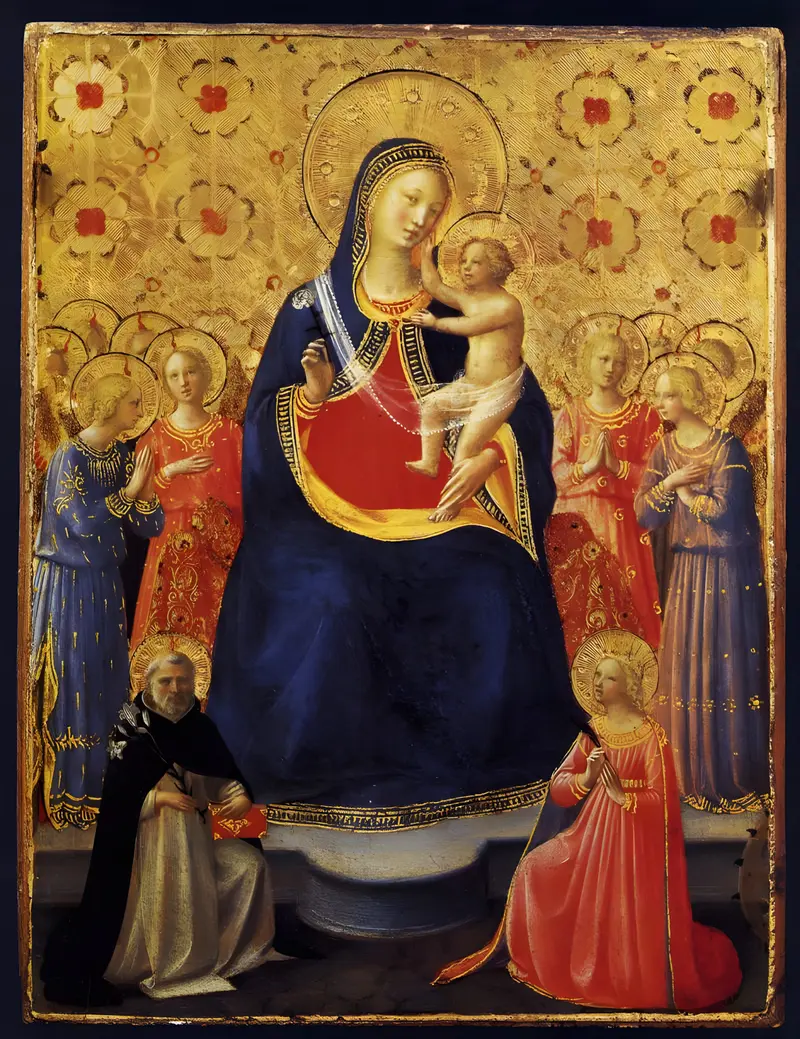
Madonna and Child Enthroned with Nine Angels and Saints Dominic and Catherine of Alexandria
Fra Angelico
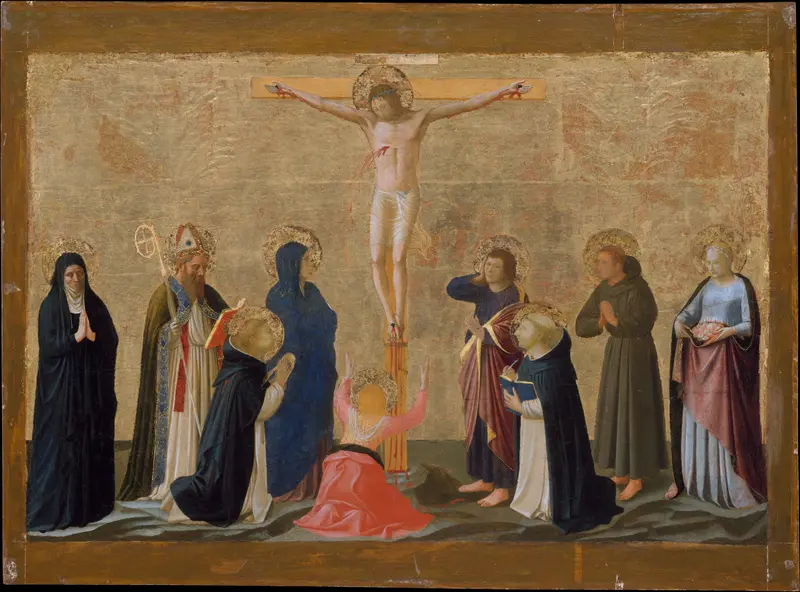
The Crucifixion
Fra Angelico
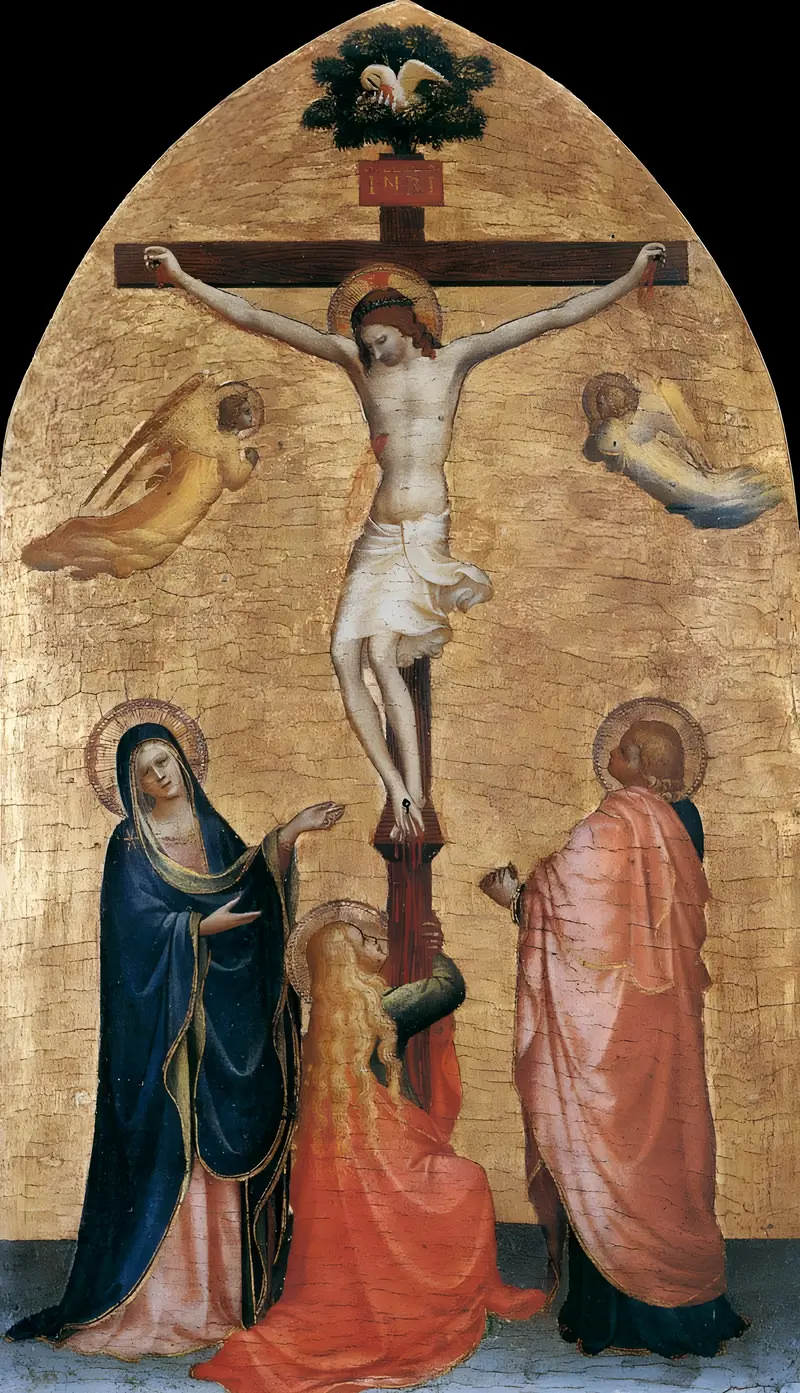
Crucifixion with the Virgin, John the Evangelist, and Mary Magdelene
Fra Angelico
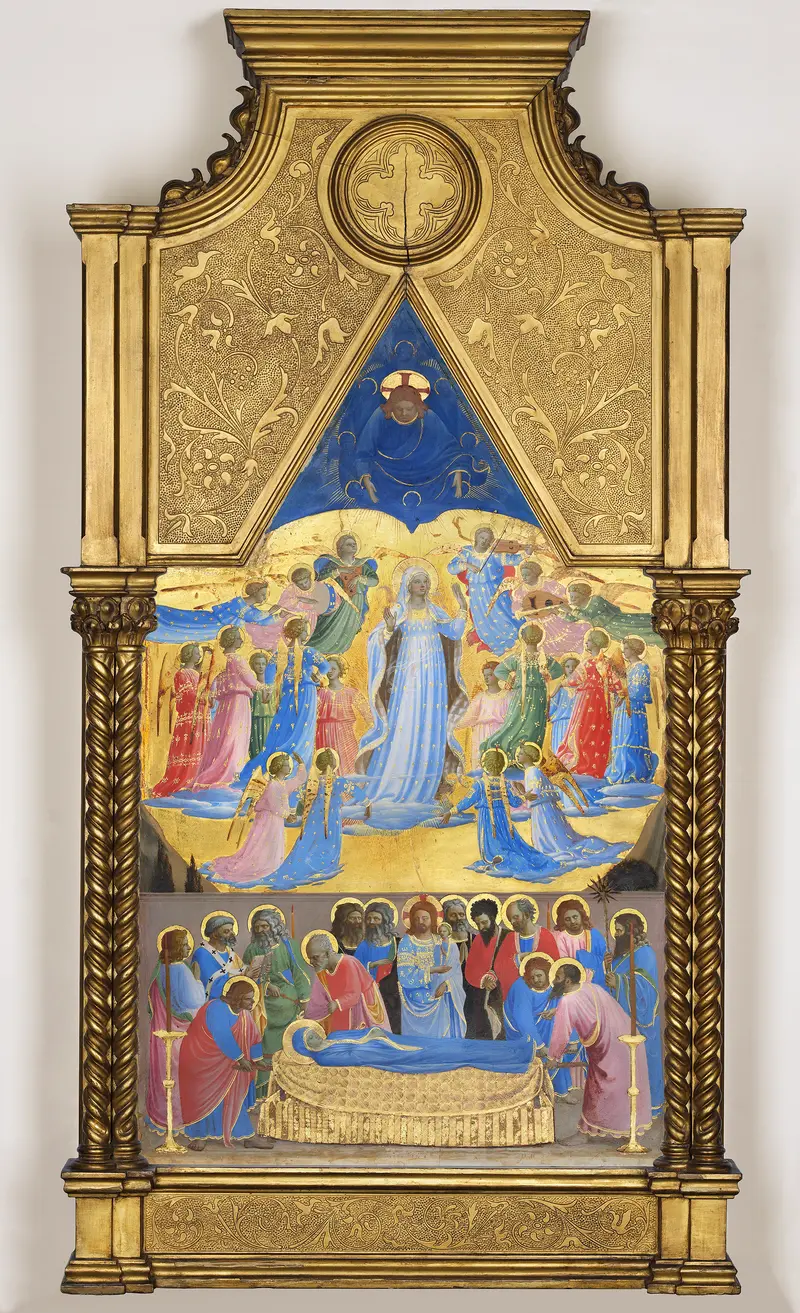
Dormition and Assumption of the Virgin
Fra Angelico
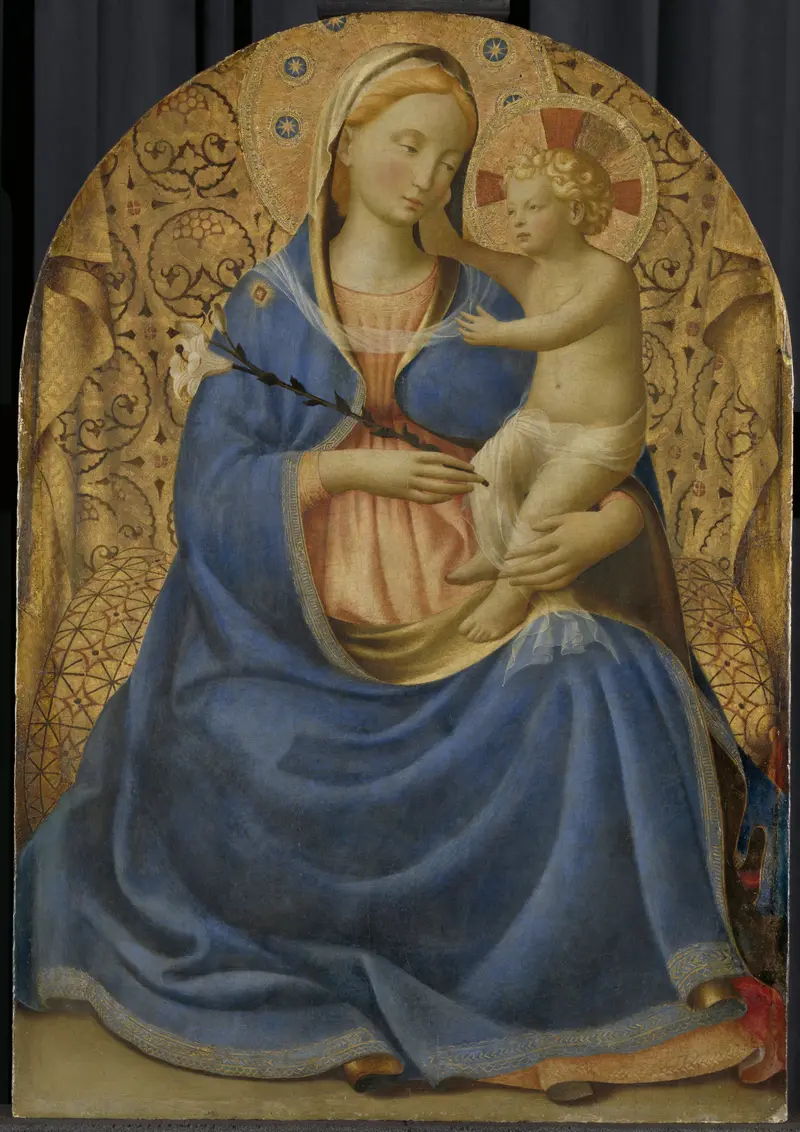
Madonna of Humility
Fra Angelico
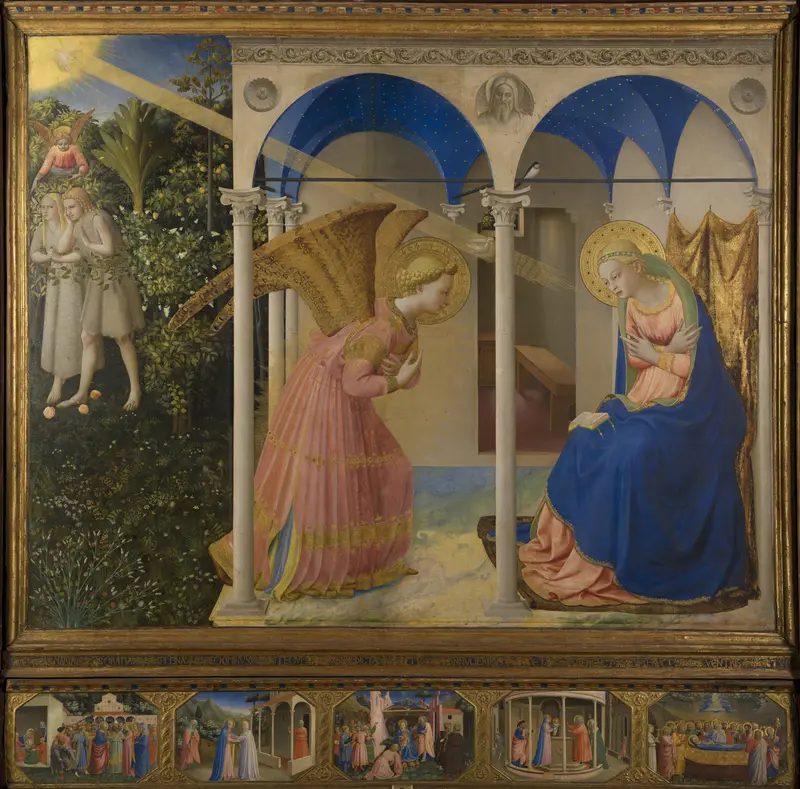
The Annunciation
Fra Angelico

Saint Anthony Abbot
Fra Angelico





