
Luton Park, Bedfordshire — History & Facts
What if silence could speak through light? Within the gentle diffusion of dawn, the stillness of Luton Park, Bedfordshire awakens an intimate dialogue between nature and the viewer, inviting contemplation on a serene morning. Look to the foreground where soft greens and browns blend seamlessly, creating a lush carpet of grass that beckons you closer. Notice how the dappled sunlight filters through the trees, casting intricate shadows that dance across the landscape. The delicate brushwork captures the essence of each leaf and blade of grass, while a quiet path meanders through the scene, suggesting an invitation to explore further.
The composition draws the eye gently from the vibrant trees to the distant horizon, where subtle hues of blue and lavender hint at the day's unfolding promise. Amid this tranquility lies a deeper contrast between the serene vastness of nature and the tender, almost fragile, presence of humanity’s imprint. The winding path suggests journeys taken, yet it is devoid of people, evoking a sense of solitude and introspection. The light’s soft embrace encapsulates the moment, straddling the line between stillness and potential; it’s a reminder of the awakening that occurs not only in nature but also within ourselves when we pause and absorb the beauty around us. In the 1760s, Paul Sandby painted this work while immersed in the burgeoning English landscape tradition, becoming one of the foremost figures in watercolor.
This period saw him responding to the Romantic ideals emerging in art, as he sought to capture the sublime beauty of the English countryside. Sandby’s attention to light and detail reflects his desire to convey the intricate relationship between nature and the human experience, marking him as a pivotal force in the evolution of landscape art.
More Artworks by Paul Sandby
Browse all →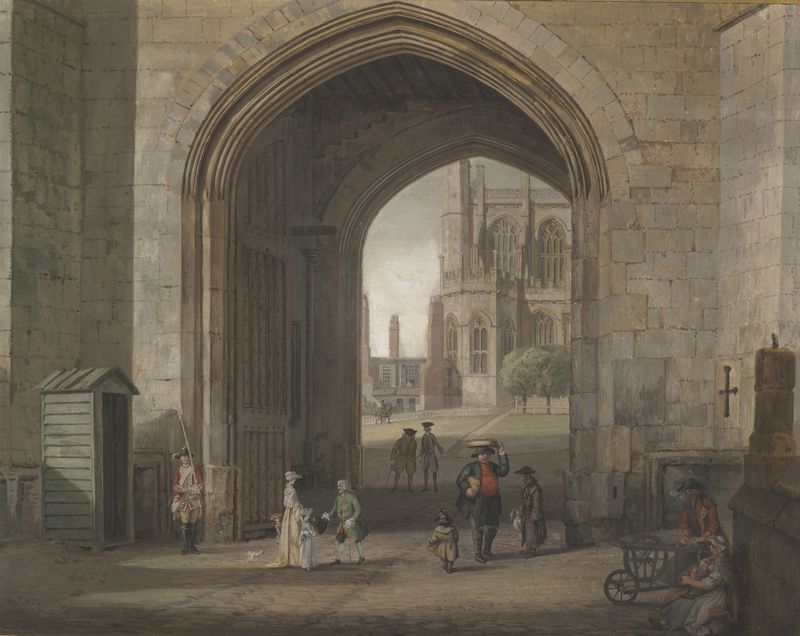
The Tower Gate at Windsor Castle
Paul Sandby

A Distant View of Maidstone, from Lower Bell Inn, Boxley Hill
Paul Sandby
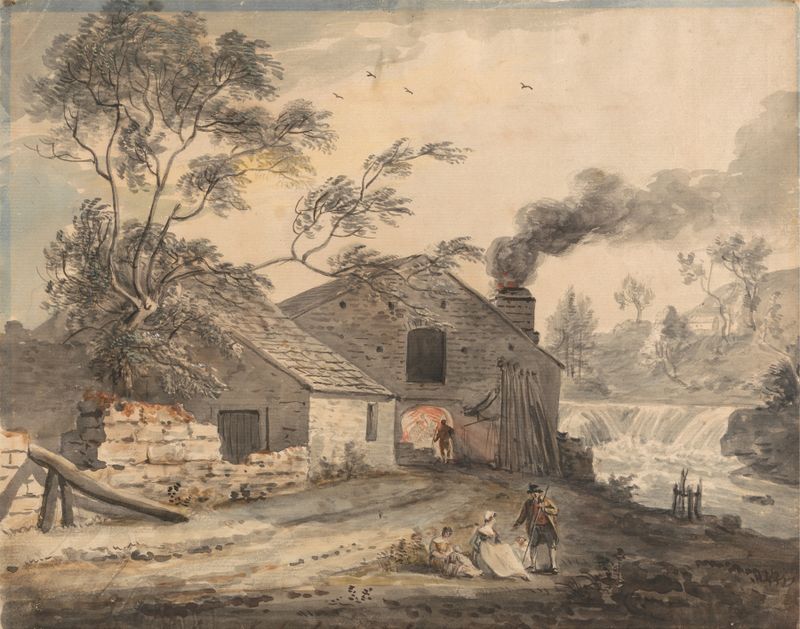
Iron Forge on the River Kent, Westmorland
Paul Sandby
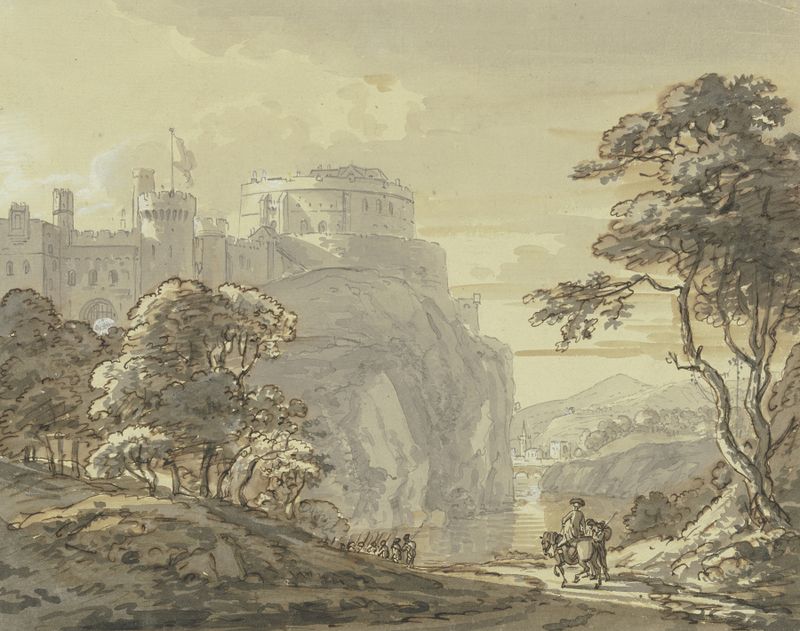
View of Windsor Castle
Paul Sandby

Hackwood Park, Hampshire
Paul Sandby

Roslin Castle, Midlothian
Paul Sandby
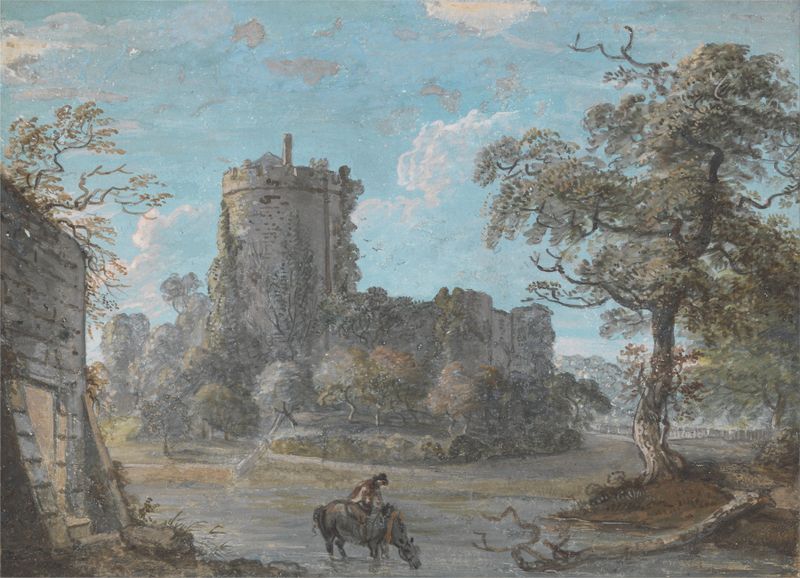
The Entrance to Chepstow Castle
Paul Sandby
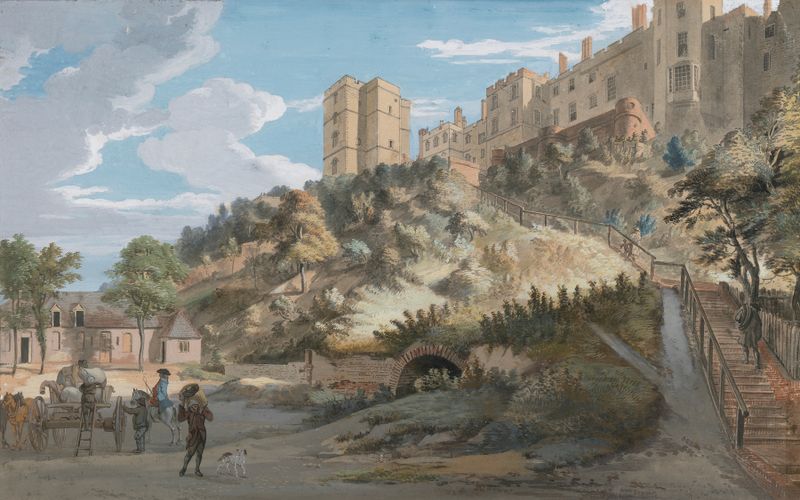
The Hundred Steps and Winchester Tower, Windsor Castle, Berkshire
Paul Sandby

Brook End, Essex
Paul Sandby
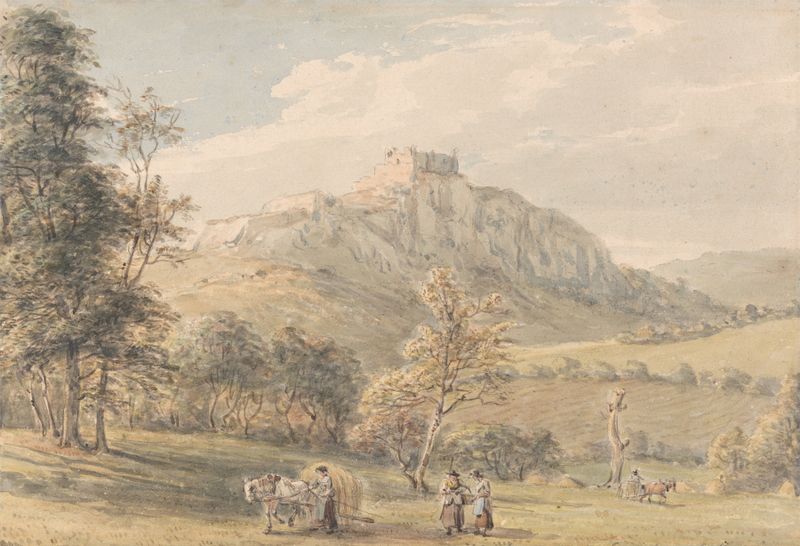
Carreg Cennen Castle
Paul Sandby





