
Lüzelflüh — History & Facts
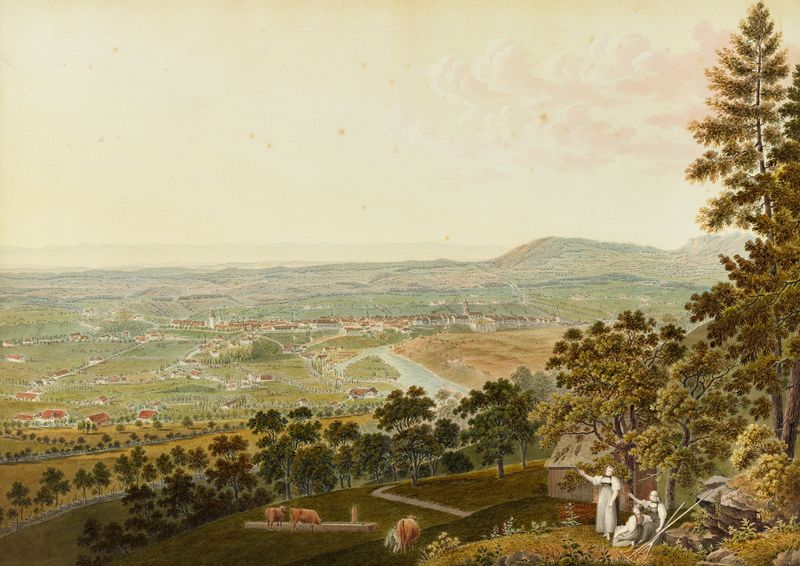
What if silence could speak through light? In Lüzelflüh, the interplay of shadows and illumination invites contemplation, revealing truths hidden within the illusion of form. Look to the left at the delicate interplay of muted earth tones, where soft greens and browns cascade into one another, forming a landscape that feels both lush and ethereal. Notice how the light seems to dance across the surface, illuminating specific elements while allowing others to retreat into shadow. This chiaroscuro technique provides depth, drawing the viewer’s eye through layers of texture and space, subtly guiding them deeper into the scene. Delve into the emotional tension evoked by the contrasting elements in the painting.
The serene beauty of the landscape coexists with a sense of unease; the viewer feels both welcomed and eerily detached, as if caught in a dream. Small details—a fluttering leaf here, a distant figure there—offer whispers of life in an otherwise tranquil setting, reminiscent of nature's quiet yet persistent rhythm. The illusion of this idyllic scene is punctuated by hints of uncertainty, encouraging introspection about what lies beneath the surface. Jakob Samuel Weibel created Lüzelflüh during a time of personal exploration, though the exact date remains unknown.
Working in the late 18th century, he was part of an artistic movement that sought to harmonize beauty with deeper philosophical questions. His work reflects a shift in focus from mere representation to engaging with the viewer's perception, capturing a moment in a world that was transitioning through the Enlightenment and into Romanticism.
More Artworks by Jakob Samuel Weibel
Browse all →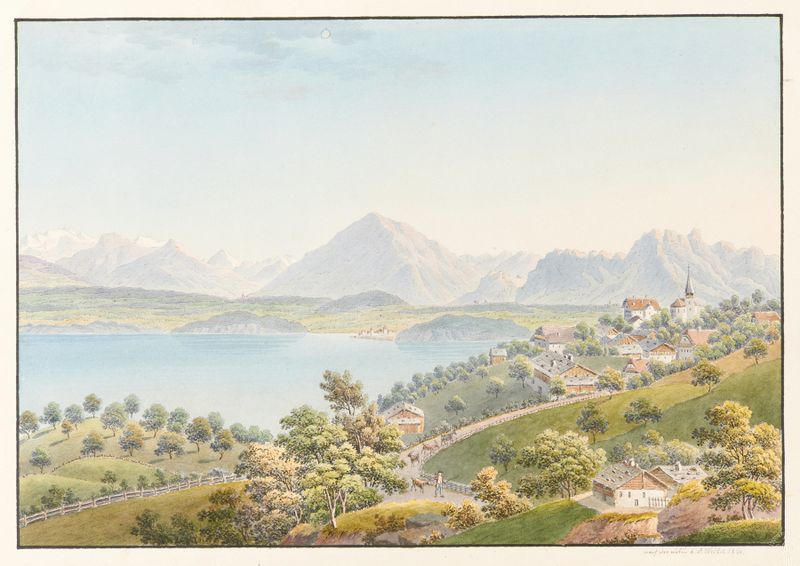
Vue dessiné depuis le Village de Sigriswil, audessus du Lac de Thoune
Jakob Samuel Weibel
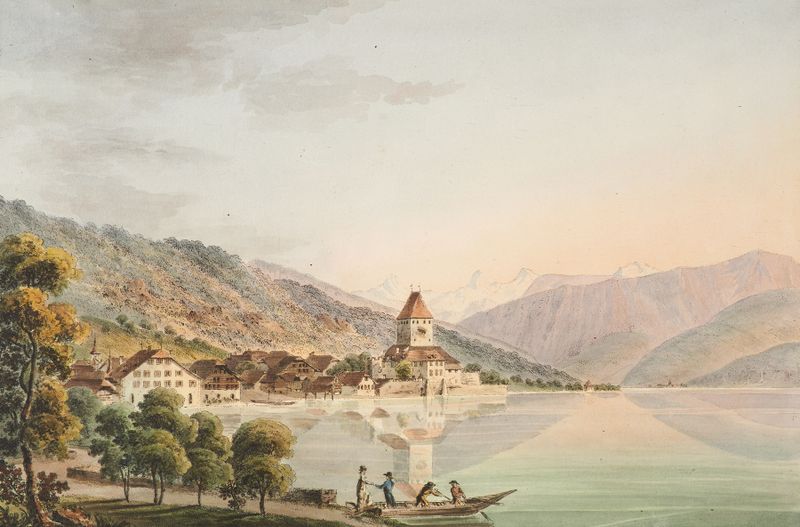
Vûe du Chateau d’Oberhofen au Lac de Thoune
Jakob Samuel Weibel
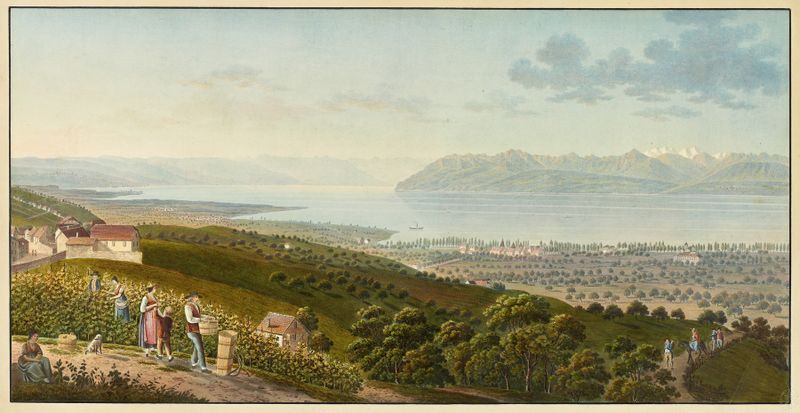
Vue genérale du Lac de Geneve
Jakob Samuel Weibel
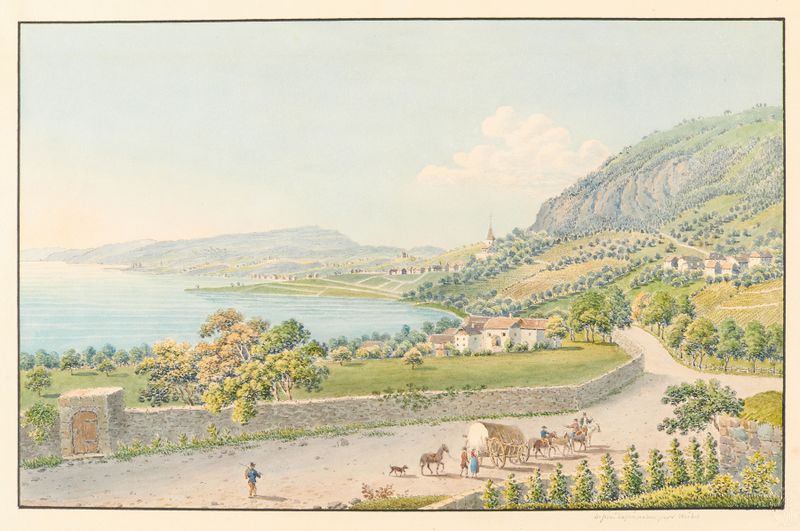
Vue des environs de Montreux et de Clarens
Jakob Samuel Weibel
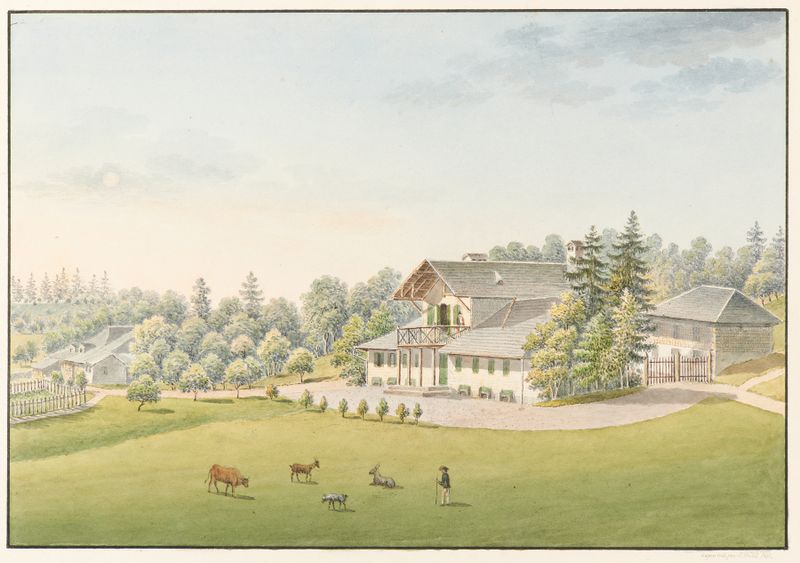
Vue du nouveau Châlet de Vernand
Jakob Samuel Weibel
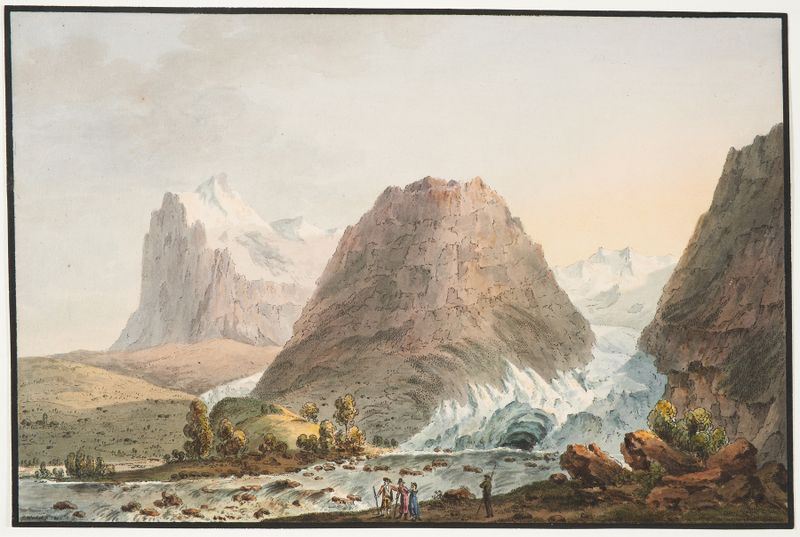
Vûe des Glacieres de Grindelwald
Jakob Samuel Weibel
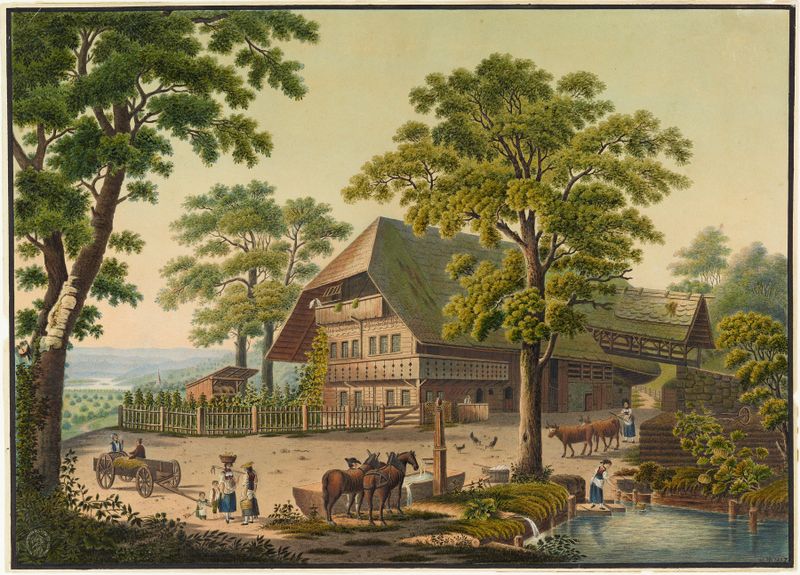
Maison de paysan près Wichtrach
Jakob Samuel Weibel
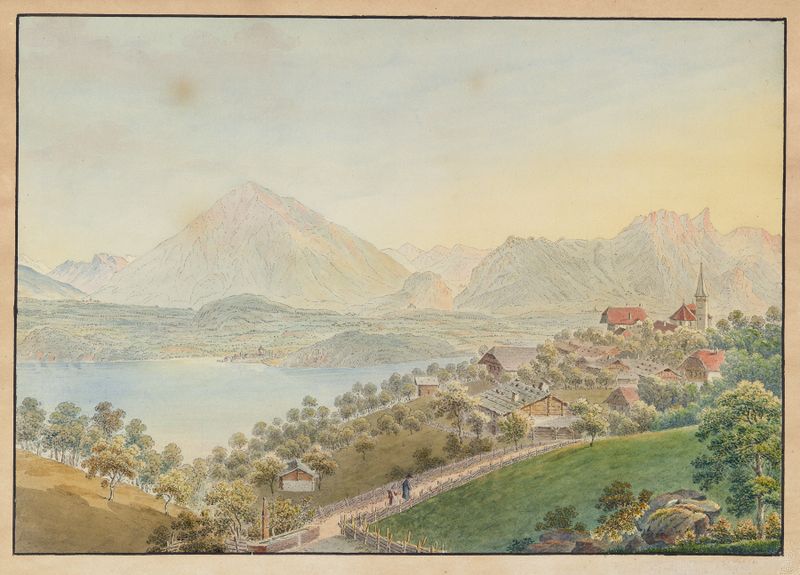
Ansicht von Sigriswil mit Niesen und Thunersee
Jakob Samuel Weibel
Ansicht Berns und der Aare vom Gurten aus
Jakob Samuel Weibel

Lausanne Ville capitale du Canton de Vaud
Jakob Samuel Weibel





