
M.A. Cadart, Fondateur de la Société des Aqua-Fortistes — History & Facts
What immediately draws the eye in this etching is the direct, searching gaze of the sitter, caught in a moment of thoughtful pause. The lines that shape his face and figure are restless, almost vibrating with energy, as if Augustin Théodule Ribot wanted to capture not just a likeness, but the very pulse of the man before him. The sitter’s slightly disheveled hair, the loose grip on a rolled document, and the shadow that falls boldly across his chest all hint at a life lived in the thick of artistic endeavor.
The background is a dense web of crosshatching, pushing the figure forward and heightening the sense of immediacy—this is not a distant icon, but a living, breathing presence. The palette is restricted to the inky tones of the print, yet Ribot’s handling of light and shadow gives the portrait a weight and atmosphere that lingers. This work belongs to the mid-nineteenth-century revival of etching in France, a movement that found its champions among artists and publishers eager to restore the medium’s prestige. The sitter, M.A.
Cadart, was himself a founder of the Société des Aqua-Fortistes, a group devoted to promoting original etching as an art form rather than mere reproduction. In this period, such portraits were both tributes and tools—celebrating key figures in the artistic community and circulating their likenesses among peers and collectors. While history has kept few traces of this particular print’s journey, its date and inscription link it firmly to the energetic Parisian art world of the 1860s, when artists like Ribot were pushing the boundaries of both painting and print.
The sitter’s gaze invites us to imagine the conversations and ambitions that shaped this pivotal moment in the story of art.
More Artworks by Augustin Théodule Ribot

The Scullion
Augustin Théodule Ribot

The Artist's Daughter
Augustin Théodule Ribot
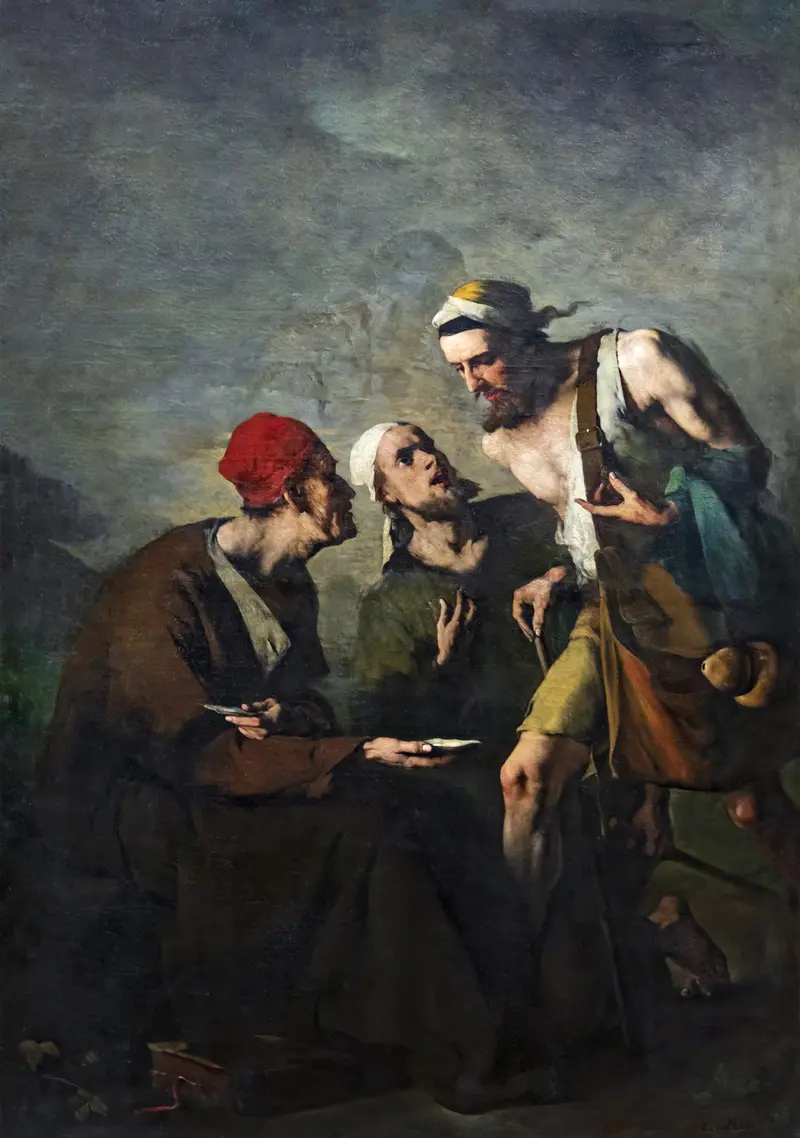
The oyster and the Litigant's
Augustin Théodule Ribot

The philosophers
Augustin Théodule Ribot

Singers
Augustin Théodule Ribot

Oyster and timbale
Augustin Théodule Ribot
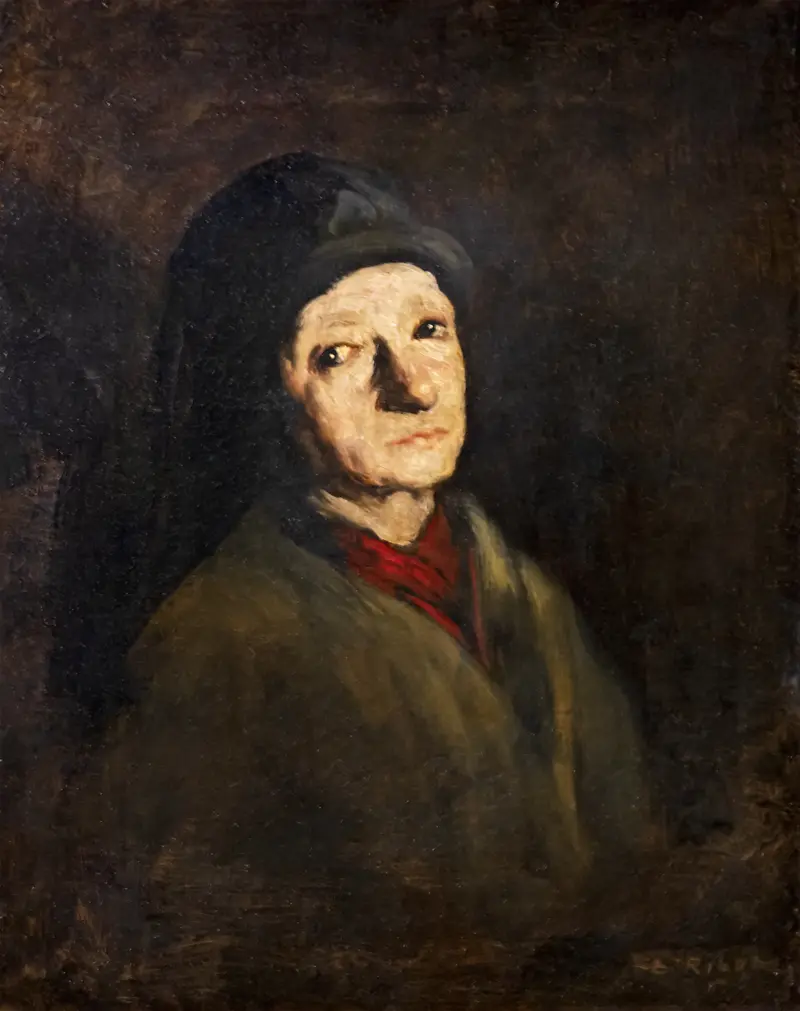
Portrait of the artist's mother
Augustin Théodule Ribot

Three old jews
Augustin Théodule Ribot

' Landscape ', known as ' La Maison de Corot in Ville-d'Avray '
Augustin Théodule Ribot
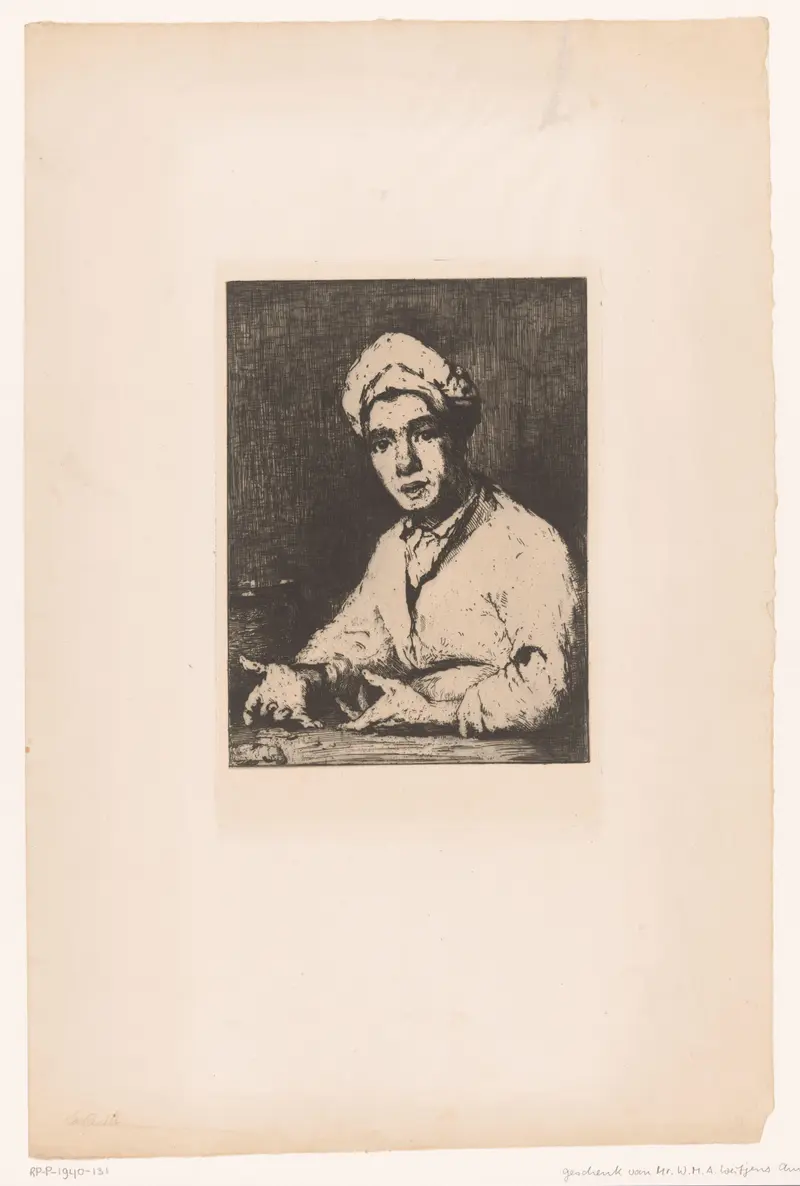
La recette du cuisinier
Augustin Théodule Ribot





