
Maaier in weiland — History & Facts
In that stillness, we confront our own feelings of emptiness and longing, echoing the vast, open spaces depicted in this work. Look to the foreground where a solitary figure stands amidst a wide expanse of grass, the simplicity of the composition inviting contemplation. The muted greens and browns blend seamlessly, creating a soft, natural palette that evokes both tranquility and solitude. Notice how the horizon stretches infinitely, drawing your eye toward the sky, which looms heavy yet peaceful.
The brushwork is fluid, capturing the gentle sways of the grass, while the figure, lost in thought, becomes an integral part of the landscape. There’s a profound tension between presence and absence in this piece. While the figure is present, their posture suggests introspection, hinting at a world beyond the immediate scene—perhaps a yearning for connection or understanding. The emptiness of the landscape amplifies this sentiment, creating a juxtaposition of the individual against the limitless, unyielding nature that surrounds them.
Each blade of grass becomes a whisper of what might be, while the expansive sky serves as a metaphor for unfulfilled desires. Witsen painted this work during a period of personal exploration and transformation. As he navigated the transition from a traditional style to a more impressionistic approach, he was living in the Netherlands, where the tranquility of rural life influenced his artistic vision. The early 20th century was a time of great change in the art world, and Witsen was at the forefront of these evolving ideas, using his experience to express profound themes of solitude and existence.
More Artworks by Willem Witsen
Browse all →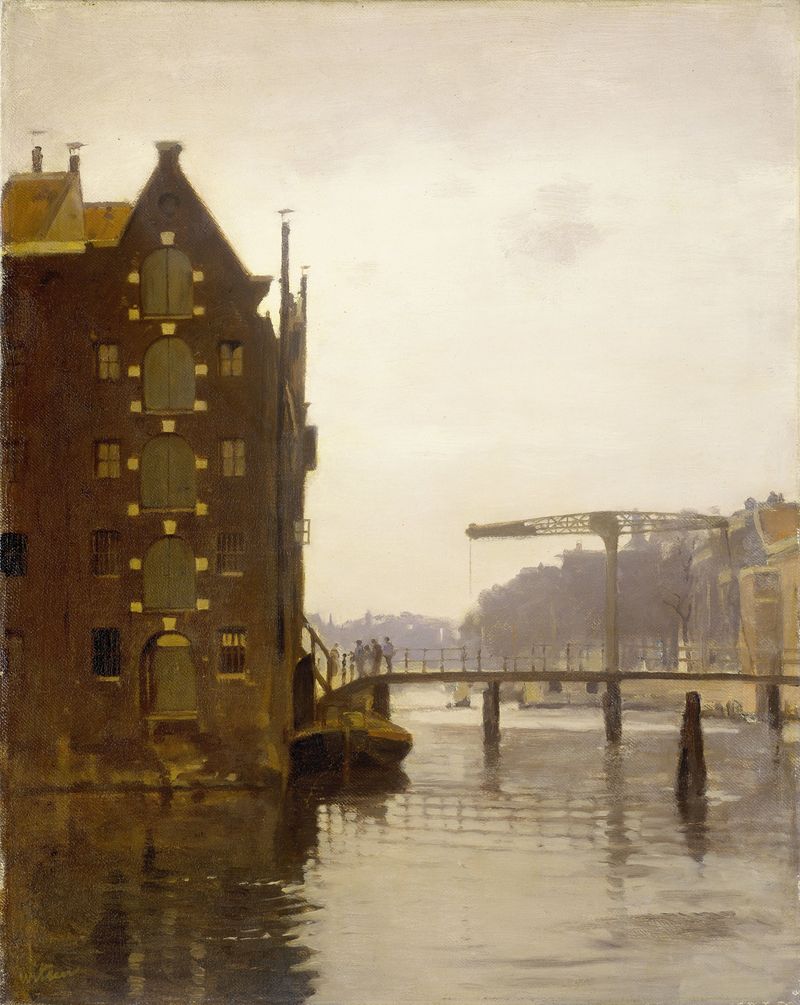
Pakhuizen aan een Amsterdamse gracht op Uilenburg
Willem Witsen

Huizen aan een gracht
Willem Witsen
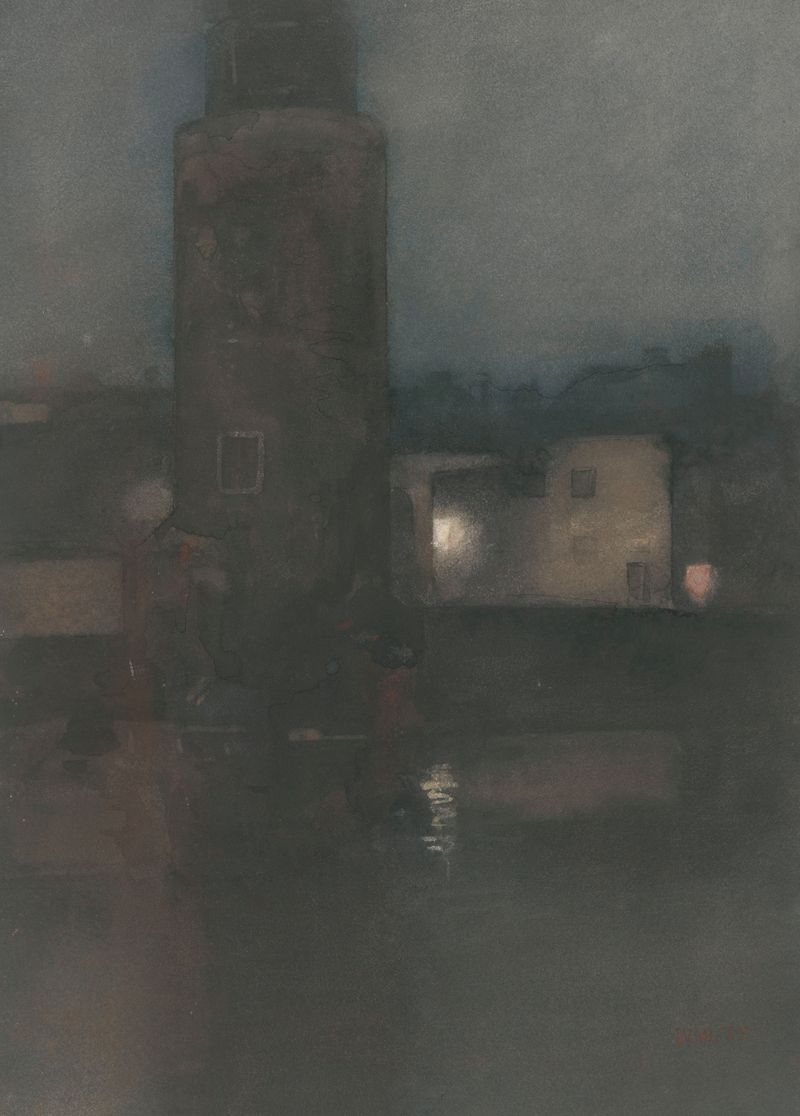
De Montelbaanstoren te Amsterdam bij nacht
Willem Witsen
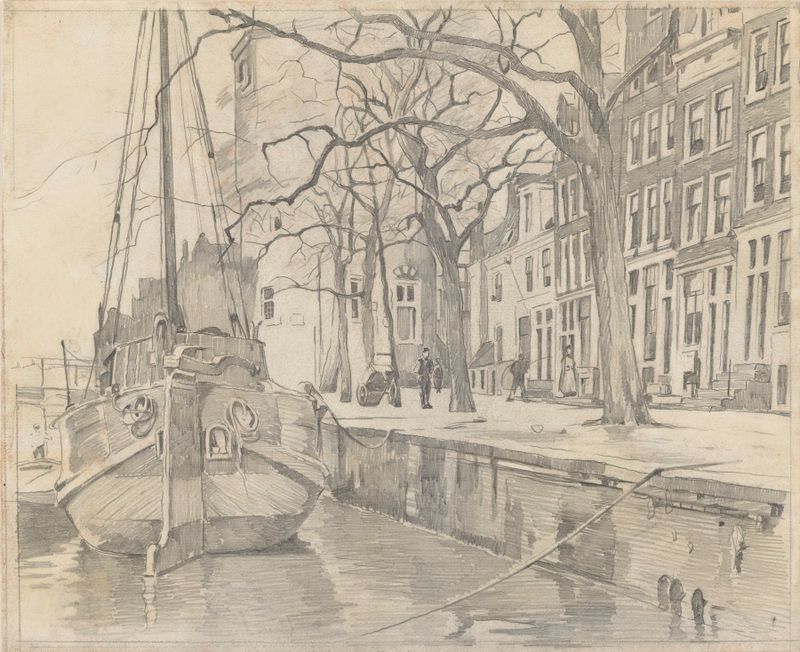
De Oude Waal te Amsterdam
Willem Witsen
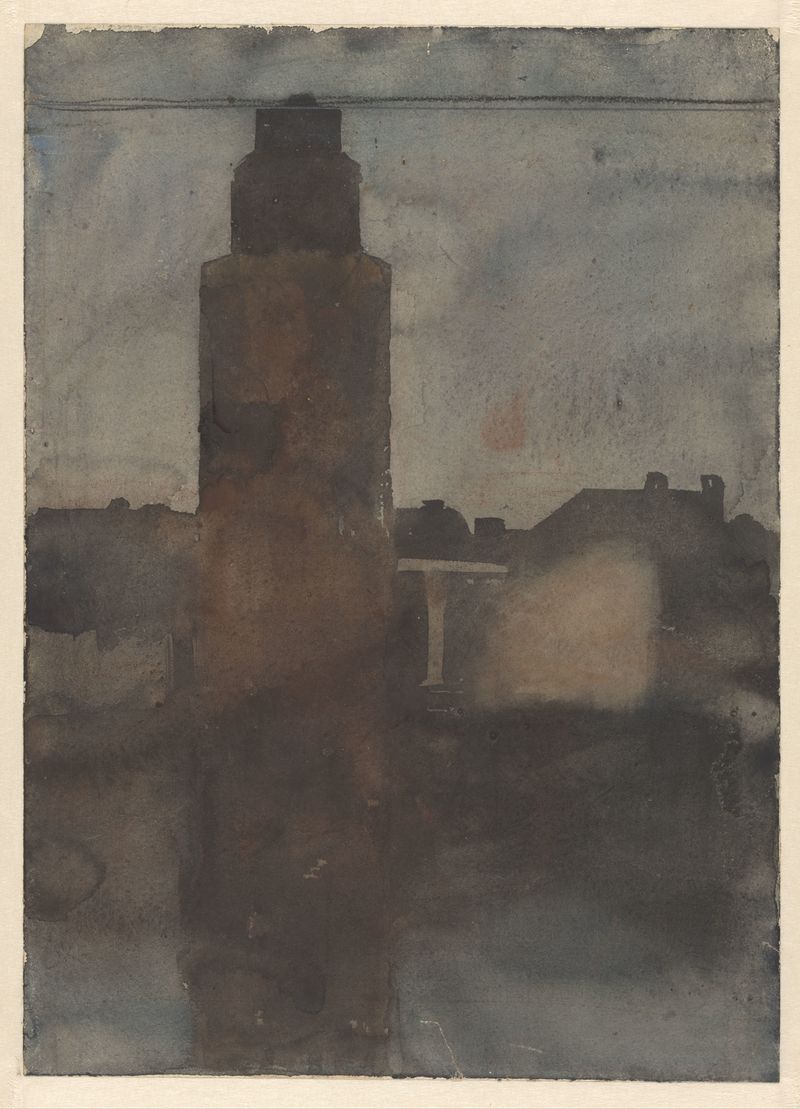
De voet van de Montelbaanstoren, bij avond
Willem Witsen

Portret van de kunstschilder Anton Mauve
Willem Witsen
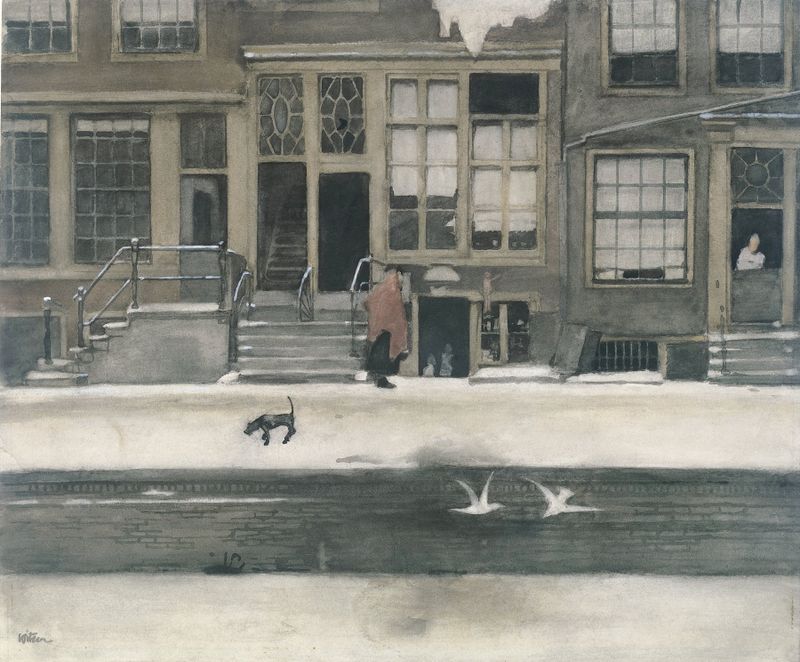
De Kromboomsloot te Amsterdam
Willem Witsen

Gezicht op de Binnen-Amstel in de nevel
Willem Witsen
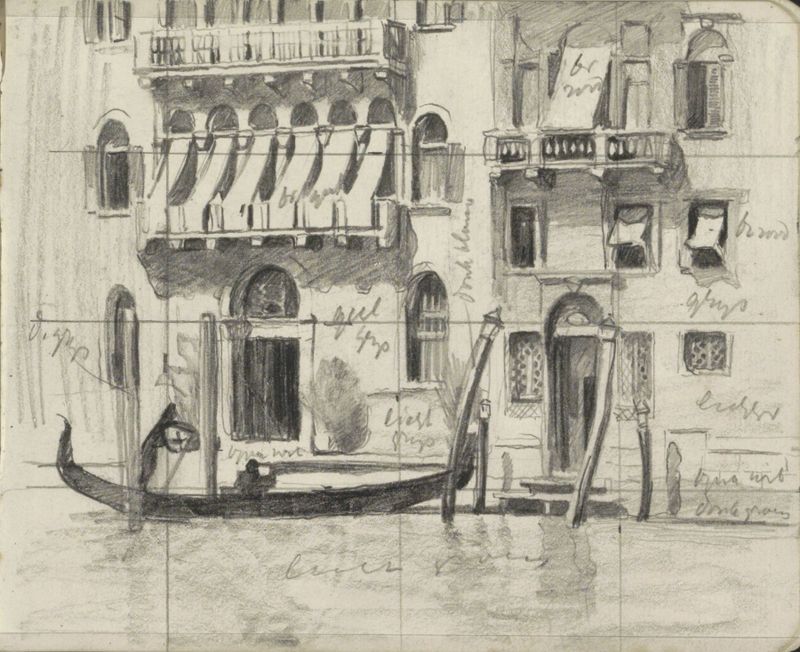
Huizen met zonwering over de balkons aan het Canal Grande te Venetië
Willem Witsen
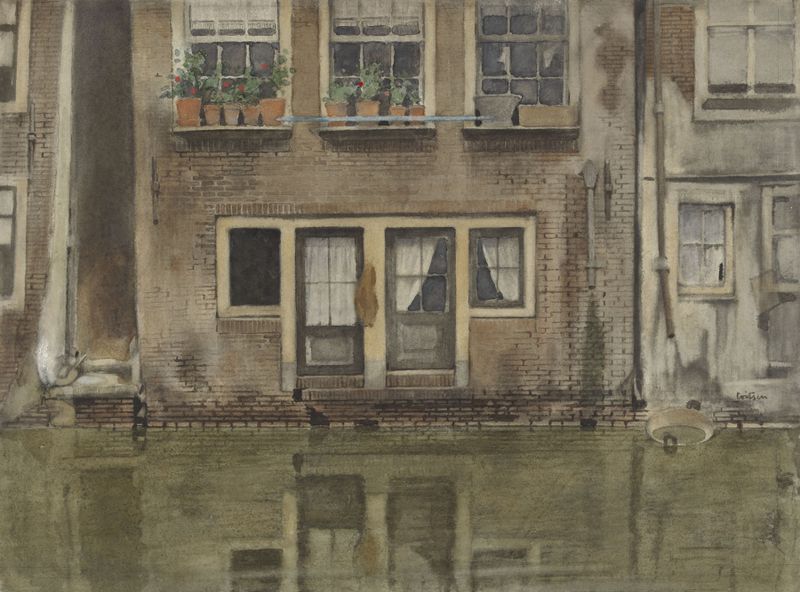
Huizen aan een gracht te Amsterdam
Willem Witsen





