
Maaltijd in Emmaüs — History & Facts
Could a single brushstroke hold eternity? In Maaltijd in Emmaüs, Jacques Callot invites us to contemplate the delicate balance between the divine and the mundane, a moment suspended in time where the ordinary becomes extraordinary. Look first to the central figures, whose expressions capture a blend of surprise and recognition. The warm, earthy tones envelop the scene, drawing your gaze toward the luminous glow of the table as light reflects off the food. Notice how the intricate textures of the fabrics contrast with the smoothness of the table, creating a palpable tension that underscores the gravity of the moment.
Callot’s meticulous attention to detail brings every element to life, emphasizing the importance of the gathering. Within this intimate composition lies a profound exploration of faith and revelation. The gestures of the figures convey a silent dialogue; the raised hands suggest both inquiry and acceptance. The subtle interplay between light and shadow enhances the emotional weight of the scene, illustrating the balance between doubt and belief.
Every element serves to heighten the viewer's engagement, compelling us to ponder the nature of recognition in a spiritual context. Created between 1621 and 1625, this piece emerged during a time of significant artistic innovation in France. Callot was deeply influenced by the Baroque style, characterized by dramatic expressions and intense detail. During this period, religious themes were prevalent, reflecting both personal and societal struggles for meaning amid the chaos of the Thirty Years' War.
The artist's ability to weave such rich narratives into his work marks him as a pivotal figure in early modern art.
More Artworks by Jacques Callot
Browse all →
Titelprent voor de prentreeks 'De kleine apostelen' (Het martelaarschap van de apostelen)
Jacques Callot
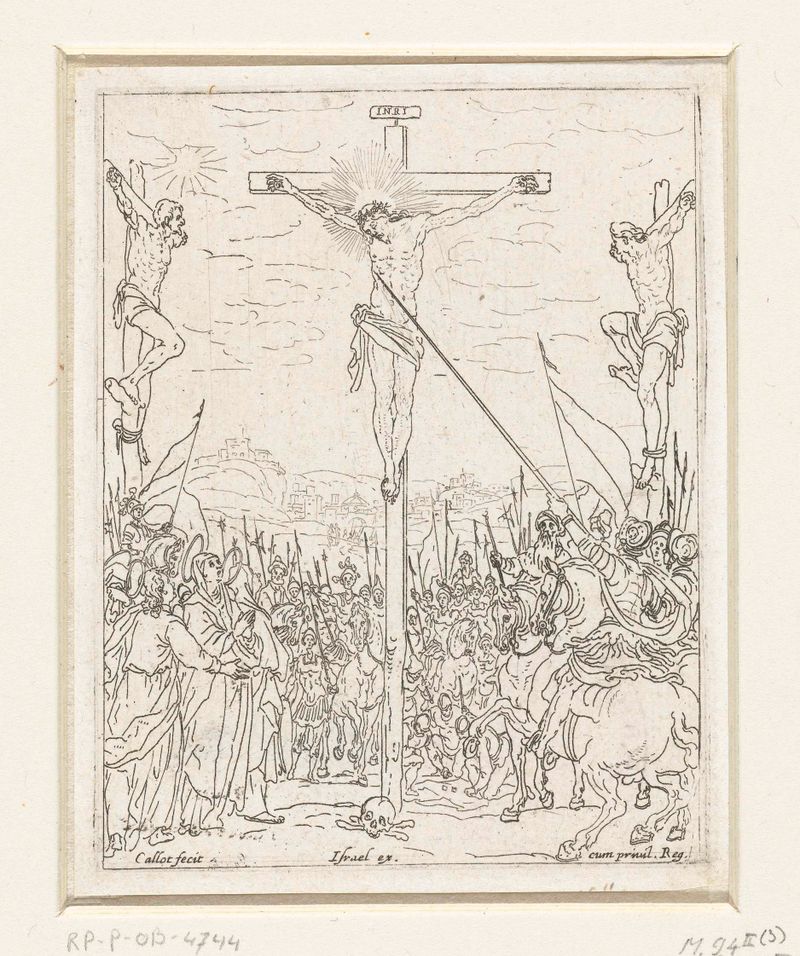
Kruisiging
Jacques Callot

De doortocht door de Rode Zee
Jacques Callot

De verloren zoon als zwijnenhoeder
Jacques Callot

Annunciatie
Jacques Callot
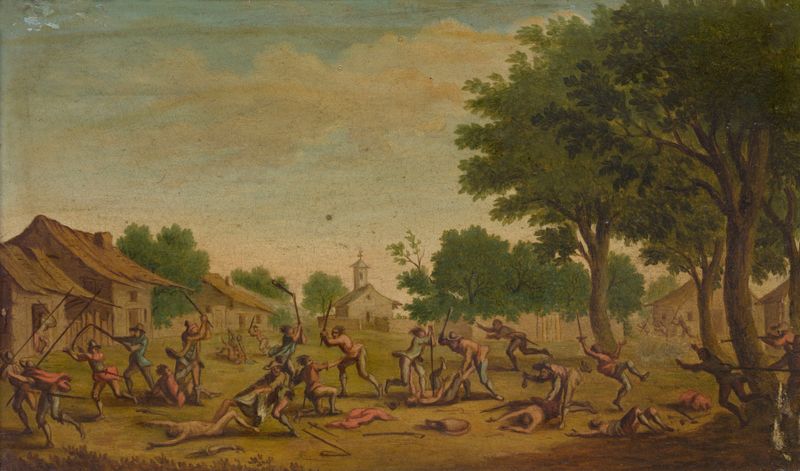
Village Fight
Jacques Callot

Titelprent voor prentreeks 'Het leven van Maria'
Jacques Callot
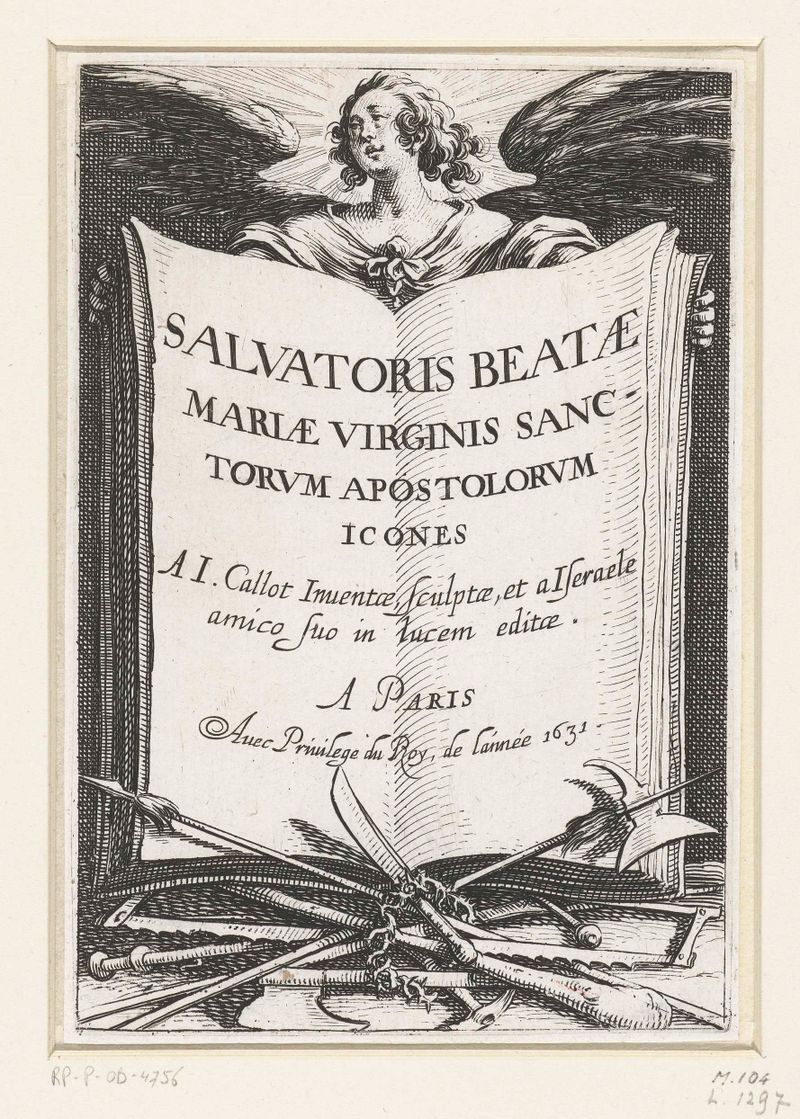
Titelprent voor de prentreeks 'De grote apostelen' (Christus, Maria en de apostelen)
Jacques Callot

Christus aan het volk getoond (Ecce homo)
Jacques Callot
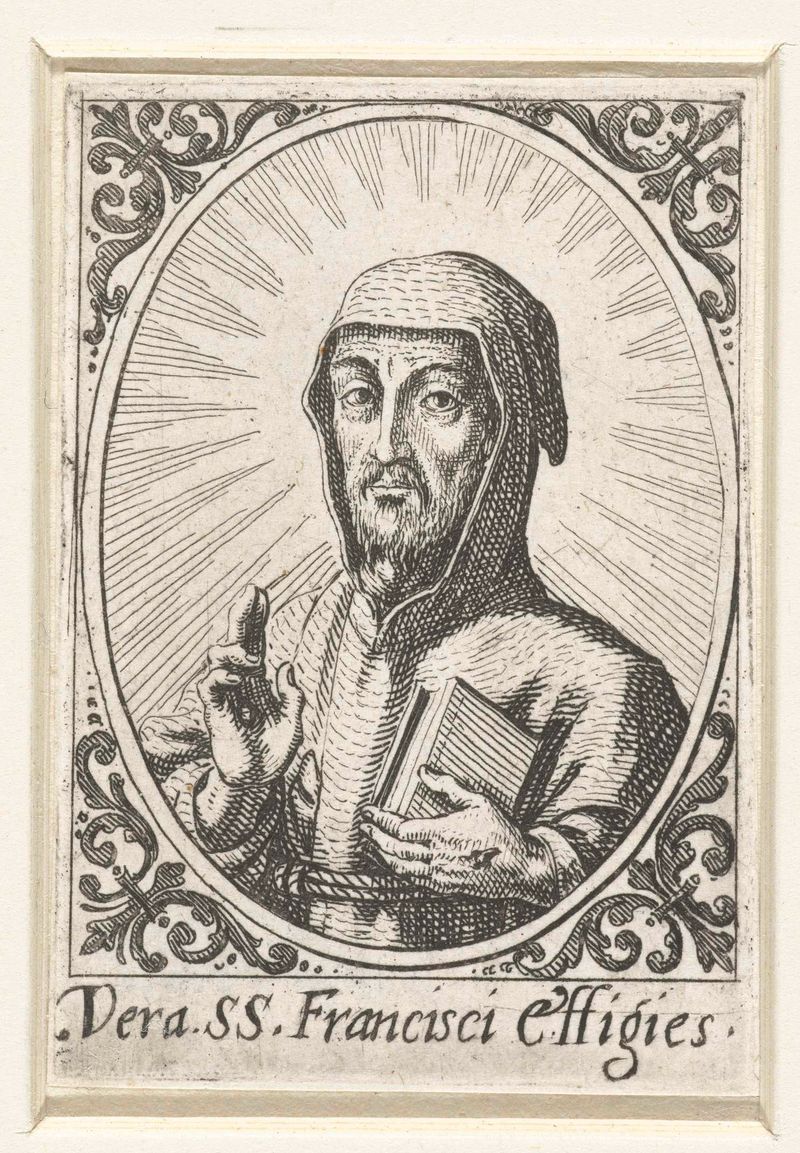
Portret van de Heilige Franciscus
Jacques Callot
More Religious Art
Browse all →
The Return of the Prodigal Son
Rembrandt van Rijn

The Garden of Earthly Delights
El Bosco

Count Orgaz’ funeral
El Greco

The Hundred Guilder Print: the central piece with Christ preaching, the plate arched
Rembrandt van Rijn

The Descent from the Cross
Rogier van der Weyden

The return of the prodigal son
Rembrandt van Rijn