Maastik — History & Facts
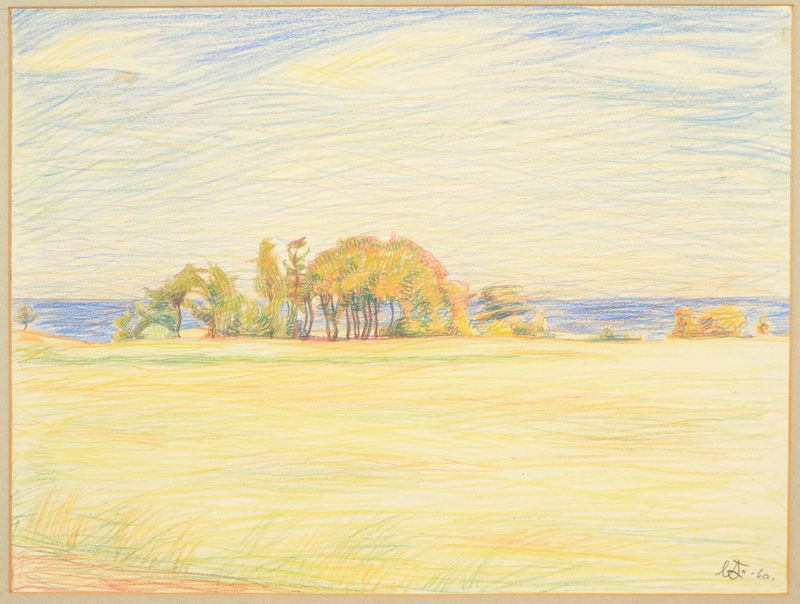
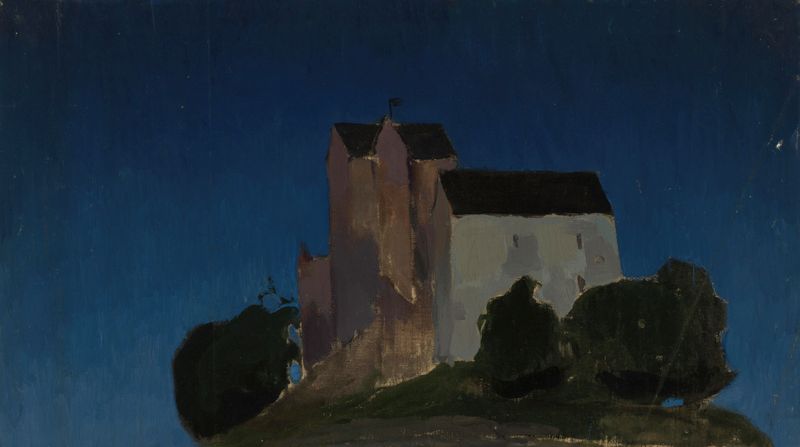
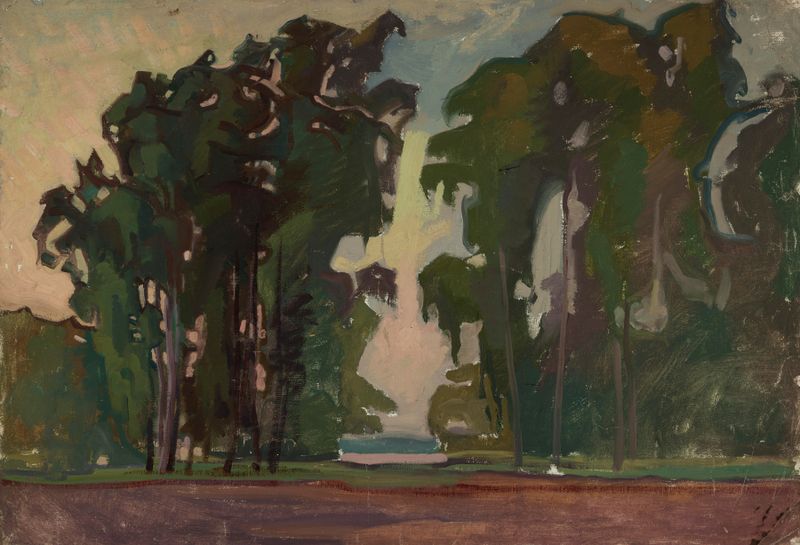
In Maastik, the essence of obsession unfolds, inviting viewers into a realm where the mind's fervor becomes transcendent. Look to the center of the canvas, where a solitary figure emerges amidst a swirling landscape. The interplay of deep greens and earthy browns creates a meditative atmosphere, while the figures’ exaggerated proportions evoke an unsettling sense of urgency. Notice how the brushstrokes pulse with energy, guiding your eyes around the composition.
The texture varies, from smooth blends that suggest calm to jagged lines that evoke turmoil, encapsulating a battle between tranquility and anxiety. Within the chaotic beauty lies a narrative steeped in emotional tension. The figure's reaching hand seems to grasp at unseen threads of thought, each stroke a testament to the obsession that clouds the mind. The surrounding landscape, though natural, holds an intangible weight, emblematic of internal struggles that mirror the outer world.
This duality, the interplay of isolation amidst a vibrant environment, beckons the viewer to consider their own obsessions and the barriers they build between themselves and reality. Nikolai Triik painted Maastik in Estonia between 1913 and 1920, a period marked by personal exploration and a shifting artistic landscape. During these years, he delved into expressionism, influenced by the complexities of post-war existence and the burgeoning modernist movements. This artwork reflects the artist's response to the tumultuous world around him, encapsulating an introspective journey that resonates with the chaos of his time.