Mets — History & Facts
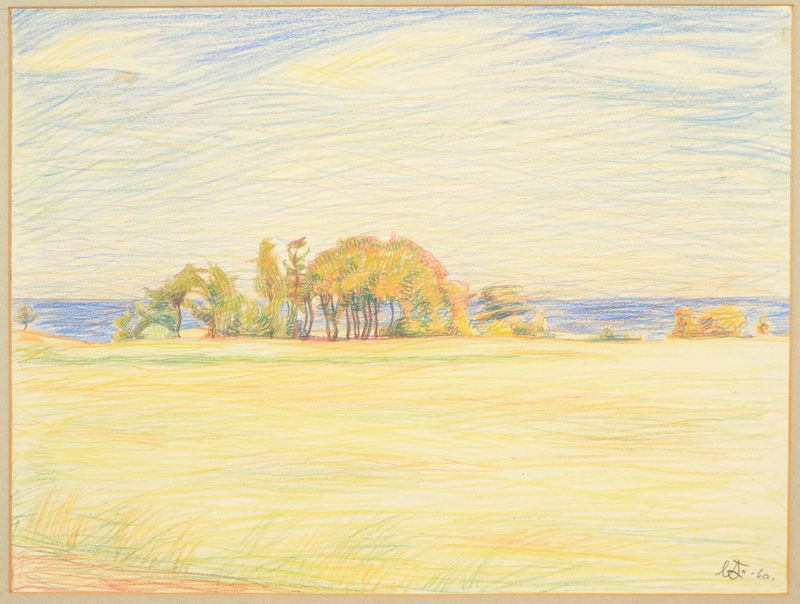
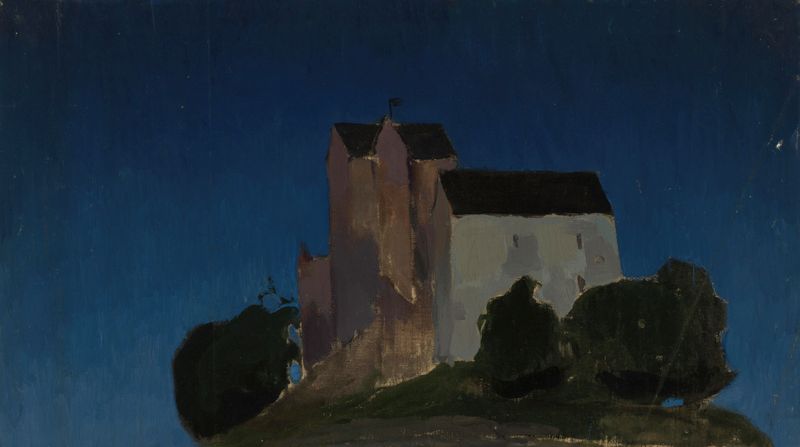
In the quiet recesses of memory, reflections hold a poignant weight, capturing moments that linger like whispers in the mind. Look to the left at the delicate interplay of color, where muted greens and soft blues converge in a tranquil dance. The layered textures invite the eye to wander, revealing intricate patterns that suggest a horizon blurred by twilight. Notice how the light emerges faintly from the top, casting an ethereal glow that seems to breathe life into the canvas, drawing you into a realm where time pauses and stillness reigns. As you delve deeper, the emotional tension unfolds — the contrast between the gentle brushstrokes and the underlying chaos of layered colors reflects a struggle between tranquility and turmoil.
The serene surface belies an undercurrent of complexity, much like a calm sea hiding a tempest beneath. Each mark tells a story, echoing the artist's inner world and the tumult of an era marked by change and uncertainty. During the period between 1913 and 1920, the artist created this work amidst profound transformations in both personal and artistic realms. Living in Estonia, Triik was influenced by the burgeoning modernist movements, navigating his own identity while contributing to the evolving landscape of Eastern European art.
This painting emerged from a time of searching, revealing not only his artistic evolution but also the broader narrative of a society caught between tradition and the future.