
Madame Adelina Patti — History & Facts
When Gustave Doré turned his attention to Madame Adelina Patti, he was capturing not just a celebrated soprano, but a phenomenon who had already conquered the opera houses of Europe by her early twenties. Patti’s fame was such that even Queen Victoria counted herself among her admirers, and her performances drew crowds that rivaled those for royalty. Doré, best known for his dramatic engravings and illustrations, rarely painted portraits, making this depiction of Patti a rare and fascinating exception in his oeuvre.
The exact date and circumstances of the commission remain uncertain, adding an air of mystery to the work—was it a tribute from an admirer, or a collaboration between two celebrities of their age? Doré chooses to present Patti not in the midst of dramatic stage action, but in a moment of poised stillness, her gaze direct and self-assured. The artist’s attention to the shimmer of her gown and the delicate handling of her features signal both her status and charisma. A subtle play of light draws the viewer’s eye to her face, while her hands, perhaps resting on a score or bouquet, hint at her identity as a performer.
Unlike the formal, distant portraits of singers by contemporaries such as Franz Xaver Winterhalter, Doré’s approach feels more intimate, emphasizing Patti’s individuality rather than her public persona. The result is a portrait that balances theatrical glamour with a sense of personal presence. The subsequent history of Madame Adelina Patti is not well documented, and both its medium and early provenance remain matters of scholarly discussion. It is likely the painting was once in the possession of Patti herself or a devoted patron, as was common for portraits of celebrated performers.
Today, the work stands as an intriguing artifact of the intersection between visual and performing arts in the nineteenth century, and a rare testament to Doré’s versatility beyond his famed illustrations. Its presence in collections—whether public or private—continues to invite questions about the networks of celebrity, artistry, and admiration that shaped the era.
More Artworks by Gustave Doré

The Deluge
Gustave Doré
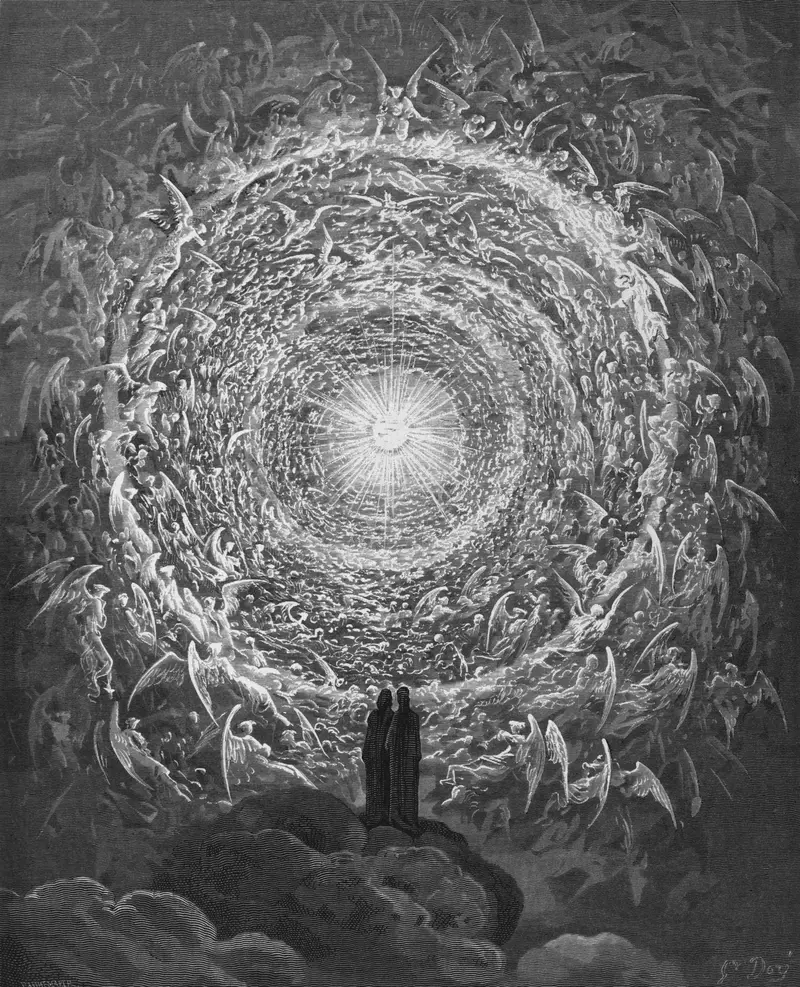
The Empyrean (Paradiso, Canto 31)
Gustave Doré
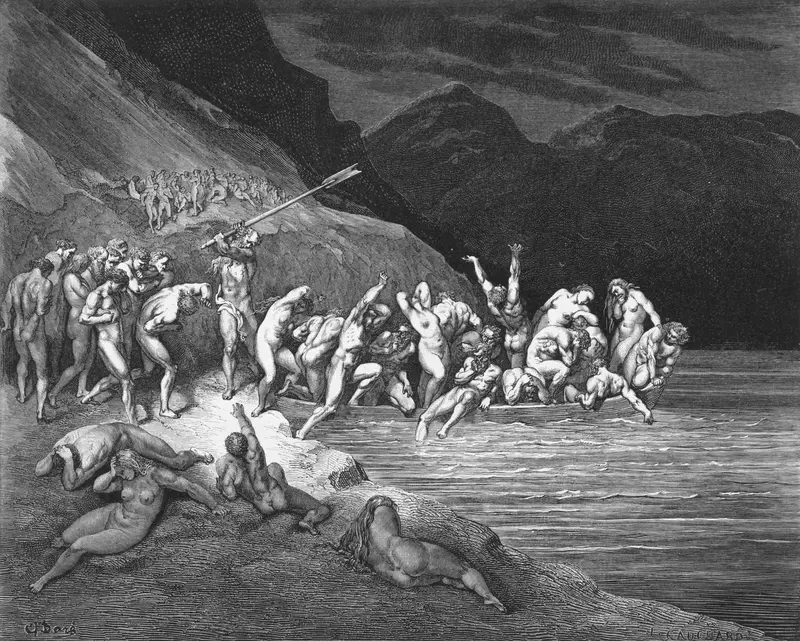
Charon (Inferno, Canto 3)
Gustave Doré
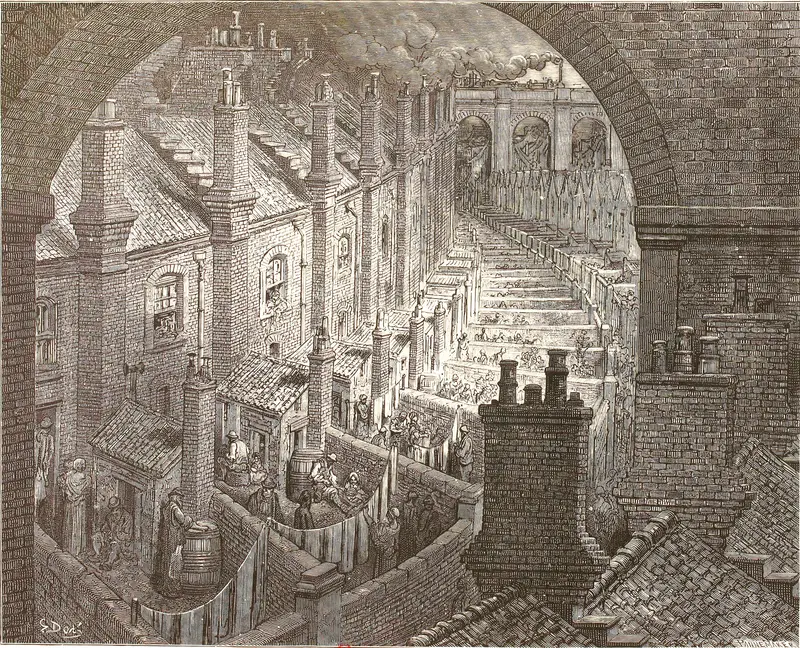
Over London by Rail
Gustave Doré
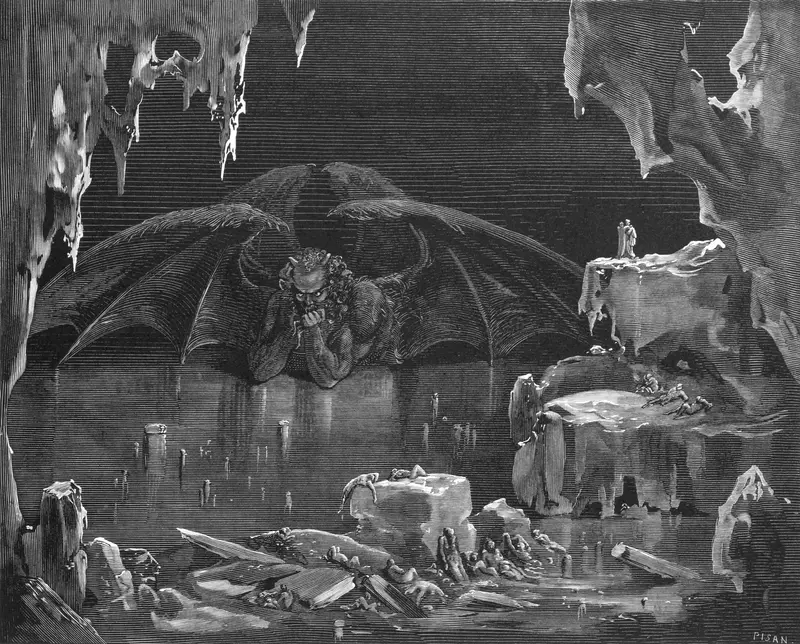
Lucifer, King of Hell
Gustave Doré
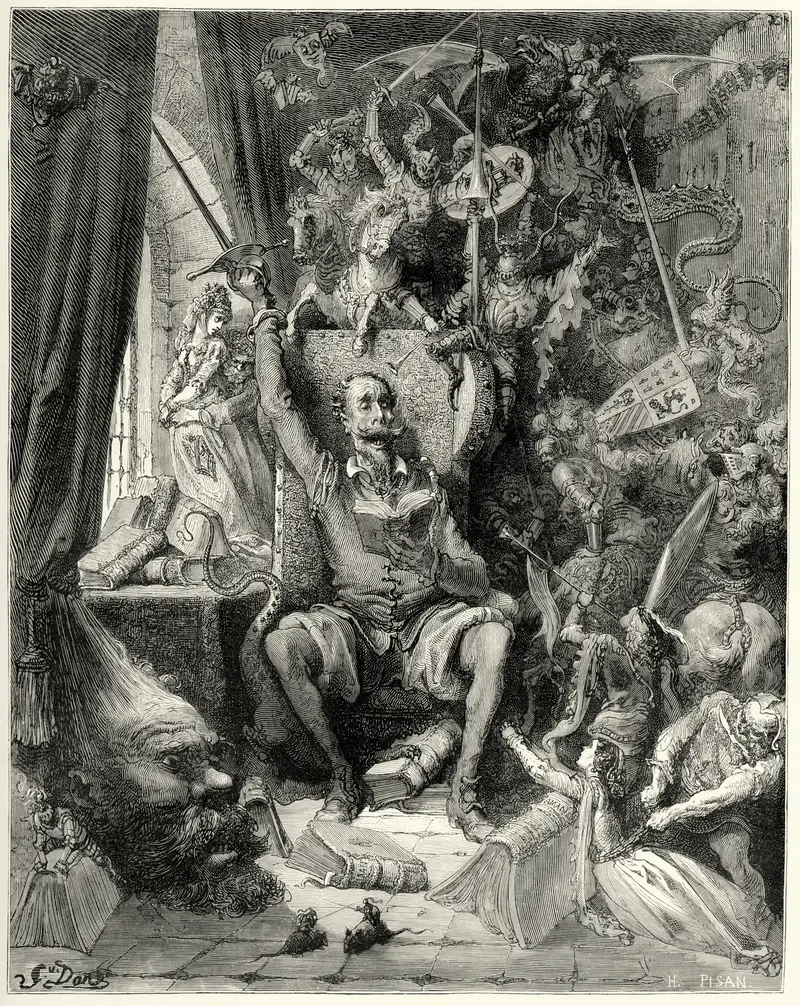
Don Quixote in His Library
Gustave Doré
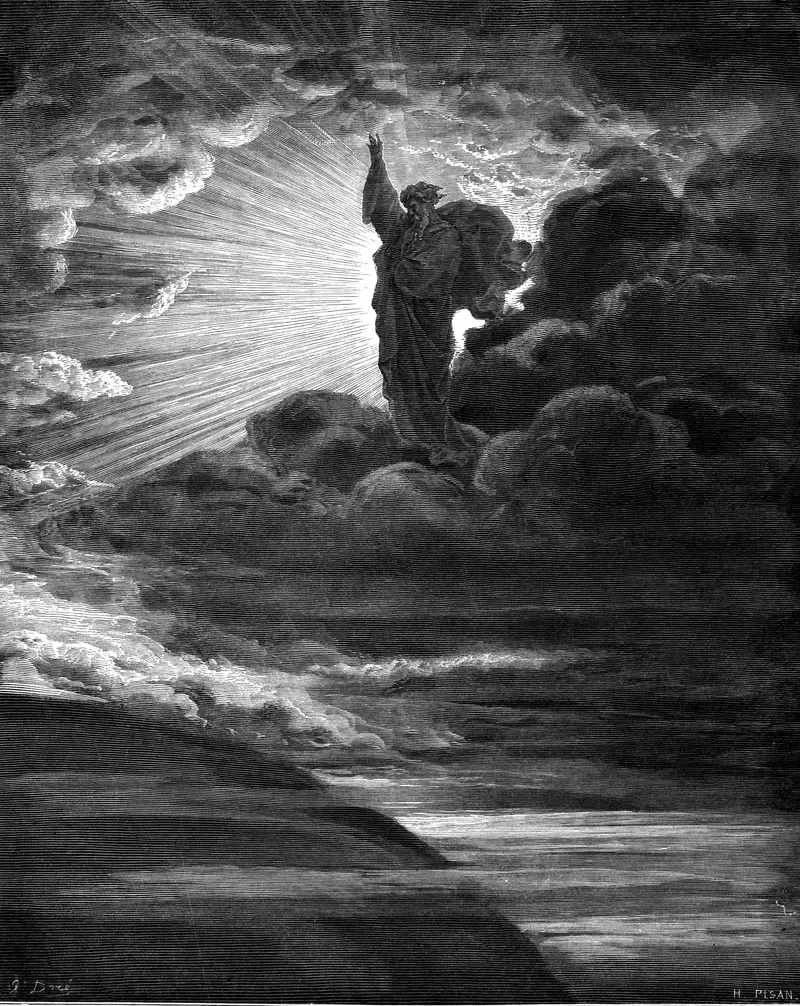
The Creation of Light
Gustave Doré
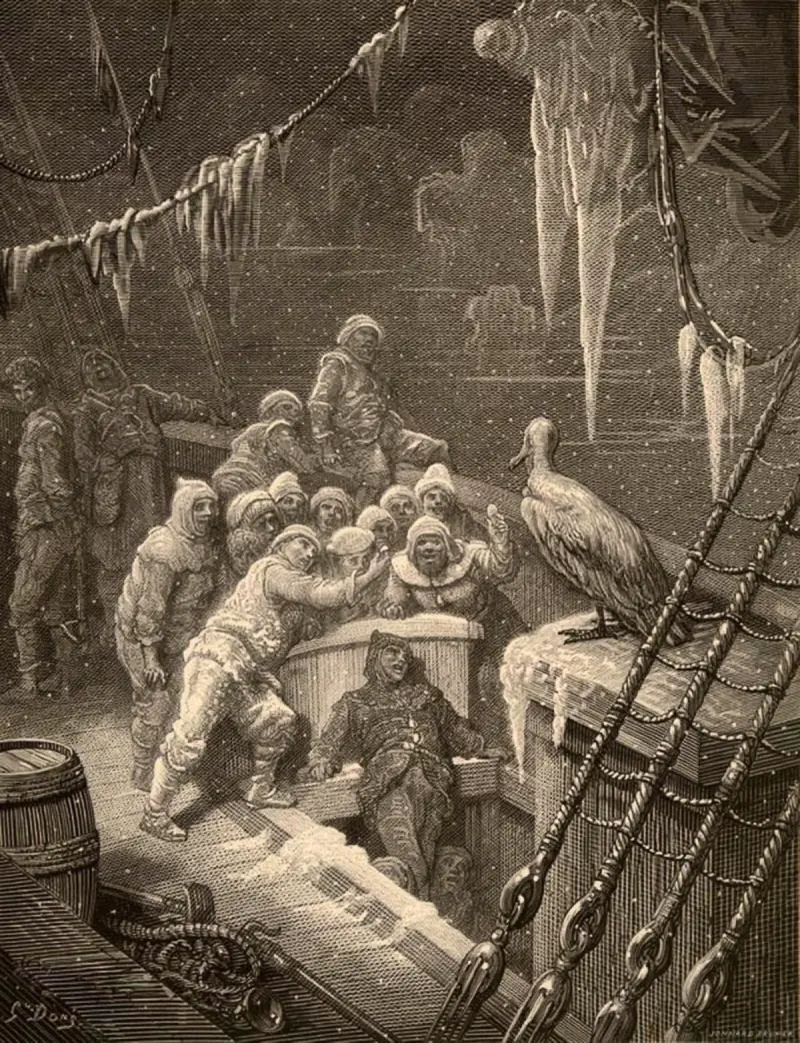
The Albatross (The Rime of the Ancient Mariner)
Gustave Doré
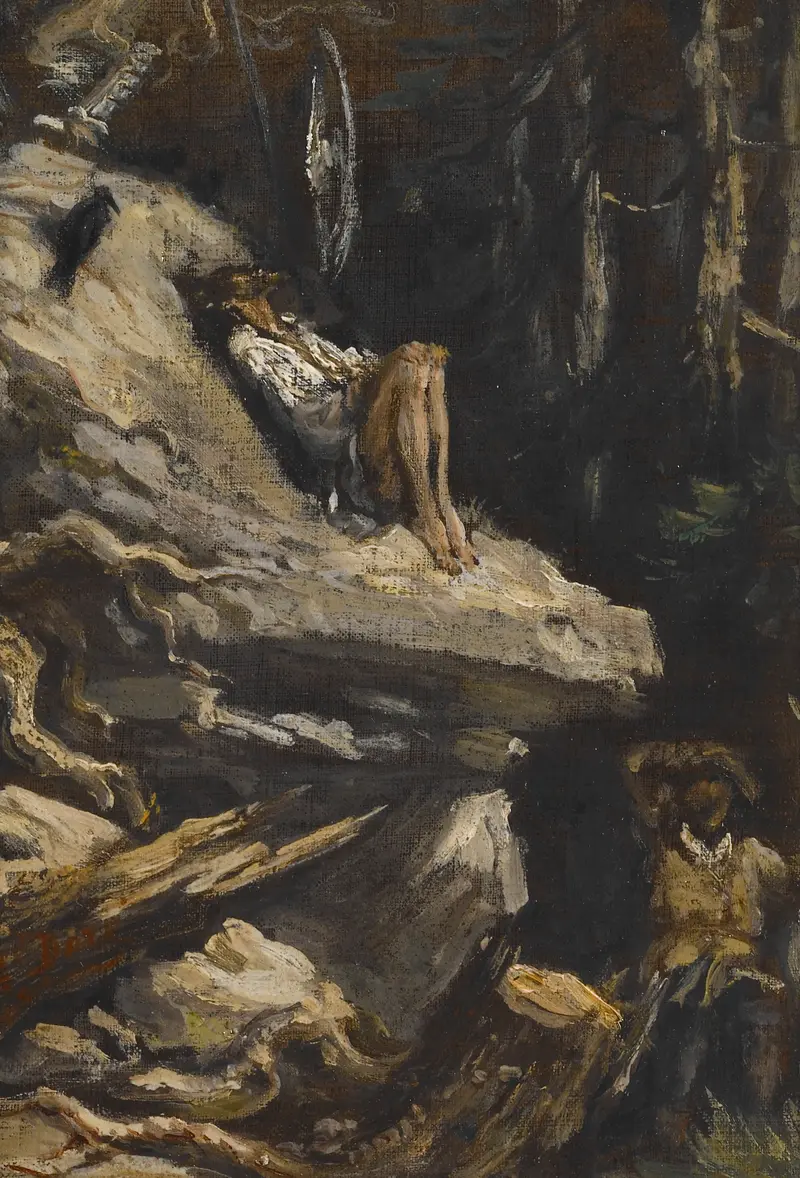
"'Alas!' answered Sancho, 'I found him in his shirt, lean, pale, and almost starved, sighing for his Lady Dulcinea'" from Don Quixote
Gustave Doré
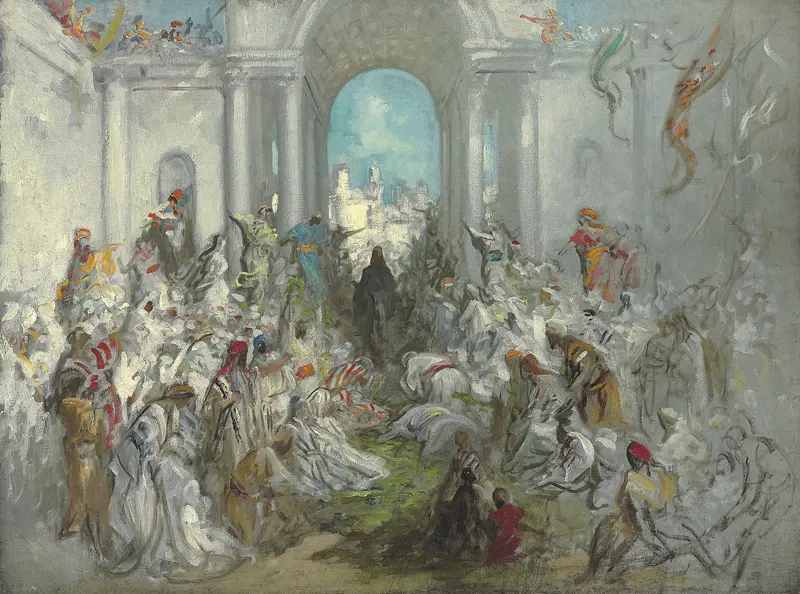
Christ's Entry into Jerusalem
Gustave Doré





