
Madame Léon Clapisson — History & Facts
Can paint confess what words never could? In Madame Léon Clapisson, the canvas breathes life into the unspoken, revealing an intimacy that transcends mere portrayal. Look closely at the figure of Madame Clapisson as she sits gracefully, her posture both relaxed and poised. Notice how the soft brushstrokes blend the gentle hues of her dress, evoking a warmth that invites you into her world. The light cascades through a window, illuminating her face with a tender glow, accentuating the delicate features that express both serenity and a hint of longing.
The background, a soft blur of muted colors, draws your attention back to her, making her the undeniable focal point of this intimate composition. The subtle interplay of colors whispers of deeper emotions—perhaps a reflection of the domestic life she occupies, or the complexities of identity within the confines of societal expectations. The slight tilt of her head implies a moment of contemplation, stirring questions about her inner life, while the rich textures of her clothing contrast with the ethereal quality of the light surrounding her. This duality encapsulates the tension between public persona and private self, inviting the viewer to ponder the stories hidden behind her poised facade. In 1883, when this work was created, Renoir was immersed in the Impressionist movement, celebrating light and color as conduits of emotion.
Living in Paris, he was exploring new techniques that captured fleeting moments, departing from traditional forms. This painting reflects both his artistic evolution and the cultural shifts of the time, where the modern woman was beginning to emerge, redefining her role in society.
More Artworks by Pierre-Auguste Renoir
Browse all →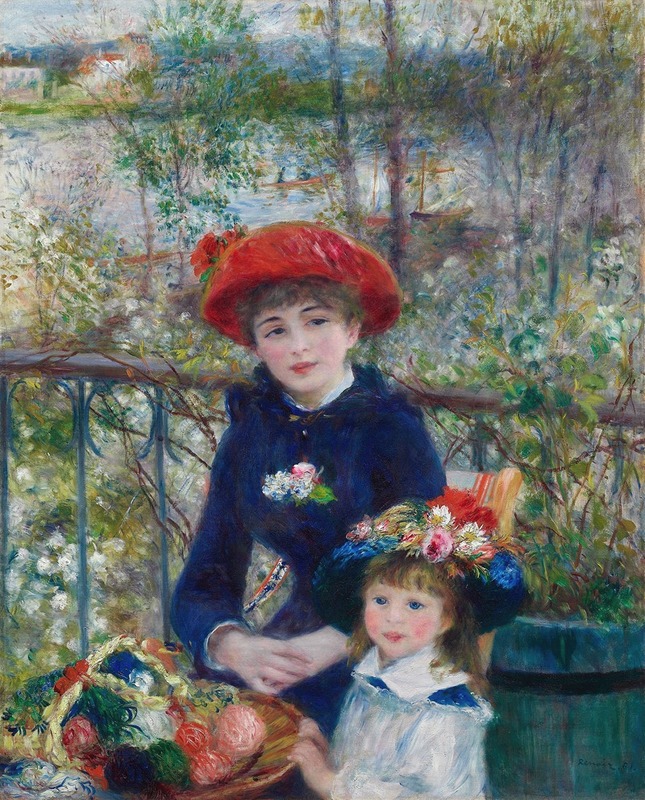
Two Sisters (On the Terrace)
Pierre-Auguste Renoir
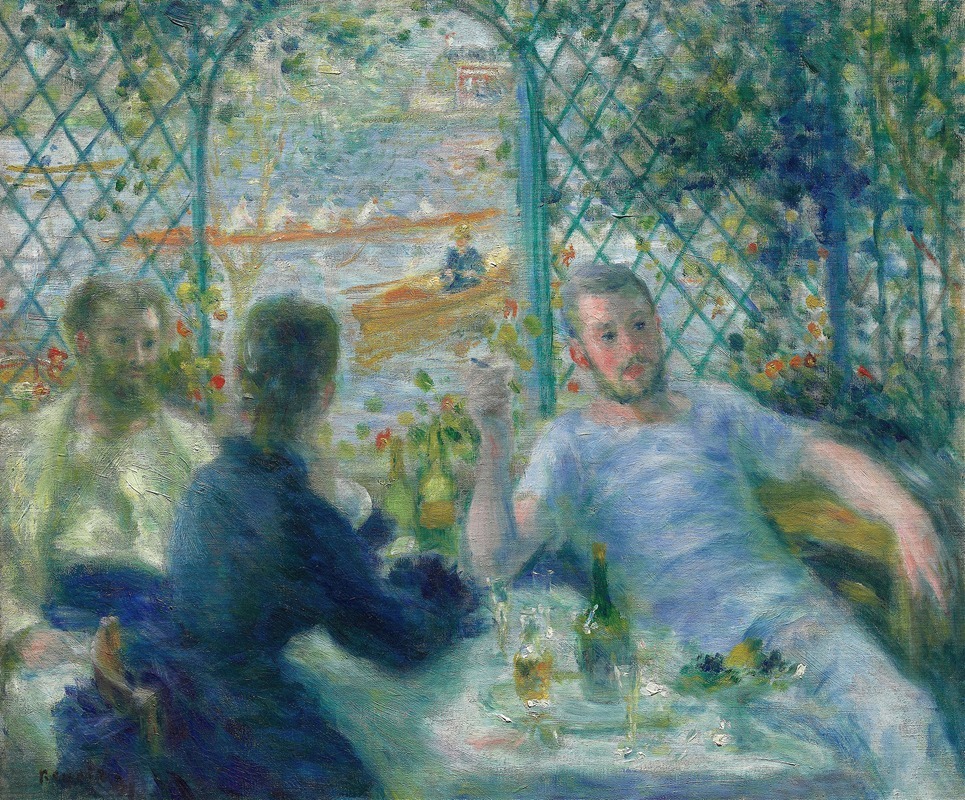
Lunch at the Restaurant Fournaise (The Rowers' Lunch)
Pierre-Auguste Renoir
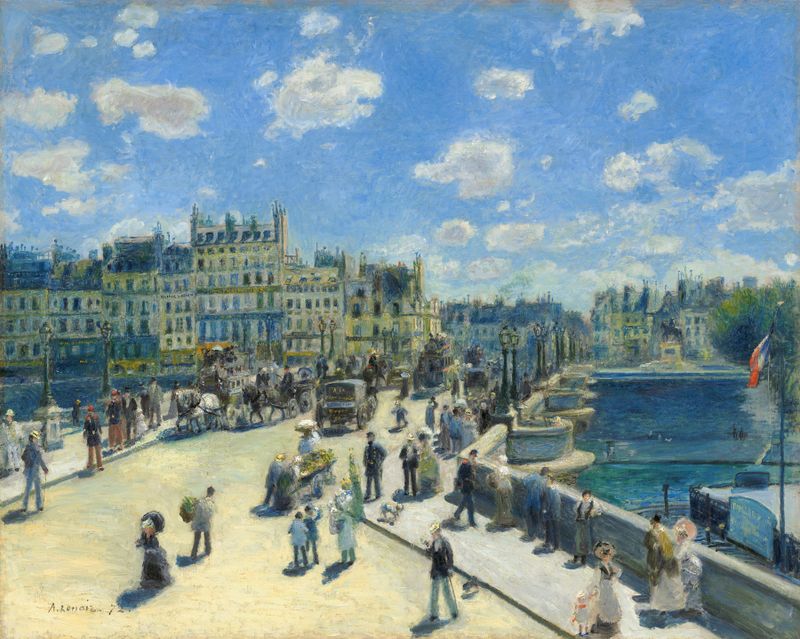
Pont Neuf, Paris
Pierre-Auguste Renoir
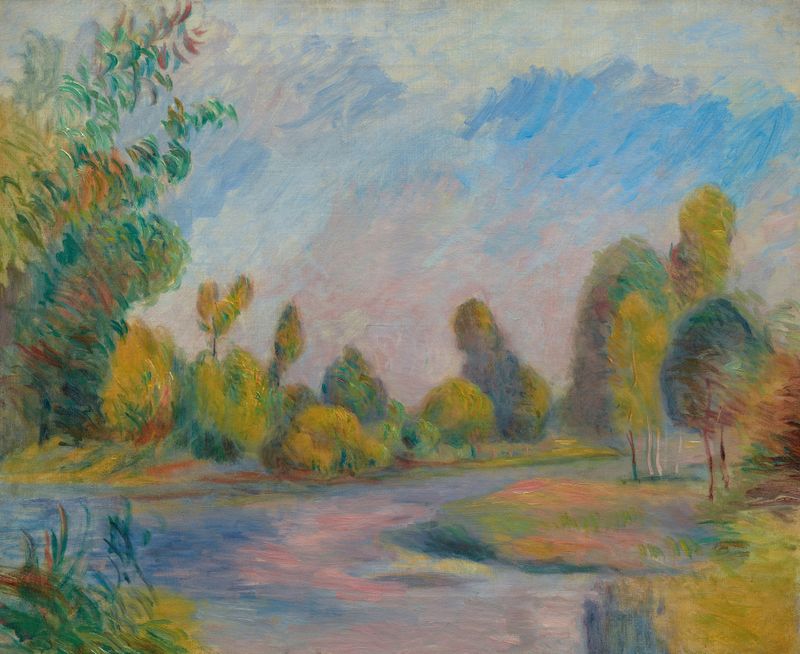
Au bord de la rivière
Pierre-Auguste Renoir

Near the Lake
Pierre-Auguste Renoir
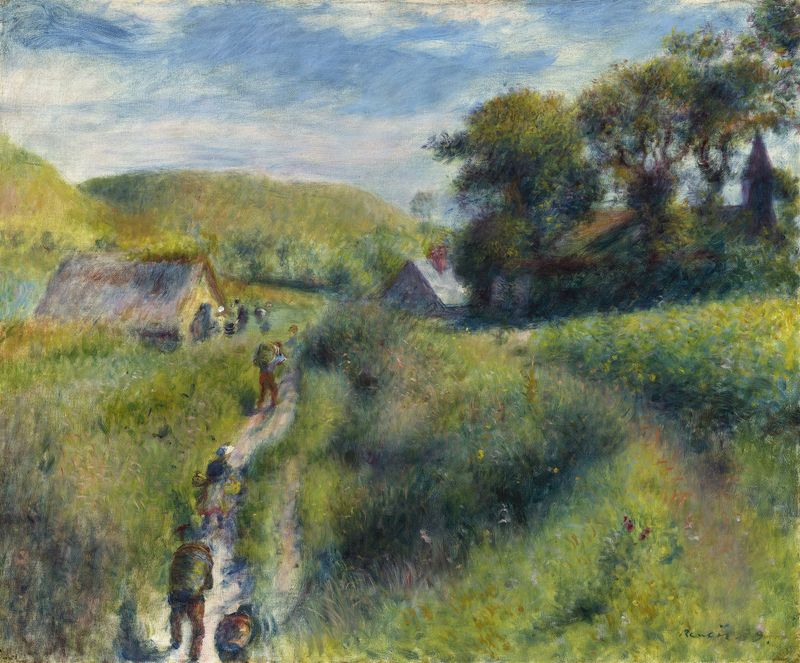
The Mussel Harvest
Pierre-Auguste Renoir

The Seine at Chatou
Pierre-Auguste Renoir
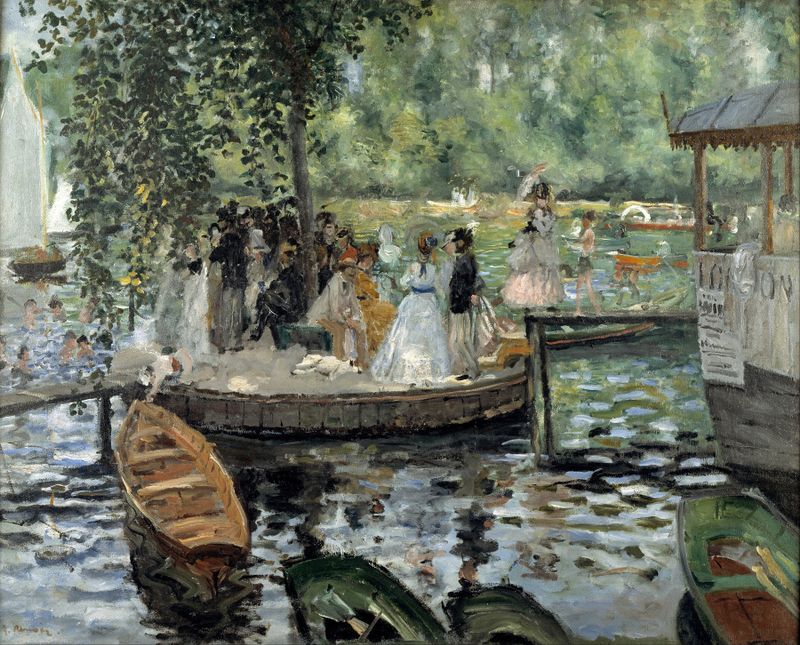
La Grenouillère
Pierre-Auguste Renoir
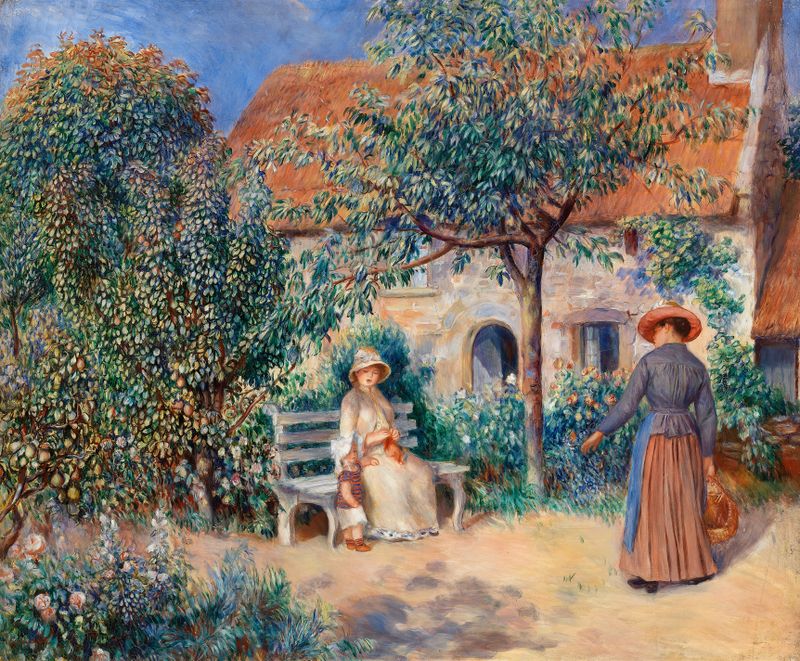
In Brittany (En Bretagne)
Pierre-Auguste Renoir
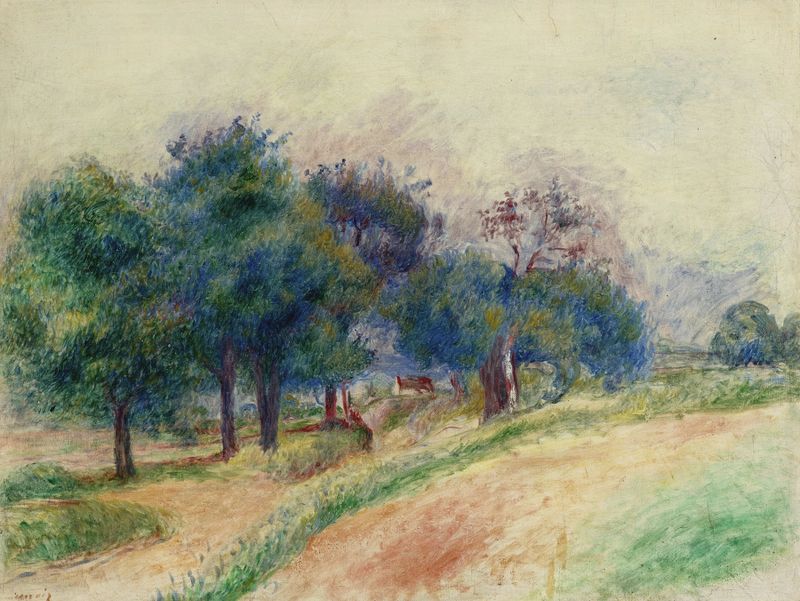
Paysage d’Essoyes
Pierre-Auguste Renoir
More Portrait Art
Browse all →
Las meninas
Diego Velázquez

Self-portrait with a Bandaged Ear and Pipe
Unidentified artist

Girl with a Pearl Earring
Johannes Vermeer

The Sampling Officials of the Amsterdam Drapers’ Guild, Known as ‘The Syndics’
Rembrandt van Rijn

The Hundred Guilder Print: the man seen on the back in the lower left corner
Rembrandt van Rijn

Portrait of Dr Gachet
Vincent van Gogh