
Madeleine Lerolle and Her Daughter Yvonne — History & Facts
What first catches the eye in Madeleine Lerolle and Her Daughter Yvonne is the quiet intensity of the gaze shared between mother and child, a private moment set within the ordered chaos of an artist’s studio. The composition draws us in: Madeleine’s black dress anchors the scene, her gloved hand resting protectively on Yvonne’s small arm. The child, dressed in white lace, leans against her mother, her wide eyes meeting ours with a mix of curiosity and uncertainty.
Around them, the tools of the artist’s trade—canvases, boards, a splash of red fabric—frame the pair, but do not distract from the intimacy at the center. Light pours in from the left, illuminating faces and hands, and casting the rest into gentle shadow, heightening the sense of enclosure and warmth. Painted between 1879 and 1880, this double portrait belongs to a period when artists increasingly sought to capture the realities of modern life and domestic relationships. Albert Besnard places his sitters in the familiar environment of the studio, echoing his ambition to portray figures not as isolated icons, but as part of the world they inhabit.
Such works were often commissioned or created to celebrate family ties or friendships, and here, the bond between Madeleine and Yvonne—wife and daughter of fellow artist Henri Lerolle—takes center stage. Exhibited at the Paris Salon of 1883, the painting reflects the shifting tastes of late nineteenth-century France, when the boundaries between public and private, art and life, were being renegotiated. The viewer is left to wonder what stories these two faces might tell, and what memories the studio walls might hold.
More Artworks by Albert Besnard
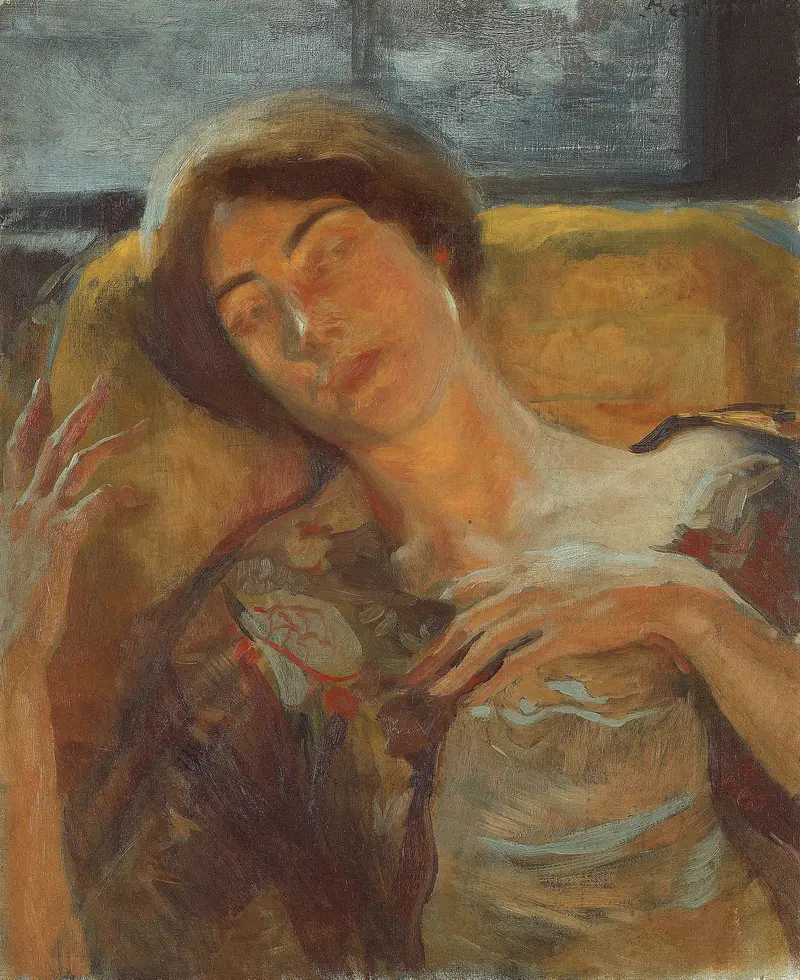
Woman's Head
Albert Besnard
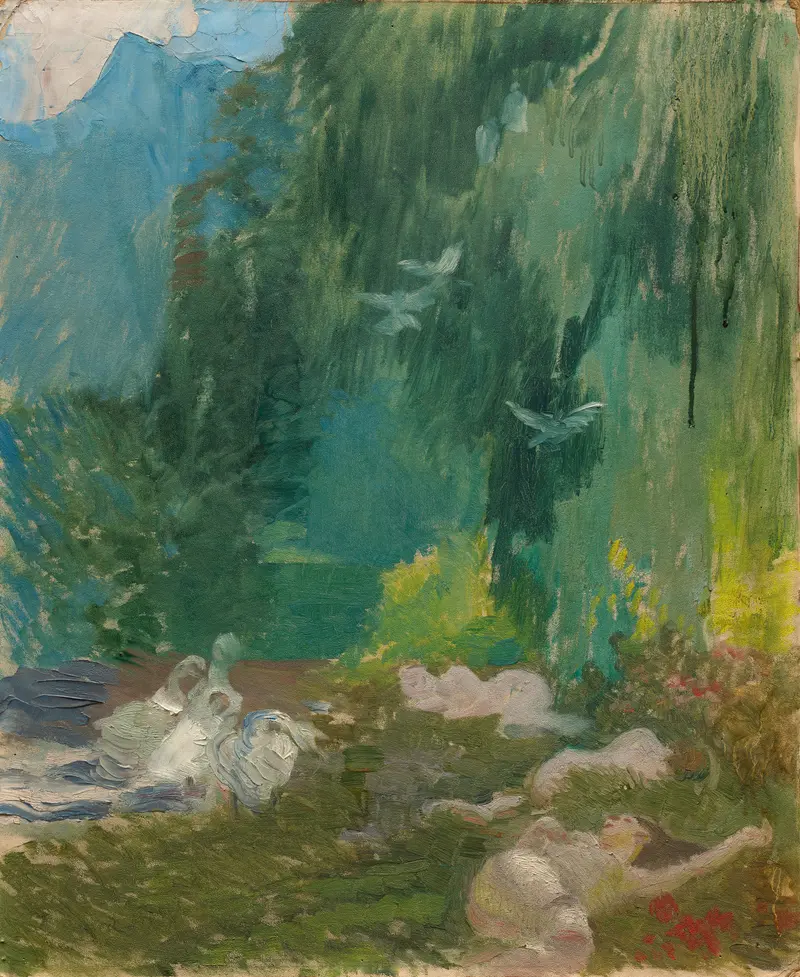
The Siesta
Albert Besnard
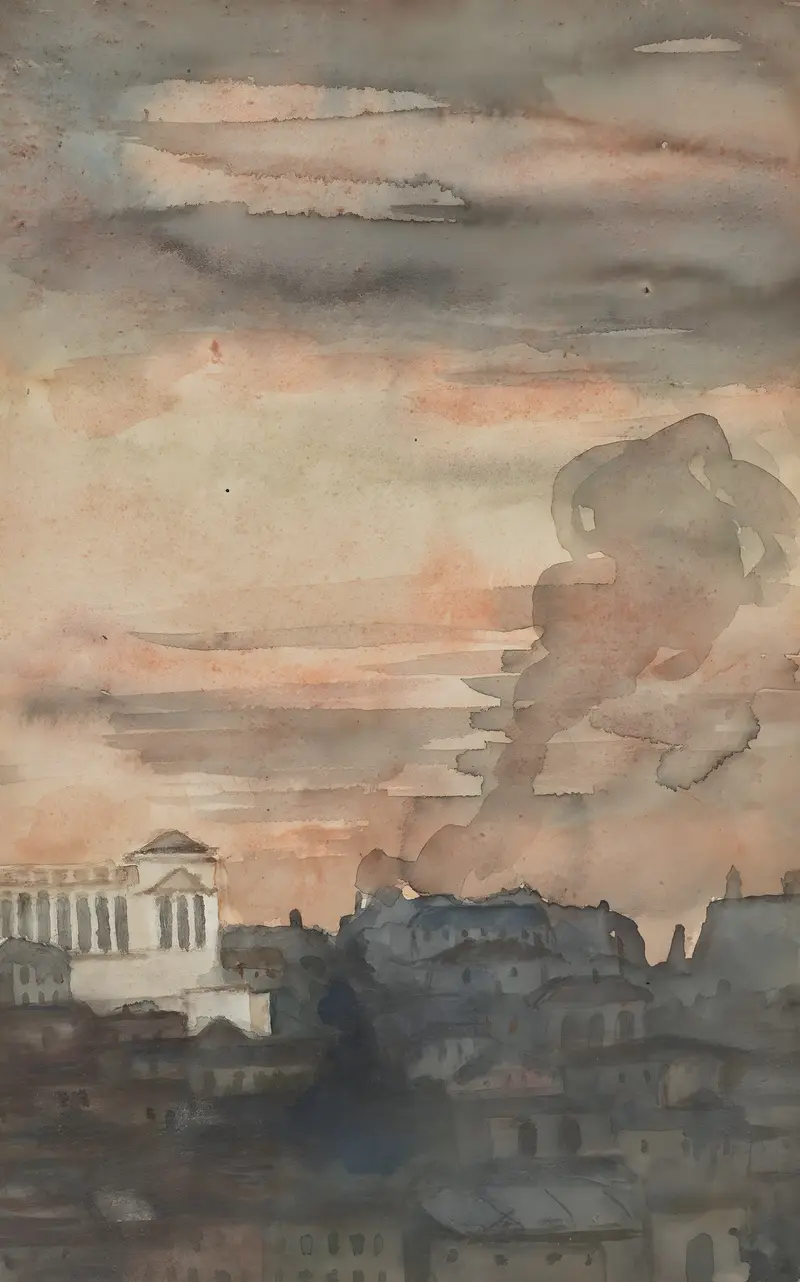
View of Rome with the Vittorio Emanuele II Monument in the distance, at sunset
Albert Besnard
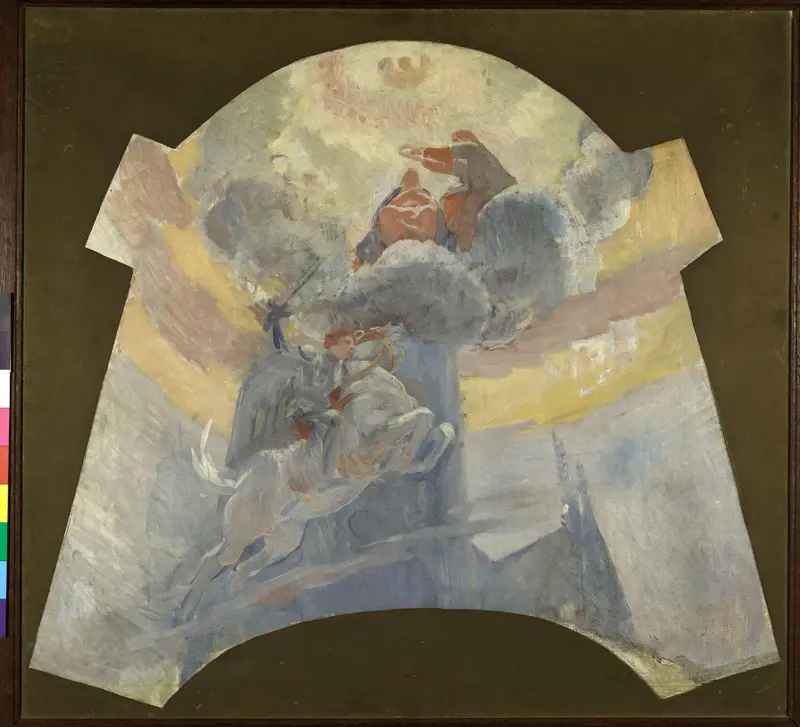
Albert (Paul Besnard dit) La Mystique, esquisse de la composition d'ensemble
Albert Besnard
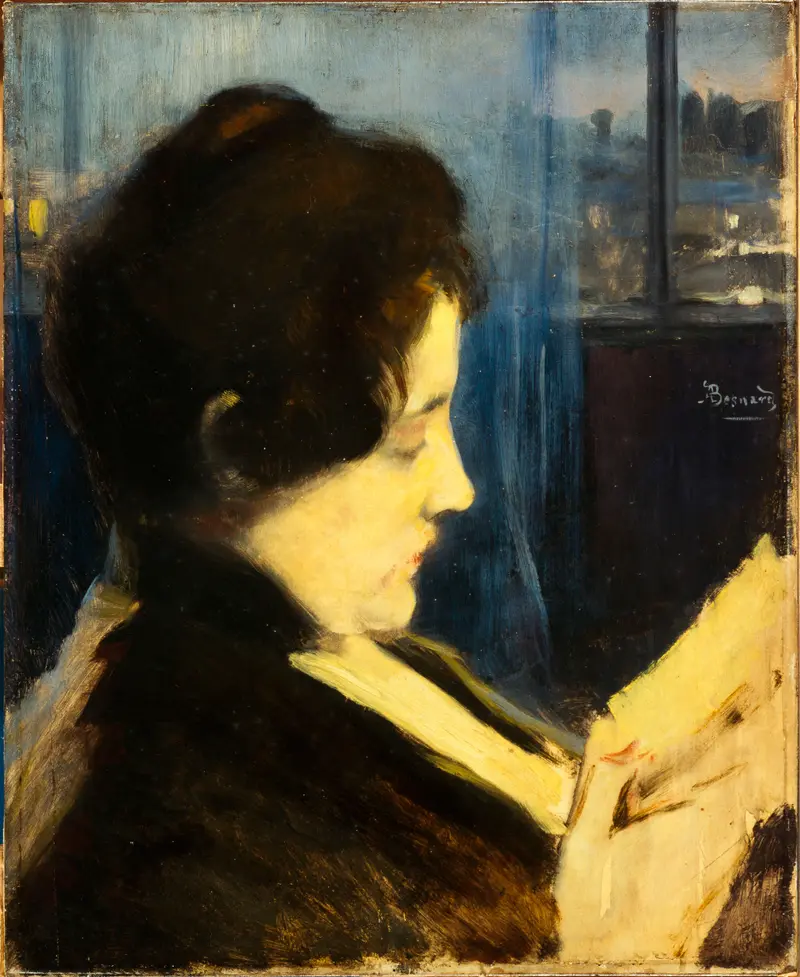
Charlotte Besnard c.
Albert Besnard
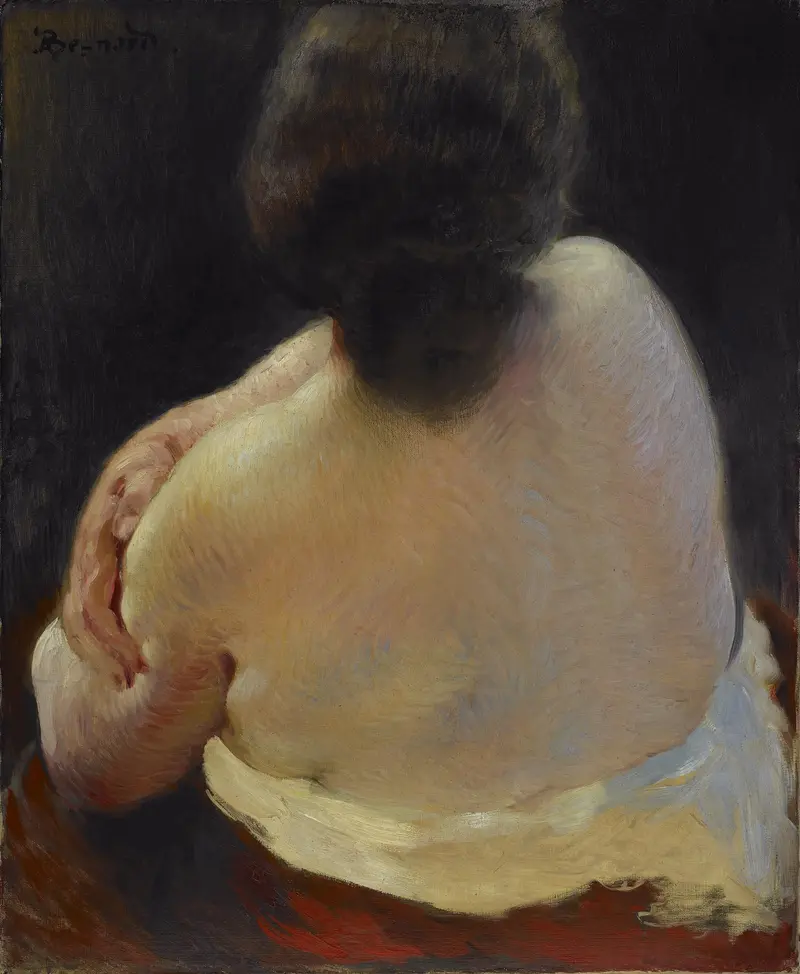
Back of a Woman, Study
Albert Besnard
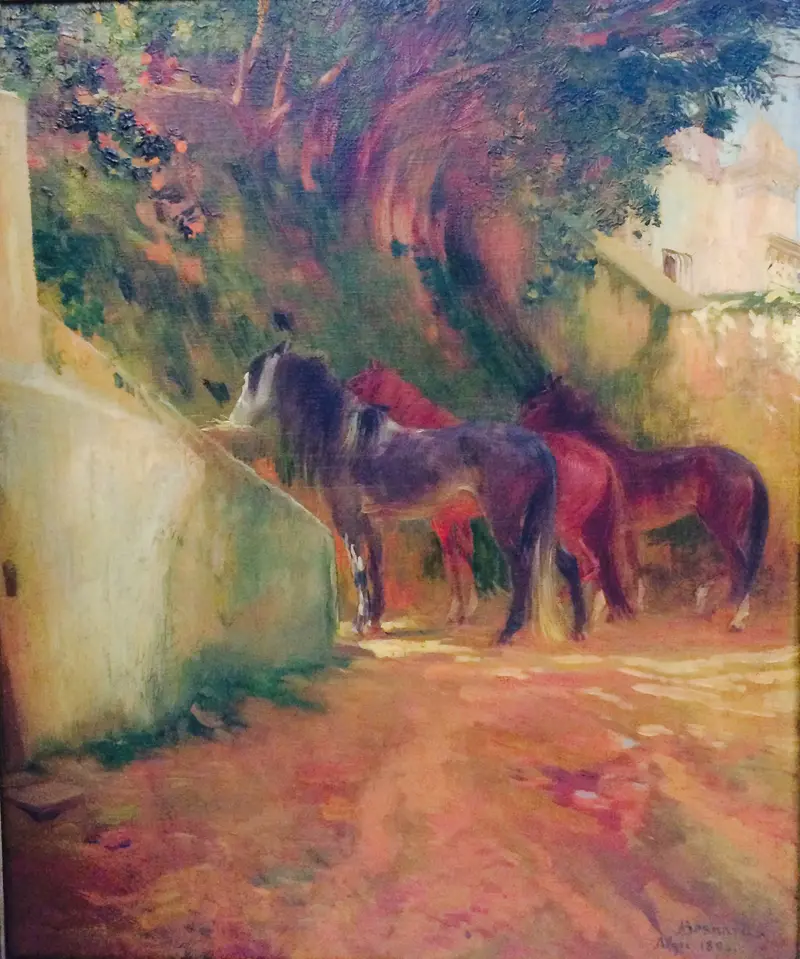
Horses
Albert Besnard
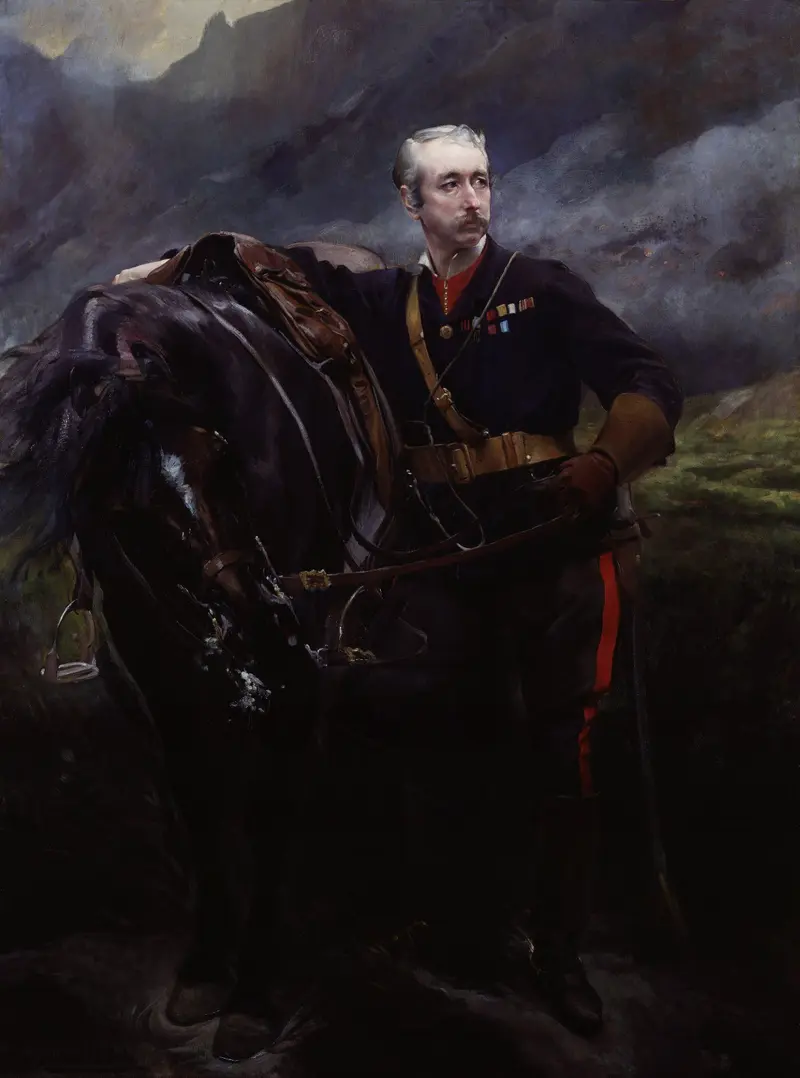
Garnet Joseph Wolseley, 1st Viscount Wolseley
Albert Besnard
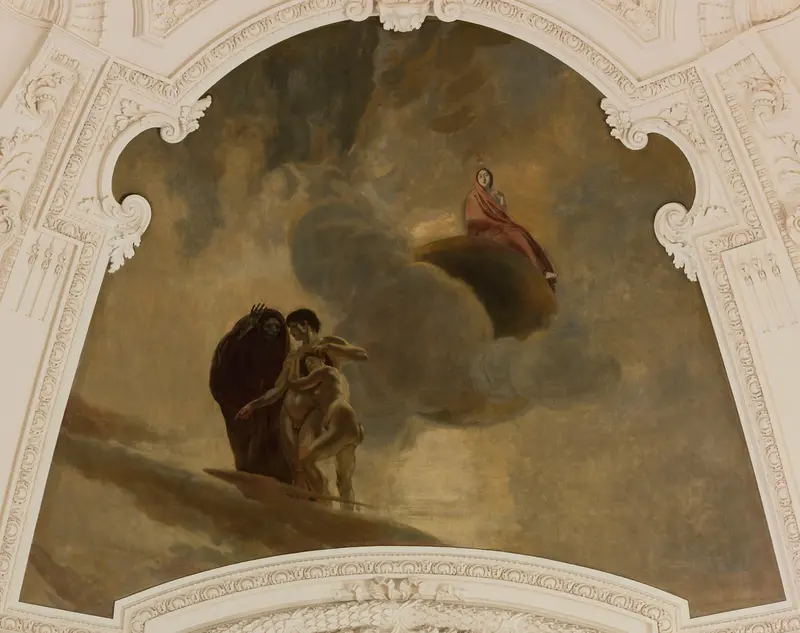
Besnard La Pensée DECOP00A(04) Petit Palais 01
Albert Besnard
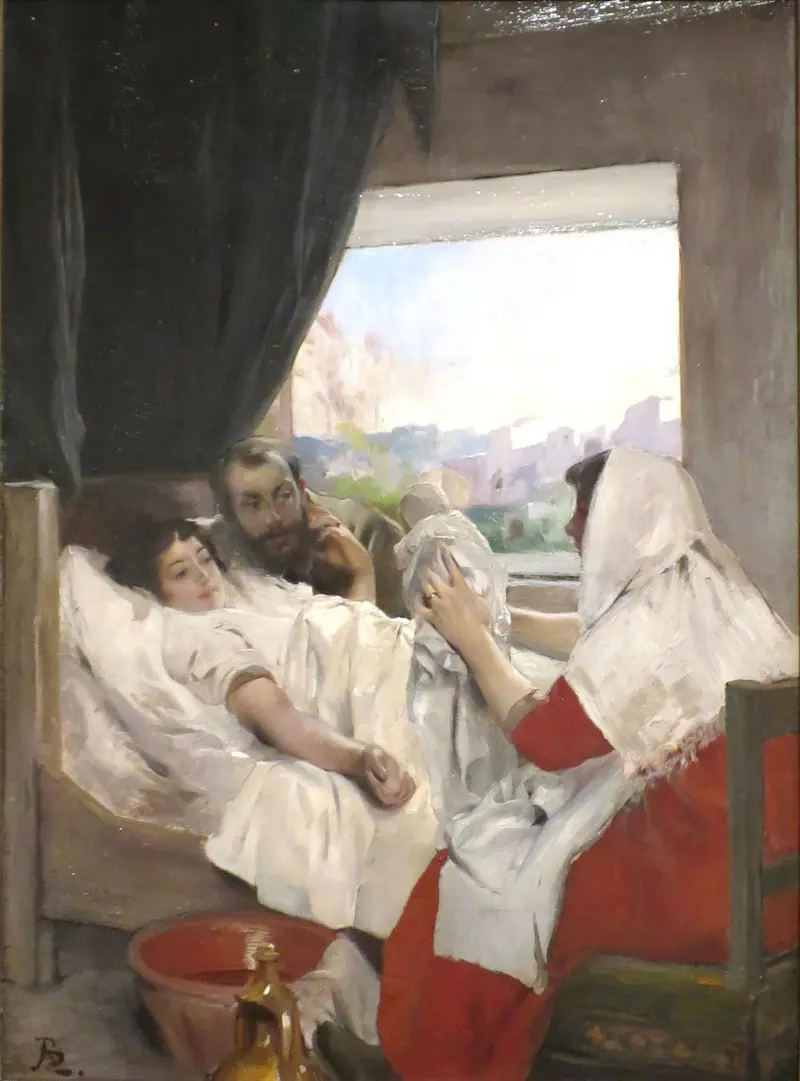
The First Morning (Albert and Charlotte Dubray Besnard and their Son, Robert)
Albert Besnard





