
Madonna and Child — History & Facts
When Fra Angelico painted Madonna and Child around 1430, Florence was alive with artistic innovation, yet this work stands out for its serene clarity and quiet intimacy—a marked departure from the elaborate, gold-encrusted Madonnas of earlier decades. The painting’s exact origins remain uncertain, but it is widely believed to have been created during Fra Angelico’s early years at the Dominican convent of San Domenico in Fiesole, a period when he was developing the gentle, luminous style that would influence generations. Unlike many of his contemporaries, Fra Angelico was a friar first and painter second, and his works were often intended for private devotion rather than grand public display.
This personal scale and spiritual focus are what set this Madonna apart. The scene captures a moment of tender connection: the Virgin Mary, seated quietly, gazes down at the Christ Child, who turns toward her with a gesture of trust and affection. The Madonna’s blue mantle, edged with delicate gold, signals her purity and status as Queen of Heaven, while the Christ Child’s simple tunic and bare feet root him in earthly humility. The gentle curve of Mary’s hand, resting protectively on her son, echoes the compositional harmony found in Fra Angelico’s other devotional works, such as his later frescoes in San Marco.
Unlike the dramatic gestures and crowded compositions of Masaccio or Giotto, Fra Angelico’s approach is intimate and contemplative, inviting viewers into a quiet moment of maternal love and divine presence. The precise history of this panel is unclear, as is often the case with early 15th-century devotional images. It likely served as a private altarpiece for a member of the Florentine elite or a small religious community, cherished for its gentle spirituality. Over the centuries, works by Fra Angelico were sometimes misattributed or altered, but his reputation as a painter of “angelic” purity has only grown since Vasari’s praise in the 16th century.
Today, Madonna and Child is recognized as a key example of Fra Angelico’s early style, bridging the Gothic tradition and the new naturalism of the Renaissance, and it continues to inspire with its quiet grace wherever it is displayed.
More Artworks by Fra Angelico

Condemnation of St Lawrence by the Emperor Valerian
Fra Angelico
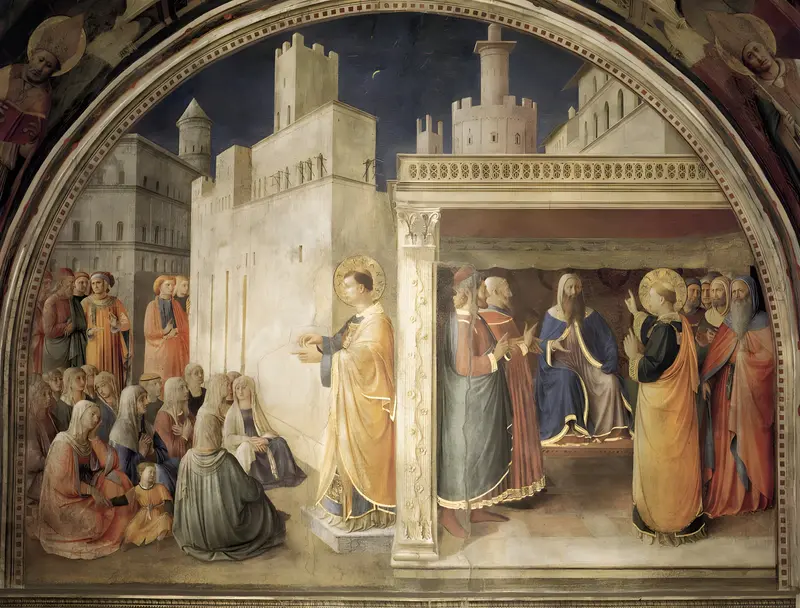
Lunette of the north wall
Fra Angelico
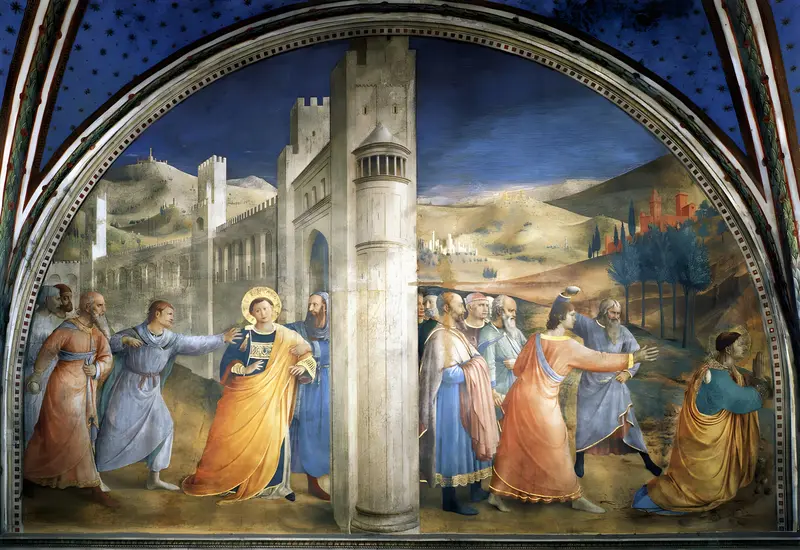
Lunette of the east wall in Niccoline Chapel
Fra Angelico
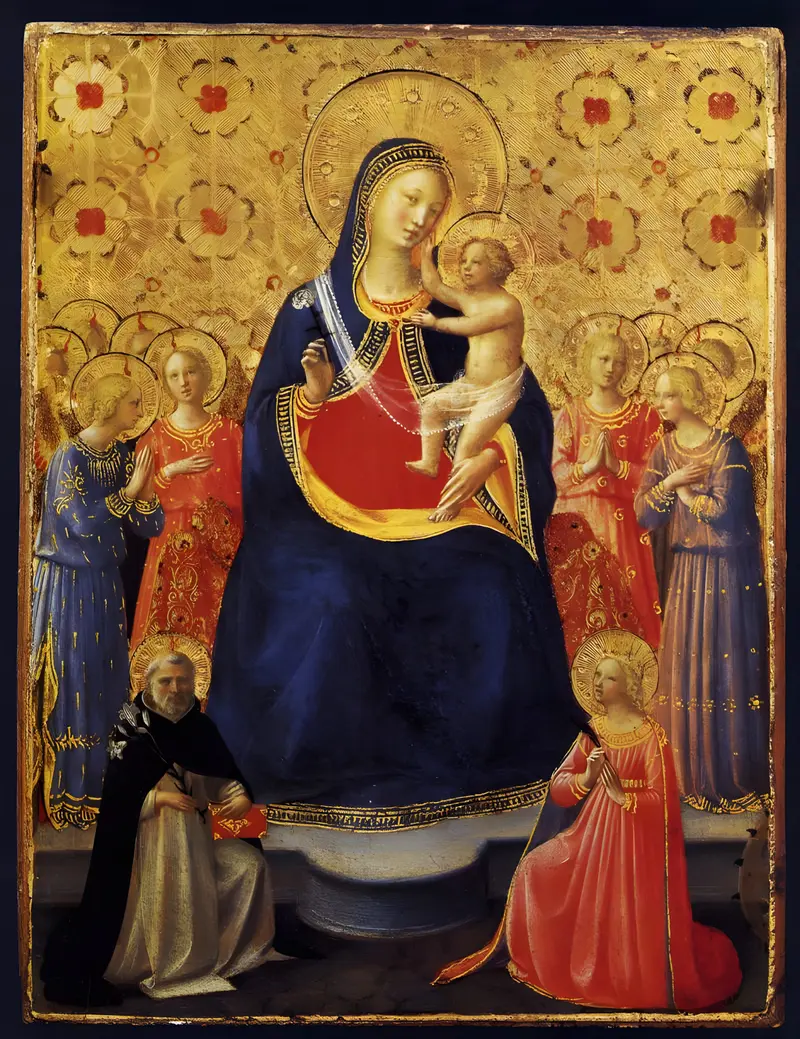
Madonna and Child Enthroned with Nine Angels and Saints Dominic and Catherine of Alexandria
Fra Angelico
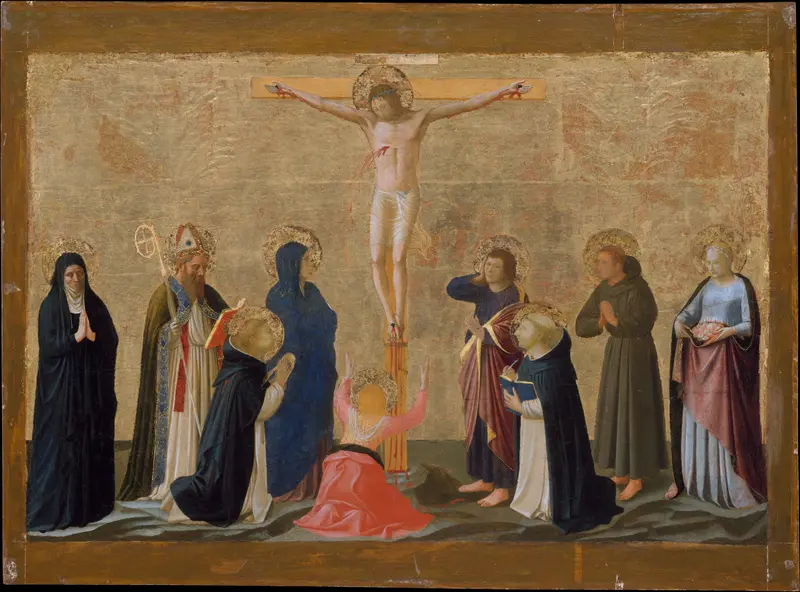
The Crucifixion
Fra Angelico
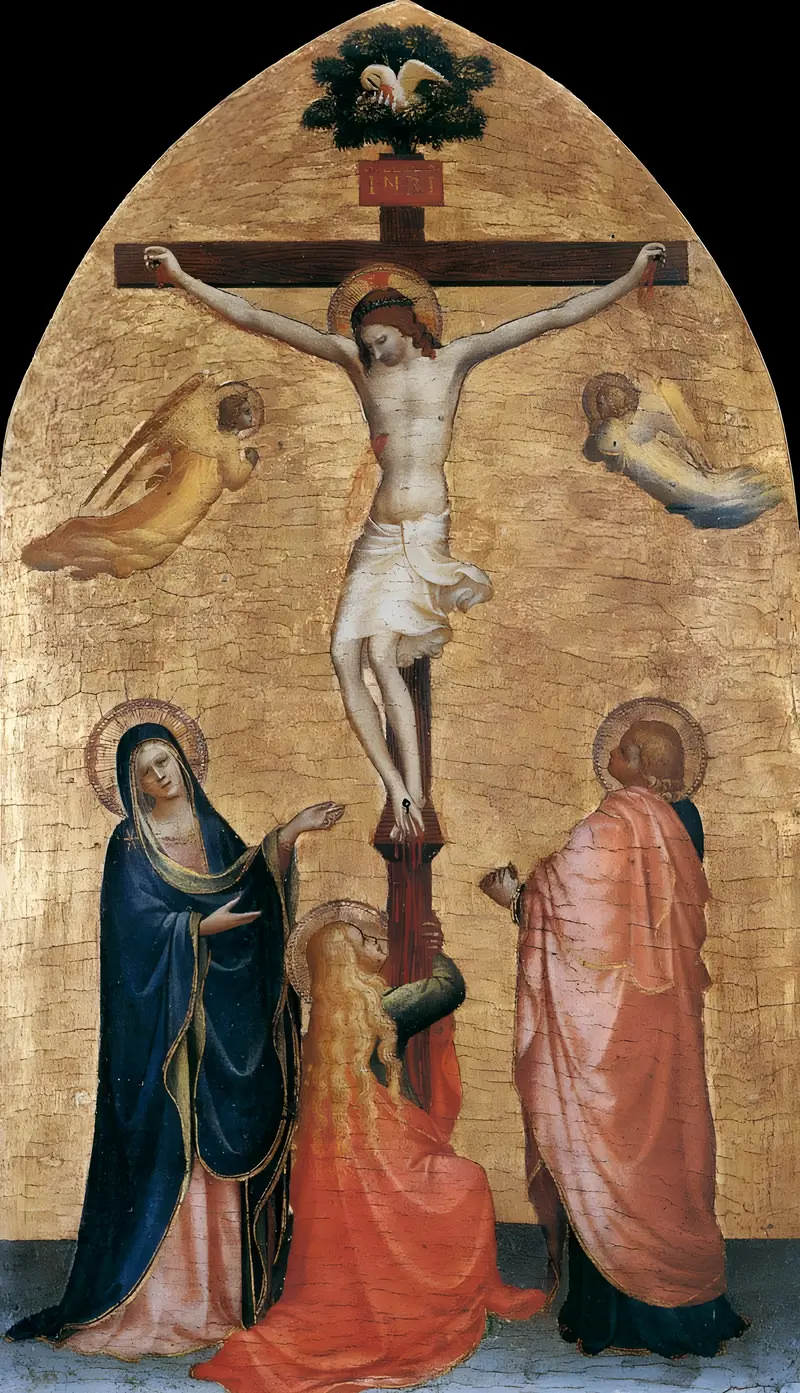
Crucifixion with the Virgin, John the Evangelist, and Mary Magdelene
Fra Angelico
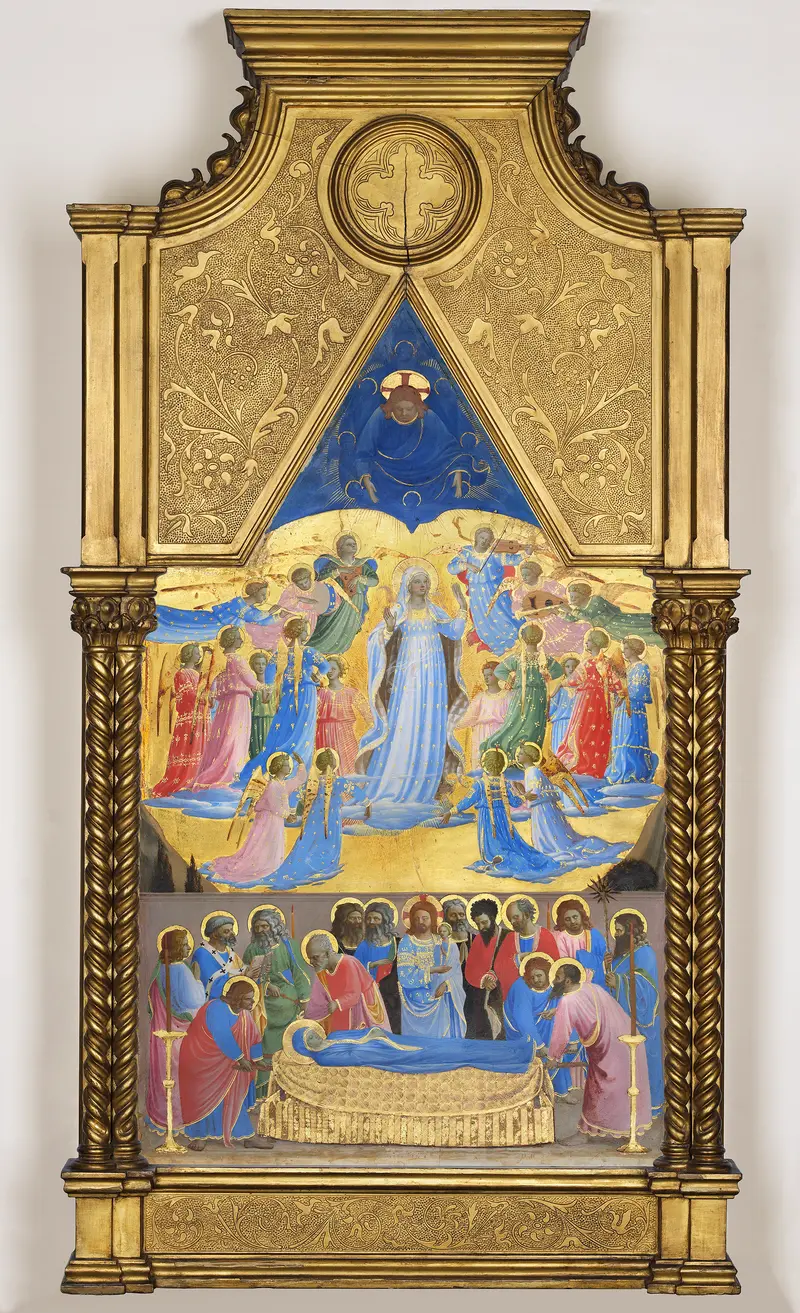
Dormition and Assumption of the Virgin
Fra Angelico
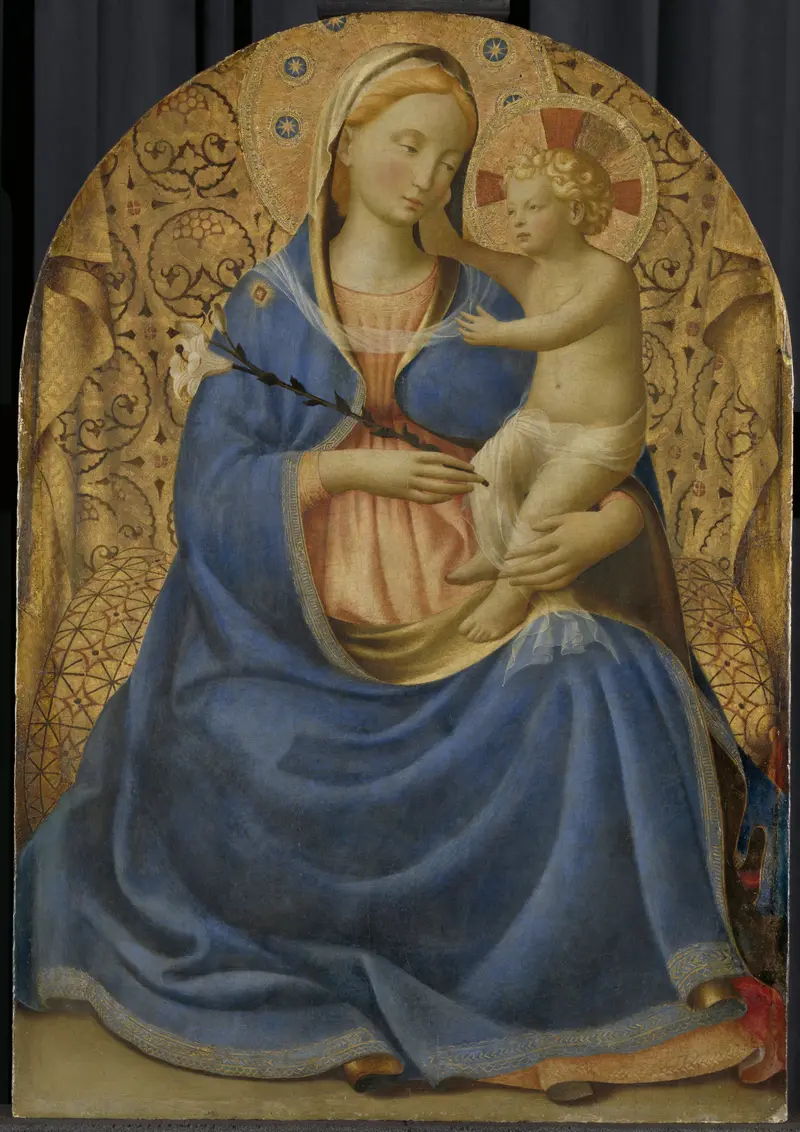
Madonna of Humility
Fra Angelico
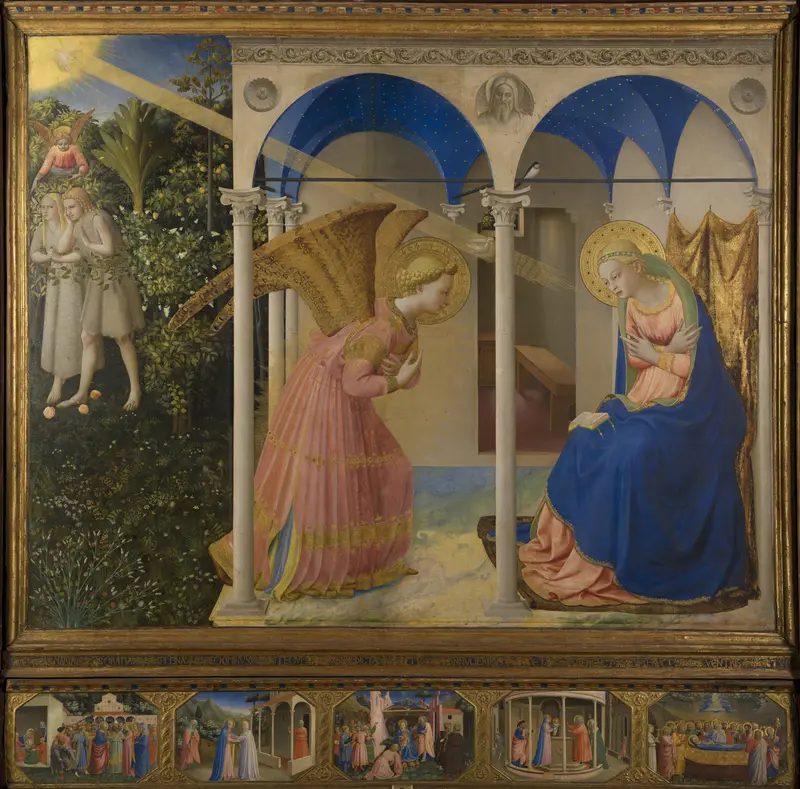
The Annunciation
Fra Angelico

Saint Anthony Abbot
Fra Angelico





