
Madonna of the Lilies — History & Facts
In Madonna of the Lilies, Alphonse Mucha presents a serene and graceful depiction of the Virgin Mary. She is surrounded by delicate white lilies, symbolizing purity and motherhood. The color palette is soft, with pastel hues of blue, pink, and cream, enhancing the tranquil atmosphere.
The intricate details of the flowers and Mary's flowing robes showcase Mucha's signature style. The painting is characterized by its smooth lines and ornamental elements typical of the Art Nouveau movement. Mucha uses oil on canvas to create a rich texture that adds depth to the composition. The careful arrangement of the lilies around Mary draws the viewer's eye and emphasizes her central role.
The overall harmony of colors and forms reflects Mucha's dedication to beauty and elegance. Alphonse Mucha was a leading figure in the Art Nouveau movement, known for his decorative style and emphasis on feminine beauty. 'Madonna of the Lilies' exemplifies his ability to blend religious themes with decorative art. An interesting fact about this work is that it was created during a period when Mucha was deeply influenced by Slavic folklore and spirituality.
This painting reflects his desire to convey a sense of peace and reverence through his art.
More Artworks by Alphonse Mucha

Bières de la Meuse
Alphonse Mucha

Abstract design based on flowers and leaves
Alphonse Mucha
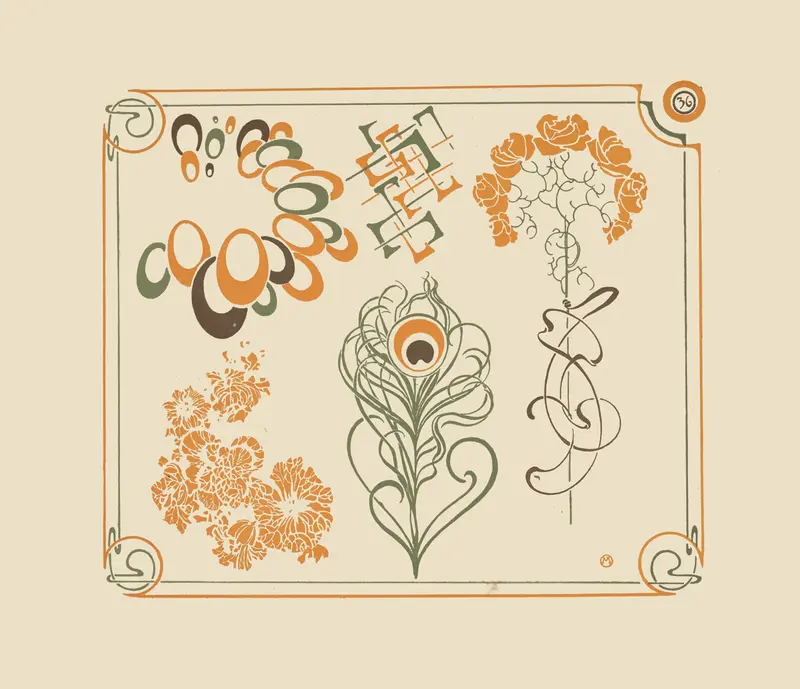
Abstract design based on flowers and curvilinear shapes.
Alphonse Mucha
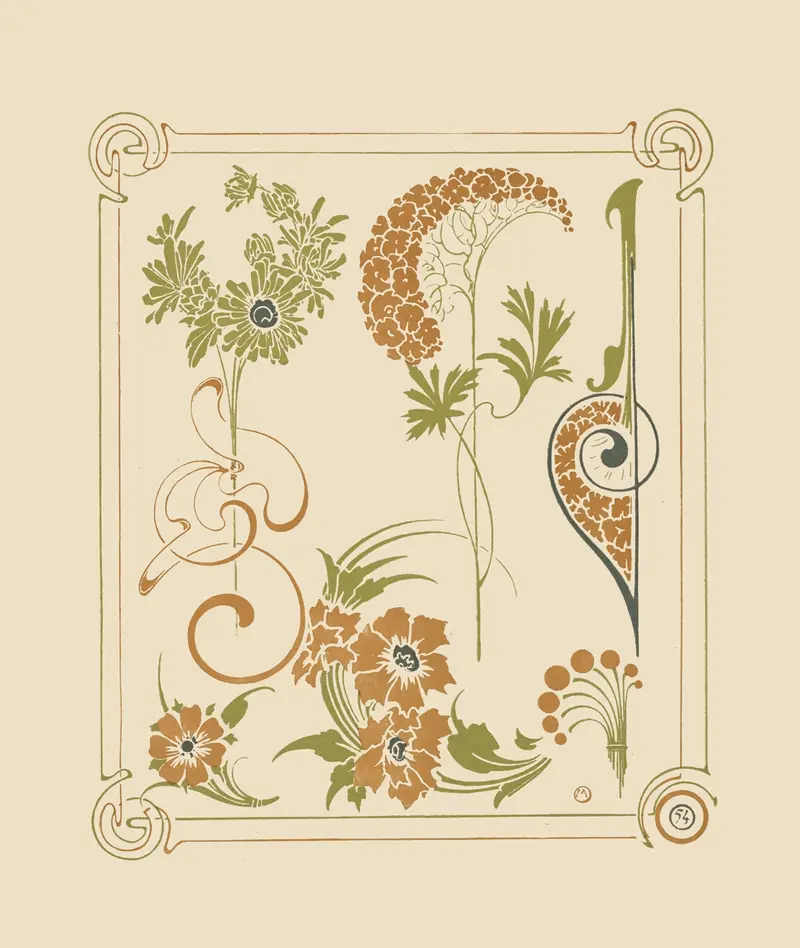
Abstract design based on flowers and arabesques.
Alphonse Mucha
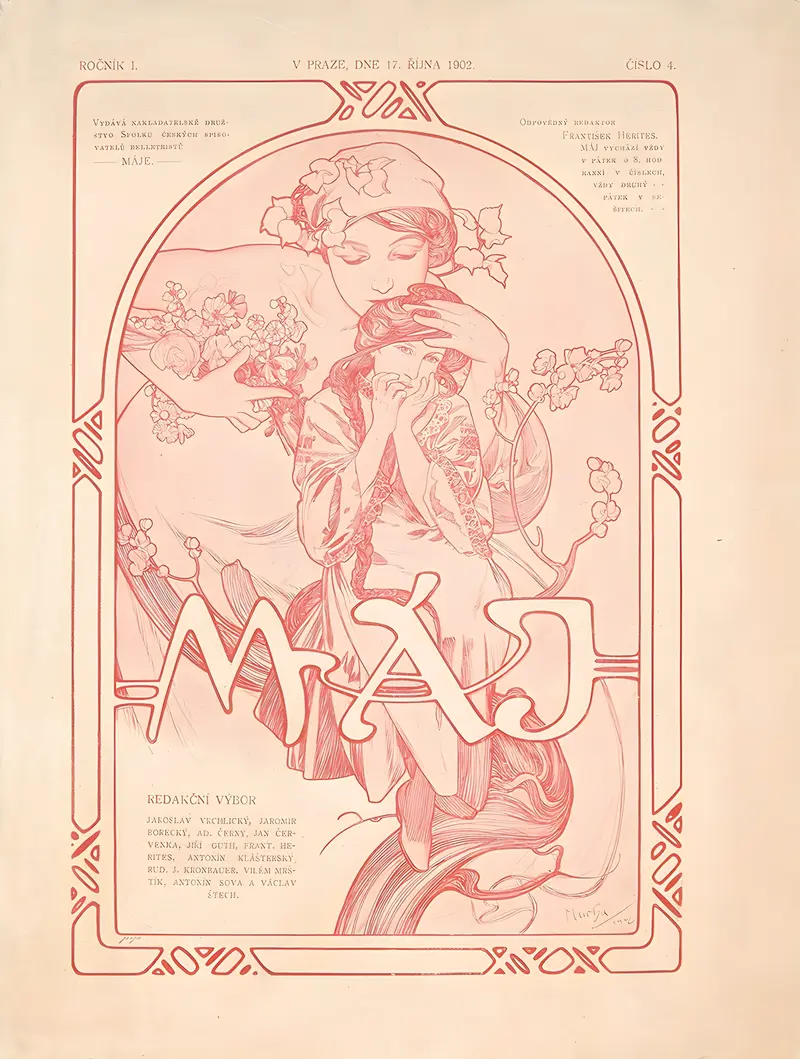
Máje
Alphonse Mucha
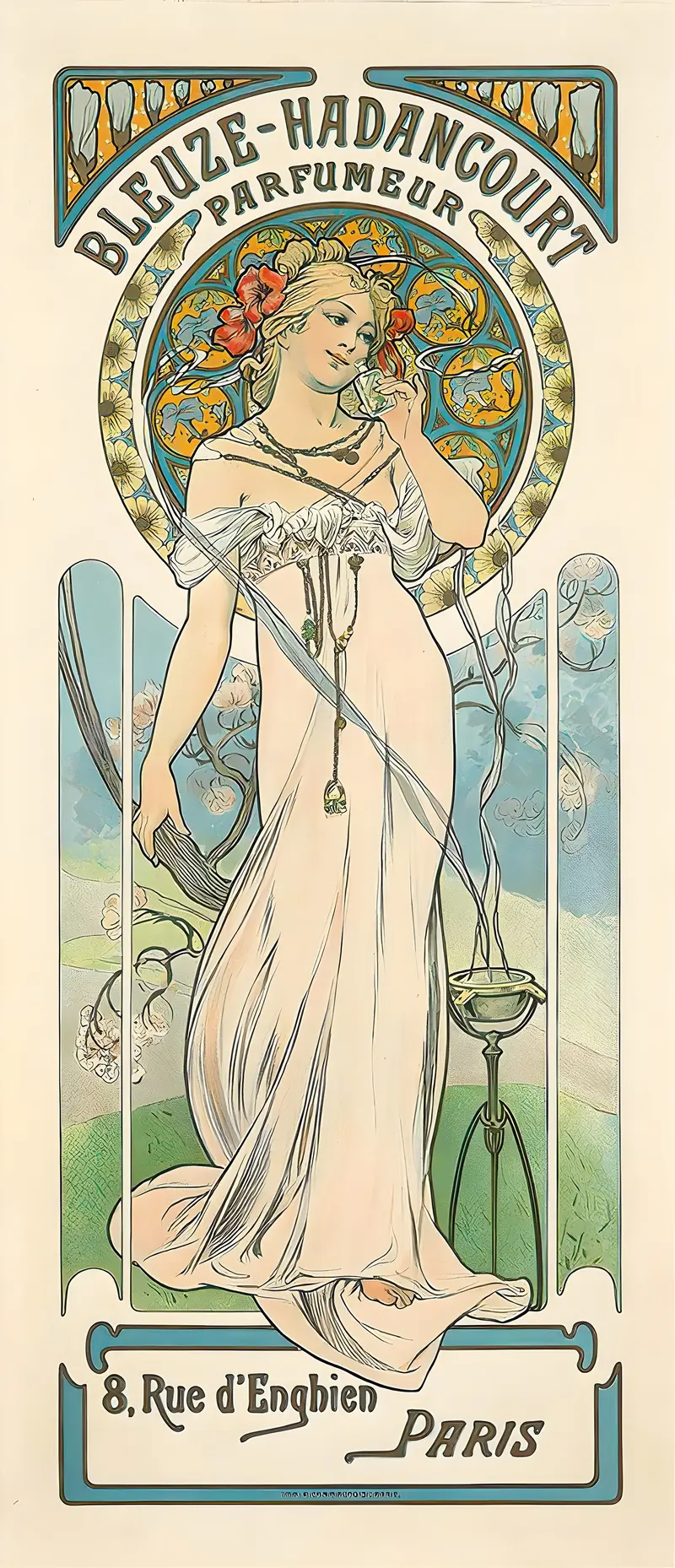
Bleuze-Hadancourt Parfumeur
Alphonse Mucha
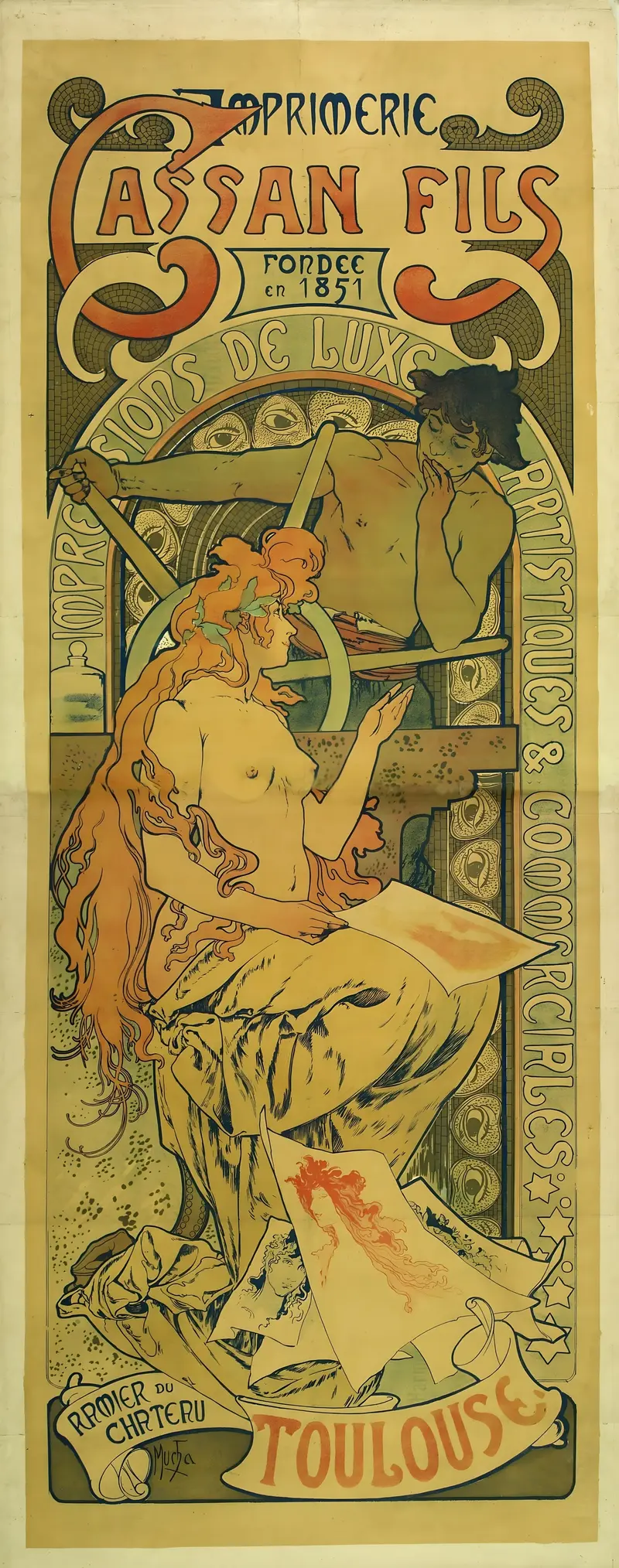
Imprimerie Cassan Fils Fondée en 1851 Impressions de Luxe Artistiques & Commerciales Ramier du Chateau Toulouse
Alphonse Mucha
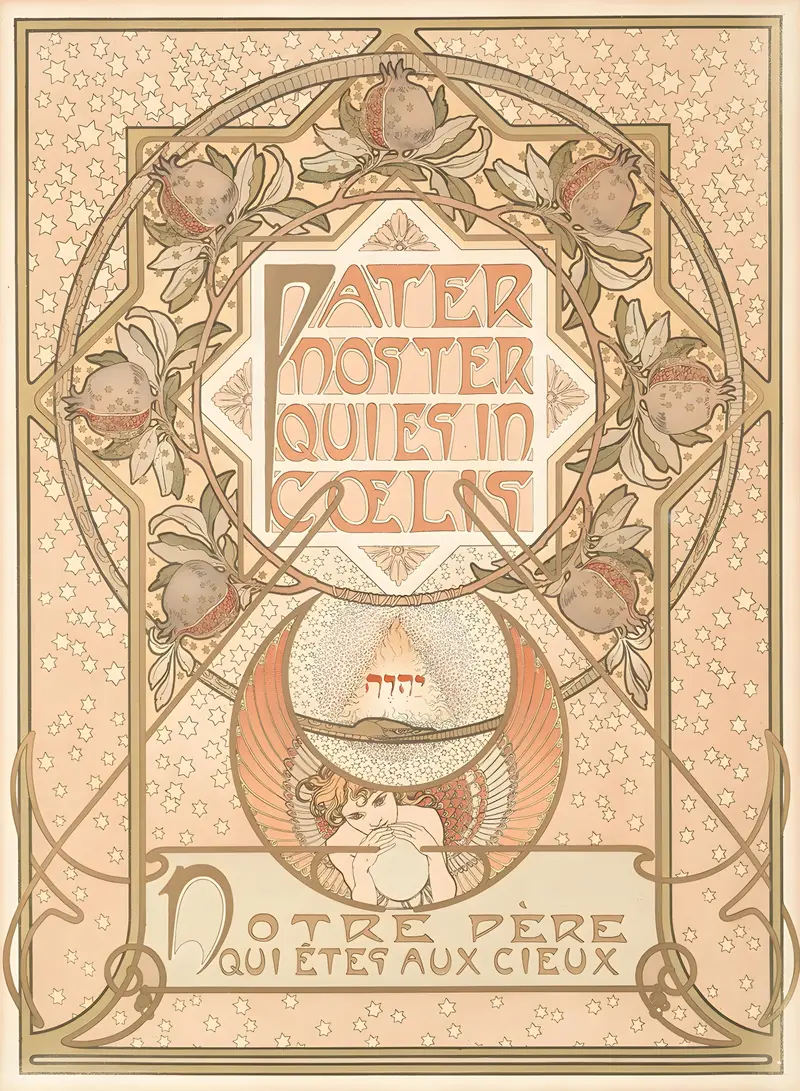
Pater Noster
Alphonse Mucha
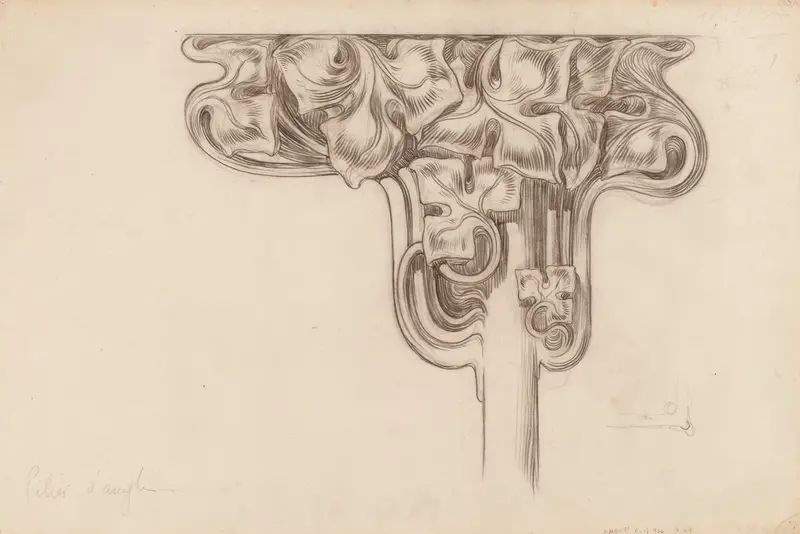
Projet de chapiteau de bronze pour un pilier de la boutique Fouquet
Alphonse Mucha
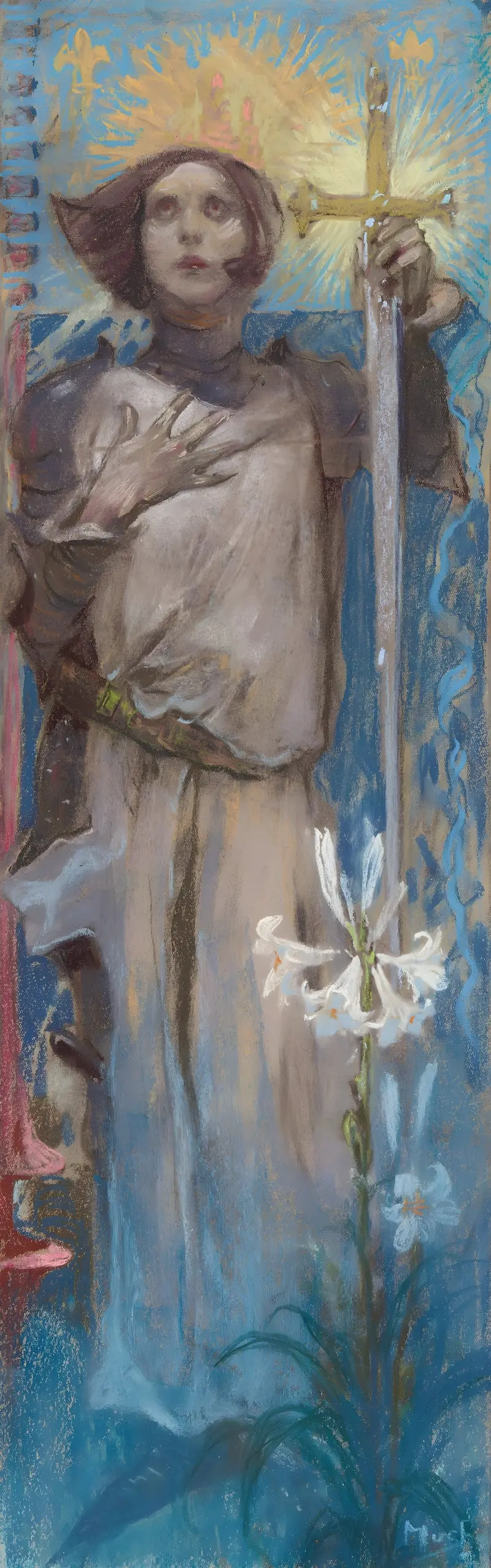
Joan of Arc. Apparition
Alphonse Mucha





