
Madras. From the journey to India — History & Facts
What if beauty was never meant to be finished? The essence of time, caught in the delicate interplay of tradition and change, breathes through each brushstroke. Look to the center of the canvas, where a vibrant marketplace unfolds, pulsating with life. The brilliant hues of ochre and deep blue invite your gaze, while figures in traditional attire weave a narrative of culture and commerce. Notice how the artist employs loose brushwork to evoke movement amidst the static background, immersing you in the bustling energy of the scene.
The scattered light, imbued with warmth, reflects off the textures of the fabrics and the glimmer of pottery, creating an inviting atmosphere that beckons exploration. Yet, within this lively tableau lies a deeper commentary on the passage of time. The contrast between the vibrant activity of the market and the ancient architecture suggests a tension between tradition and modernization, hinting at an impending change. Small details, like the weathered stone of the buildings, speak to histories layered upon histories, revealing a place that has both endured and evolved.
Each face tells a story of connection to the land, while the scattered carts symbolize the relentless march of progress, making us question what is lost in our pursuit of the new. In 1907, Jan Ciągliński painted this piece during a transformative period in art, where Impressionism was giving way to new movements and styles. Living in Paris but yearning for the vibrancy of his homeland, he sought to capture the essence of India’s culture while wrestling with his own identity as an artist. His travels and experiences in Madras inspired him to bridge the gap between Eastern tradition and Western innovation, creating a dialogue that transcends time itself.
More Artworks by Jan Ciągliński
Browse all →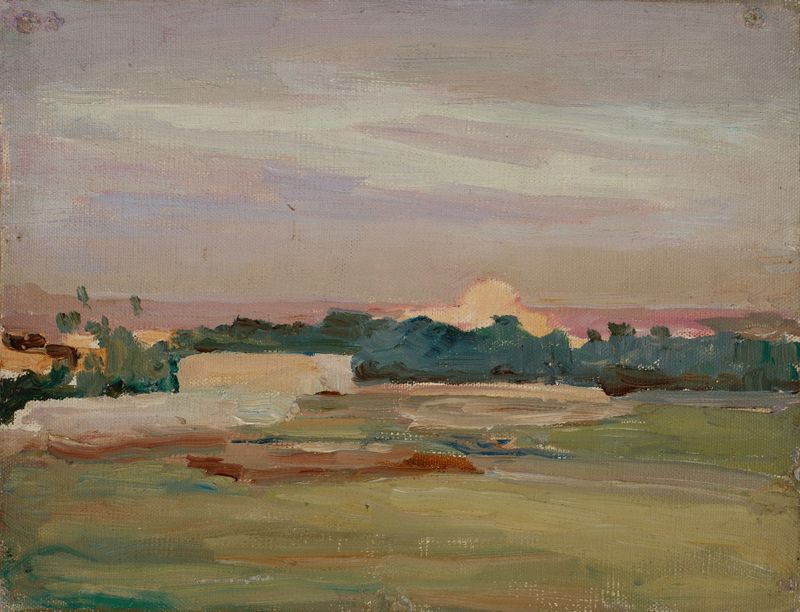
The Sirocco
Jan Ciągliński
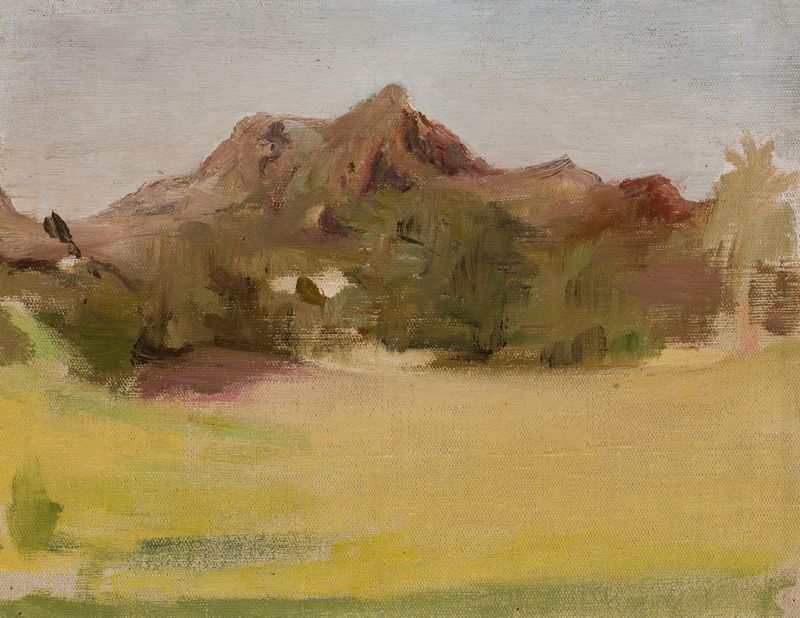
Mountain landscape. From the journey to India
Jan Ciągliński
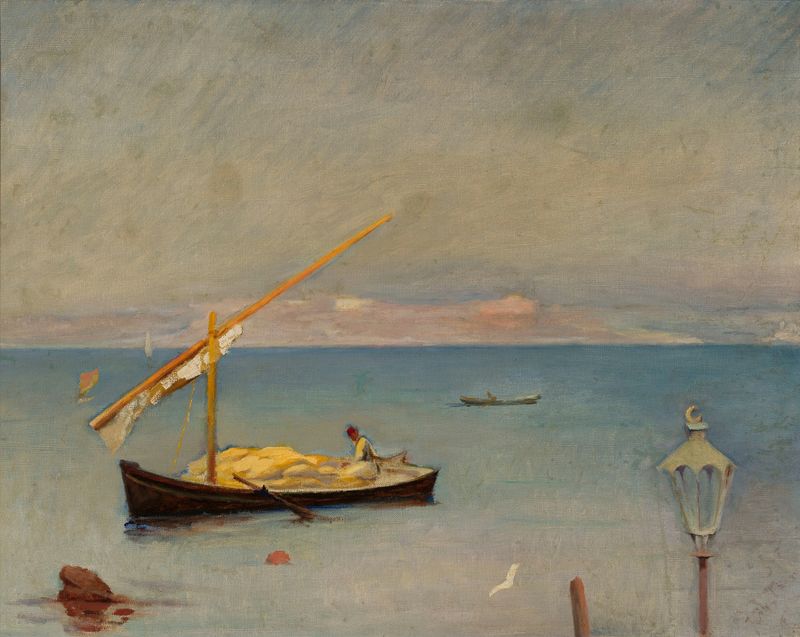
At Bosporus
Jan Ciągliński
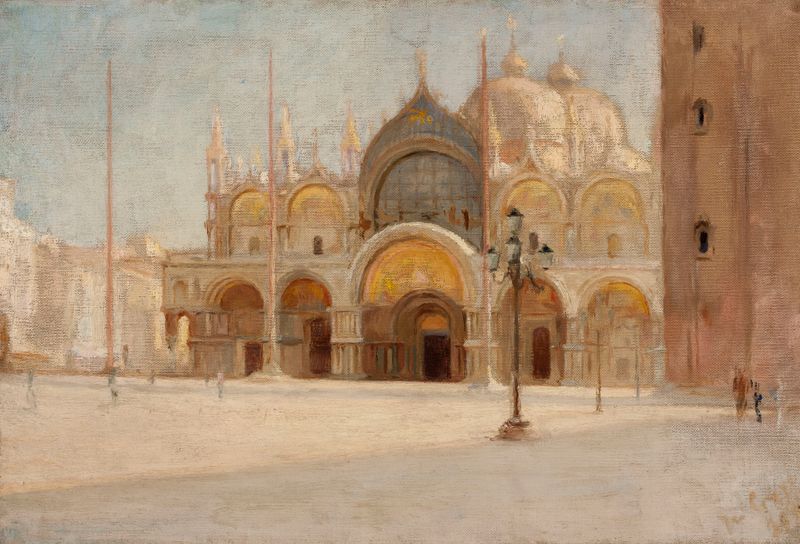
St Mark’s Square in Venice
Jan Ciągliński
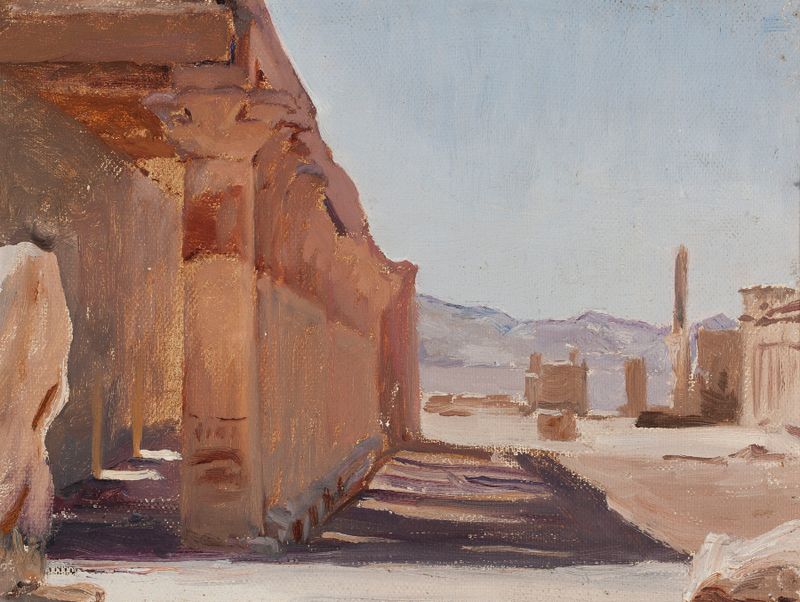
Temple. From the journey to Egypt
Jan Ciągliński
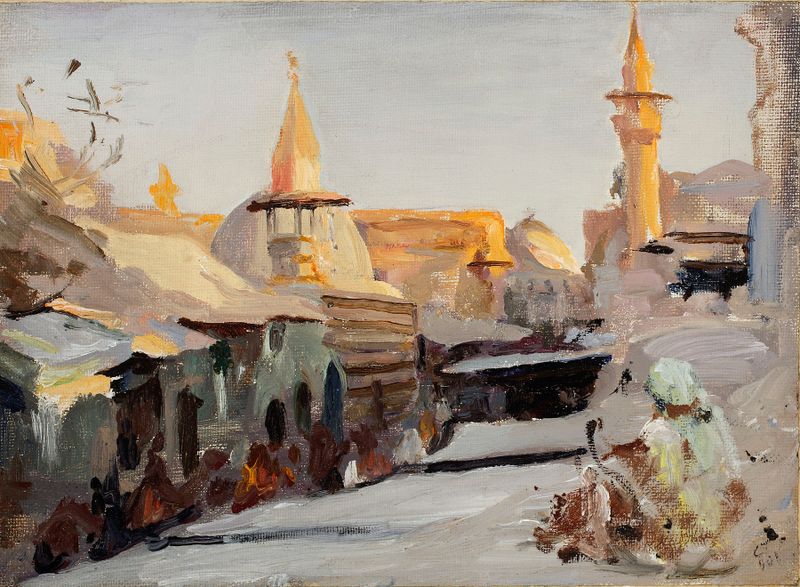
Street in Damascus. From the journey to Palestine
Jan Ciągliński
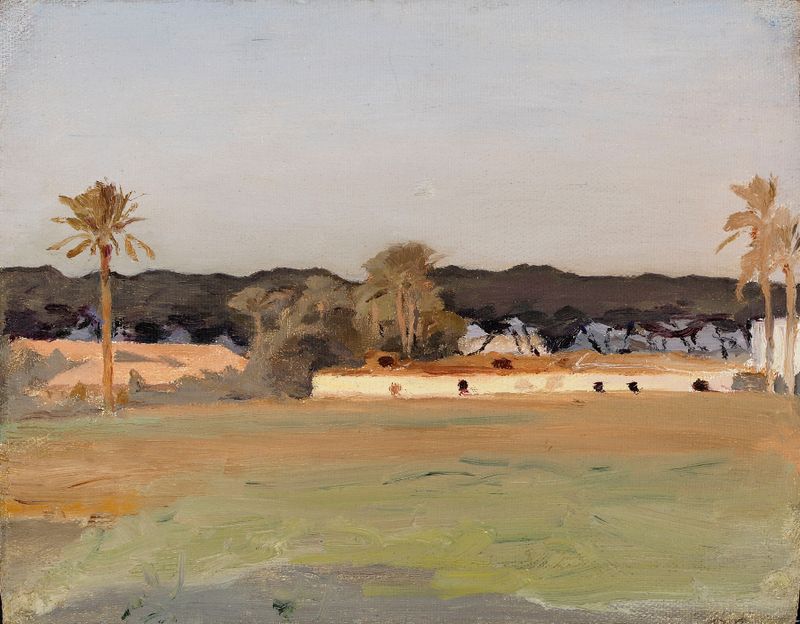
Evening. From the journey to Egypt
Jan Ciągliński
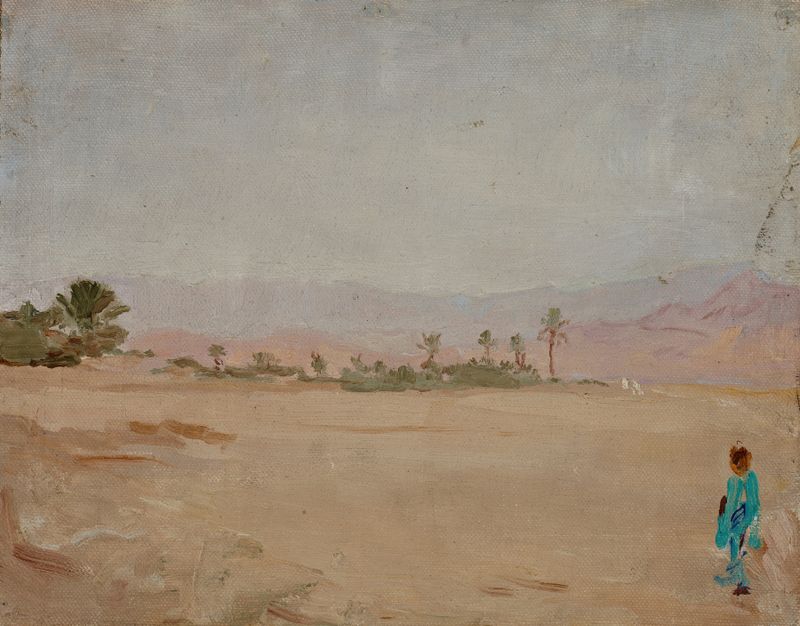
Sahara (Desert)
Jan Ciągliński
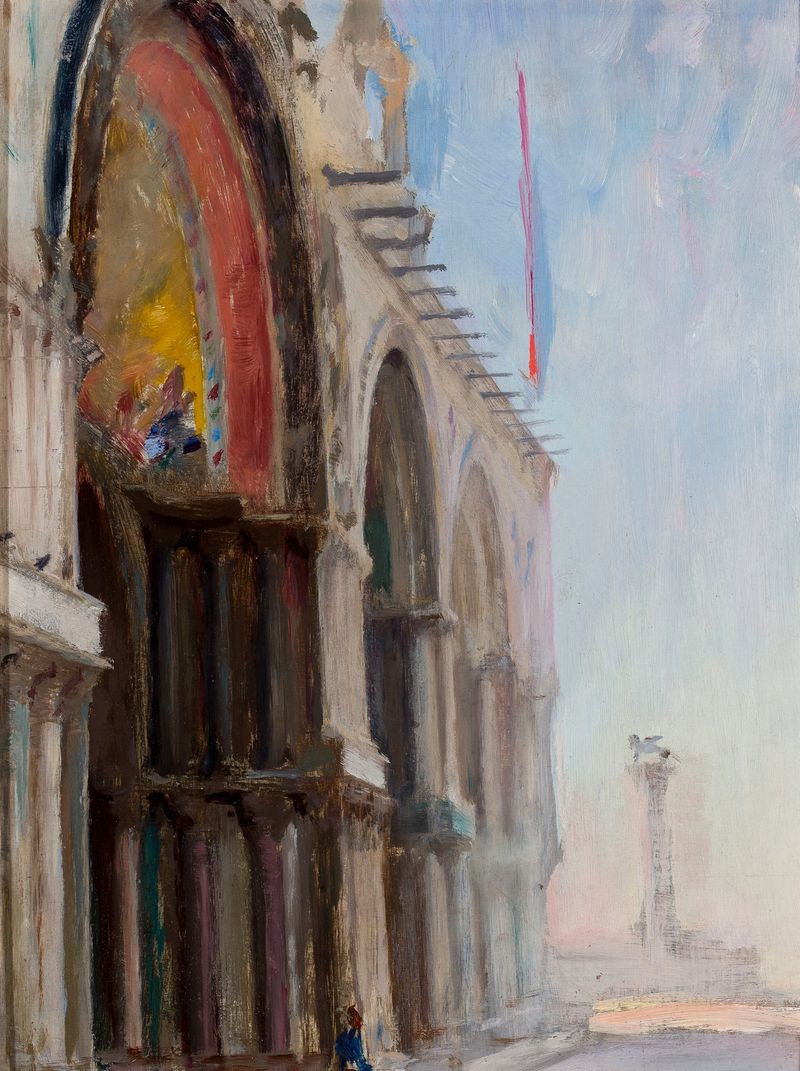
Venice – San Marco. From the journey to Italy
Jan Ciągliński
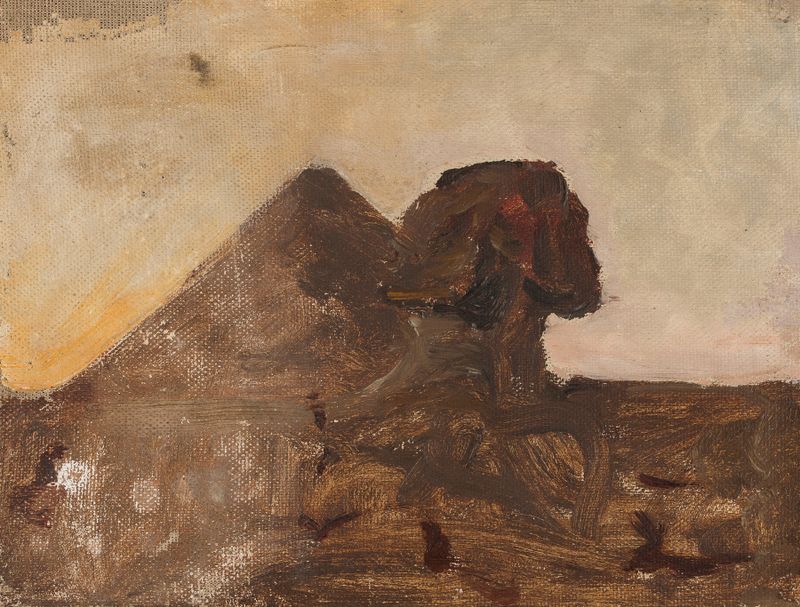
Evening in the desert – Sphinx and pyramid. From the journey to Egypt
Jan Ciągliński





