
Maharraka — History & Facts
Where does light end, and longing begin? In a world bustling with noise and chaos, this question echoes in the stillness of the mind, inviting contemplation and introspection. Focus first on the delicate interplay of light and shadow that dances across the canvas, illuminating the subtle details of the scene. Notice how the soft hues blend seamlessly, creating a tranquil atmosphere where each color whispers its own story. The brushwork, both loose and intentional, draws you into a realm that balances between reality and imagination, where every stroke contributes to an overarching sense of peace. As your eyes wander, pay attention to the juxtaposition of vibrant colors against muted tones, representing the tension between the ephemeral nature of joy and the stillness of solitude.
Hidden in the quiet corners of the painting, small symbols of nature evoke a longing for connection and a yearning for understanding amidst the vastness of existence. This emotional depth transforms the artwork from a mere visual experience into a profound exploration of human sentiment. Created during a period of personal and artistic exploration, Edward Lear crafted Maharraka in the late 19th century, a time when he was deeply engaged with travel and discovery. As he journeyed through landscapes and cultures, the artist sought to capture the essence of the world around him, reflecting both his observations and internal musings.
This work stands as a testament to his ability to convey complex emotions through the simplicity of form and color, forever resonating with those who dare to look deeper.
More Artworks by Edward Lear
Browse all →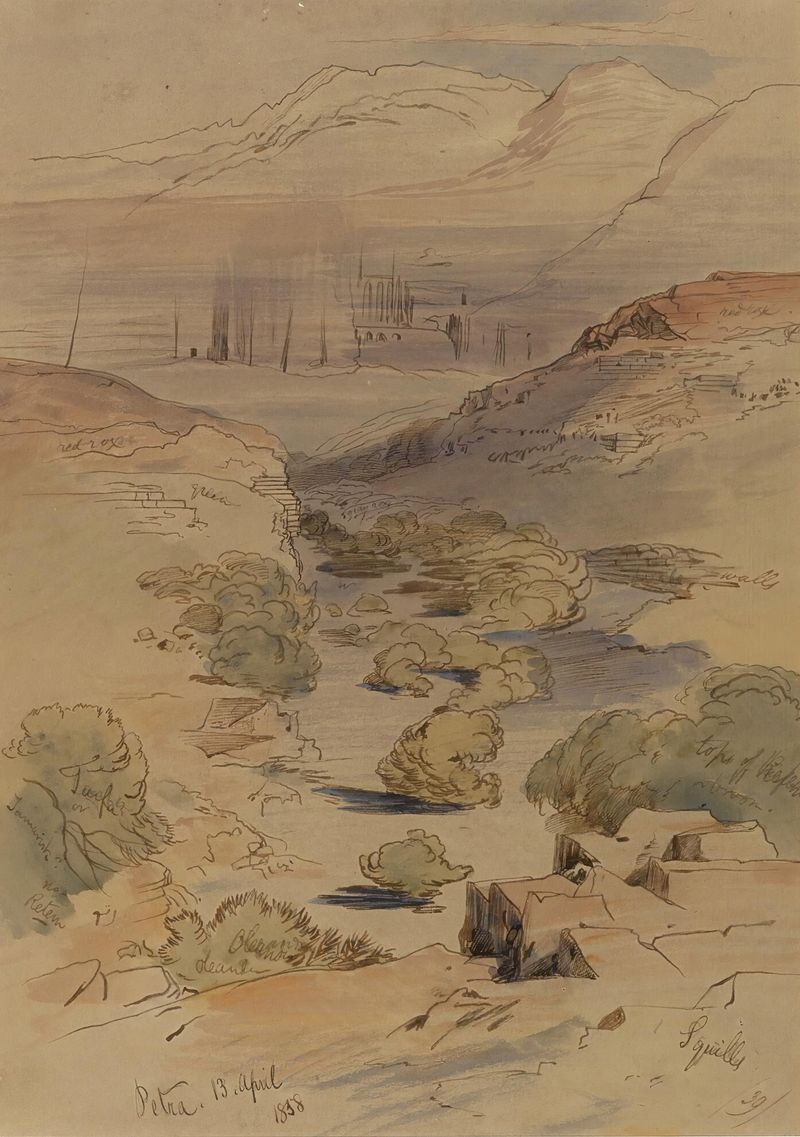
Petra
Edward Lear
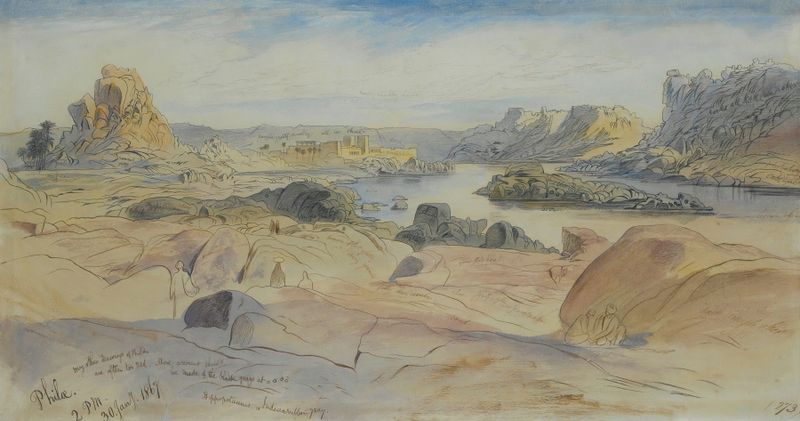
Philae, Egypt
Edward Lear
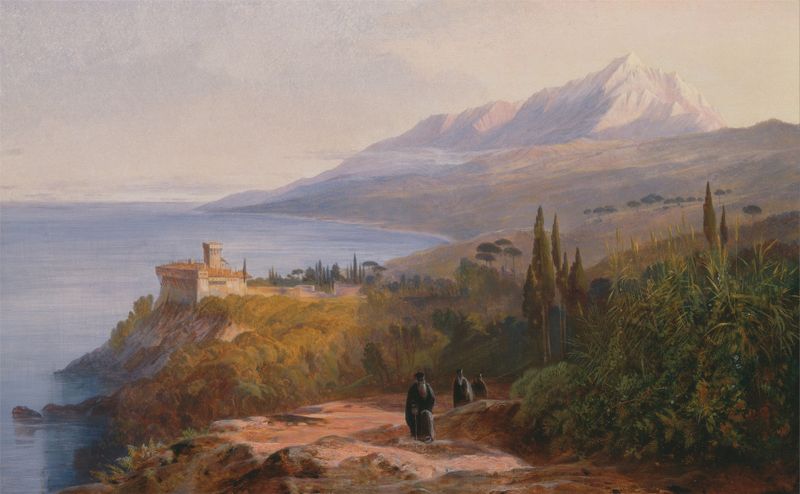
Mount Athos and the Monastery of Stavronikétes
Edward Lear
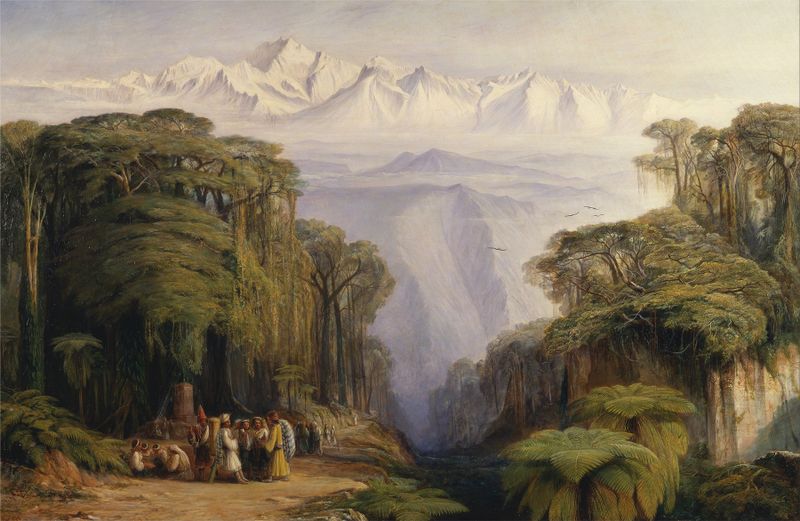
Kangchenjunga from Darjeeling
Edward Lear
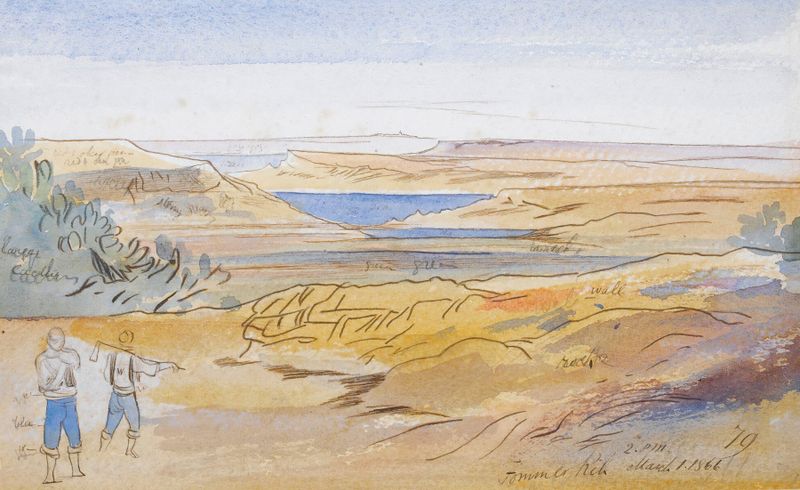
Fomm Ir-Rih, Malta
Edward Lear
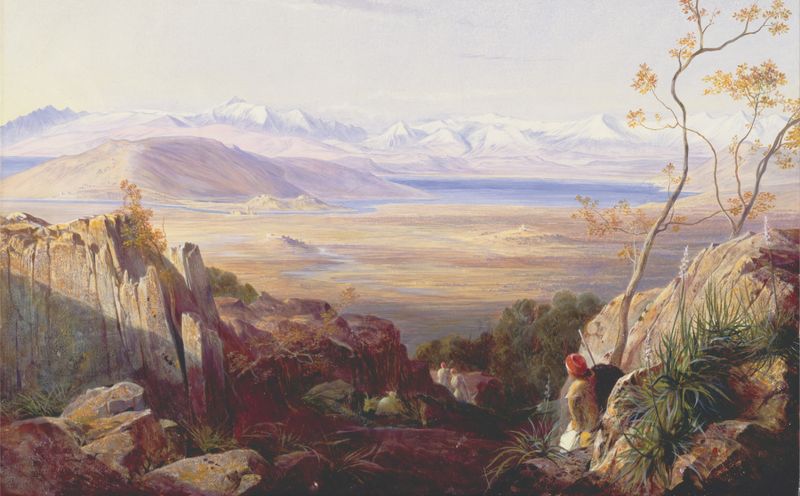
Butrinto, Albania
Edward Lear
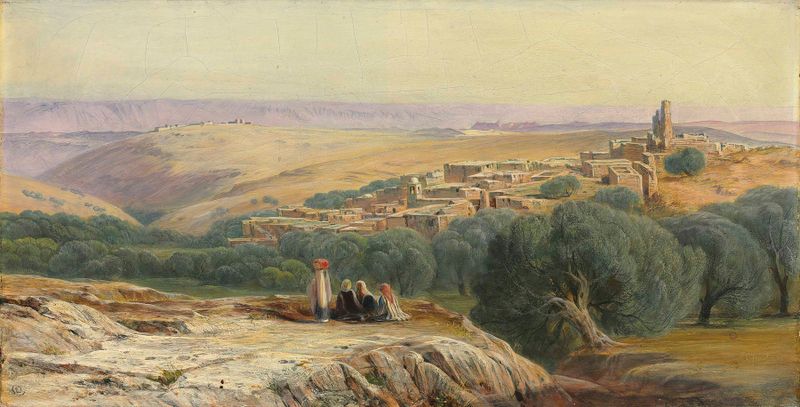
The Plains of Bethany
Edward Lear

Karnak, 9-30 pm, 22 January 1867
Edward Lear
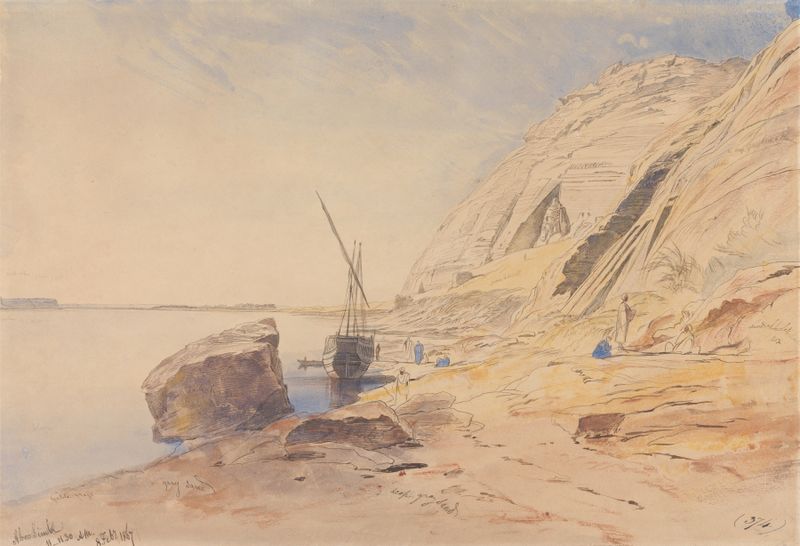
Abu Simbel, 11-11;30 am, 8 February 1867 (374)
Edward Lear

A View Of Mount Athos And The Pantokrator Monastery, Greece
Edward Lear





