
Maine Coast — History & Facts
Can beauty exist without sorrow? The rugged wilderness of the coastline, teetering between the sublime and the melancholic, beckons us to confront this question. Look to the horizon, where crashing waves meet a vibrant sky, painted in hues of orange and violet. The sun dips, casting a golden light over jagged rock formations, compelling the viewer to drink in both the serenity and tumult of nature. Notice how each brushstroke captures the interplay of light and shadow, revealing intricate details in the flora that clings to the cliffs as if resisting the inevitable pull of the sea.
The careful composition draws the eye along the coast, creating an inviting pathway into the wild landscape. Within this mesmerizing vista lies an emotional duality. The tranquil beauty of the scene is punctuated by the tumultuous waves, suggesting a constant struggle between creation and destruction, between hope and despair. Consider the lonely figure of a sailboat in the distance, dwarfed by the grandeur of nature, symbolizing humanity’s fragility amidst such overwhelming beauty.
This juxtaposition evokes a sense of longing, as if the viewer is drawn to a paradise that is forever just out of reach. Frederic Edwin Church painted this work between 1845 and 1848 during a period marked by the Hudson River School's exploration of American landscapes. At this time, Church was deeply influenced by Romantic ideals and a growing fascination with nature’s majesty and power. His travels to the coast of Maine allowed him to capture the sublime beauty of the American landscape, as the nation itself grappled with its identity and the duality of its boundless natural splendor.
More Artworks by Frederic Edwin Church
Browse all →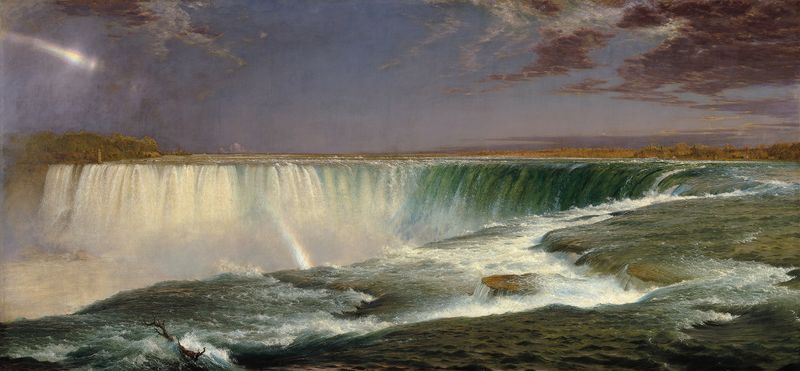
Niagara
Frederic Edwin Church
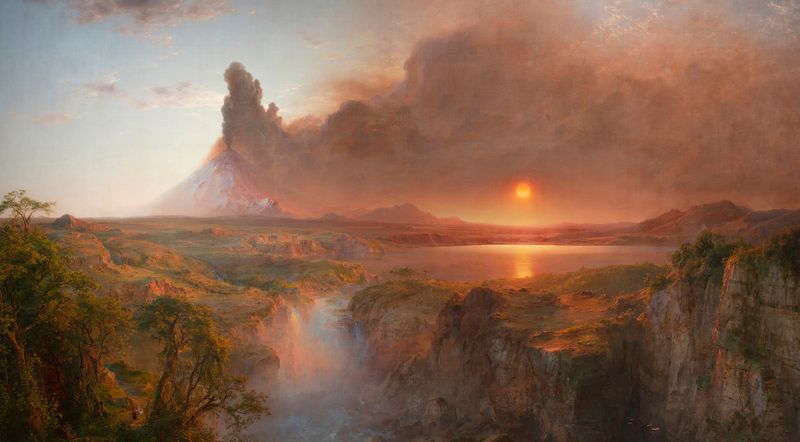
Cotopaxi
Frederic Edwin Church
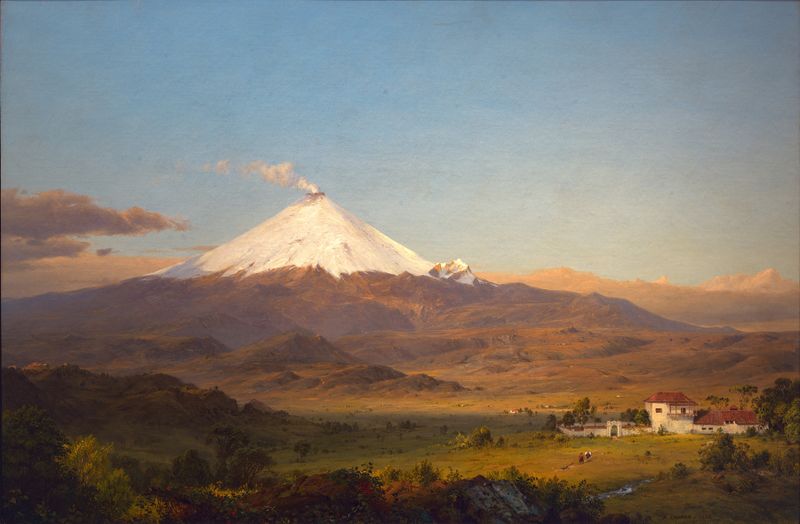
Cotopaxi
Frederic Edwin Church
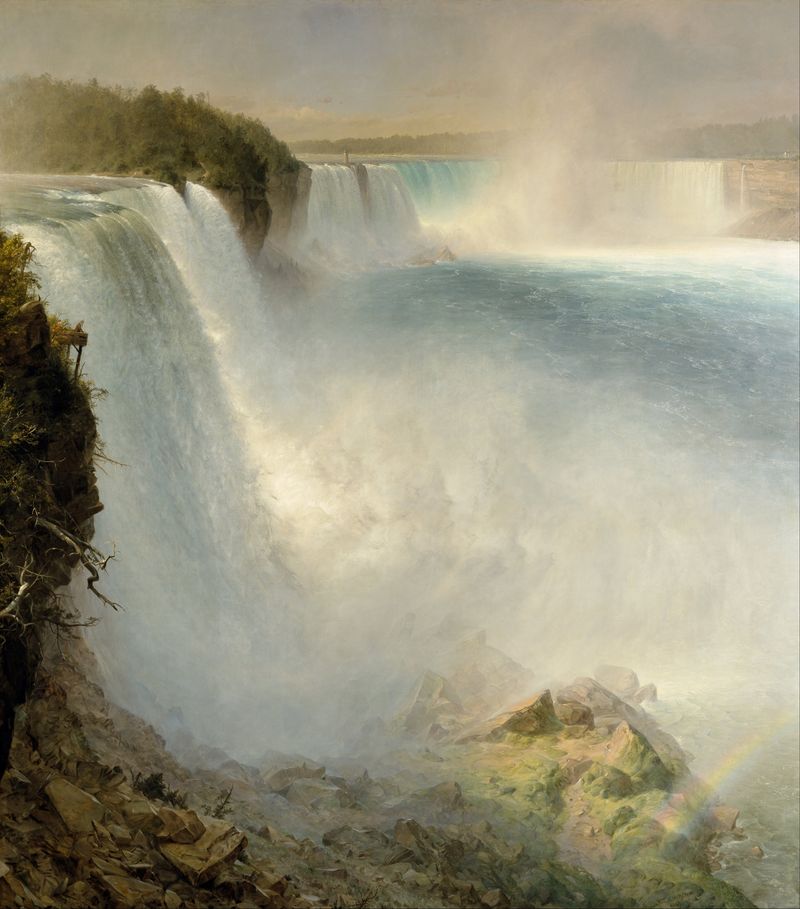
Niagara Falls, from the American Side
Frederic Edwin Church
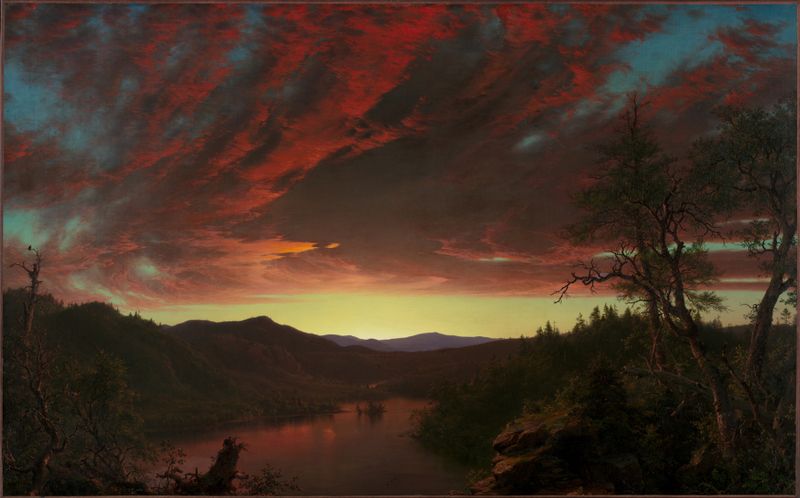
Twilight in the Wilderness
Frederic Edwin Church
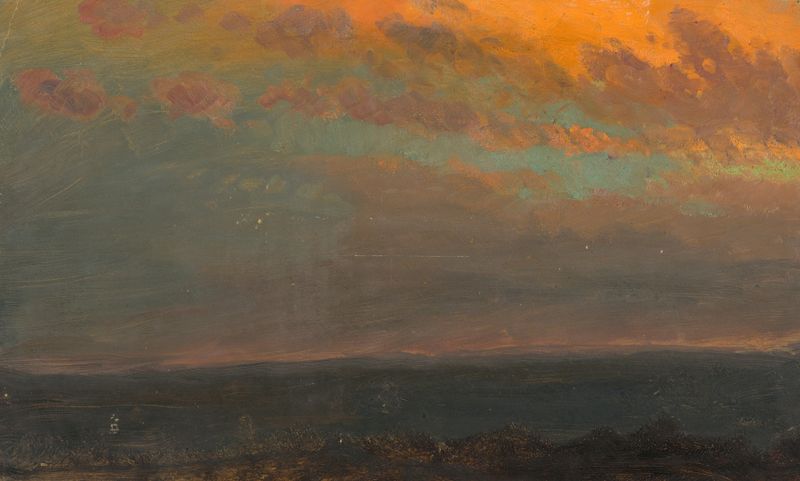
Hudson Valley at Sunset
Frederic Edwin Church
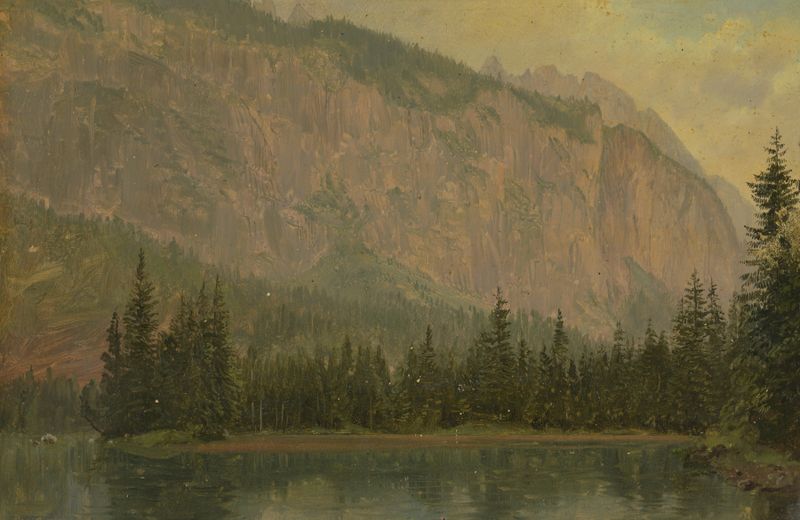
The Hintersee, near Berchtesgaden, Bavaria
Frederic Edwin Church
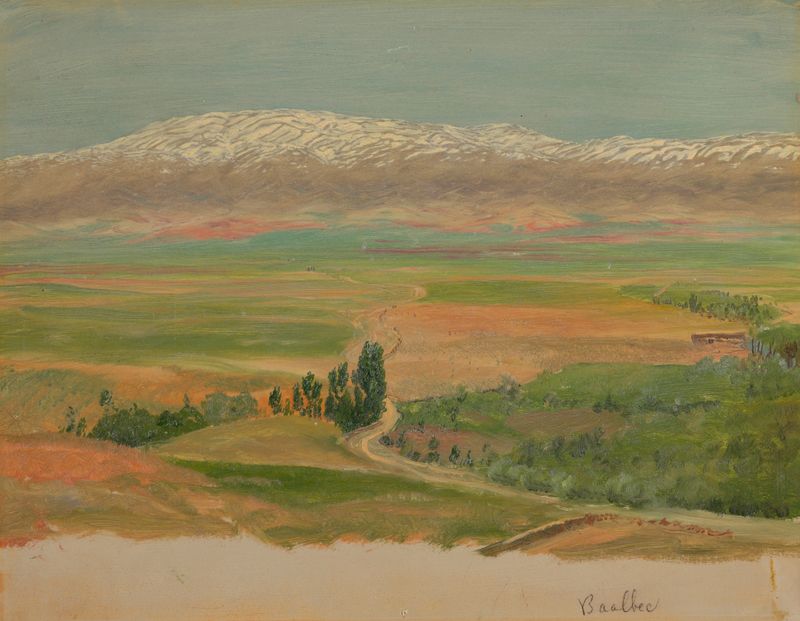
Mountains near Baalbec
Frederic Edwin Church
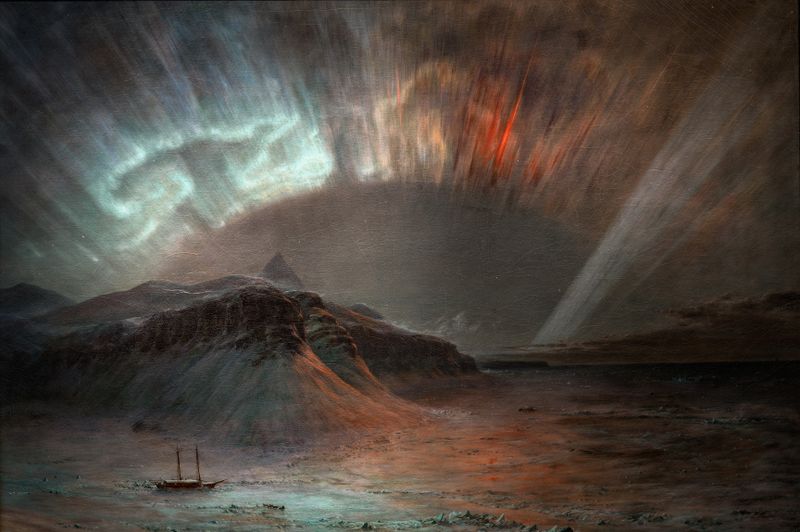
Aurora Borealis
Frederic Edwin Church
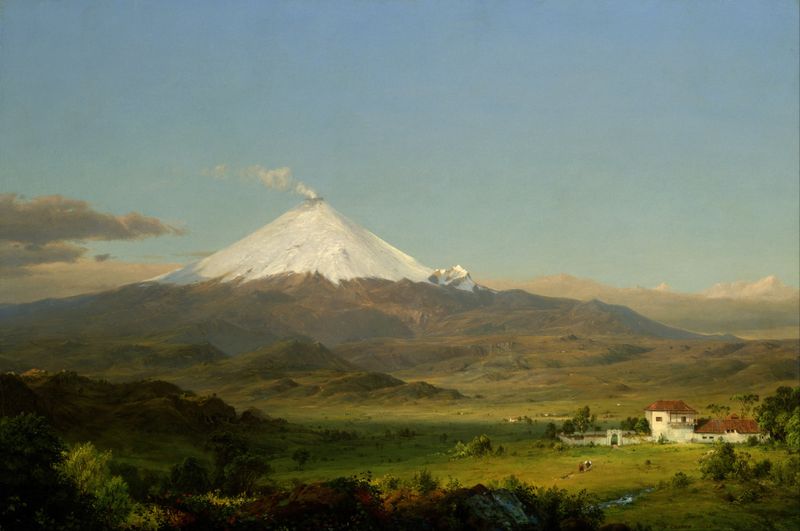
Cotopaxi
Frederic Edwin Church





