
Maine Coast — History & Facts
In the stillness of a moment, serenity unfurls like a gentle breeze over the tranquil landscape, inviting viewers to breathe deeply and reflect. Focus on the horizon where the warm hues of a sunset meet the cool blues of the ocean, creating a seamless blend that evokes peace. Notice how the rich greens of the shoreline contrast with the golden sunlight filtering through the clouds, illuminating the scene with a soft radiance. Each brushstroke reveals the artist's meticulous attention to detail, while the expansive sky invites the eye to wander freely. Beneath the surface of this idyllic view lies a poignant interplay of light and shadow, suggesting the passage of time and the transient beauty of nature.
The presence of the distant cliffs hints at both isolation and connection, inviting contemplation on humanity's relationship with the natural world. Here, Church captures not just the visual splendor but also the emotional depth that such landscapes can inspire. In 1850, the artist was firmly establishing his reputation within the Hudson River School, a movement celebrated for its emphasis on the American landscape. Created during a time of burgeoning nationalism and a fascination with nature, the piece reflects both the romantic ideals of the era and Church's personal experiences exploring the coast of Maine.
His work resonated with a society eager to find solace in its untamed beauty, forever linking the artist's vision to an enduring sense of tranquility.
More Artworks by Frederic Edwin Church
Browse all →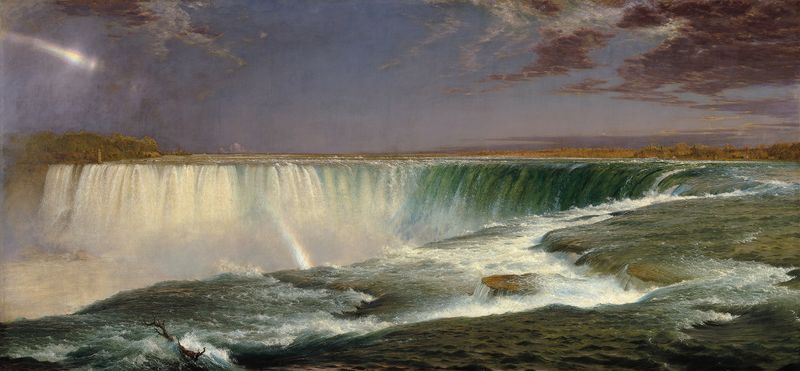
Niagara
Frederic Edwin Church

Cotopaxi
Frederic Edwin Church

Cotopaxi
Frederic Edwin Church
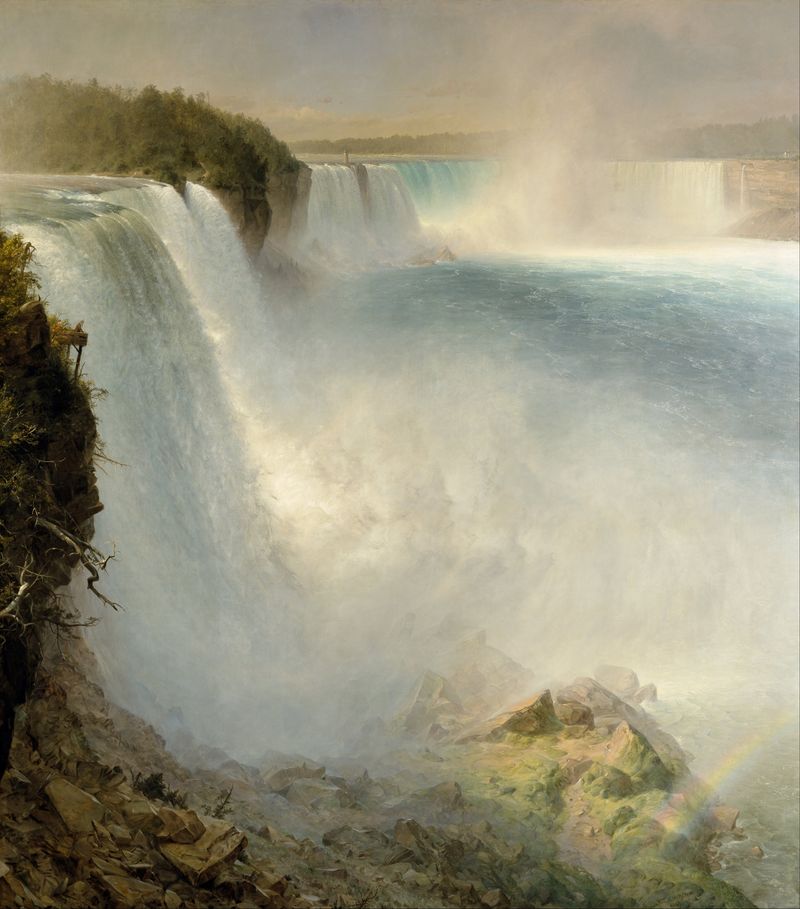
Niagara Falls, from the American Side
Frederic Edwin Church
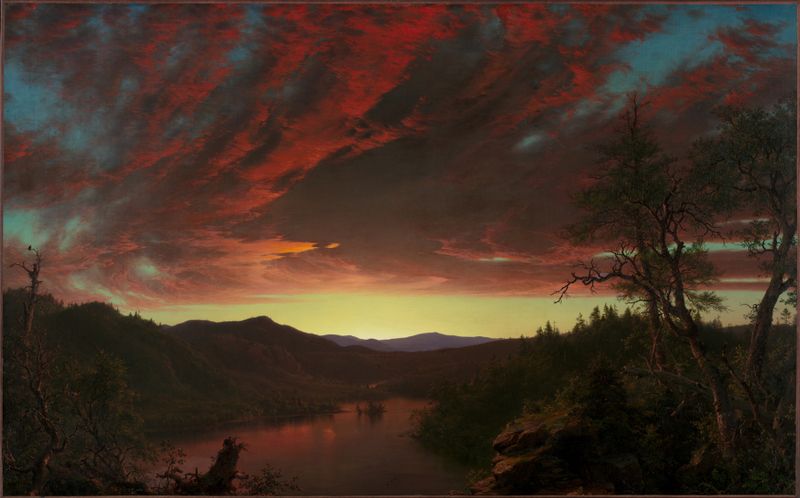
Twilight in the Wilderness
Frederic Edwin Church

Hudson Valley at Sunset
Frederic Edwin Church
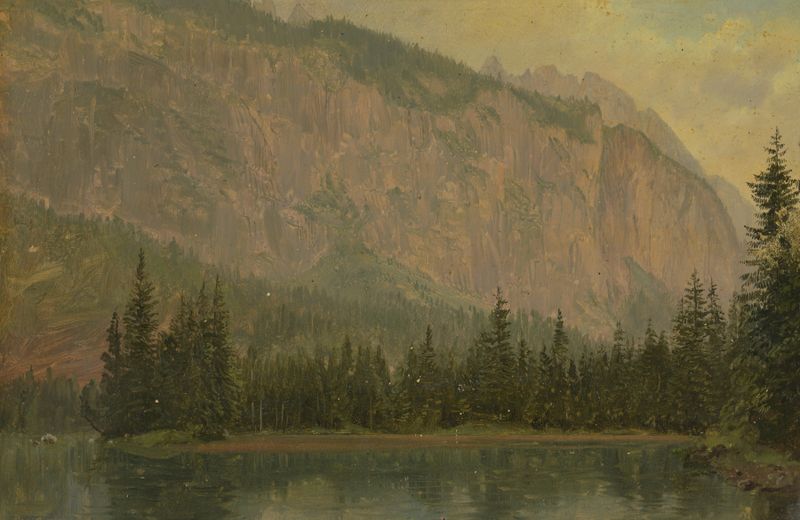
The Hintersee, near Berchtesgaden, Bavaria
Frederic Edwin Church
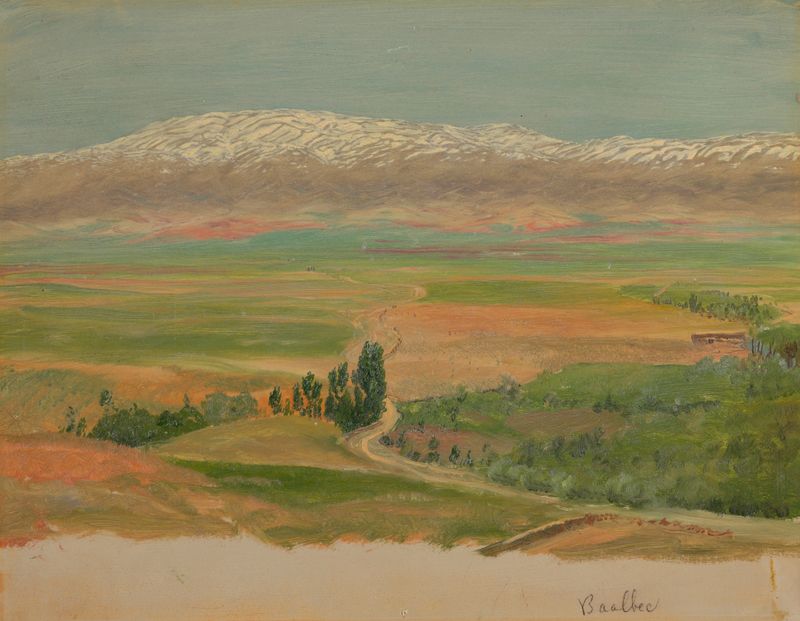
Mountains near Baalbec
Frederic Edwin Church

Aurora Borealis
Frederic Edwin Church

Cotopaxi
Frederic Edwin Church





