
Maine Coast, moonlight — History & Facts
Could a single brushstroke hold eternity? In the quiet embrace of moonlight, Maine Coast, moonlight unfolds a world where hope dances lightly across the water’s surface, inviting viewers to lose themselves in its serene depths. Focus first on the luminous moon, casting its silvery glow over the tranquil waters. Notice how the light reflects off the gentle ripples, creating a pathway that seems to lead into the promise of the night. The palette of deep blues and soft silvers evokes a sense of calm, while the silhouettes of distant trees frame the scene, enhancing the feeling of solitude and contemplation.
The horizon merges seamlessly with the sky, blurring the lines between reality and dream, a masterful technique that draws you deeper into the composition. Yet, beneath this serene exterior lies a deeper narrative. The contrast between the light of the moon and the shadowy coastline suggests an eternal struggle between hope and despair, illuminating the beauty found even in darkness. The painting's tranquil surface hints at the unease of untold stories, while the persistent light serves as a beacon of yearning for something greater.
Each brushstroke resonates with the emotional weight of a longing that transcends time, whispering of possibilities and new beginnings. Frederic Edwin Church created this work during a period of personal exploration and the rise of the Hudson River School, a movement characterized by its celebration of the American landscape. Painted between 1845 and 1855, Church sought to capture the sublime beauty of nature while reflecting the romantic spirit of the age. At this time, America was experiencing rapid changes, and his art provided a refuge, a moment of stillness amid the tumultuous world, allowing viewers to reconnect with nature and themselves.
More Artworks by Frederic Edwin Church
Browse all →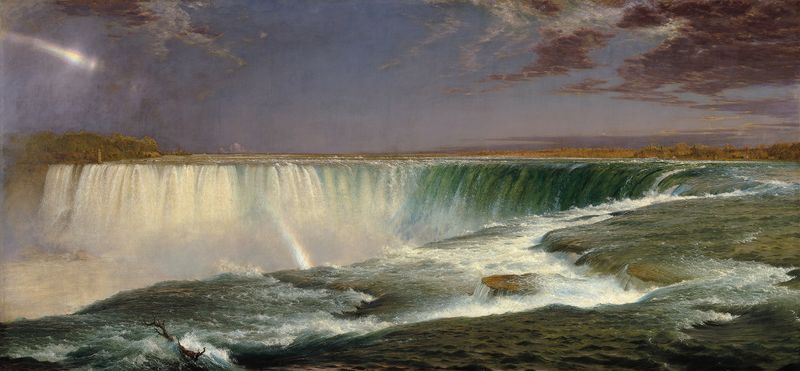
Niagara
Frederic Edwin Church
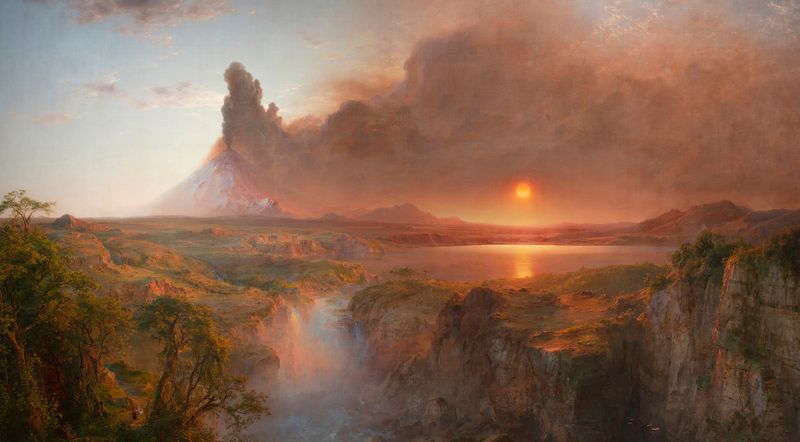
Cotopaxi
Frederic Edwin Church
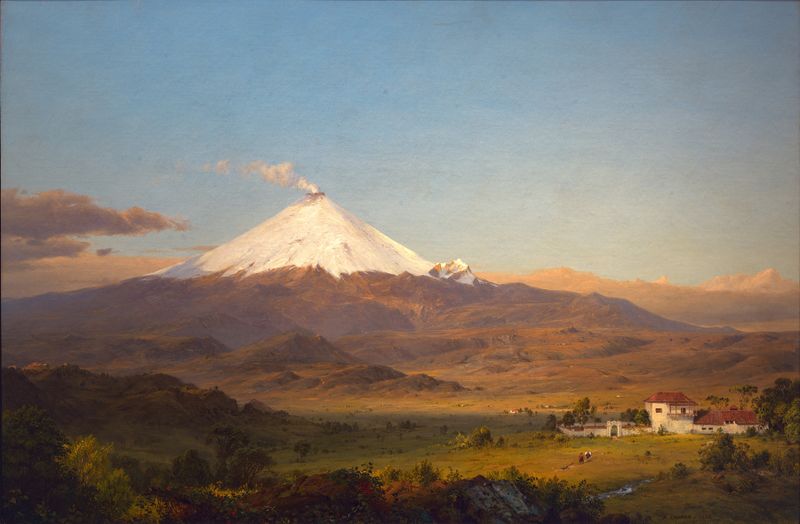
Cotopaxi
Frederic Edwin Church
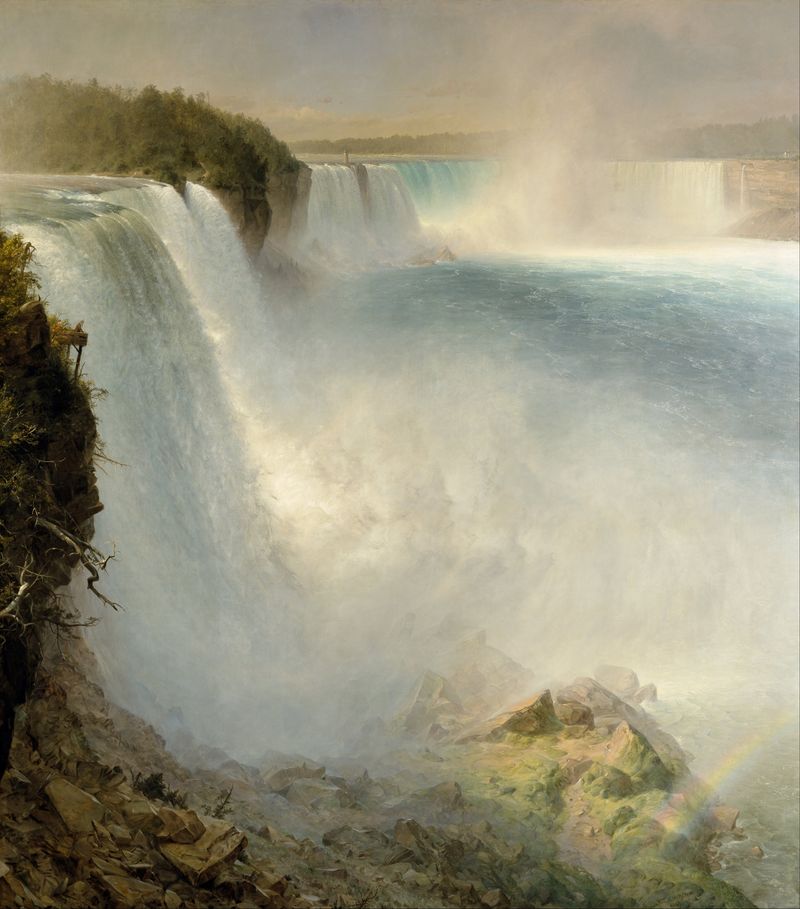
Niagara Falls, from the American Side
Frederic Edwin Church
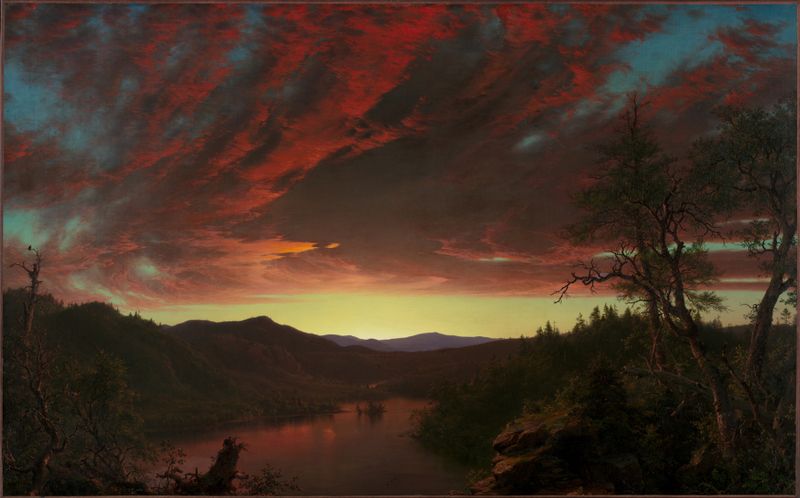
Twilight in the Wilderness
Frederic Edwin Church
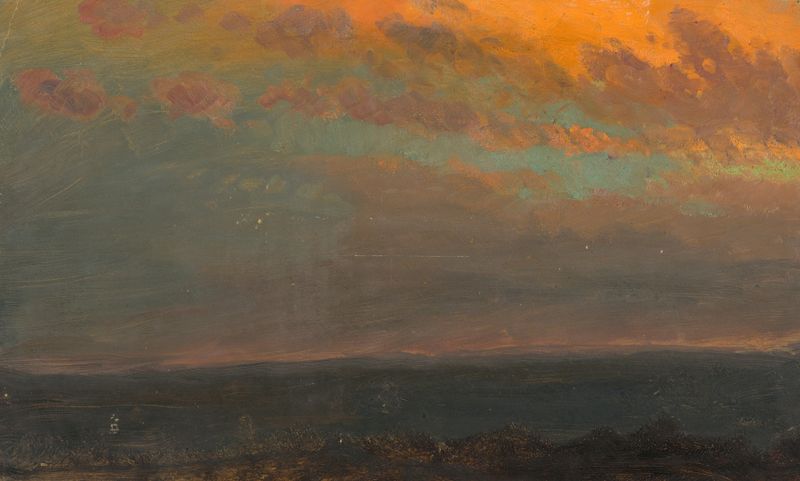
Hudson Valley at Sunset
Frederic Edwin Church
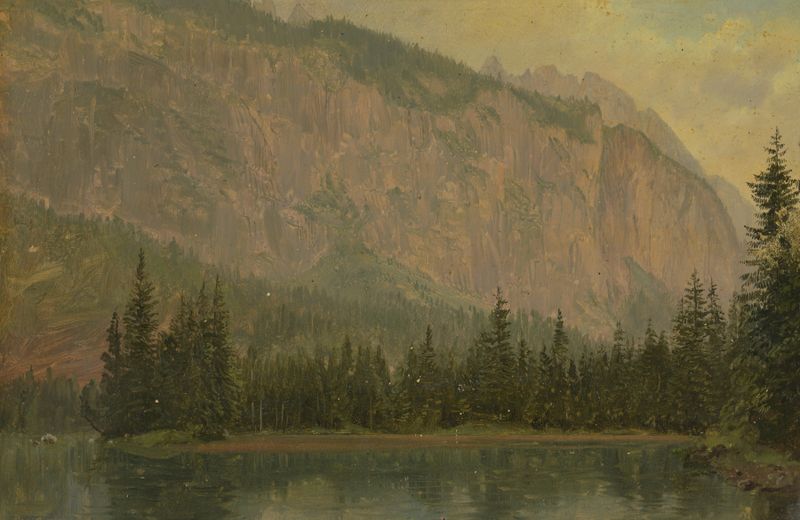
The Hintersee, near Berchtesgaden, Bavaria
Frederic Edwin Church
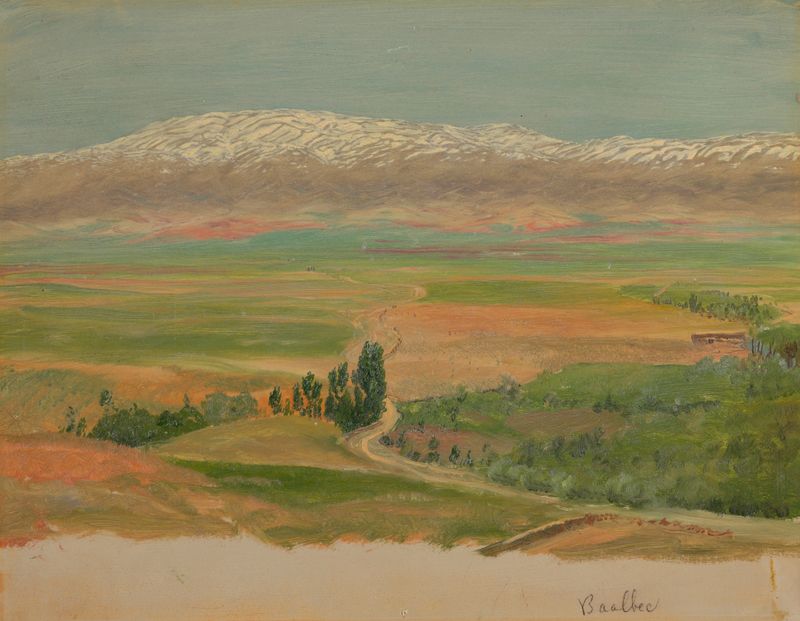
Mountains near Baalbec
Frederic Edwin Church
Aurora Borealis
Frederic Edwin Church
Cotopaxi
Frederic Edwin Church





