
Maine sky study — History & Facts
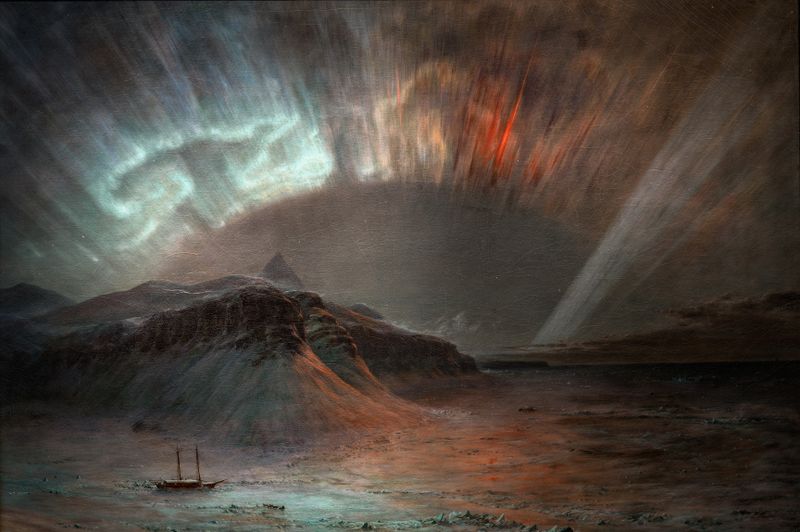
In this moment of contemplation, the vastness of the sky invites us to ponder the chaotic beauty of existence, a reflection of our own inner madness. Look to the top of the canvas; it is there that a tumultuous array of blues, purples, and fiery oranges swirl together, creating an almost surreal atmosphere. Notice how the light dances across the heavens, infusing the clouds with a sense of movement that seems to pulse with life. The horizon line, delicately balanced with the tranquil land below, draws our eyes between the tumult above and the serenity beneath, illustrating a striking contrast that captures the viewer’s imagination. The emotional tension in this piece lies in the balance between chaos and calm.
The ephemeral nature of the swirling sky hints at fleeting sanity, while the solid earth below represents stability. Each brushstroke conveys an urgency, yet the color palette invites serenity, suggesting that madness can exist within the confines of beauty. It speaks to the duality of human experience—how beauty often teeters on the edge of disorder. Frederic Edwin Church painted this work between 1868 and 1869 during a time when the Hudson River School was at its zenith, promoting grand landscapes that showcased nature’s majesty.
He was deeply influenced by his travels and observations of light and atmosphere, reflecting the broader movements in Romanticism and the American landscape tradition. At this juncture in his life, Church was merging his fascination with the natural world with a burgeoning understanding of emotional expression through art, solidifying his legacy as a master of atmospheric painting.
More Artworks by Frederic Edwin Church
Browse all →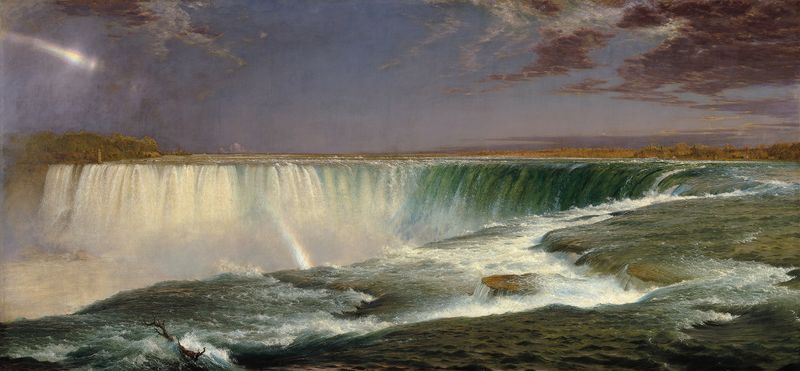
Niagara
Frederic Edwin Church
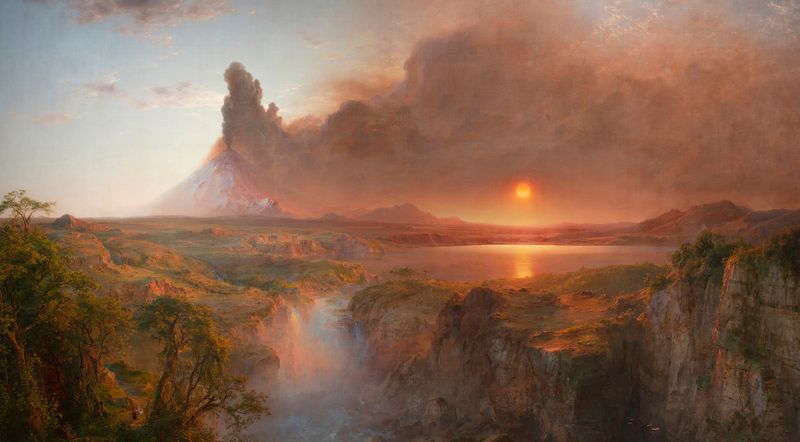
Cotopaxi
Frederic Edwin Church
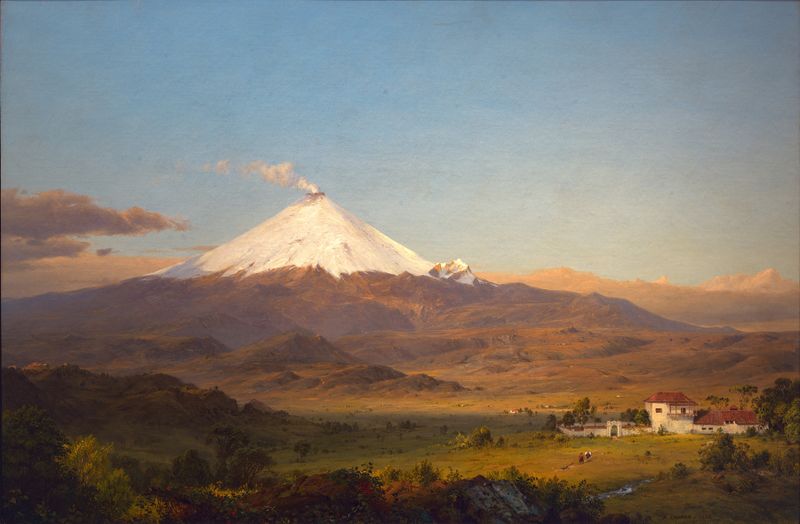
Cotopaxi
Frederic Edwin Church
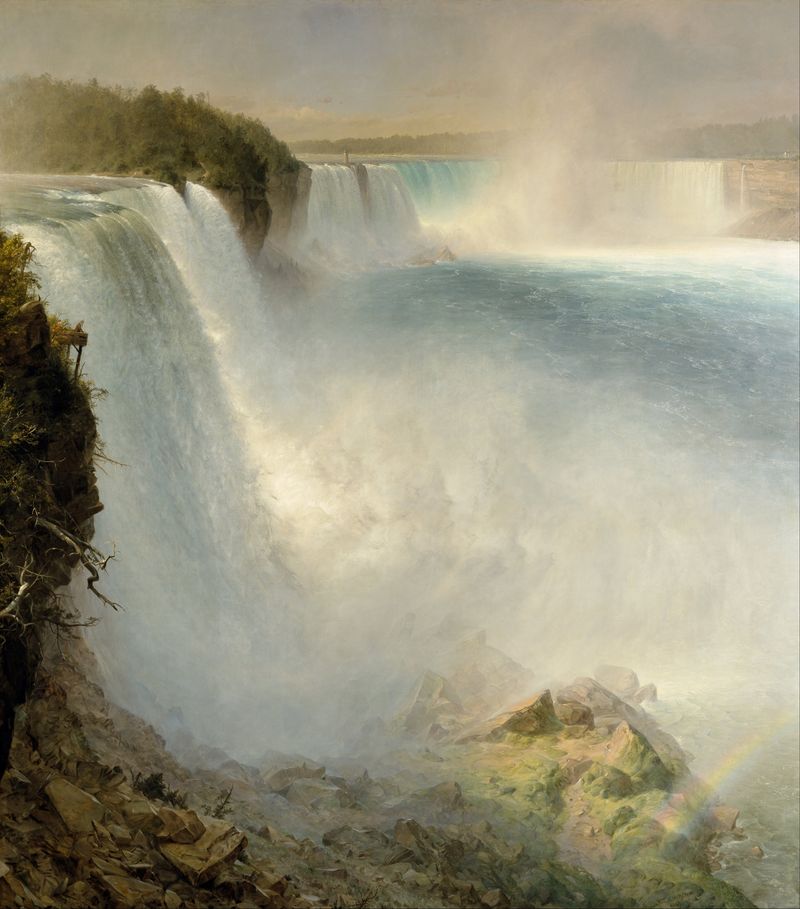
Niagara Falls, from the American Side
Frederic Edwin Church
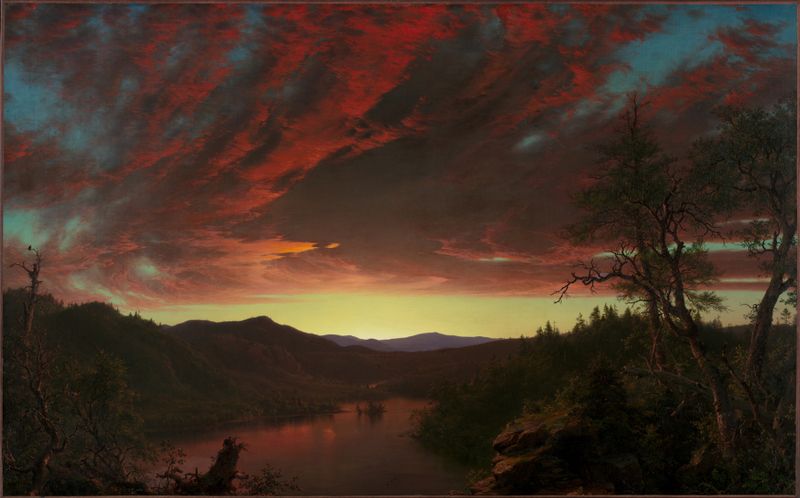
Twilight in the Wilderness
Frederic Edwin Church
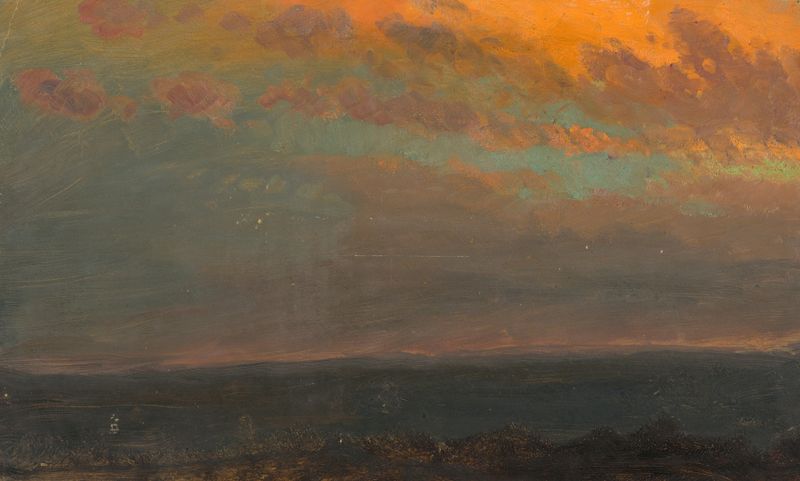
Hudson Valley at Sunset
Frederic Edwin Church
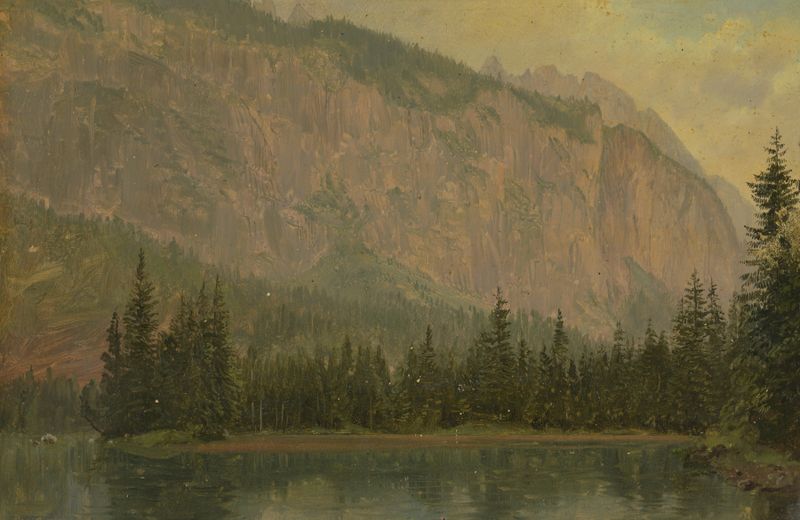
The Hintersee, near Berchtesgaden, Bavaria
Frederic Edwin Church
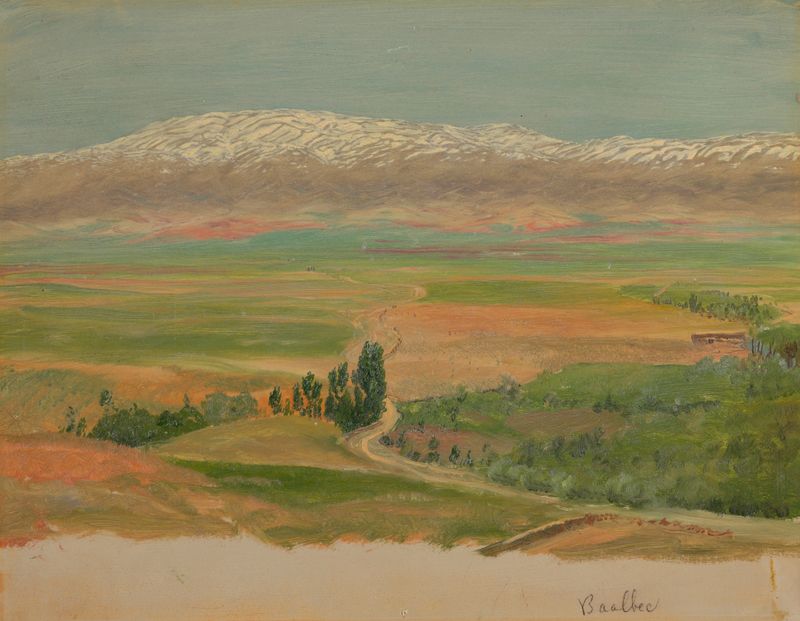
Mountains near Baalbec
Frederic Edwin Church
Aurora Borealis
Frederic Edwin Church
Cotopaxi
Frederic Edwin Church





