Maisons Au Pied D’une Falaise — History & Analysis
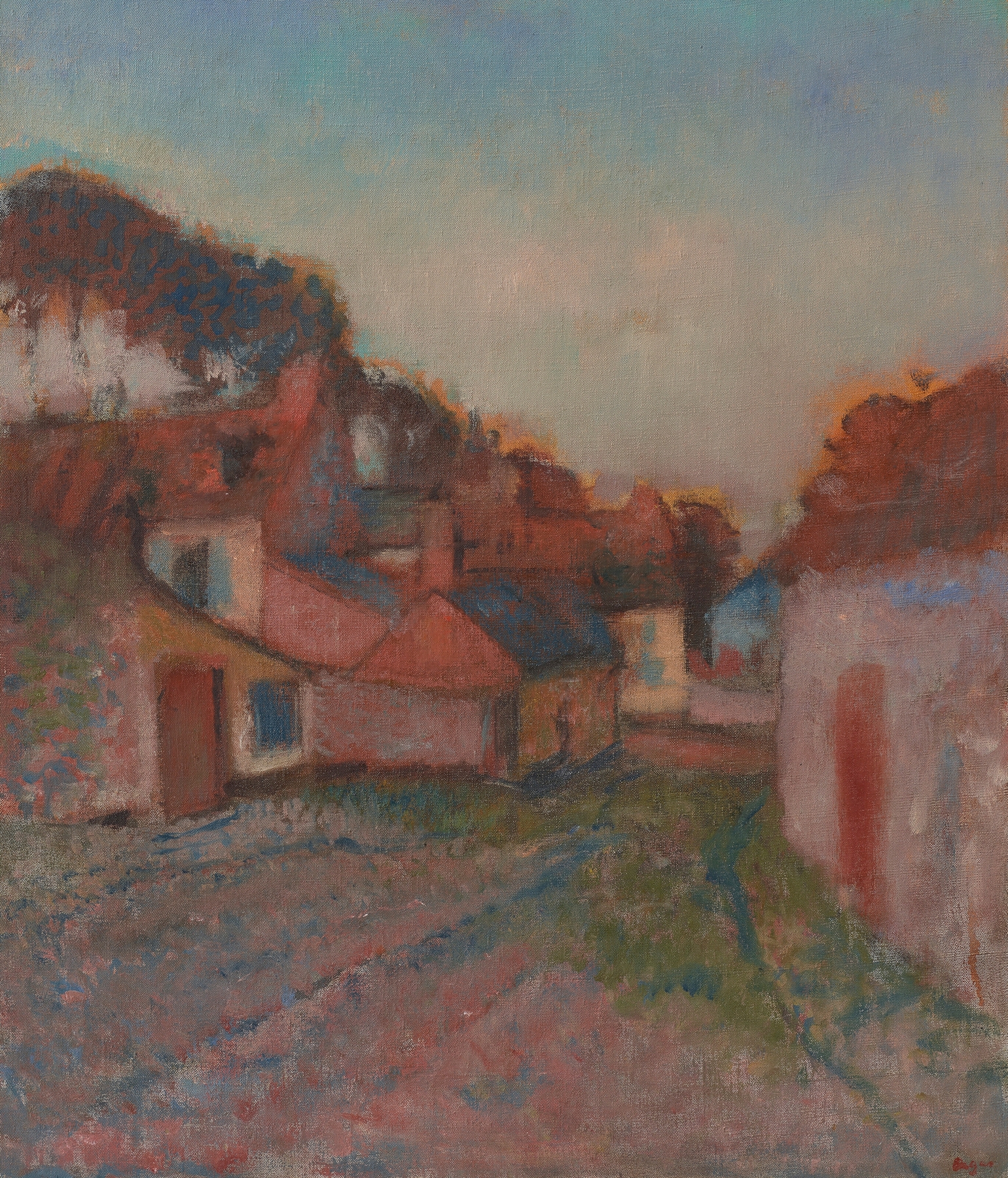
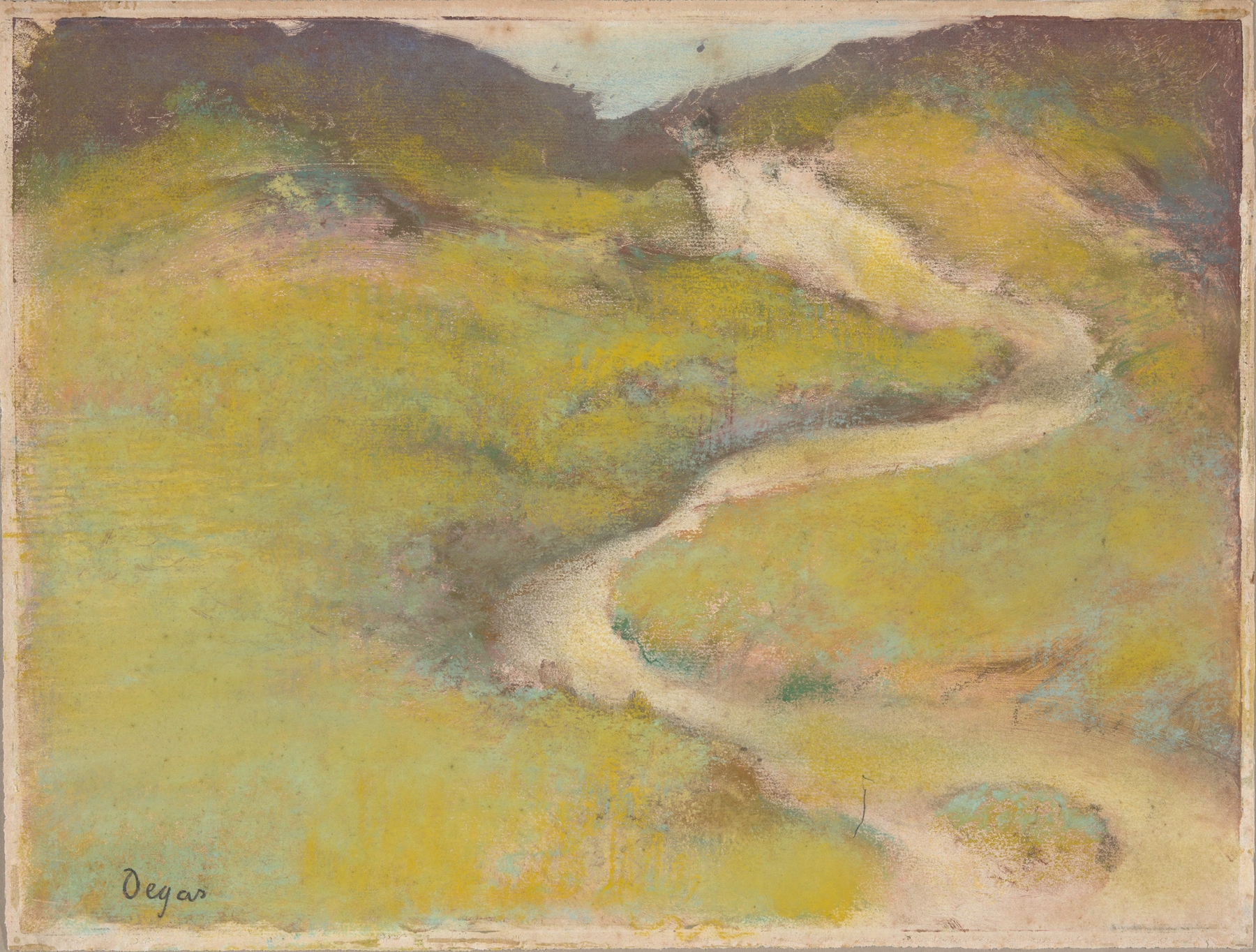
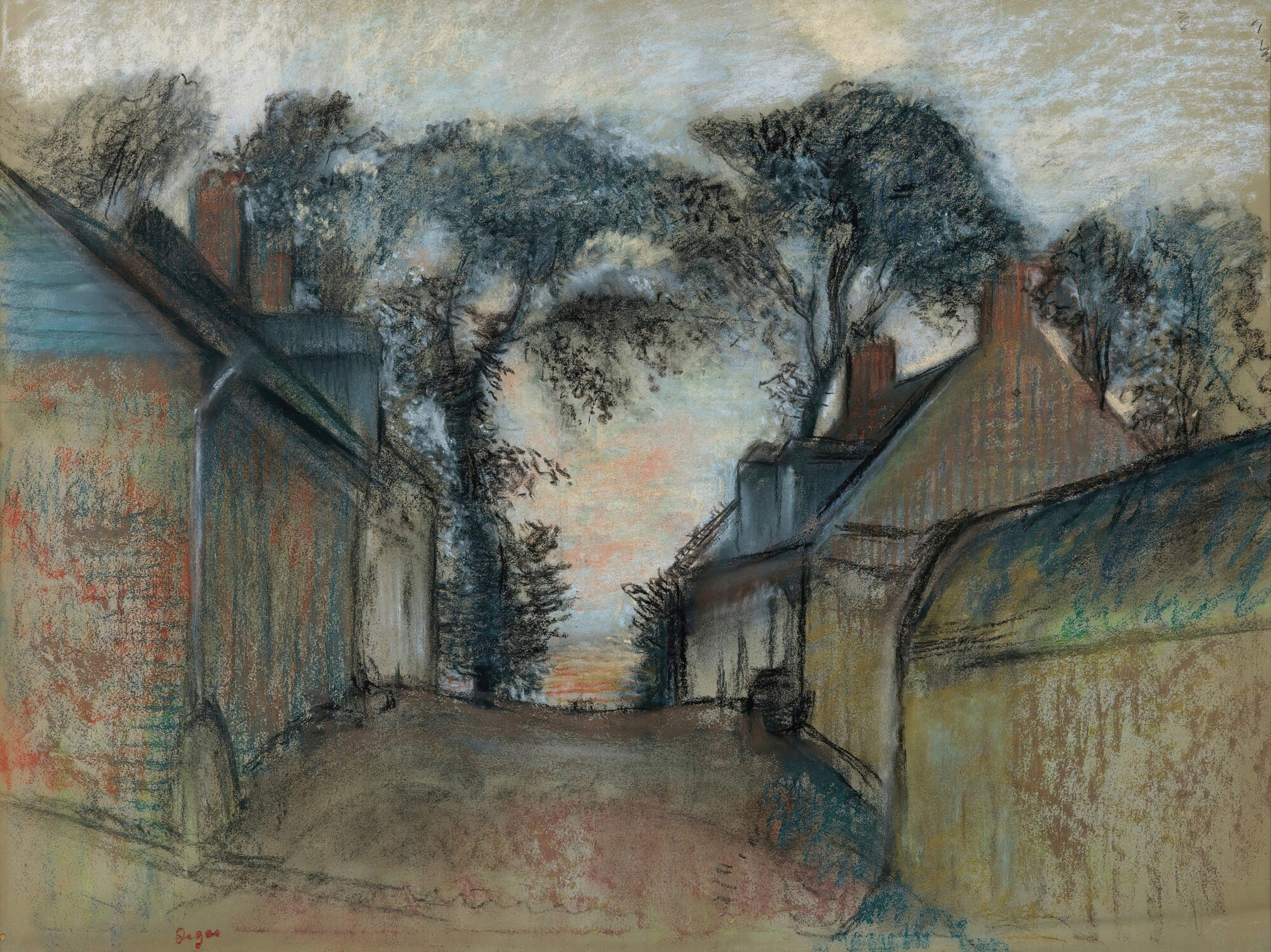
“Art reveals the soul when the world turns away.” In moments of violence, whether within landscapes or within ourselves, the hidden turmoil often emerges. Focus on the textured cliffs rising behind the houses, their rugged surface etched with strokes that seem to tell a story of resilience. Look closely at the light cascading down the cliffside; it dances over rooftops, casting long shadows that hint at the weight of the scene. Notice how the color palette shifts from earthy browns to softer, sunlit hues—representing both stability and tension, as if the landscape knows the secrets buried within its folds.
The juxtaposition of the sturdy homes against the looming cliff conveys an unspoken struggle between safety and danger. There is a haunting sense of isolation in the structure’s stillness, as if the inhabitants are unaware of the threat that looms above them. The dynamic between light and shadow reflects deeper emotional layers, revealing the violence of nature’s raw power juxtaposed against the fragile tranquility of human life. Each brushstroke resonates with a quiet intensity, reminding us that beauty exists alongside peril.
During the late 1890s, when this piece was created, the artist was exploring new techniques and subjects, moving away from the rigid confines of traditional forms. Residing in Paris, he was increasingly influenced by Impressionism while navigating personal challenges and the changing art world. The time was ripe with innovation, yet the specter of social upheaval loomed on the edges, infusing his work with layers of complexity and unspoken narrative.