Mama’s Boy — History & Facts
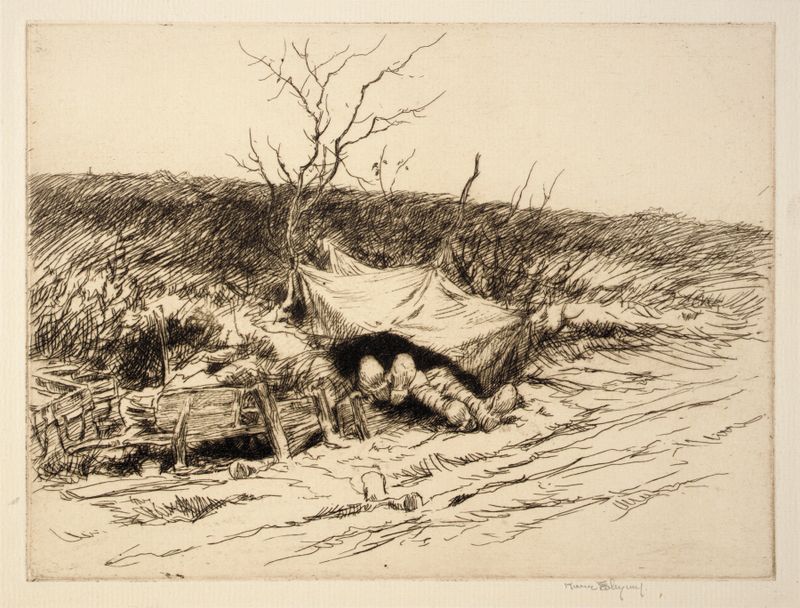
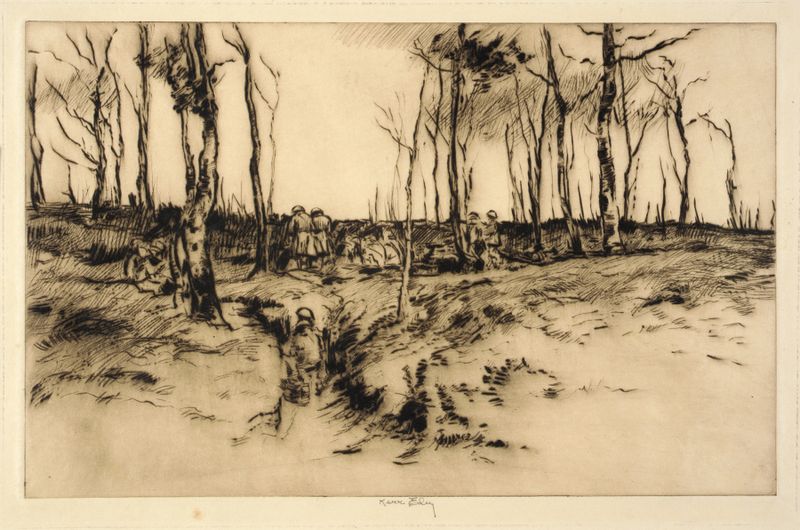
In the chiaroscuro of Mama’s Boy, betrayal lingers like an unspoken word, haunting the canvas. The emotional weight captured within the frame speaks to the complex interplay between love and loss, between protection and abandonment. Focus first on the tender embrace at the center, where a mother cradles her son, their faces awash in soft light. Notice how the warm tones of her skin contrast with the cooler background, creating an intimate sanctuary amidst an unsettling world.
The boy’s gaze, wide and unblinking, holds a depth of longing that suggests both comfort and an impending separation. Eby's technique, with its delicate strokes and rich textures, draws the viewer into this moment of both security and vulnerability. As you linger longer, the surrounding shadows begin to reveal their secrets. The mother’s gentle smile, while warm, juxtaposes with the rigidity of the child’s posture, suggesting an emotional distance that hints at future betrayal.
The subtle lines etched into their faces speak of untold stories—fears, dreams, and the inevitable passage of time that fractures their bond. Eby masterfully captures a fleeting moment, imbuing it with a sense of foreboding that resonates with anyone who has experienced the complexity of familial love. Created in 1937 during a period of personal reflection and societal turmoil, Eby found himself grappling with his artistic identity. Operating within the confines of American realism, he sought to convey deeper truths about human relationships amidst the backdrop of a world teetering on the edge of change.
Mama’s Boy stands as a poignant reminder of the fragile ties that bind us, even as they threaten to unravel.