
Man Beside a Stile — History & Facts
Could a single brushstroke hold eternity? In Man Beside a Stile, the vast emptiness resonates, evoking a profound meditation on solitude and the nature of existence. Look closely at the solitary figure positioned next to the stile, taking center stage against the backdrop of an expansive, desolate landscape. The muted earth tones create a somber atmosphere, while the subtle play of light accentuates the contours of the man’s form, suggesting both presence and absence. The soft brushwork enhances the melancholic mood, inviting the viewer to ponder what lies beyond the boundary the stile represents. The scene unfolds with a captivating tension: the man stands poised yet detached, straddling two worlds—one of human connection and the other of isolation.
The stile, a simple wooden structure, symbolizes an invitation to cross into the unknown, yet it also embodies the barriers we create. The horizon, almost painfully far off, speaks to a longing for something unreachable, emphasizing the emotional void that permeates the work. John Thomas Smith created this piece during an era of artistic exploration and transition in the late 18th century in England, as Romanticism began to take root. Amidst personal challenges, including financial struggles and the evolving landscape of art that often prioritized dramatic naturalism, Smith sought to capture the essence of human experience through simplicity and introspection.
His focus on solitude in this work reflects both his own life experiences and the larger conversations around individuality and nature in art at the time.
More Artworks by John Thomas Smith
Browse all →
Dr. Johnson’s House in 8 Bolt Court, Fleet Street
John Thomas Smith
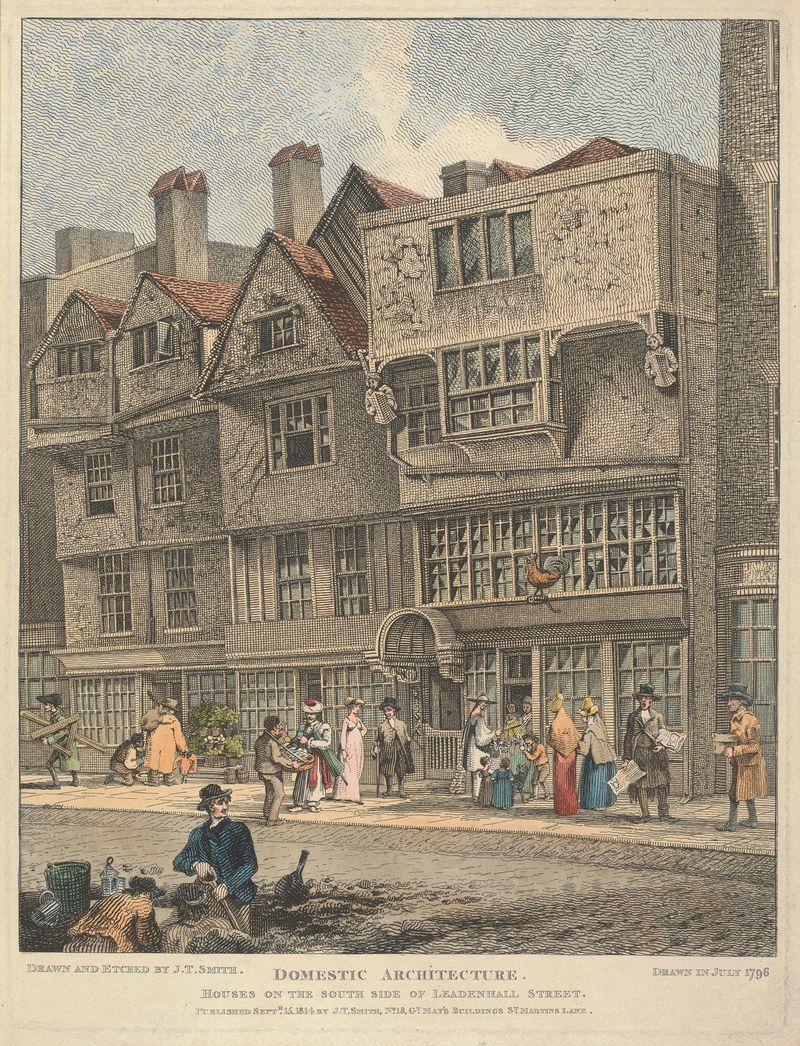
Houses on the South Side of Leadenhall Street
John Thomas Smith
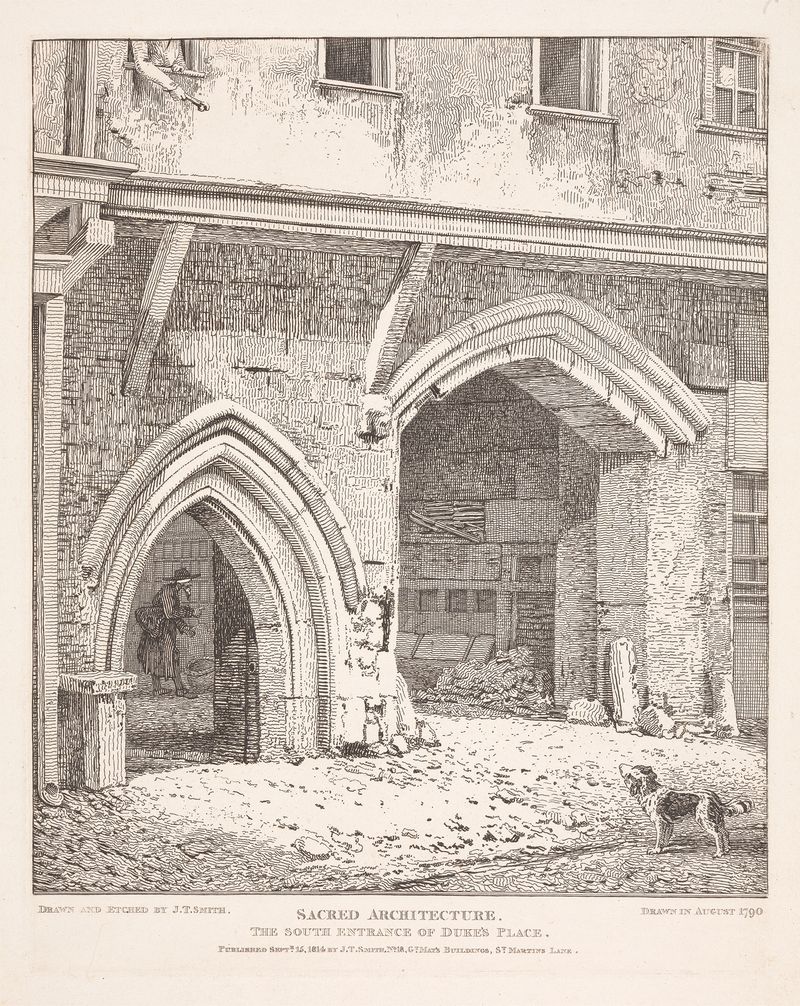
Sacred Architecture; the South Entrance of Dukes Place
John Thomas Smith
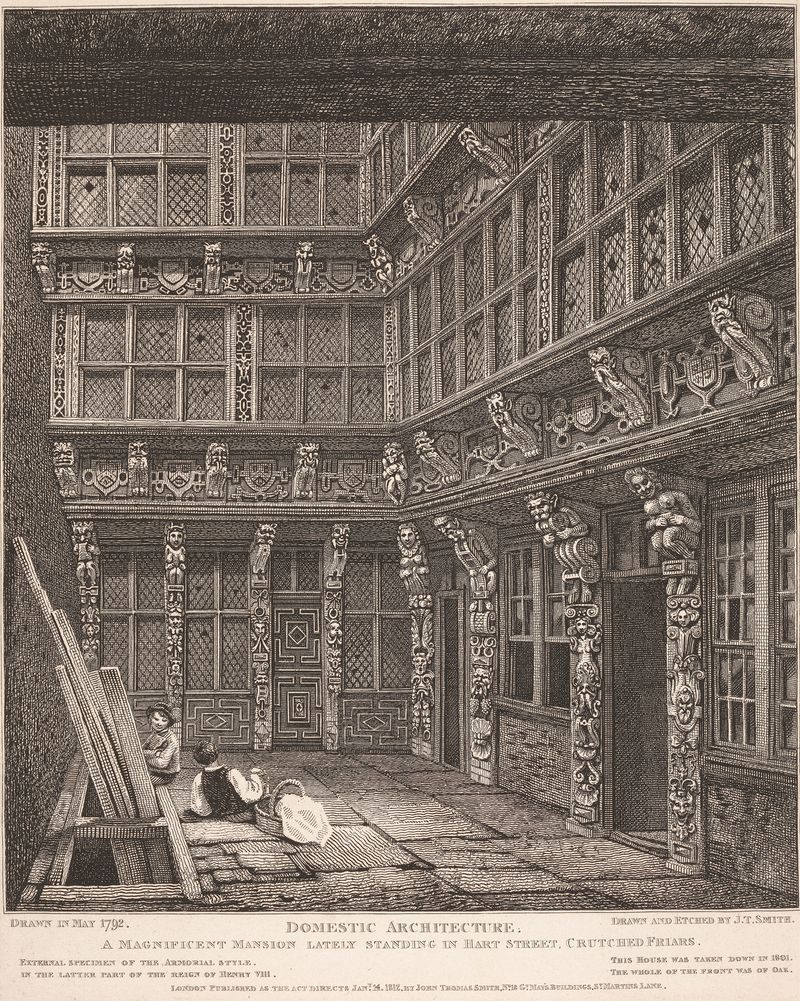
Domestic Architecture, A Magnificent Mansion Lately Standing in Hart Street, Crutched Friars
John Thomas Smith
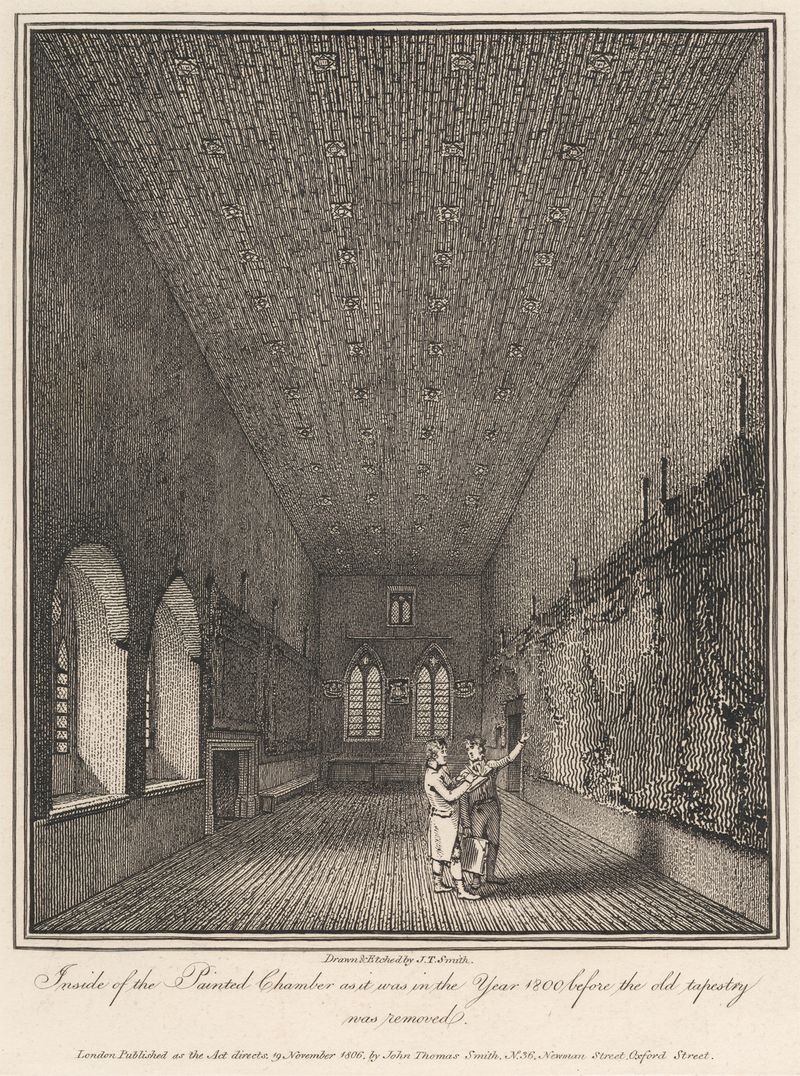
Inside the Painted Chamber as it was in the year 1800 before the old tapestry was removed
John Thomas Smith
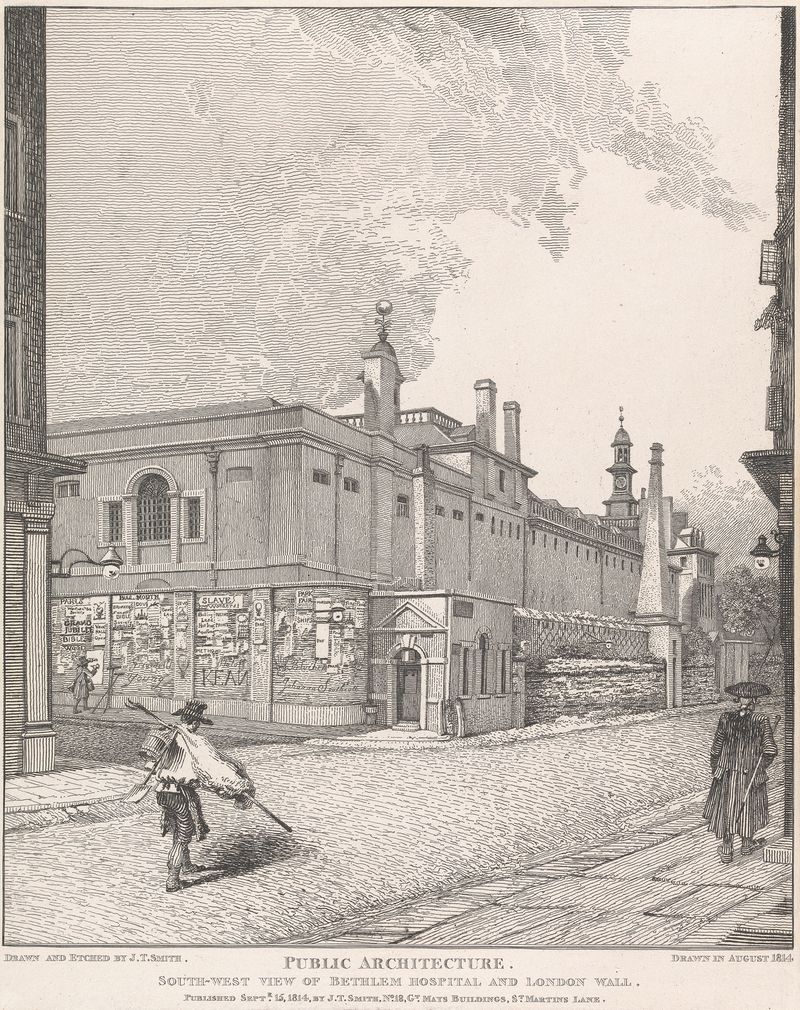
South West View of Bethlem Hospital and London Wall
John Thomas Smith

Winchester Street, London Wall
John Thomas Smith
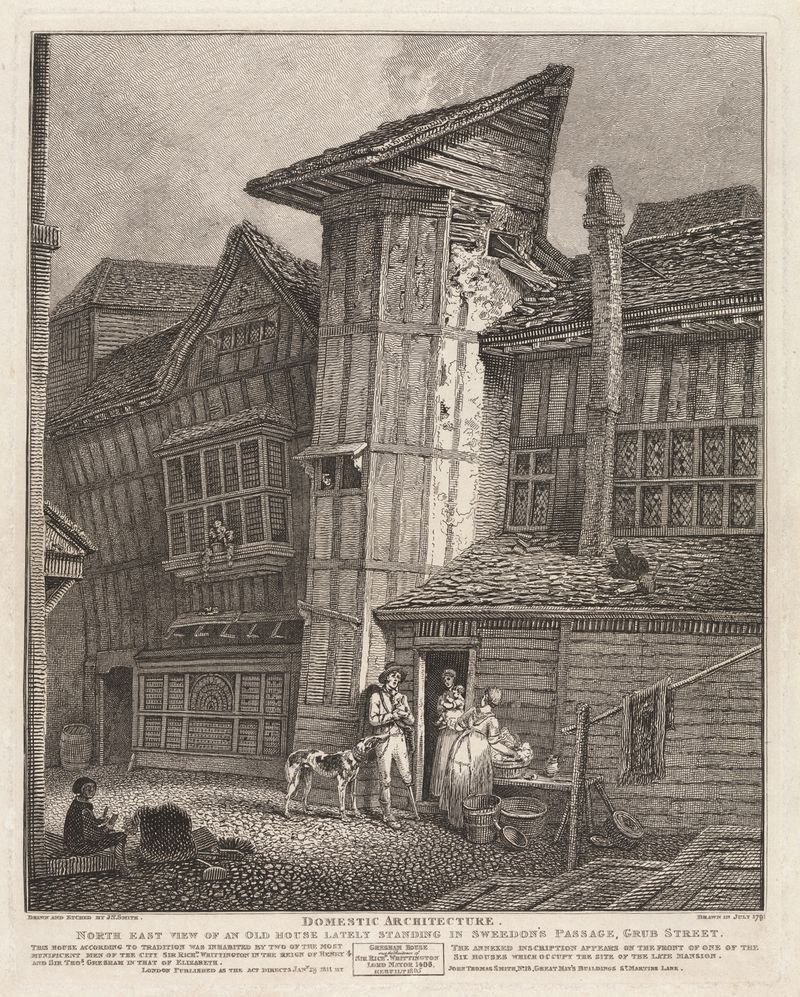
Domestic Architecture – N. E. View of an Old House lately Standing in Sweedon’s Passage, Grub Street
John Thomas Smith

Houses on the South SIde of a Street called London Wall
John Thomas Smith
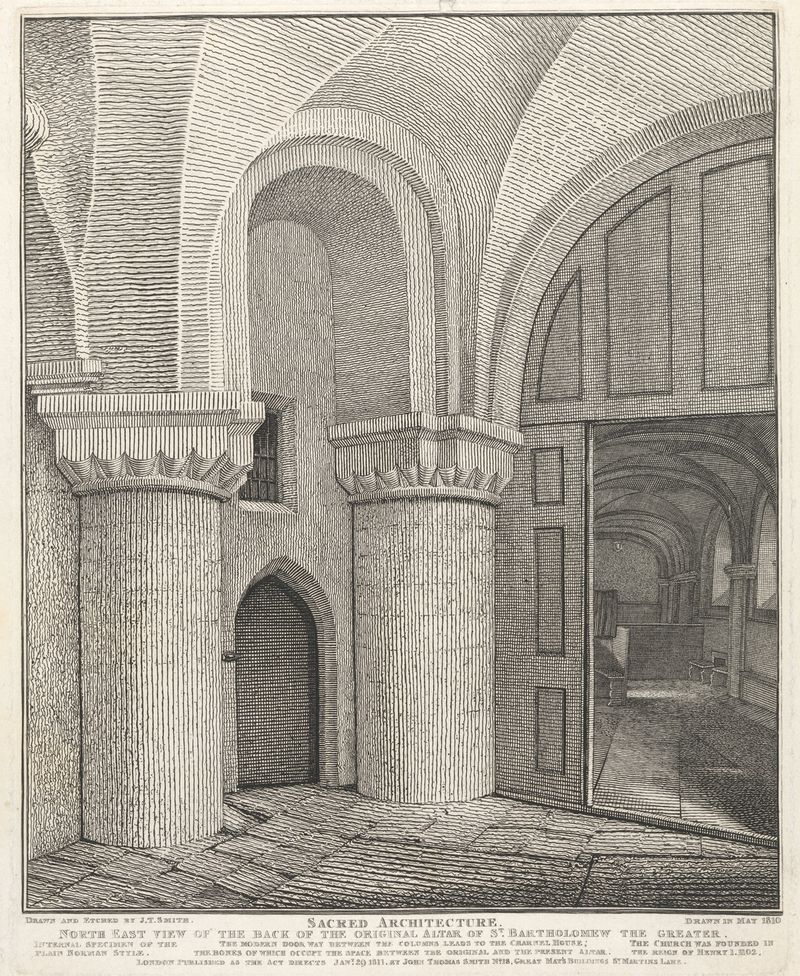
Northeast View of the Back of the Original Altar of St. Barts the Great
John Thomas Smith





