
Sacred Architecture; the South Entrance of Dukes Place — History & Facts
What if beauty was never meant to be finished? A fleeting moment captured in time, revealing the layers of history and emotion intertwined in sacred spaces. Look to the intricate archway that dominates the canvas, where each curve and line seems to beckon the viewer closer. The artist's meticulous attention to detail highlights the ornate carvings and architectural flourishes, drawing your gaze from the robust pillars up to the delicate filigree above. Notice how the light filters through the openings, casting intricate shadows that dance across the stone, imbuing the structure with a sense of life and vibrancy. Yet, amidst this grandeur lies an unspoken tension.
The juxtaposition of the soaring architecture with the ground-level figures hints at a deeper narrative of aspiration and betrayal. The people, seemingly dwarfed by the monumental entrance, evoke a feeling of longing, as if they stand on the threshold of something sacred yet unattainable. Each figure's posture and expression resonate with the weight of unfulfilled desires, suggesting a connection to the space that is both reverent and fraught with emotional complexity. In 1814, John Thomas Smith painted this work while living in London, amidst a burgeoning architectural revival and a burgeoning Romantic movement.
This period in his life was marked by a passion for the historical and the sublime as he navigated the transitions in art that echoed the social changes around him. The beauty and betrayal of the sacred in this moment reflect not only his personal journey but also the broader artistic currents that sought to reconcile tradition with the evolving landscape of modernity.
More Artworks by John Thomas Smith
Browse all →
Dr. Johnson’s House in 8 Bolt Court, Fleet Street
John Thomas Smith
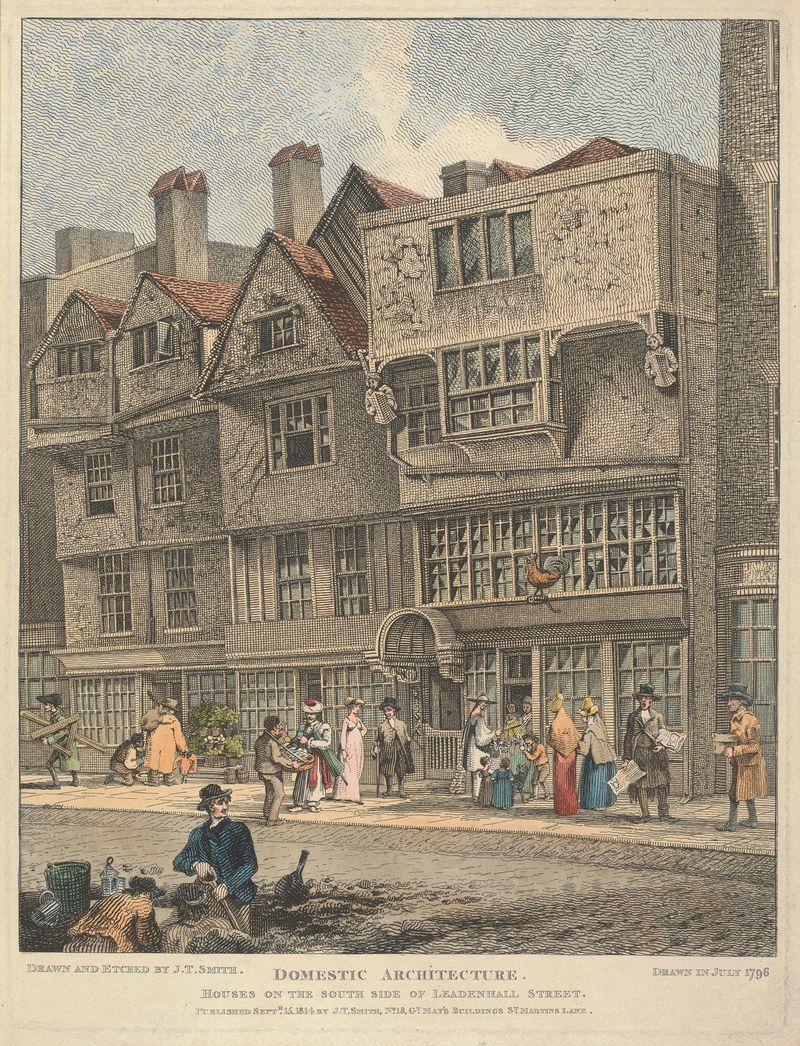
Houses on the South Side of Leadenhall Street
John Thomas Smith
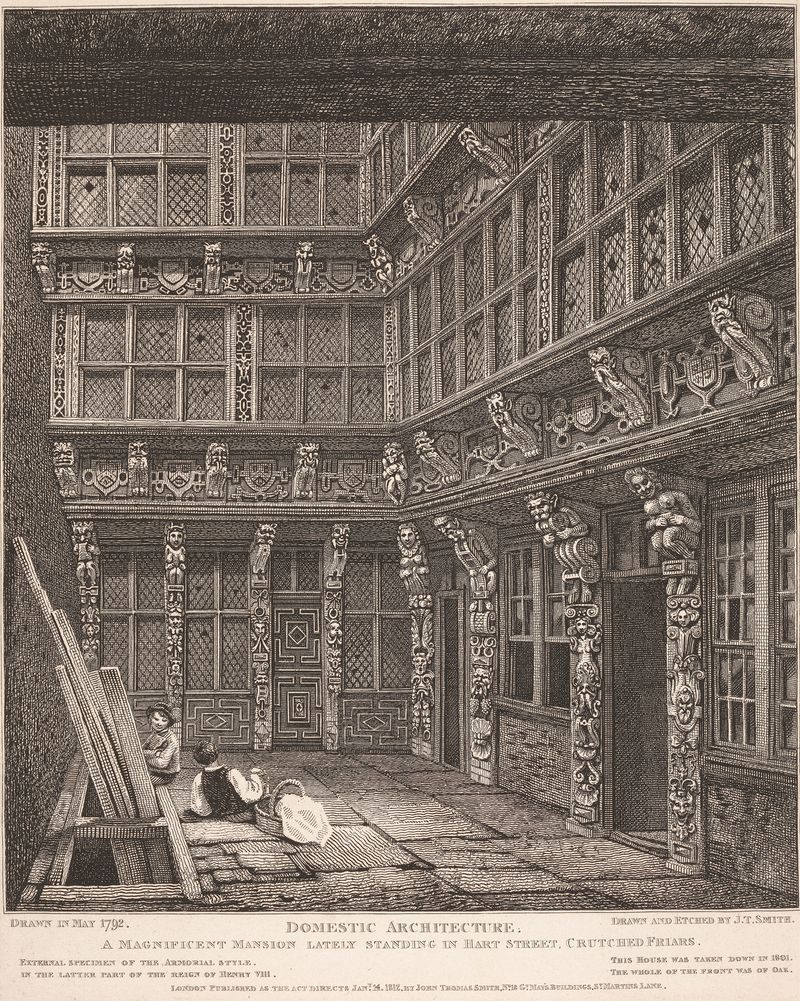
Domestic Architecture, A Magnificent Mansion Lately Standing in Hart Street, Crutched Friars
John Thomas Smith
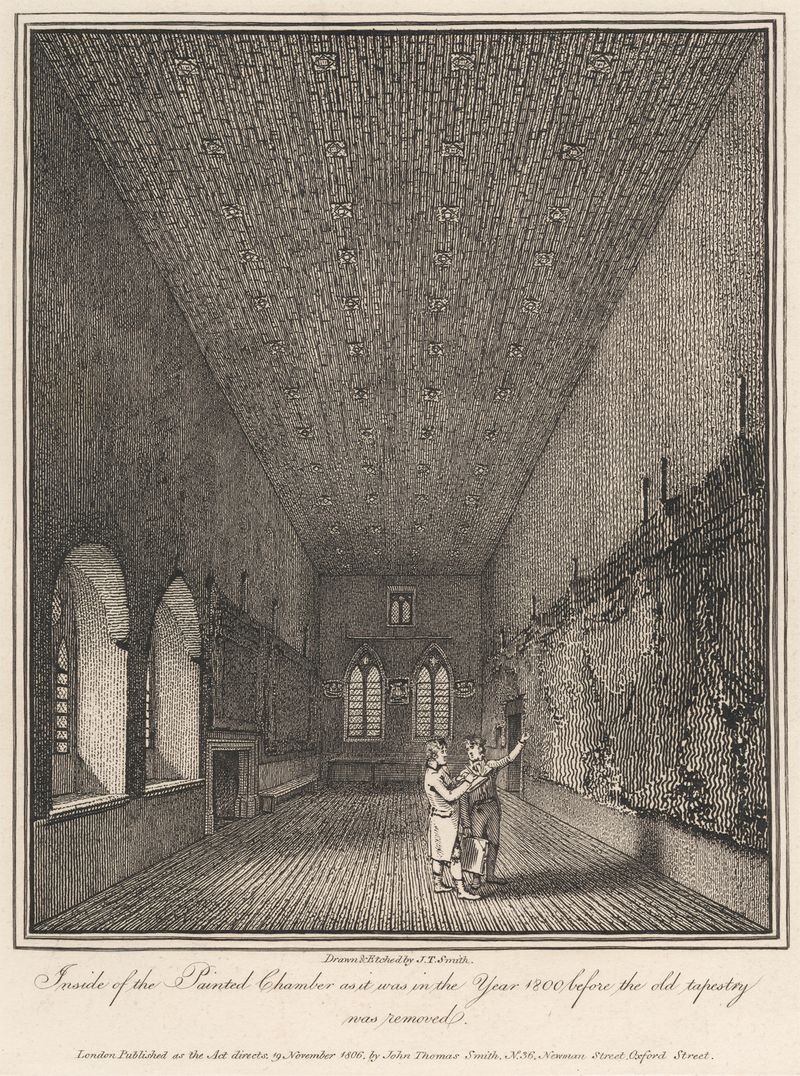
Inside the Painted Chamber as it was in the year 1800 before the old tapestry was removed
John Thomas Smith
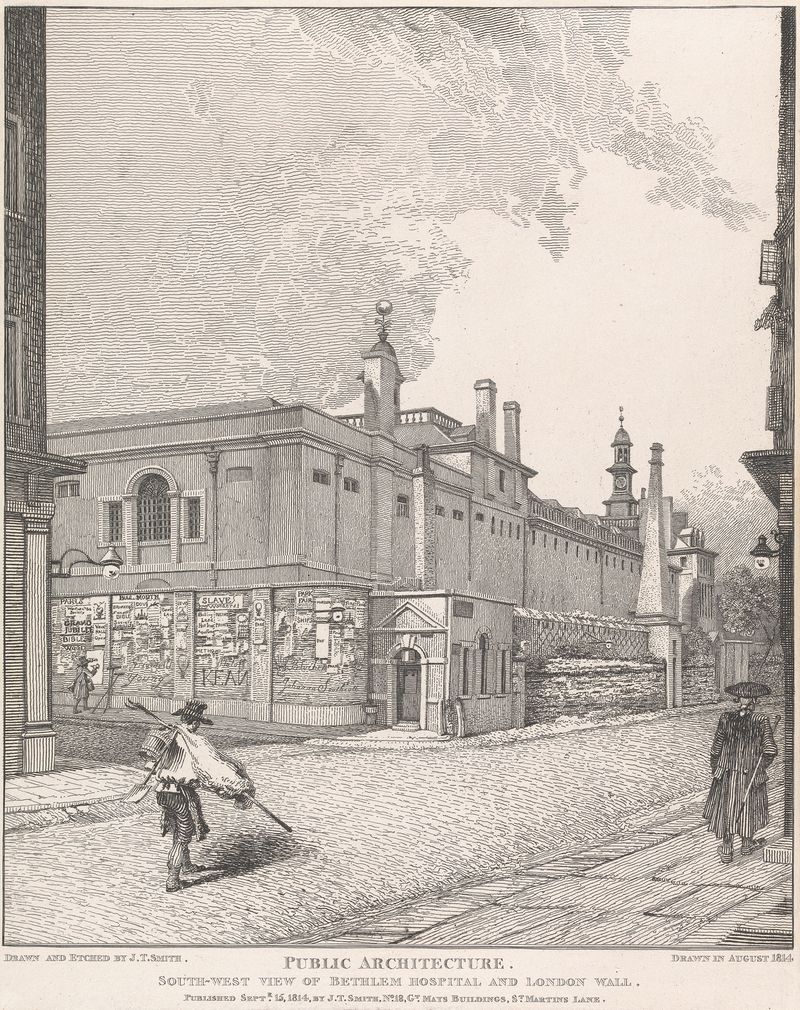
South West View of Bethlem Hospital and London Wall
John Thomas Smith

Winchester Street, London Wall
John Thomas Smith
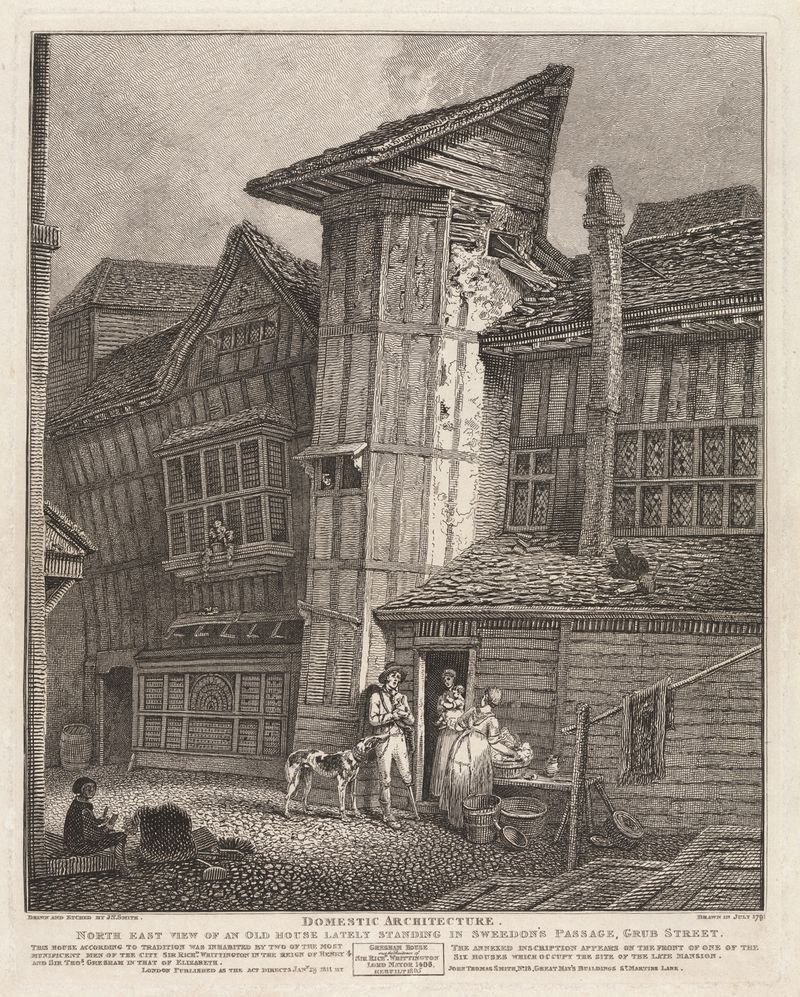
Domestic Architecture – N. E. View of an Old House lately Standing in Sweedon’s Passage, Grub Street
John Thomas Smith

Houses on the South SIde of a Street called London Wall
John Thomas Smith
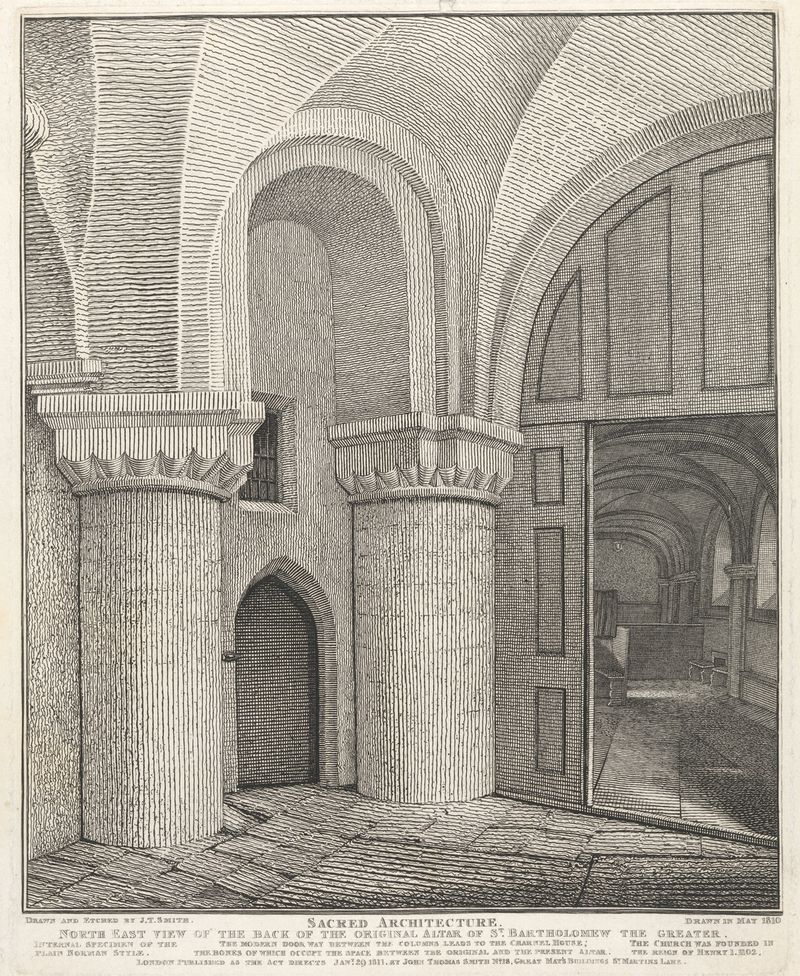
Northeast View of the Back of the Original Altar of St. Barts the Great
John Thomas Smith
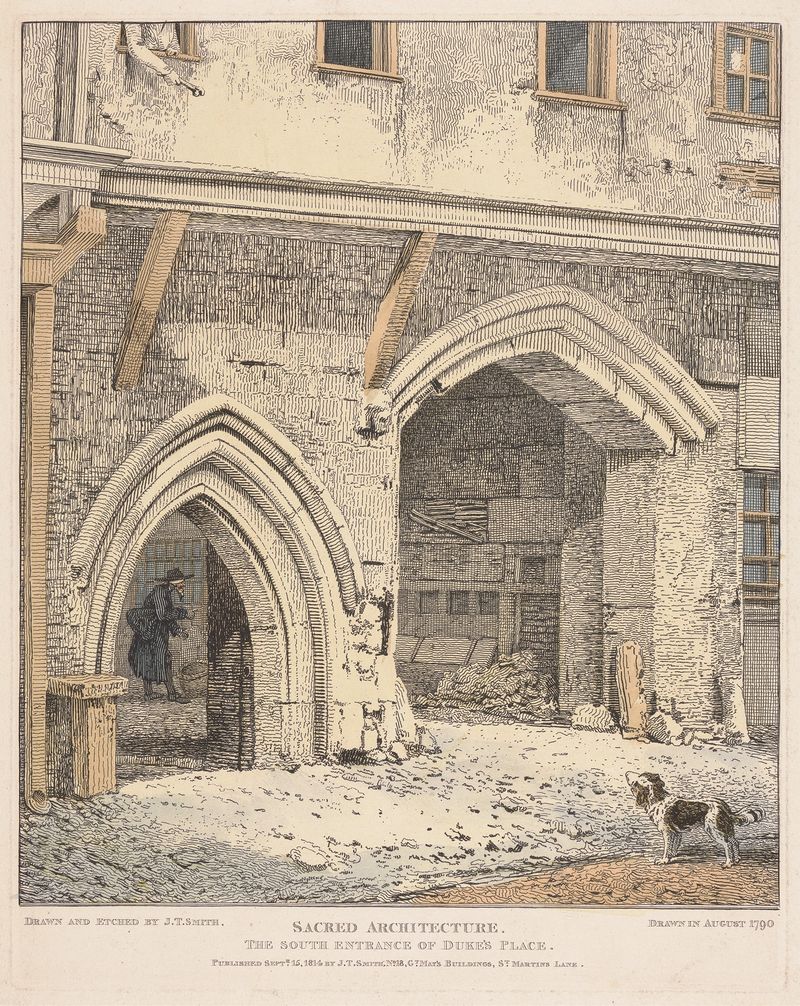
The South Entrance of Duke’s Place
John Thomas Smith
More Architecture Art
Browse all →
The statue of Liberty
Frédéric Auguste Bartholdi

View of Houses in Delft, Known as ‘The Little Street’
Johannes Vermeer

View of Houses in Delft, Known as ‘The Little Street’
Johannes Vermeer

The Cathedral in Rouen. The portal, Grey Weather
Claude Monet

The yellow house
Vincent van Gogh

The Church in Auvers-sur-Oise, View from the Chevet
Vincent van Gogh