
Man of Sorrows — History & Facts
Few images of Christ’s suffering have inspired as much quiet devotion as Man of Sorrows by Fra Angelico, painted in 1443. What makes this work remarkable is that it stands at the crossroads of late medieval piety and the new Renaissance focus on individual emotion. Unlike many of his grand frescoes, Fra Angelico here offers an intimate, almost private vision of Christ, designed for contemplation rather than public display.
The painting belongs to a tradition of devotional images popular in Florence at the time, yet its tender restraint and spiritual intensity set it apart. Some scholars believe Fra Angelico created several versions of this subject, each subtly different, reflecting the demand for such images among the faithful. At the heart of the painting is Christ, presented after the Crucifixion, displaying his wounds and gazing outward with a look of sorrow and compassion. The crown of thorns presses into his brow, blood trickling down, while his crossed hands bear the marks of the nails.
The simplicity of the composition focuses the viewer’s attention on Christ’s suffering and the humanity of his pain. Unlike the dramatic gestures seen in Giotto’s or Botticelli’s depictions of the same theme, Fra Angelico chooses a gentle, almost resigned pose, inviting meditation rather than shock. The soft modeling of the flesh and the delicate use of light evoke a sense of presence, as if Christ stands before the viewer in silent communion. The precise origins of this particular Man of Sorrows remain uncertain, as the documentation of its commission has not survived.
It was likely intended for private devotion, perhaps for a member of a religious order or a lay patron seeking spiritual comfort. Over the centuries, the painting has been attributed to both Fra Angelico and his workshop, reflecting the collaborative nature of his studio in Florence. Today, it stands as a testament to Fra Angelico’s ability to blend the mystical with the real, embodying the spirit of early Renaissance devotion.
Its quiet power continues to draw viewers into the emotional world of fifteenth-century faith.
More Artworks by Fra Angelico

Condemnation of St Lawrence by the Emperor Valerian
Fra Angelico
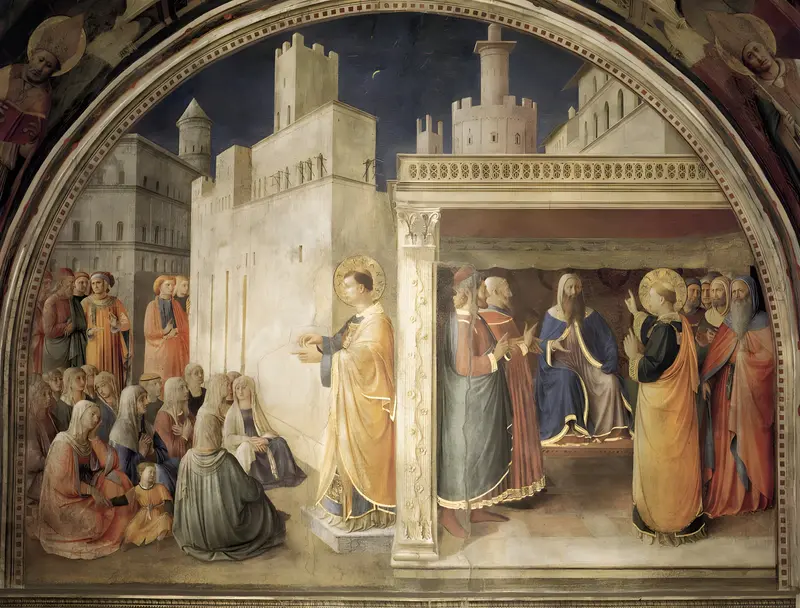
Lunette of the north wall
Fra Angelico
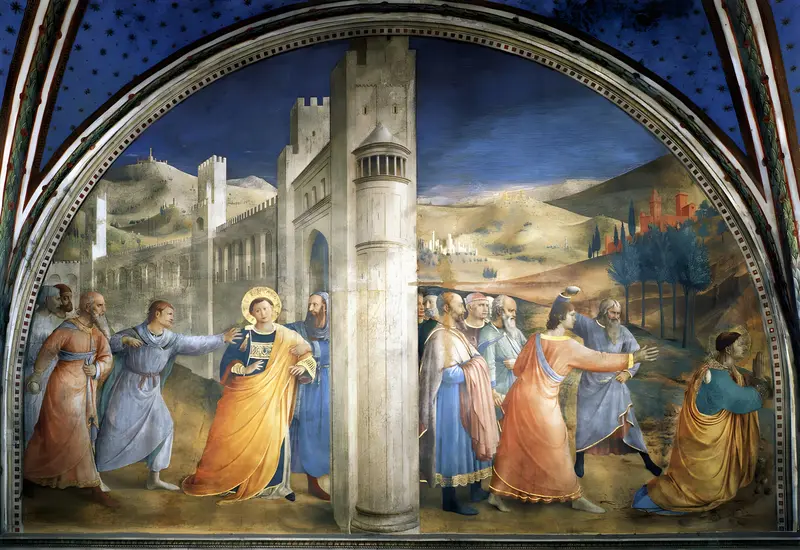
Lunette of the east wall in Niccoline Chapel
Fra Angelico
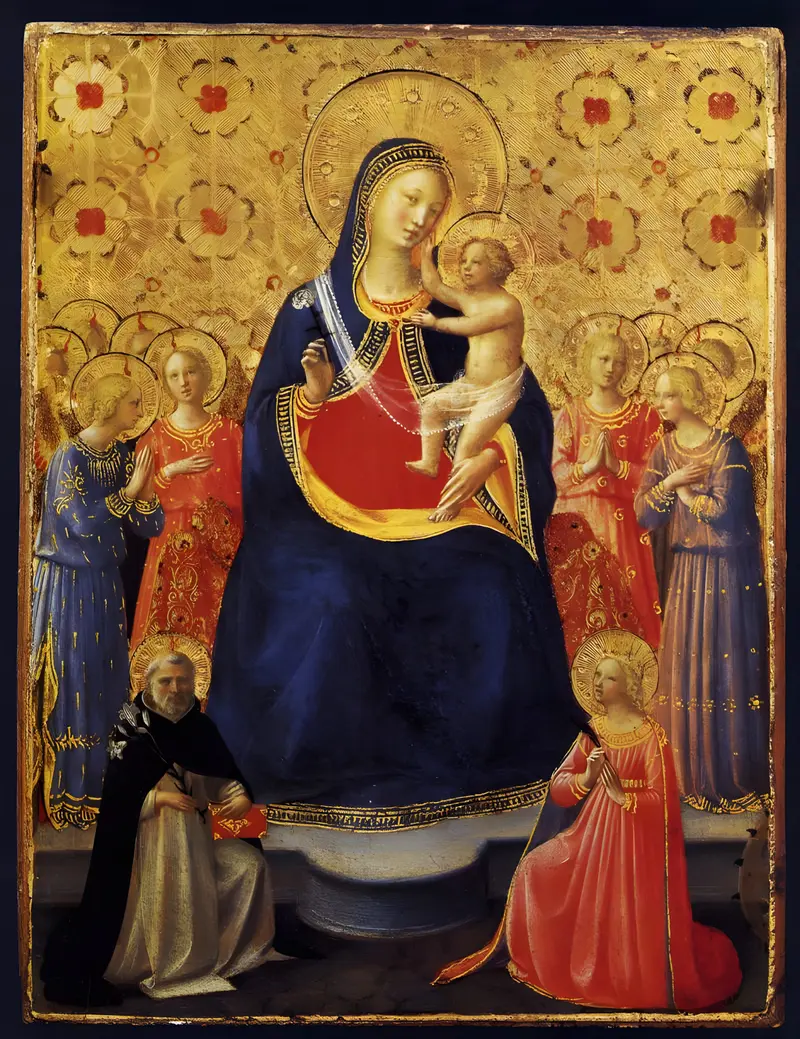
Madonna and Child Enthroned with Nine Angels and Saints Dominic and Catherine of Alexandria
Fra Angelico
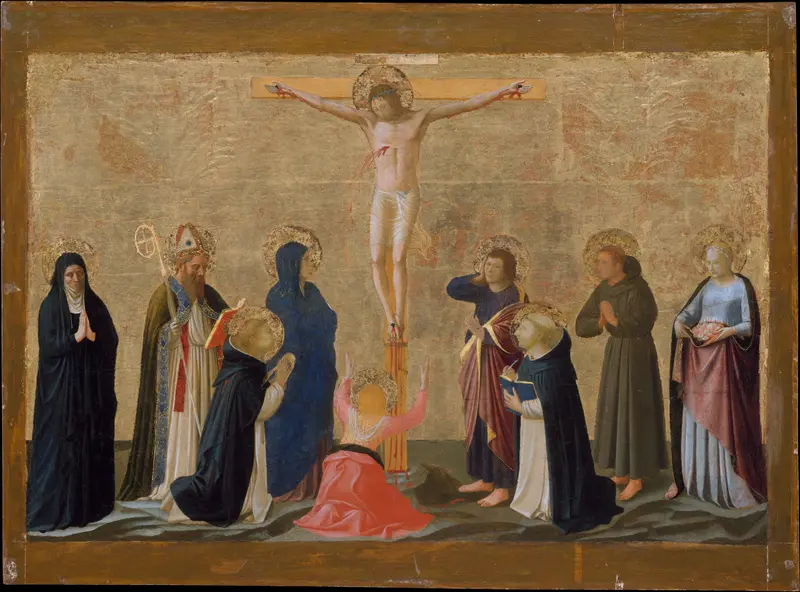
The Crucifixion
Fra Angelico
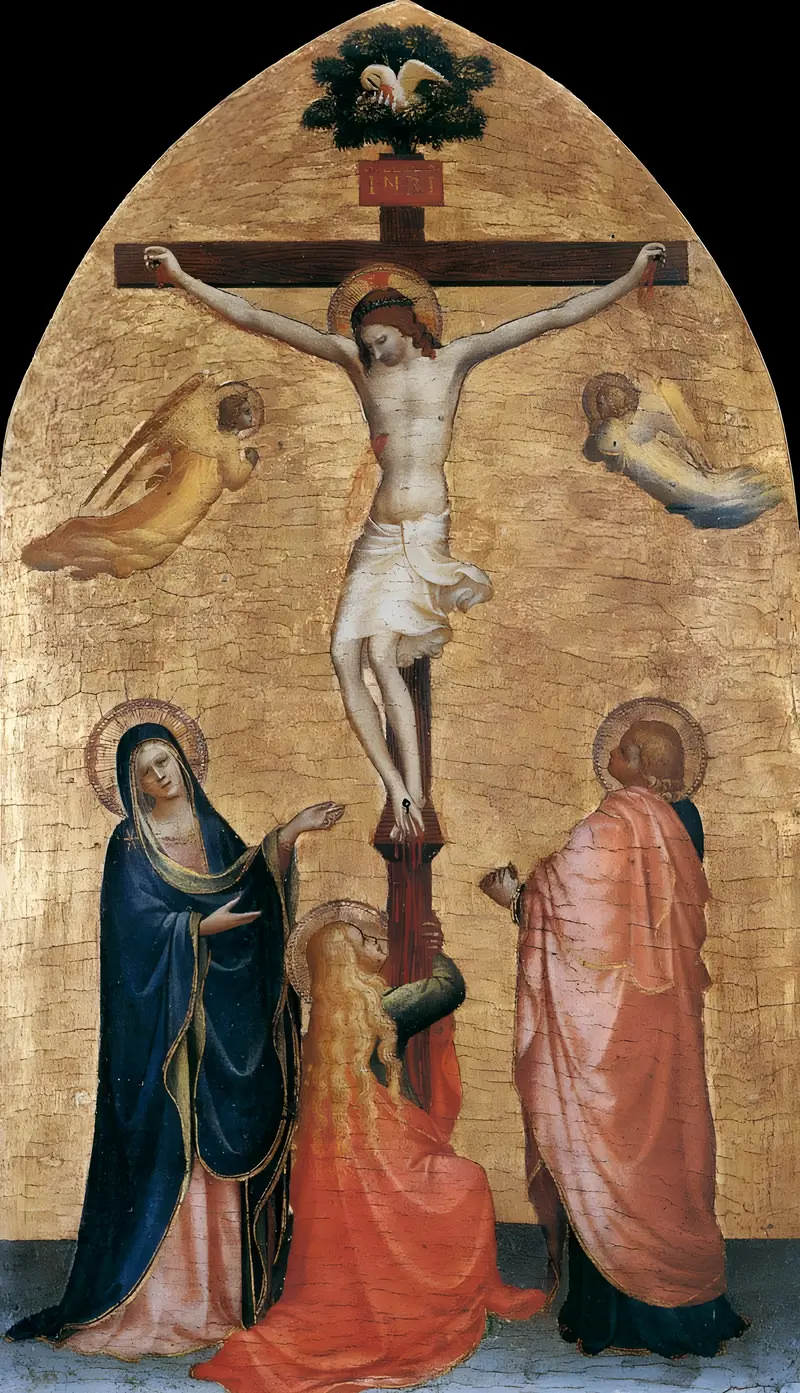
Crucifixion with the Virgin, John the Evangelist, and Mary Magdelene
Fra Angelico
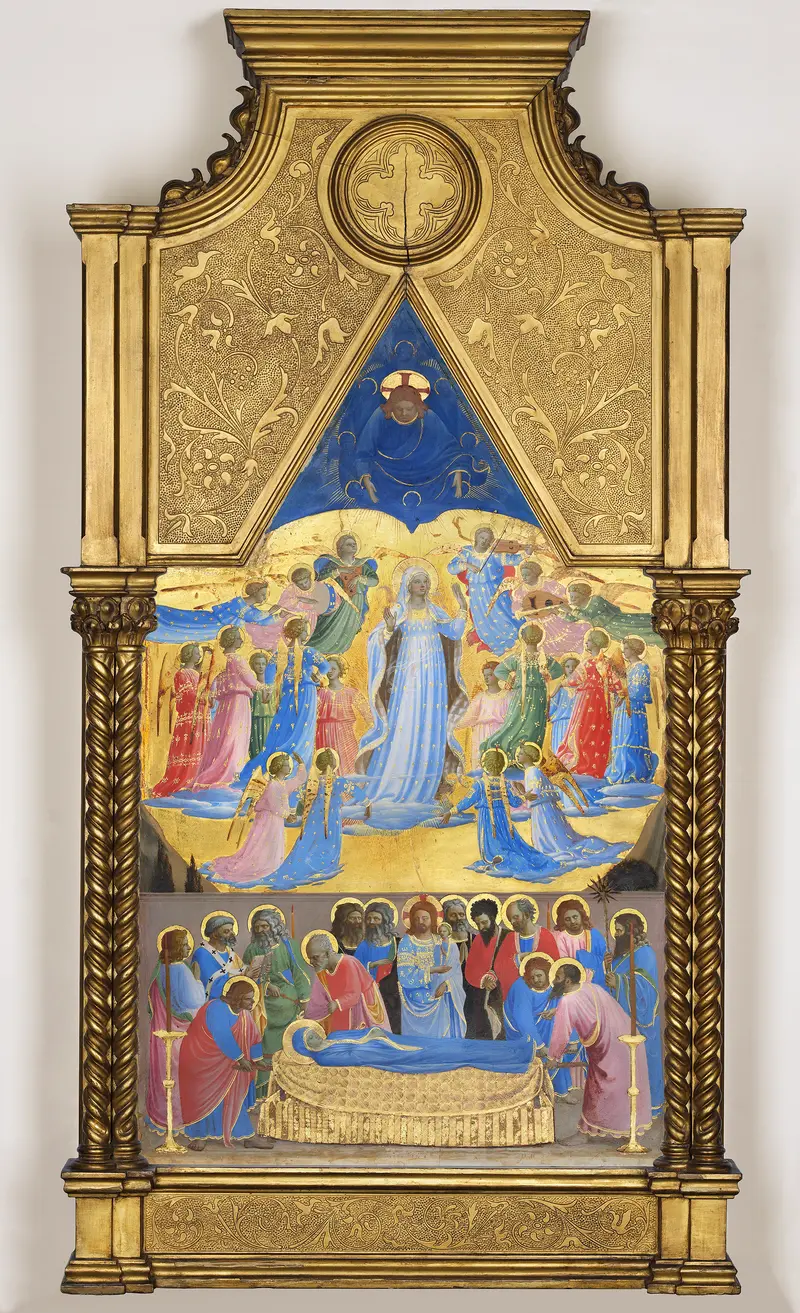
Dormition and Assumption of the Virgin
Fra Angelico
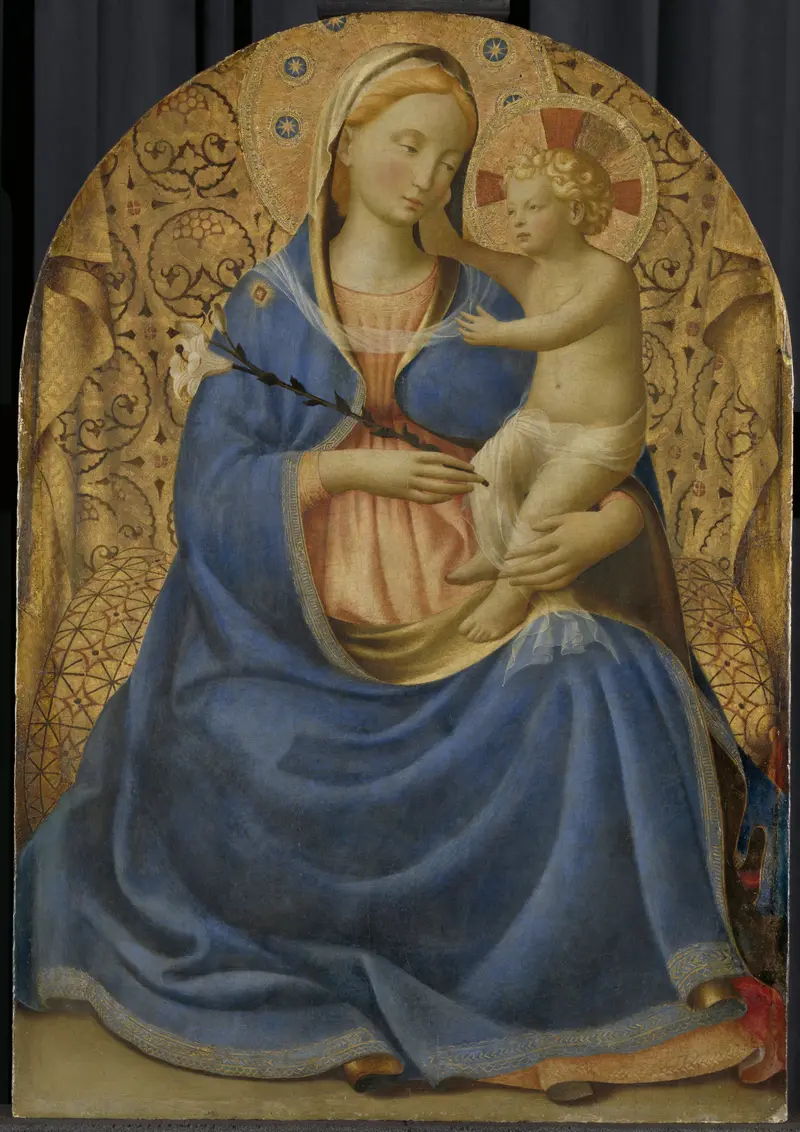
Madonna of Humility
Fra Angelico
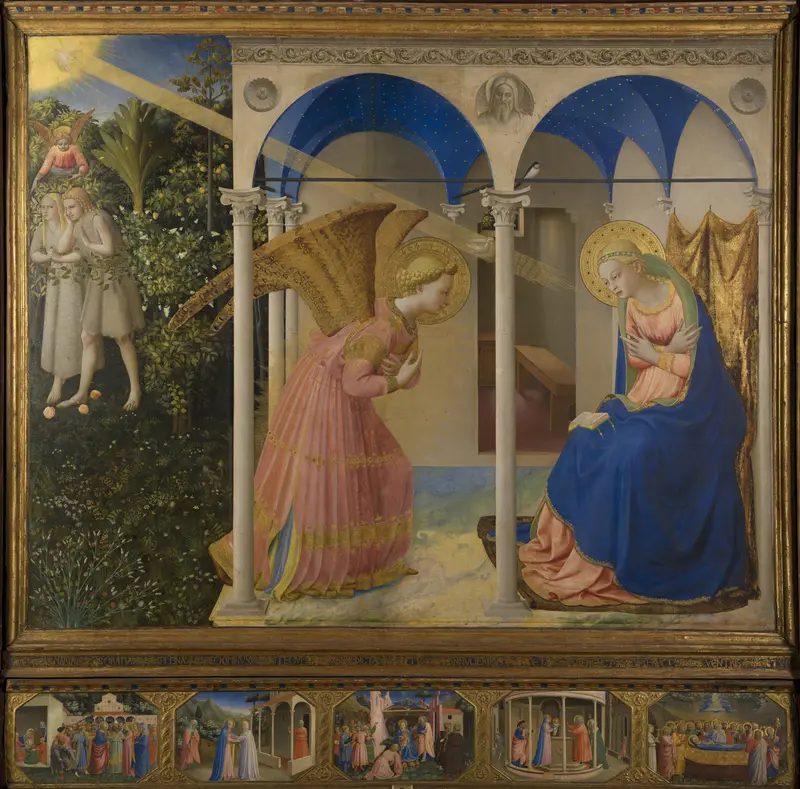
The Annunciation
Fra Angelico

Saint Anthony Abbot
Fra Angelico





