
Man uit legerkamp van Israël met kroon van Saul voor David — History & Facts
The ecstasy of truth hangs suspended, as it calls forth the viewer’s own reflections on power and identity. What does it mean to bear the weight of a crown, to wear the legacy of another’s triumphs and failures? Look to the right at the figure emerging from the depths of shadow, adorned with a regal crown, stark against a muted background. His expression, a blend of reverence and burden, commands attention, leading us into a complex interplay of emotion.
Notice the intricate details in the crown’s design—each jewel a testament to the glory of Saul, yet perhaps also a reminder of the impending fall from grace. The careful brushwork highlights the texture of his garments, contrasting the softness of fabric with the harsh reality of his situation. Beneath the surface, a rich tapestry of contrasts unfolds. The figure’s exalted status is juxtaposed with the vulnerability etched into his features; he stands at the precipice of history, bearing a crown that signifies both triumph and tragedy.
This duality invites contemplation on the transient nature of power and the heavy burdens carried by those chosen for greatness. The painting encapsulates a moment of potential, an ecstatic liminality that teeters on the edge of destiny. Hans Holbein II painted this work in 1538, during a period of profound change in Europe, marked by the Reformation and the rise of political power plays. Holbein, then in London, was immersed in the court culture of Henry VIII, capturing the essence of individuals caught in the web of power dynamics.
The painting reflects not just personal identity but also the greater historical shifts of its time, anchoring it in a moment of both artistic mastery and tumultuous significance.
More Artworks by Hans Holbein (II)
Browse all →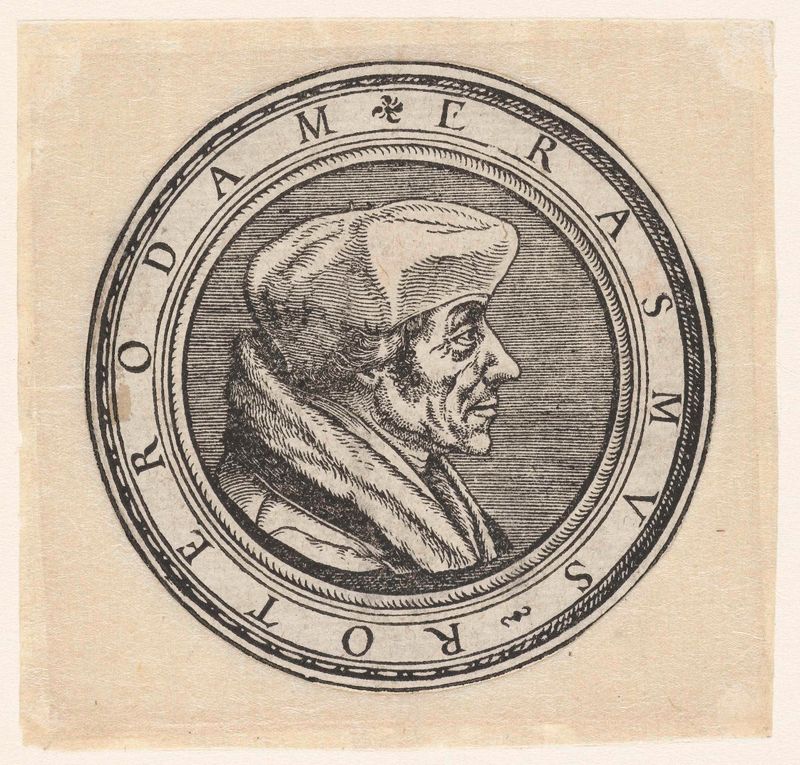
Portret van Erasmus
Hans Holbein (II)
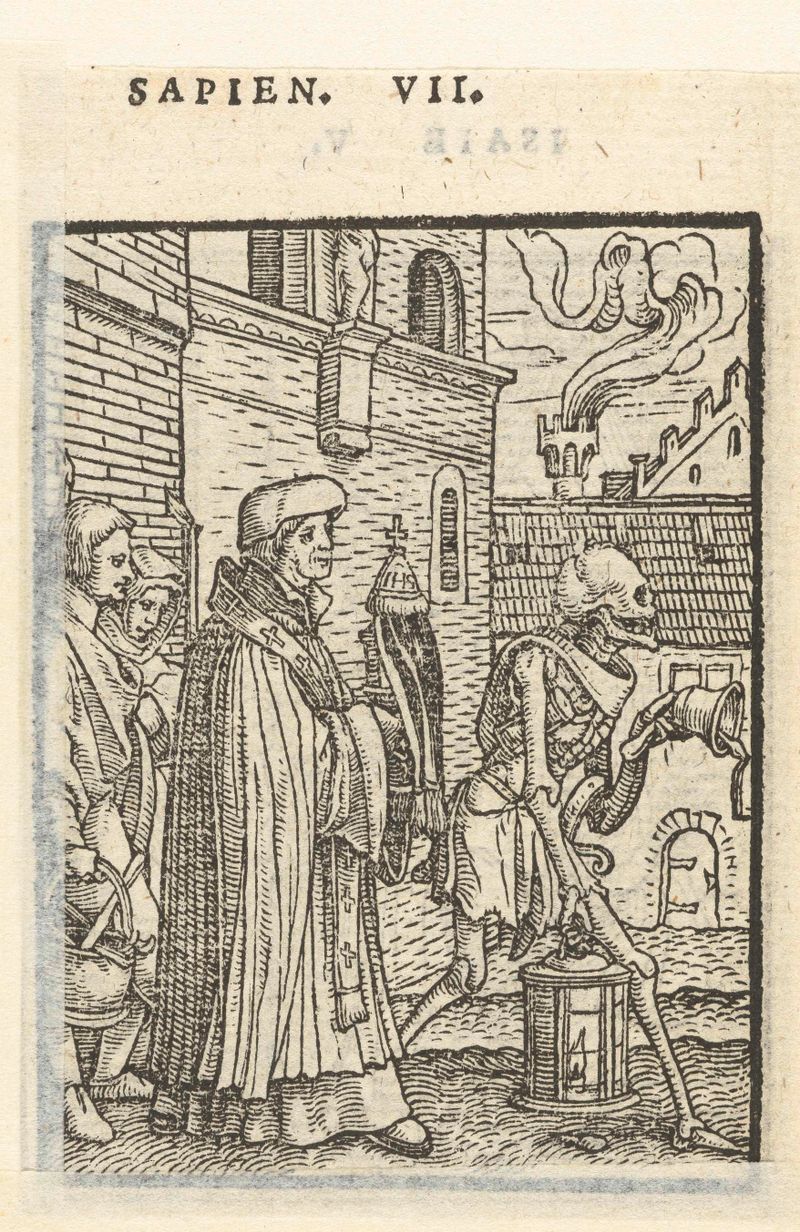
Priester en de Dood
Hans Holbein (II)
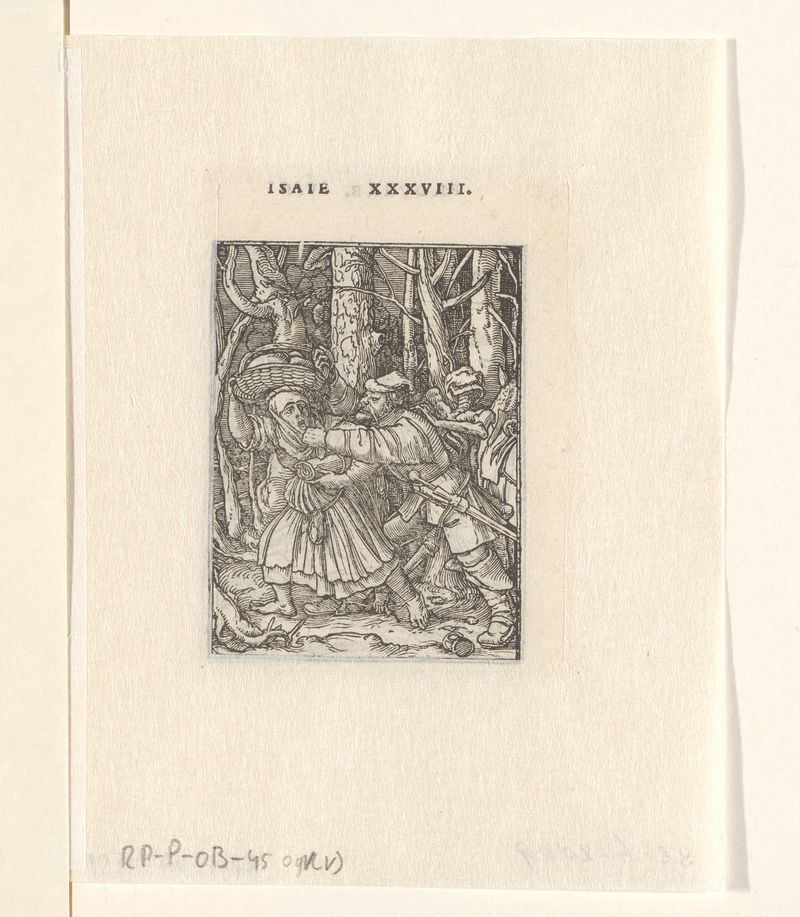
Dief en de Dood
Hans Holbein (II)
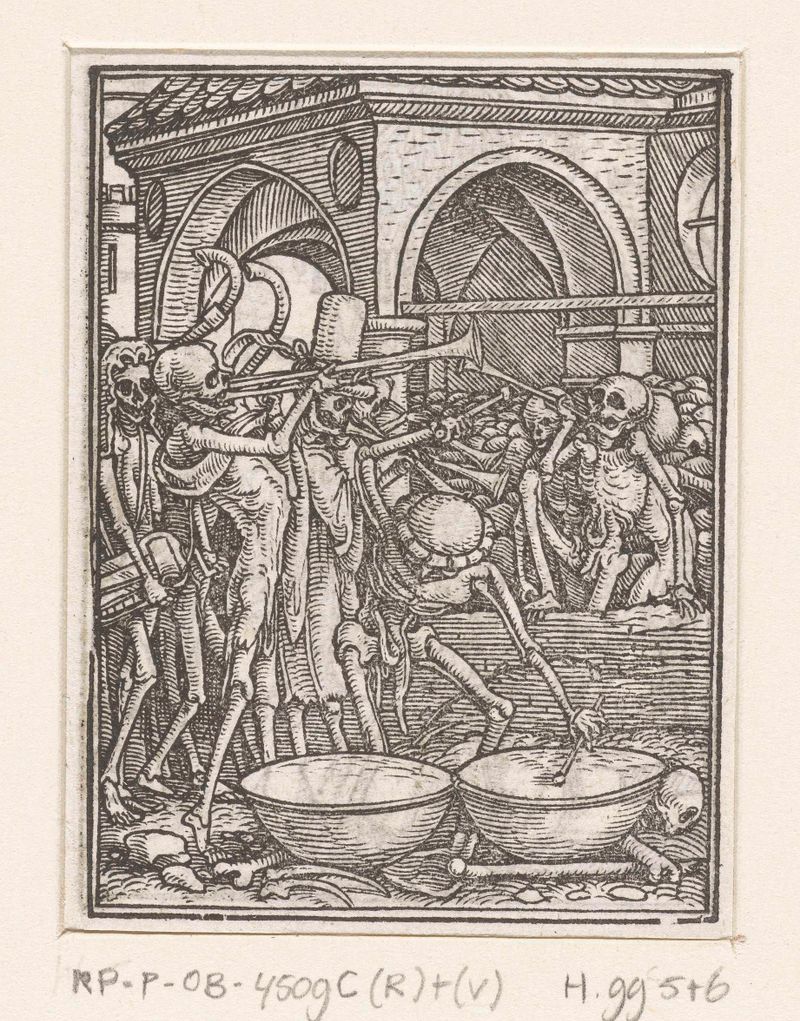
Skeletons Making Music from Dance of the Dead
Hans Holbein (II)
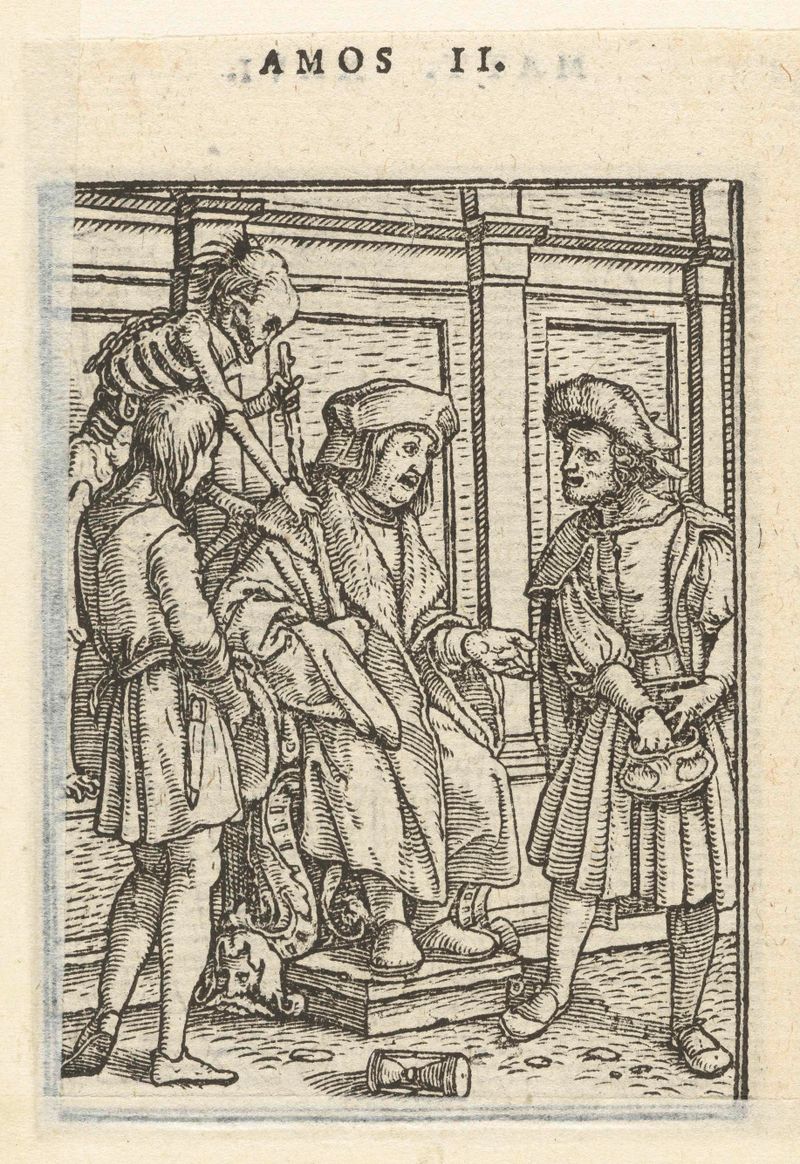
Rechter en de Dood
Hans Holbein (II)
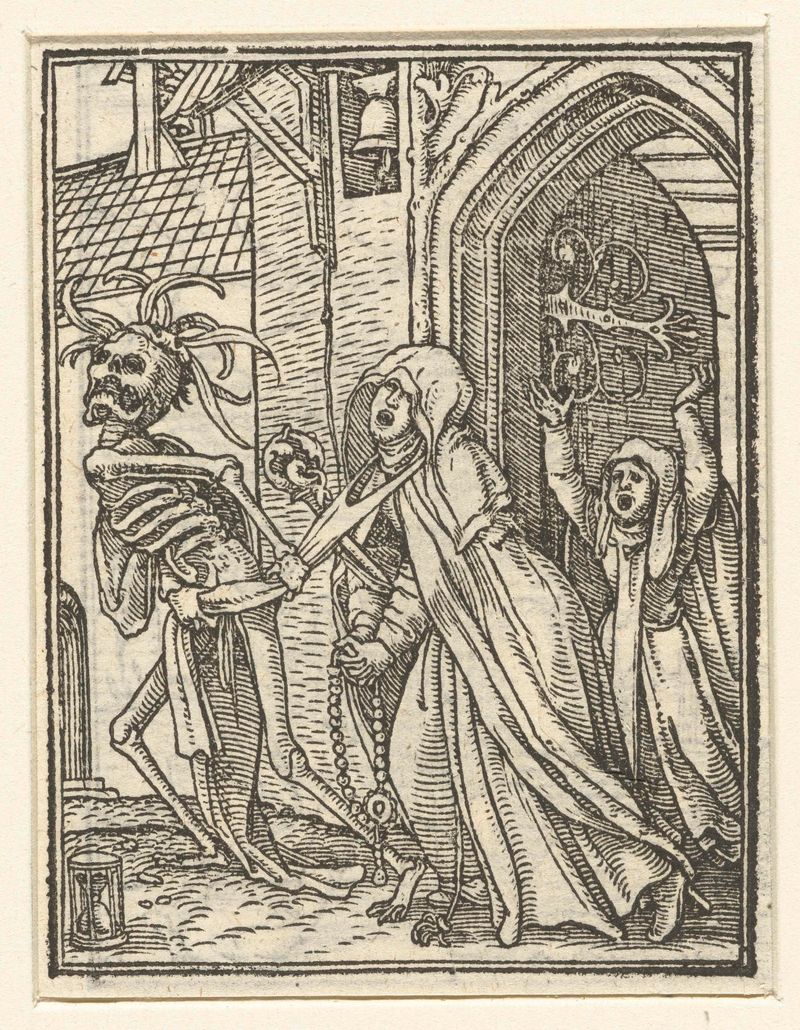
Abdis en de Dood
Hans Holbein (II)
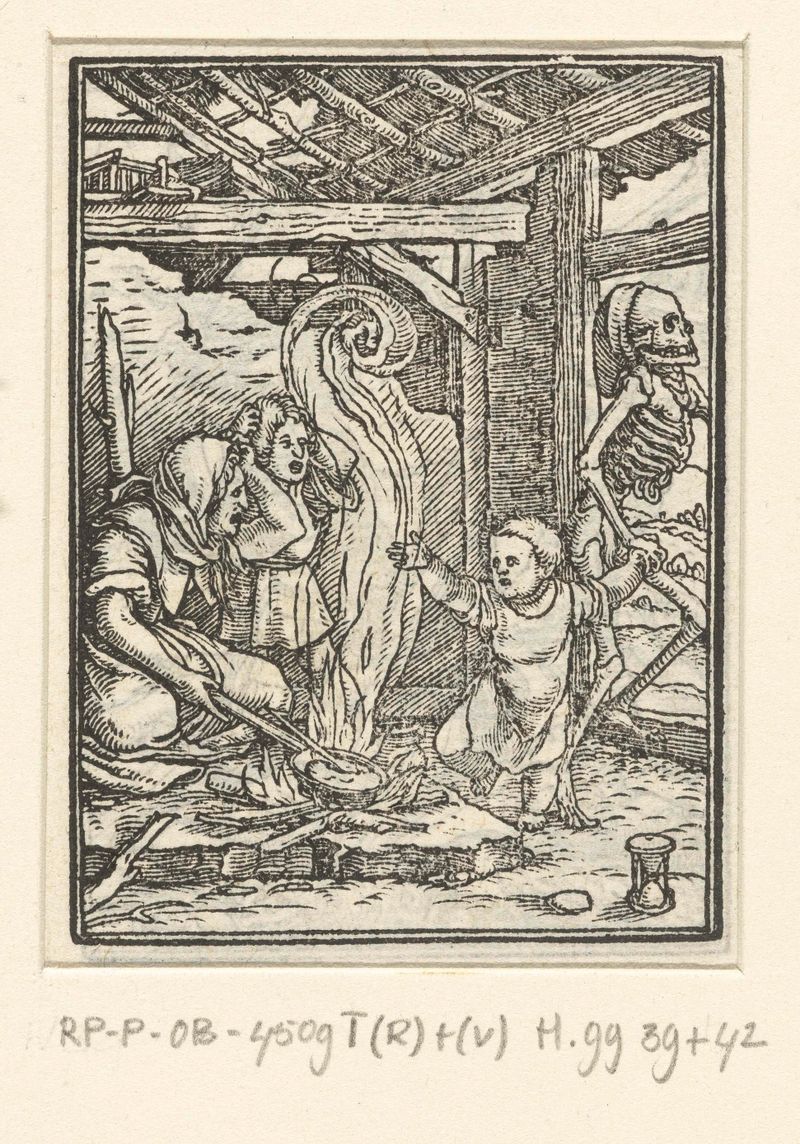
Kind en de Dood
Hans Holbein (II)
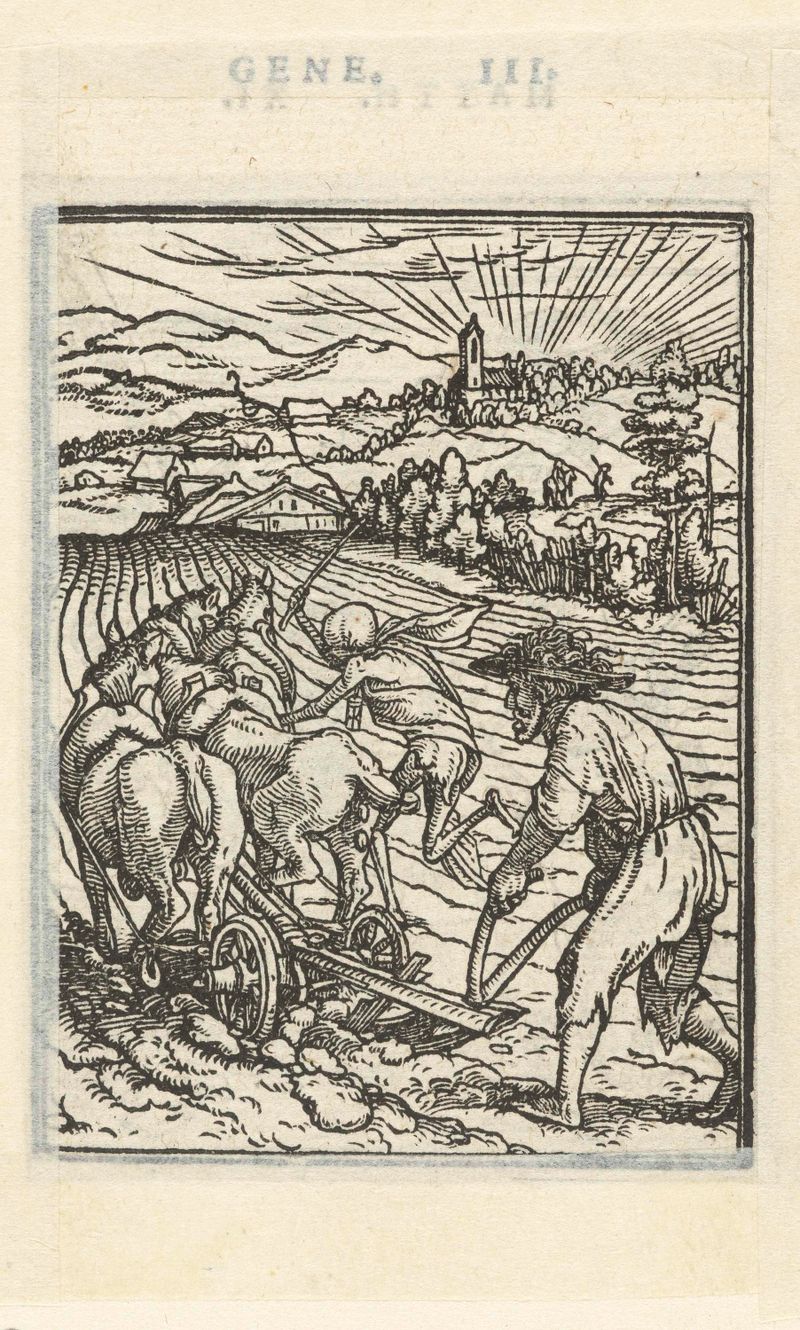
Boer en de Dood
Hans Holbein (II)
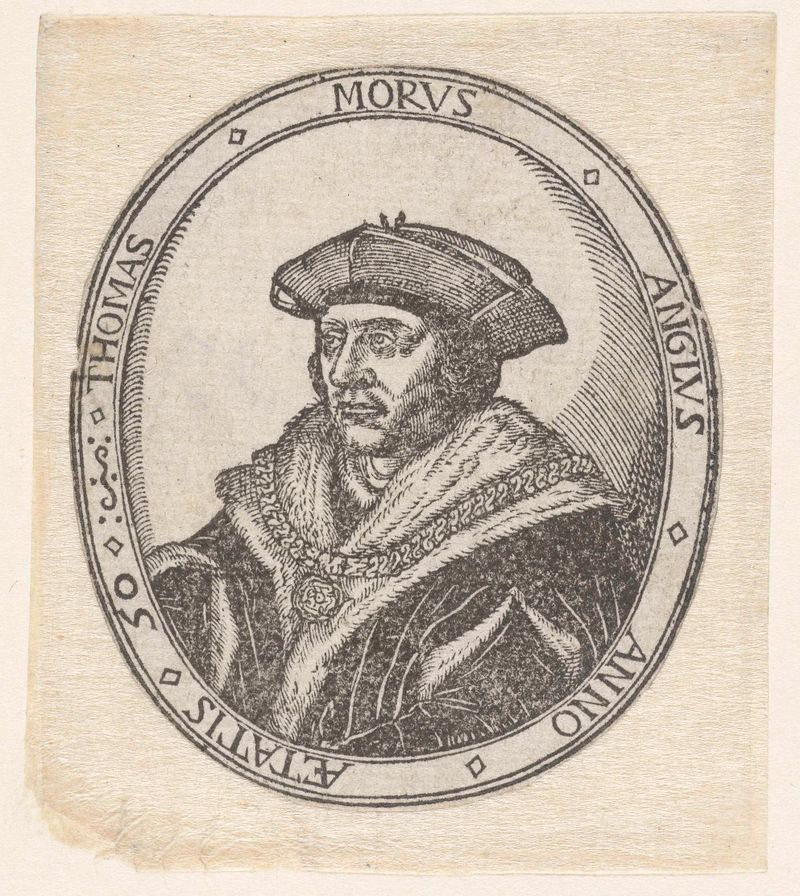
Portret van Thomas More
Hans Holbein (II)
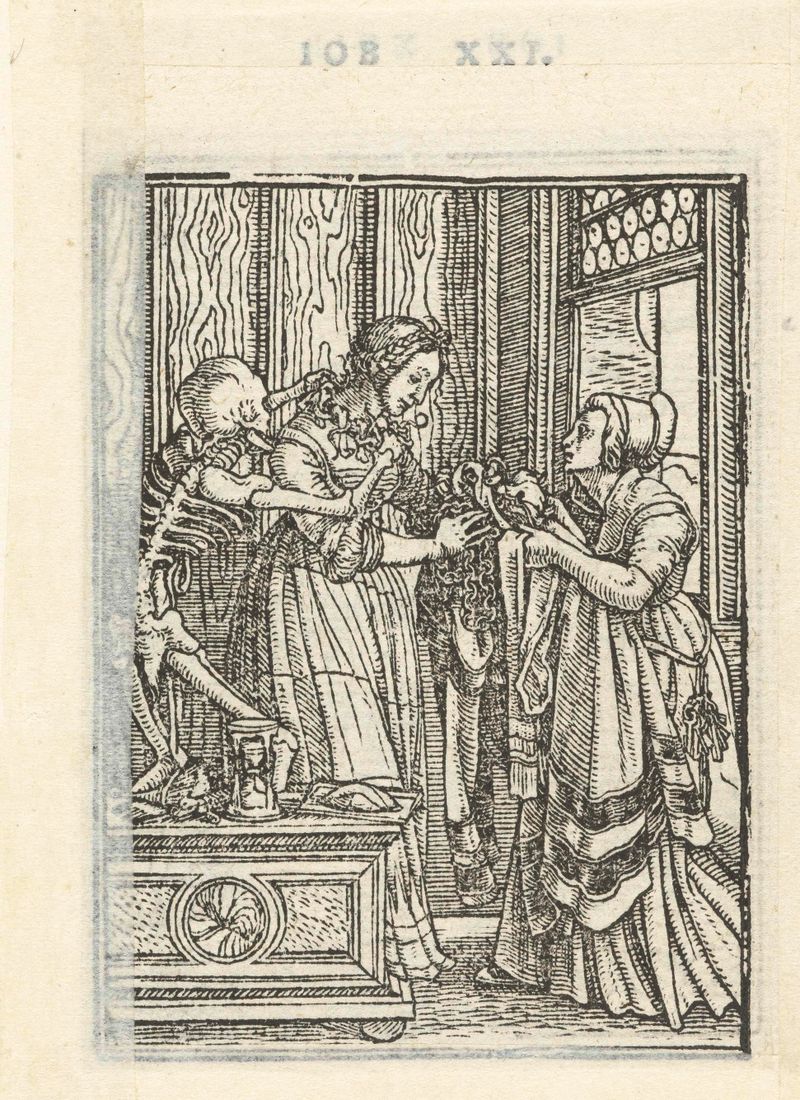
Gravin en de Dood
Hans Holbein (II)
More Portrait Art
Browse all →
Las meninas
Diego Velázquez

Self-portrait with a Bandaged Ear and Pipe
Unidentified artist

Girl with a Pearl Earring
Johannes Vermeer

The Sampling Officials of the Amsterdam Drapers’ Guild, Known as ‘The Syndics’
Rembrandt van Rijn

The Hundred Guilder Print: the man seen on the back in the lower left corner
Rembrandt van Rijn

Portrait of Dr Gachet
Vincent van Gogh