
Manchester Madonna — History & Facts
When Manchester Madonna surfaced in 1857, it sent a shockwave through the art world: here was a painting, unfinished and enigmatic, attributed to the young Michelangelo—a rarity, since so few of his panel paintings survive. Its discovery in Manchester, England, lent it the name by which it is now known, and immediately sparked debate over its authorship. The painting’s incomplete state, with ghostly underdrawings and bare panels, offers a rare glimpse into Michelangelo’s working process, as if the artist had left his workshop door ajar for us to peer inside.
Scholars still discuss whether it was abandoned due to a change in commission or the artist’s own evolving ambitions. At the heart of the scene, the Virgin Mary sits enthroned, her gaze fixed on the Christ Child, who reaches out for a scroll—an object often interpreted as the prophecy of his fate. Flanking Mary, angels crowd in, their forms only partially realized, some mere outlines against the wood, lending the composition a sense of anticipation and movement. The unfinished figures seem to press in from the margins, their presence both ethereal and urgent, as if summoned into being by the viewer’s own imagination.
Unlike the serene Madonnas of Leonardo or Raphael, Michelangelo’s figures are robust and emotionally charged, hinting at the sculptor’s hand in their muscular forms and dynamic poses. The painting’s early history remains obscure: it is not clear for whom Manchester Madonna was originally intended, nor why Michelangelo left it incomplete. It likely dates from his first years in Florence, around 1494, when he was still in his early twenties and experimenting with different media and techniques. After centuries hidden from public view, the painting was rediscovered in England and acquired by the National Gallery, London, where it remains today.
Its unfinished state and bold design have made it a key work for understanding Michelangelo’s early development, offering a rare window into the restless creativity of the Renaissance’s most celebrated sculptor-painter.
More Artworks by Michelangelo

Libyan Sibyl
Michelangelo
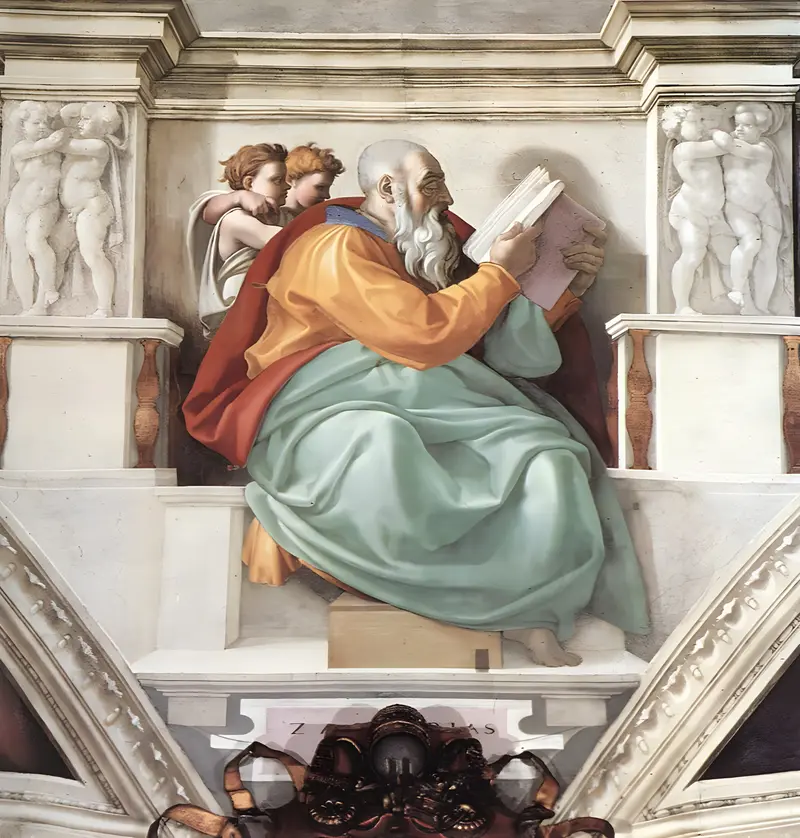
Prophet Zechariah
Michelangelo

Cumaean Sibyl
Michelangelo
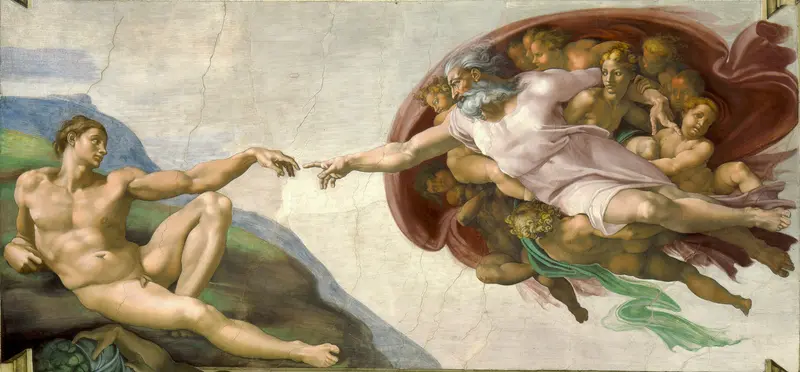
The Creation of Adam
Michelangelo
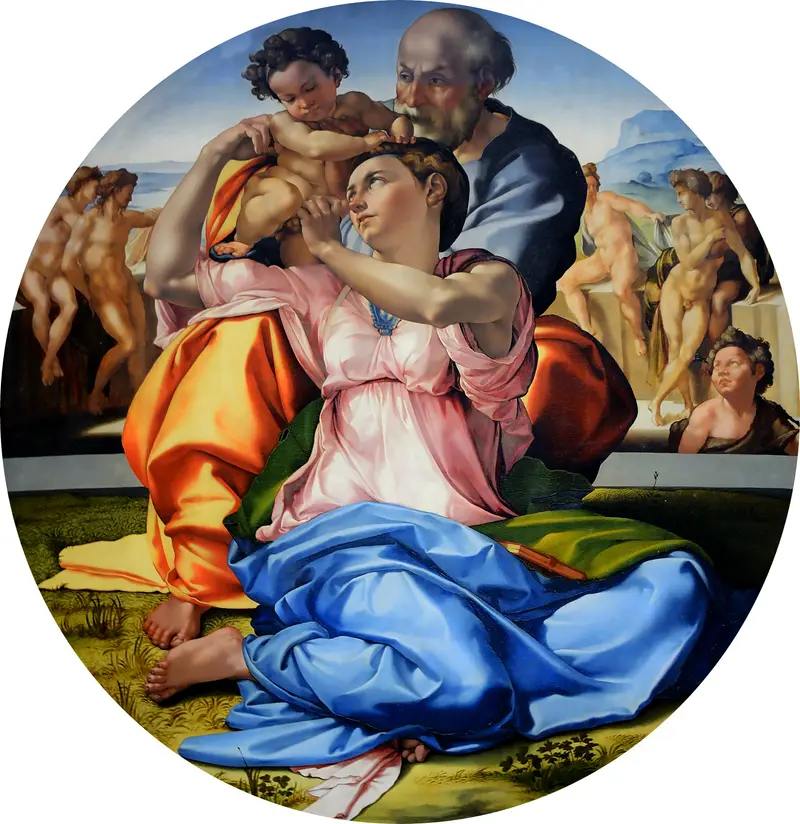
Doni Tondo
Michelangelo
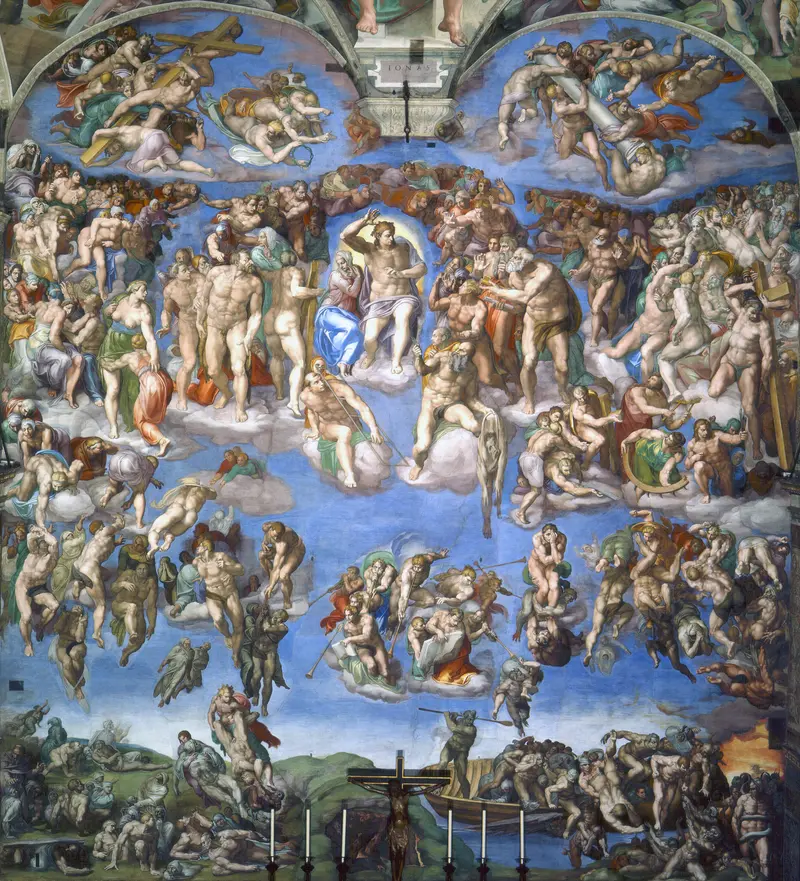
The Last Judgment
Michelangelo
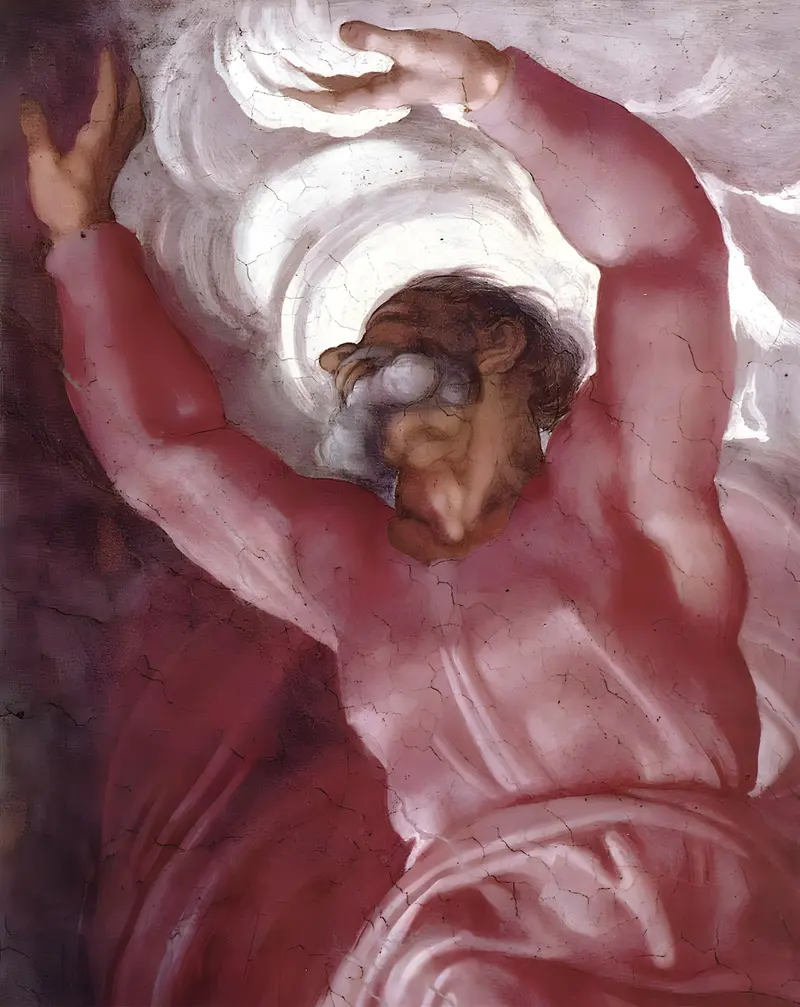
Separation of Light from Darkness
Michelangelo
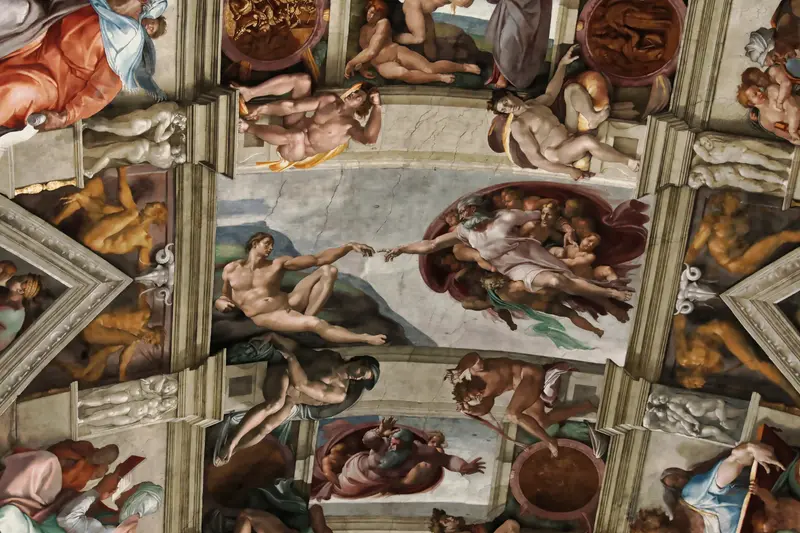
The Separation of the Earth and Waters
Michelangelo

Erythraean Sibyl
Michelangelo
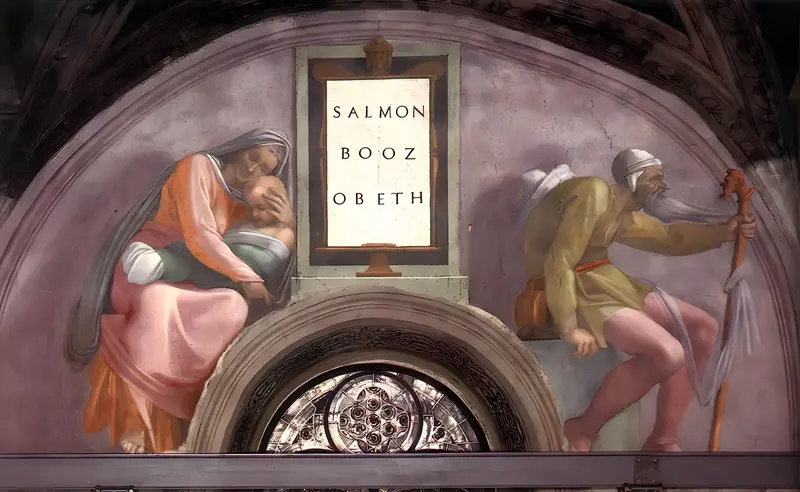
Salmon, Boaz, Obed
Michelangelo




