
Marché à la Ferraille — History & Facts
What secret hides in the quiet of the canvas? In Marché à la Ferraille, a seemingly mundane scene unfolds, revealing a world layered with innocent curiosities amidst the backdrop of life’s complexities. Look to the left at the figures huddled closely together, their bodies suggesting camaraderie and shared purpose. Notice how the soft, earthy palette of browns and muted greens envelops them, contrasting with the brighter splashes of color that hint at the various wares on display. The brushwork is textured yet tender, inviting you to step into the scene and explore the details—the weathered faces of the vendors, the intricate patterns of their garments, and the scattered assortment of scrap metal that draws the eye and stirs the imagination. Beneath the surface, emotional tensions emerge: the juxtaposition of innocence and survival, where every piece sold carries a history of reuse and the hope for renewal.
The scattered scraps symbolize not just the remnants of a bygone era but also the persistence of life, thriving against the odds. Each character, although seemingly absorbed in their task, conveys an unspoken connection, an understanding of life’s fragility and resilience. Painted during a time of great sociopolitical change in France, Marché à la Ferraille reflects Lepère’s deep engagement with the everyday struggles of the working class. During the early part of the 20th century, particularly around 1870 to 1918, the artist was immersed in the burgeoning Impressionist movement, yet he held fast to realism.
This work captures the essence of community and the human spirit, illustrating a moment that transcends time and speaks to the continuity of life amidst chaos.
More Artworks by Auguste Louis Lepère
Browse all →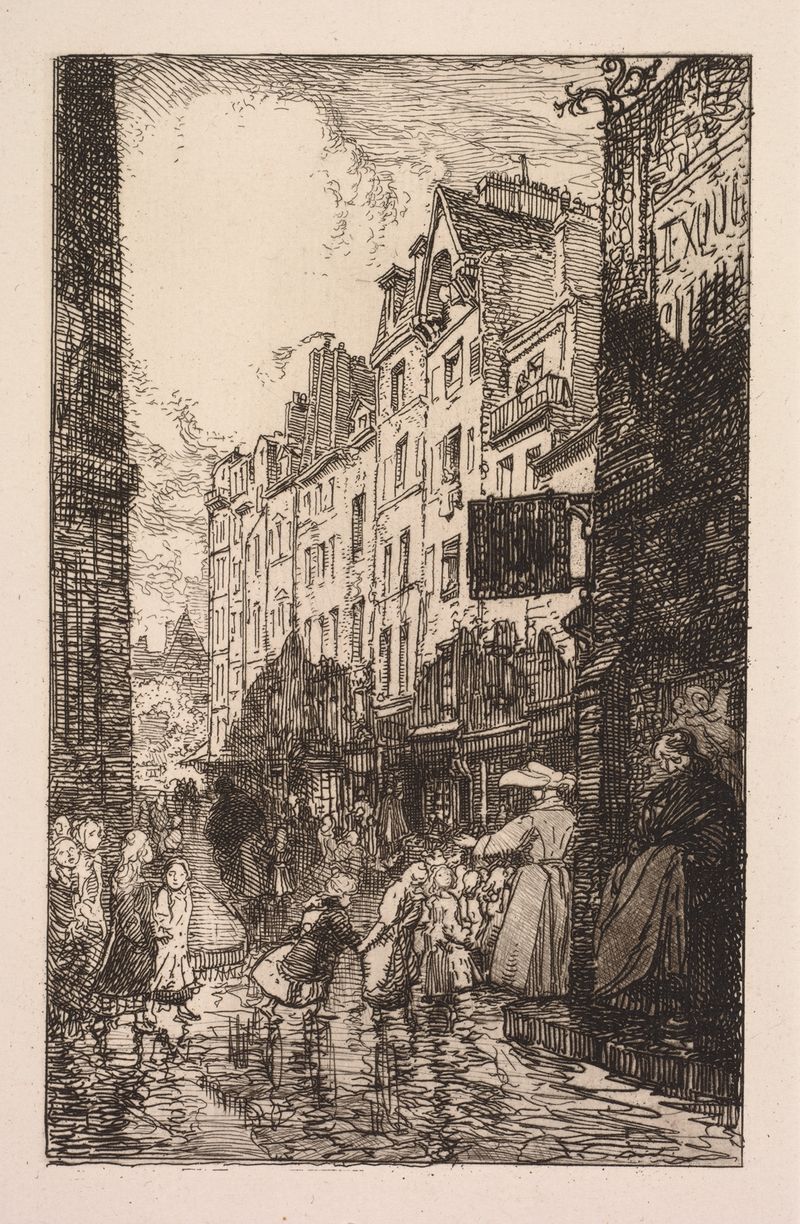
La Rue des Prêtres Saint-Séverin
Auguste Louis Lepère
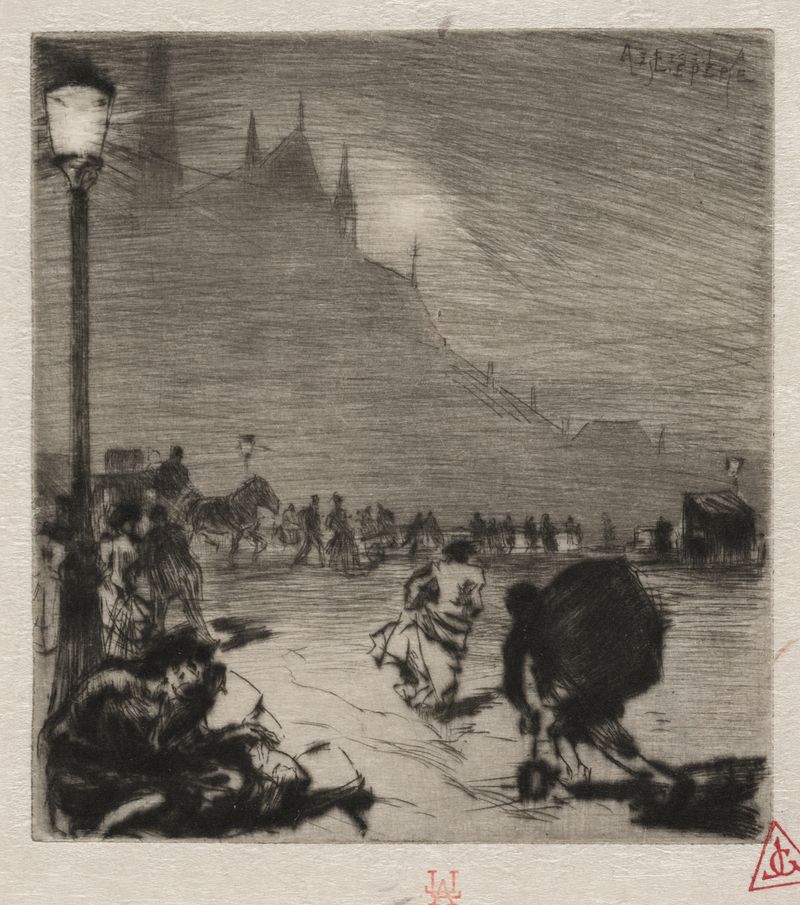
Au Coin du Pont-aux-Doubles
Auguste Louis Lepère
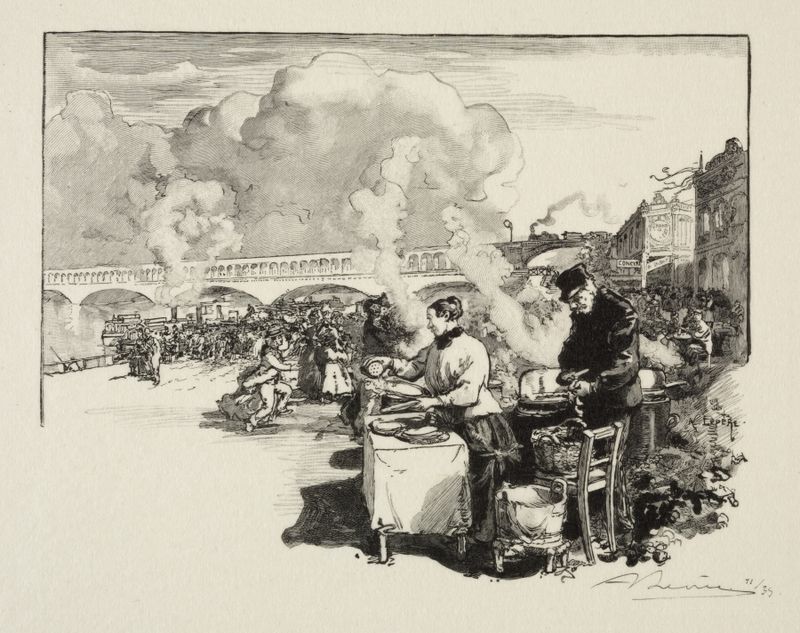
Debarcadère des bateaux-omnibus
Auguste Louis Lepère

La Seine, au quai de la Rapée
Auguste Louis Lepère
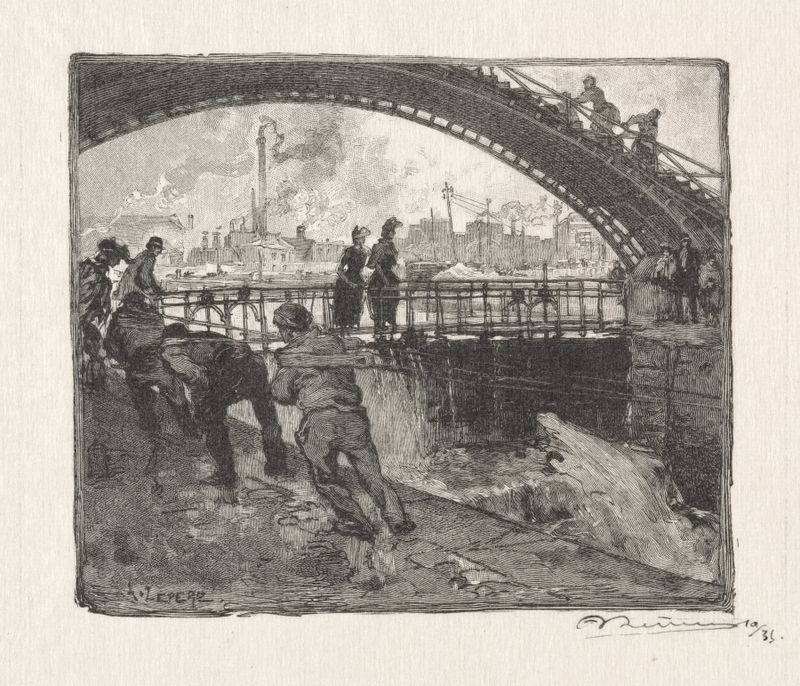
L’Ecluse du Canal St. Martin
Auguste Louis Lepère

Le Boulevard Montmartre, le Soir
Auguste Louis Lepère

Une Chasse au Mont Gérard
Auguste Louis Lepère
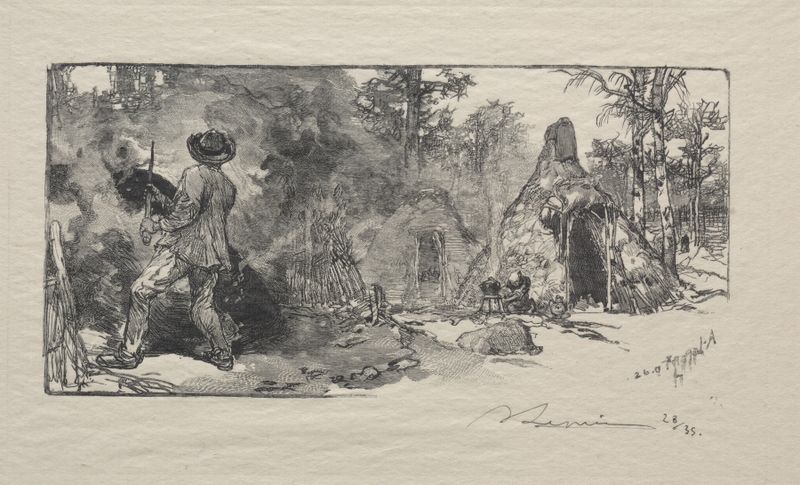
Les Charbonniere
Auguste Louis Lepère
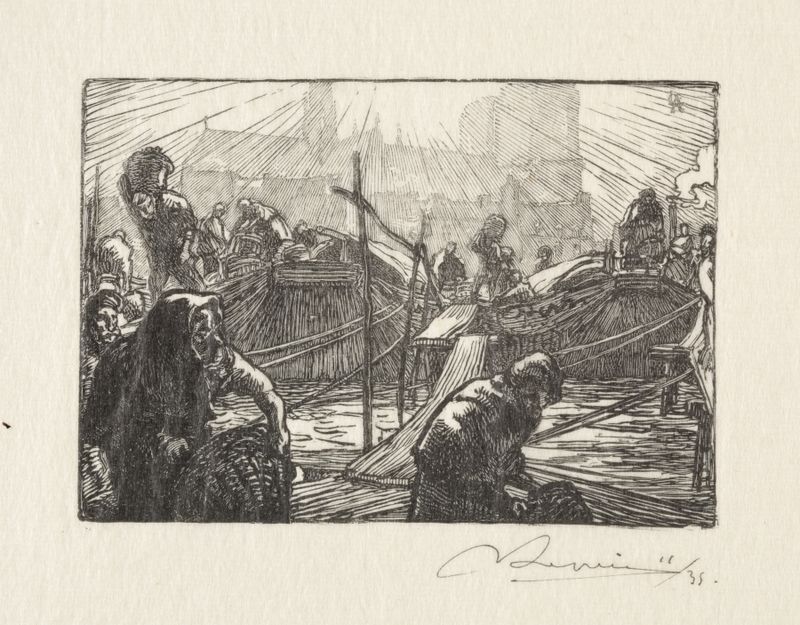
Notre Dame vue du Marché aux pommes
Auguste Louis Lepère

Le Palais des Arts Liberaux, Intèrieur
Auguste Louis Lepère





