
Marcus Curtius Leaping Into The Abyss — History & Facts
No other episode from ancient Rome so enthralled Renaissance artists as the legend of Marcus Curtius, the young Roman who leapt into a chasm to save his city. The story, recounted by Livy, was seen as the very image of civic sacrifice, and Pontormo’s Marcus Curtius Leaping Into The Abyss stands as one of the most dramatic interpretations. What sets this version apart is its rare focus on the instant of action: not the aftermath, but the split second as Curtius, armored and resolute, urges his horse into the darkness.
While the date and commission of the painting remain uncertain, its daring composition and emotional charge have made it a subject of fascination and debate among art historians. At the heart of the painting, Marcus Curtius is caught mid-leap, his body twisting with determination, his gaze fixed ahead. The gaping fissure in the earth swallows the lower half of the canvas, rendered with Pontormo’s signature, almost feverish brushwork. The youth’s armor gleams, a symbol of his valor, while his outstretched arm seems to bless or bid farewell to the onlookers behind him.
The crowd, frozen in astonishment and fear, recedes into a swirl of color, their faces blurred by grief and awe. Unlike Lucas Cranach the Elder’s more restrained depiction, Pontormo’s version pulses with movement and anxiety, the horse’s wild eyes mirroring the chaos of the moment. Little is known of the painting’s early history, and no contemporary records of its commission have survived. Scholars generally place it in Pontormo’s later period, when his style grew more expressive and experimental, but the lack of documentation has led to lively debate over its attribution and dating.
The work’s provenance remains shadowy, with gaps in its journey before entering the modern collection. Today, Marcus Curtius Leaping Into The Abyss is valued not only as a rare subject in Pontormo’s oeuvre but as a vivid testament to the Renaissance fascination with heroism and sacrifice. Its unresolved mysteries continue to draw viewers and scholars alike.
More Artworks by Pontormo (Jacopo Carucci)
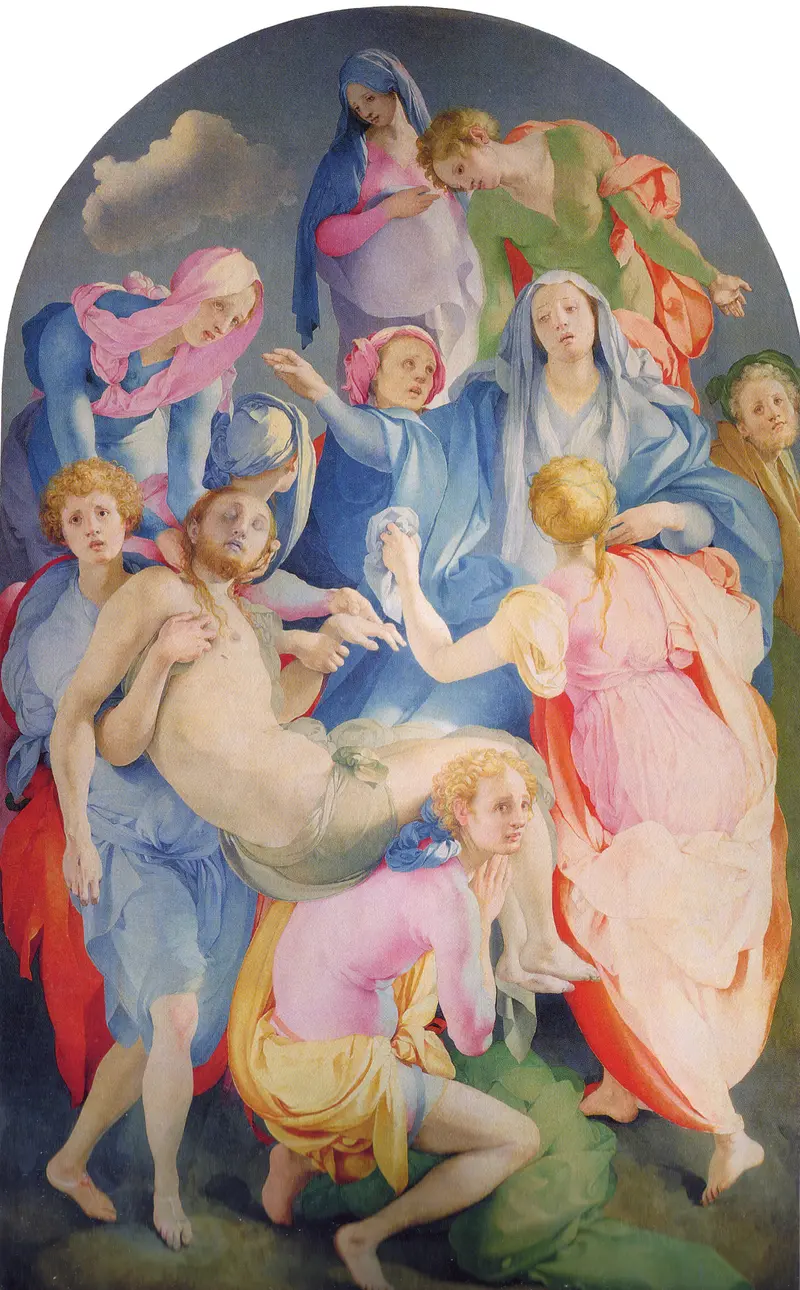
The Deposition from the Cross
Pontormo (Jacopo Carucci)
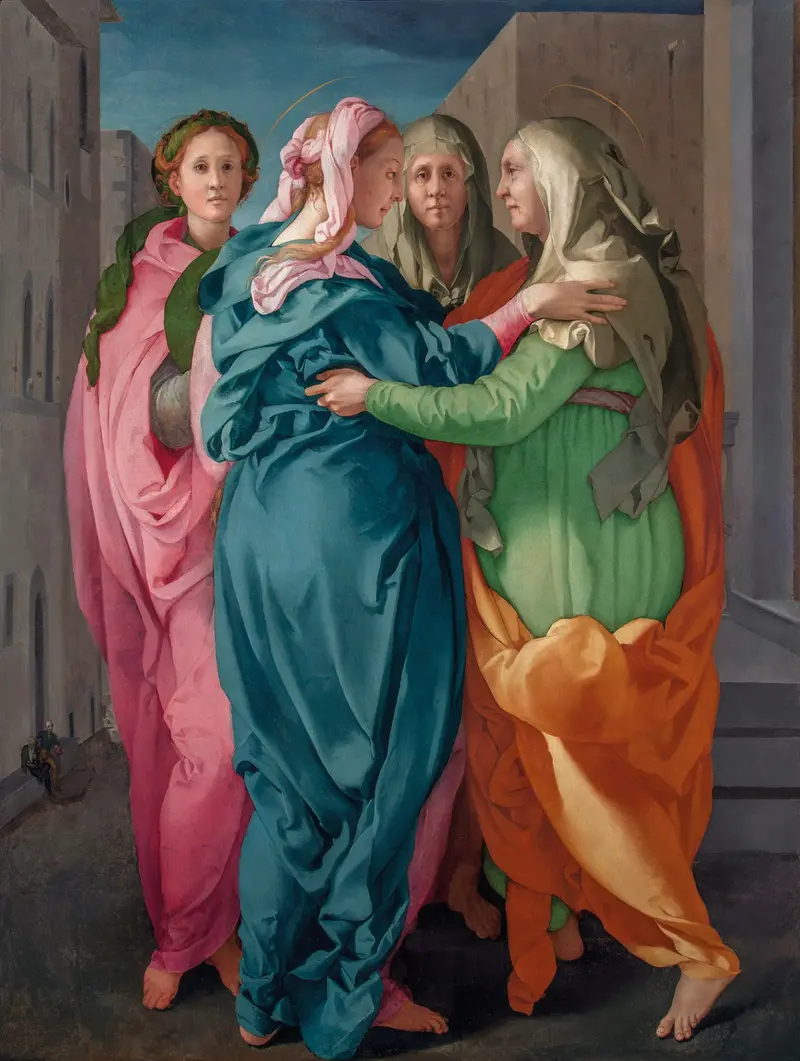
The Visitation (Carmignano)
Pontormo (Jacopo Carucci)
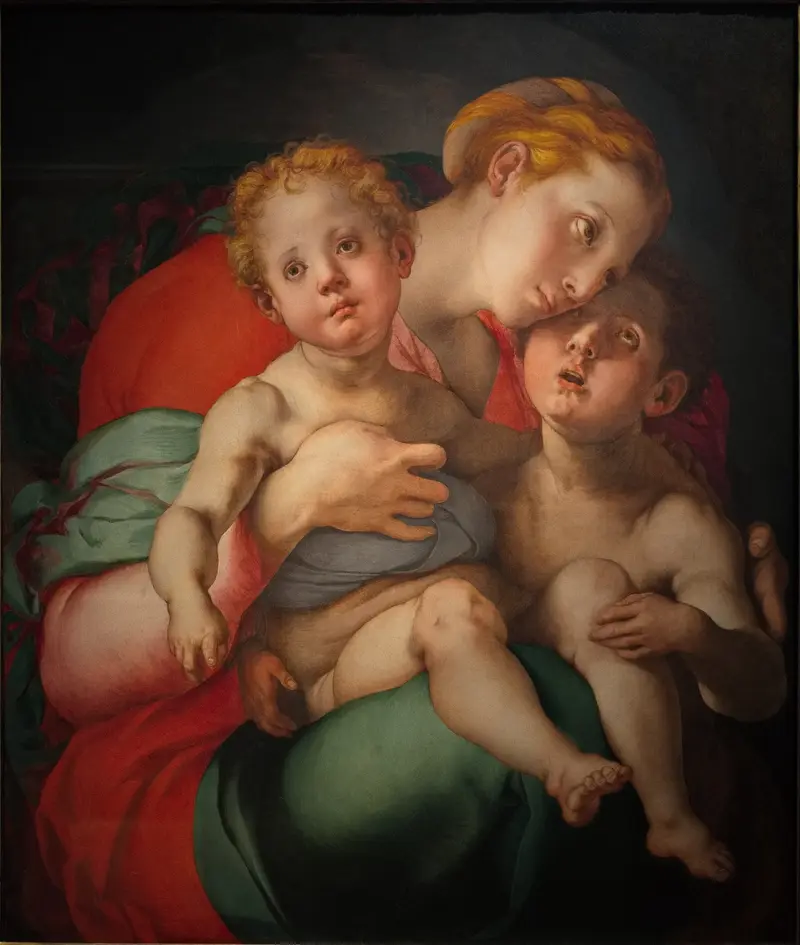
Madonna with Child and the young Saint John
Pontormo (Jacopo Carucci)
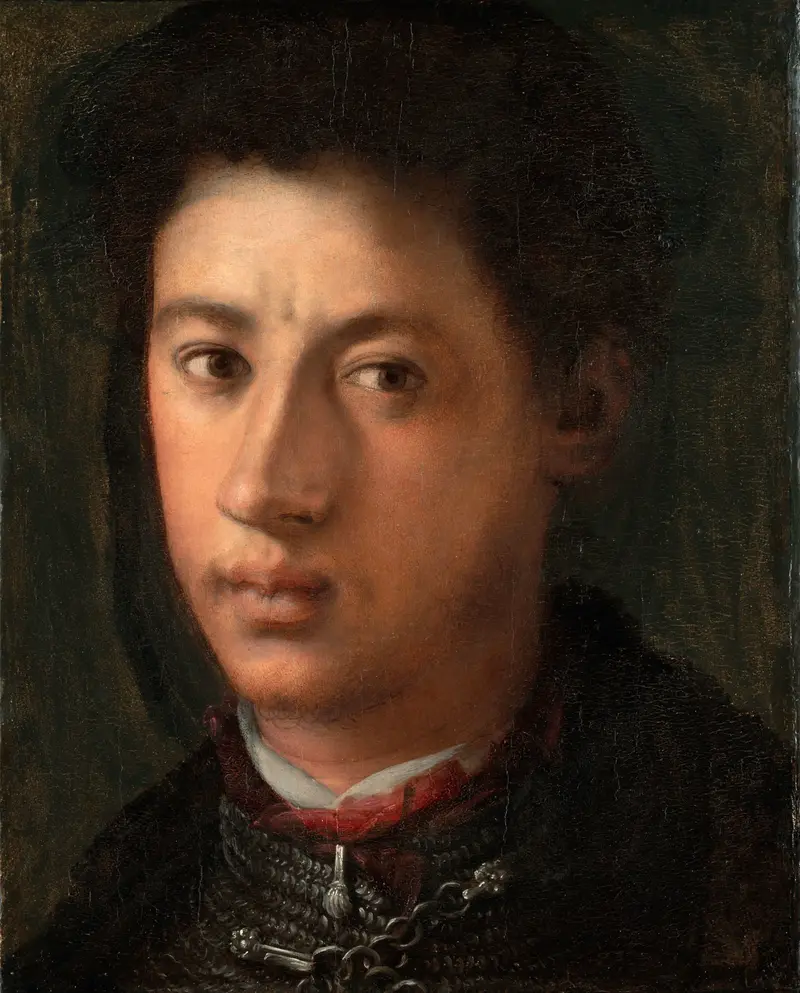
Alessandro de’ Medici
Pontormo (Jacopo Carucci)
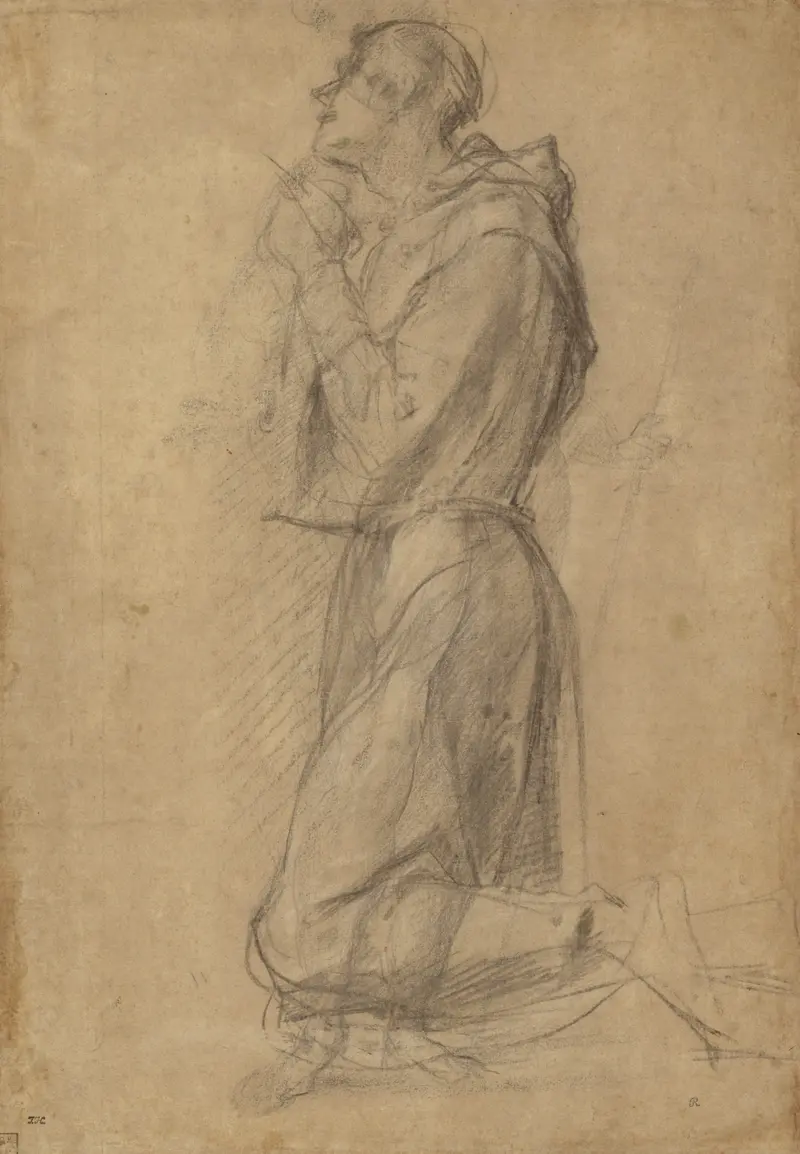
Saint Francis
Pontormo (Jacopo Carucci)
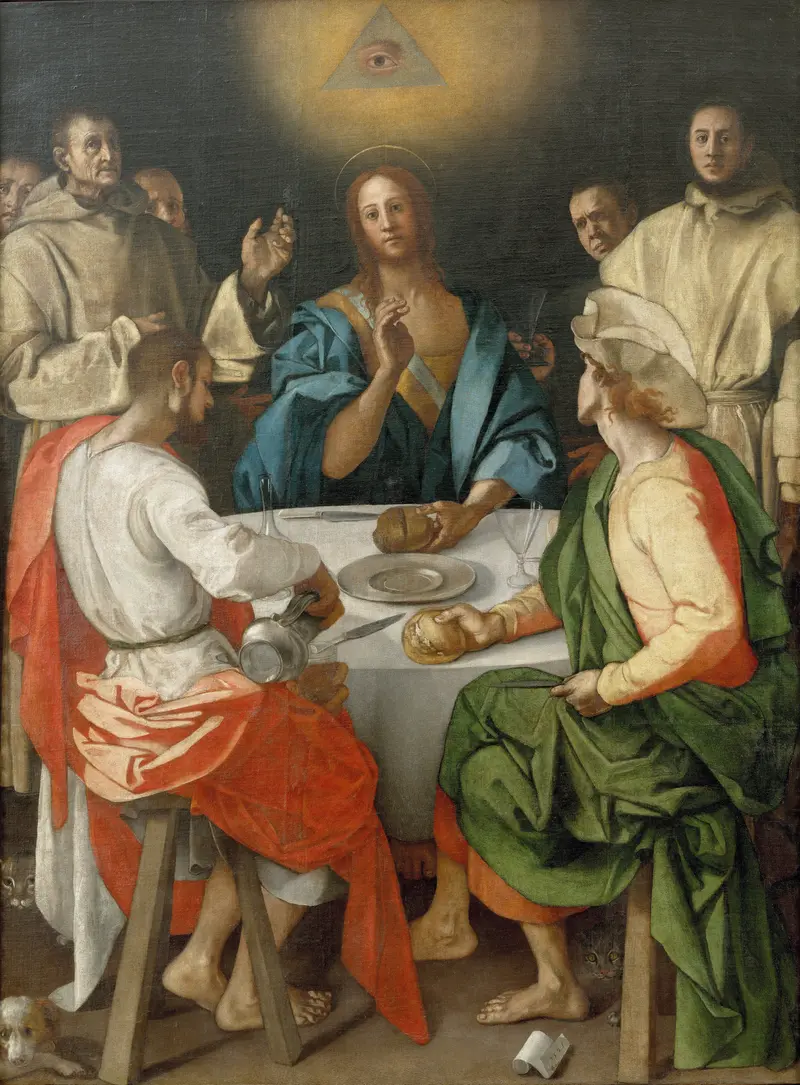
Supper at Emmaus
Pontormo (Jacopo Carucci)
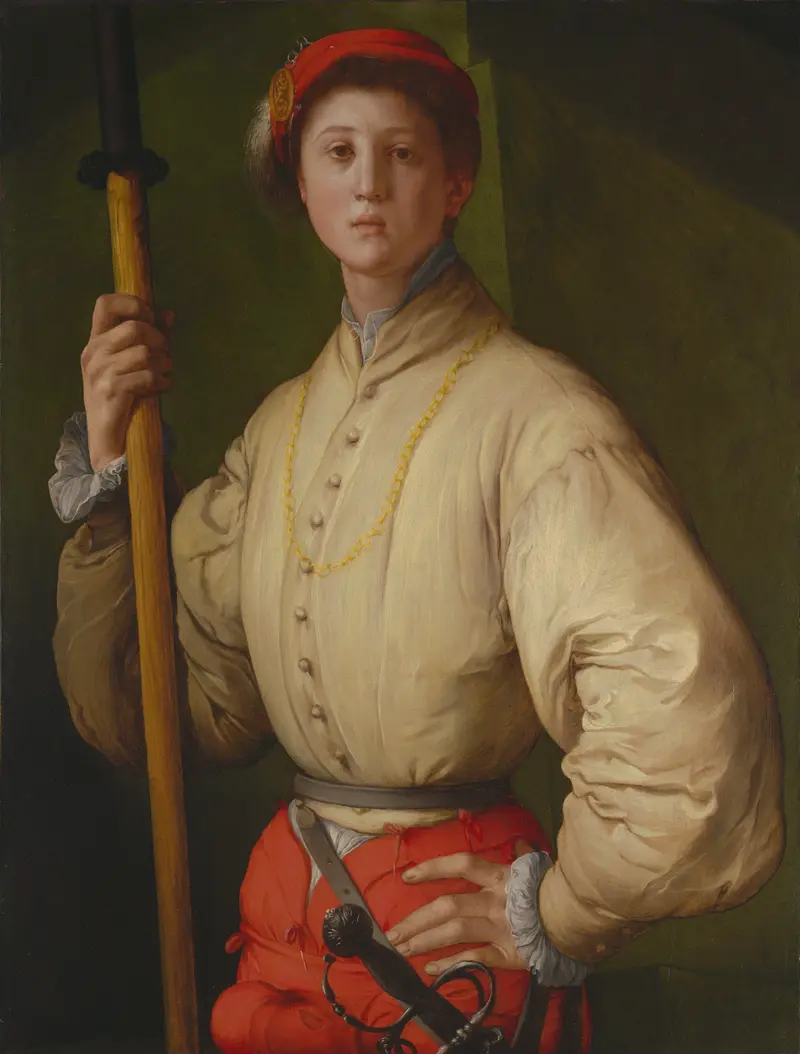
Portrait of a Halberdier
Pontormo (Jacopo Carucci)
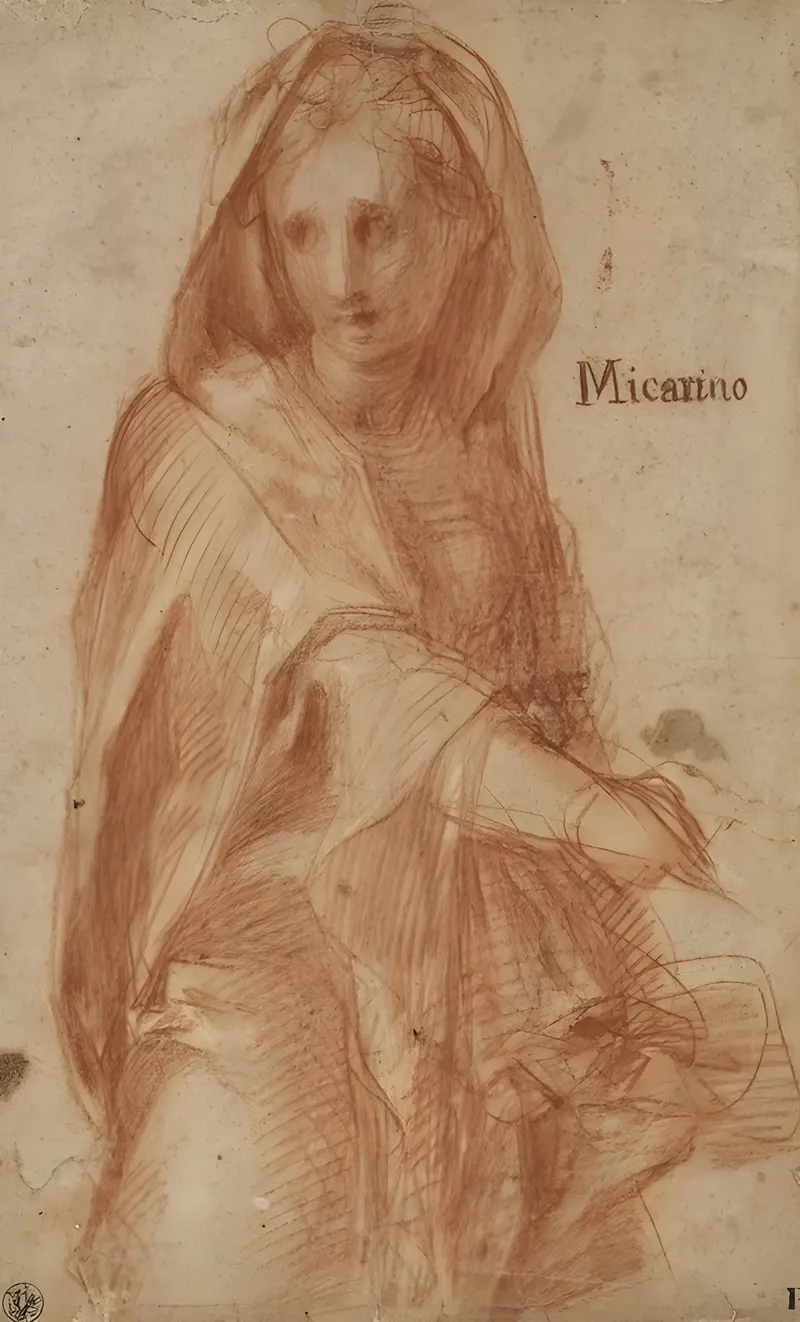
Female figure with covered head (study for a figure in the fresco of the Visitation in Santissima Annunziata)
Pontormo (Jacopo Carucci)
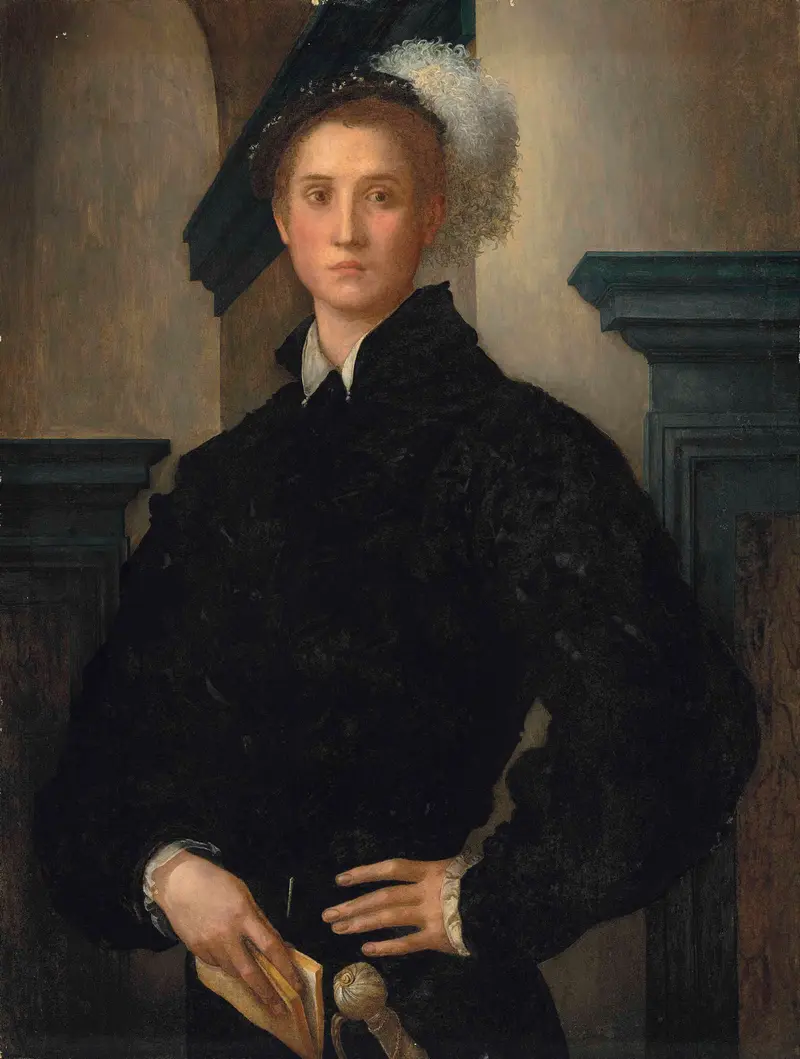
Portrait Of Cosimo I De Medici
Pontormo (Jacopo Carucci)
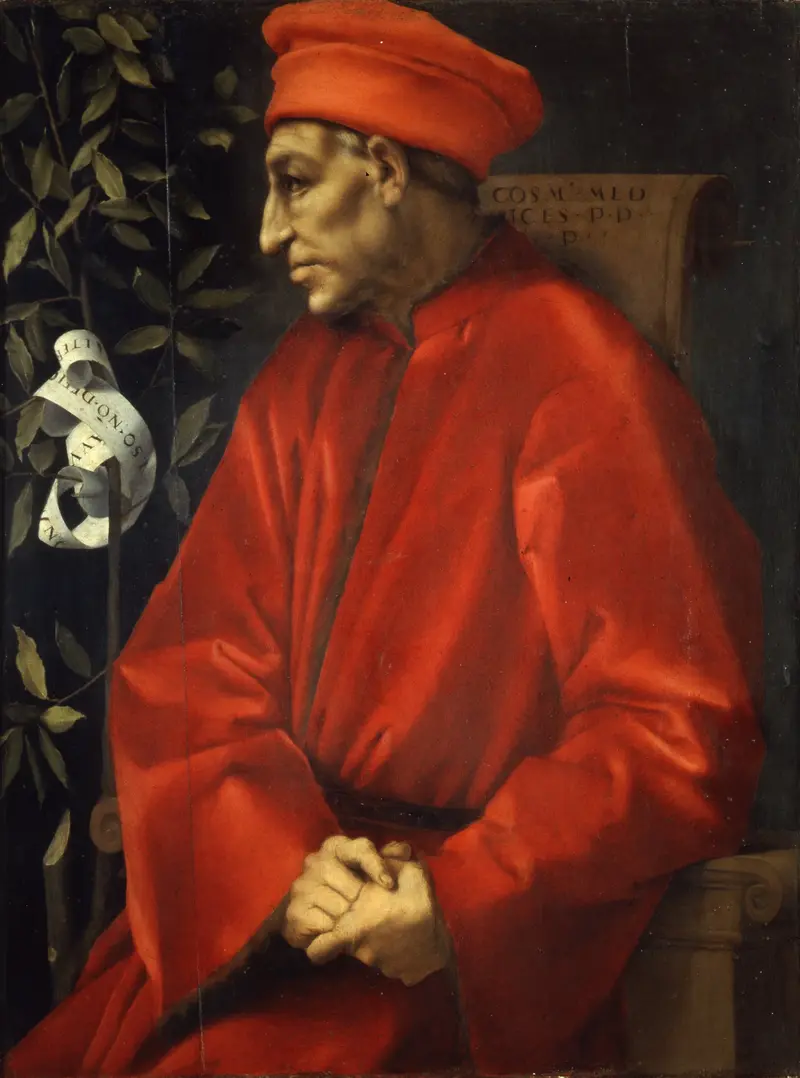
Portrait of Cosimo de’ Medici the Elder
Pontormo (Jacopo Carucci)





