
Madonna with Child and the young Saint John — History & Facts
No one can say for certain when Pontormo painted Madonna with Child and the young Saint John, nor for whom it was first intended, but the work stands as a vivid testament to the shifting emotional currents of early Mannerism. Its authorship has never been in doubt—Pontormo’s unmistakable hand is visible in the elongated forms and expressive faces—but the painting’s original home and purpose remain a matter of speculation. This air of mystery has only increased its allure among scholars, who note how it departs from the serene Madonnas of the High Renaissance and instead pulses with a nervous energy unique to its creator. The scene captures a moment of tender intimacy: the Virgin Mary cradles the Christ Child, while the young Saint John the Baptist, recognizable by his camel-skin garment, leans in with a gesture of adoration.
The figures are pressed closely together, their bodies forming a graceful, almost unnatural spiral, a hallmark of Pontormo’s style. The Christ Child’s hand reaches toward John, signaling both affection and the foreshadowing of future sacrifice. The Virgin’s gaze is gentle but distant, as if already contemplating her son’s fate.
Unlike the harmonious pyramids of Raphael’s Madonnas, here the composition is restless, the colors cool and luminous, lending the scene a sense of emotional immediacy. Little is known about the early history of this painting, a fate shared by many works from Pontormo’s later years. It likely passed through private collections, cherished for its unusual beauty and the fame of its creator. Over time, its attribution has never seriously wavered, thanks to the distinctiveness of Pontormo’s hand and the painting’s close relation to his other treatments of the Holy Family.
Today, it is recognized as a key example of Mannerist innovation, bridging the gap between the balanced calm of the Renaissance and the expressive experimentation that followed. Its journey from the artist’s studio to the present remains partly shrouded in uncertainty, but its emotional force endures.
More Artworks by Pontormo (Jacopo Carucci)
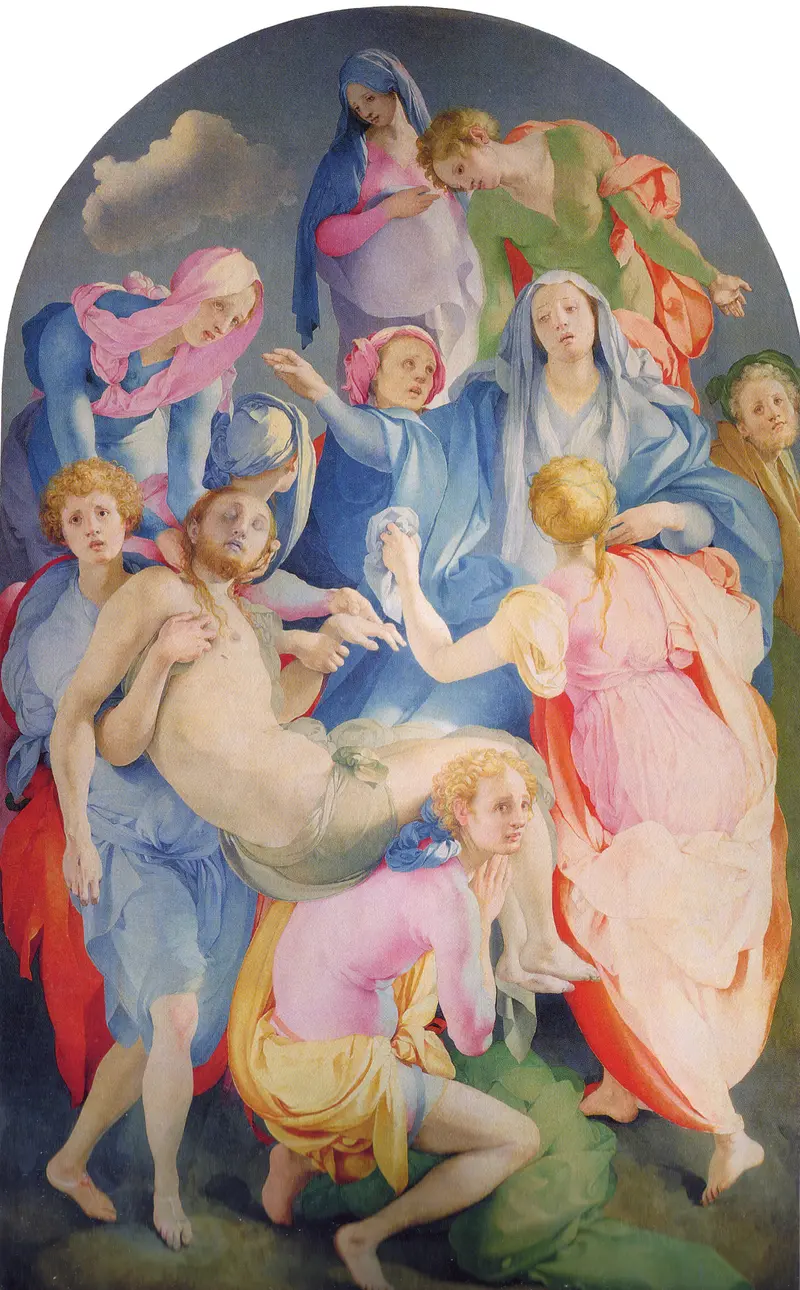
The Deposition from the Cross
Pontormo (Jacopo Carucci)
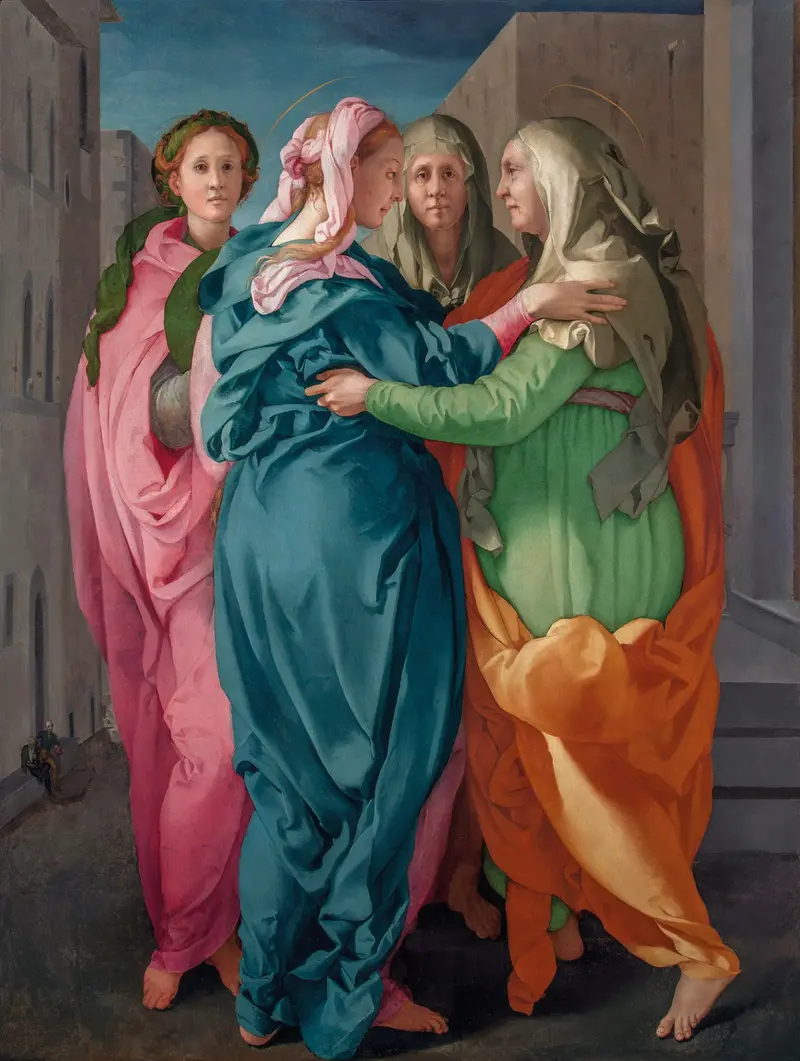
The Visitation (Carmignano)
Pontormo (Jacopo Carucci)
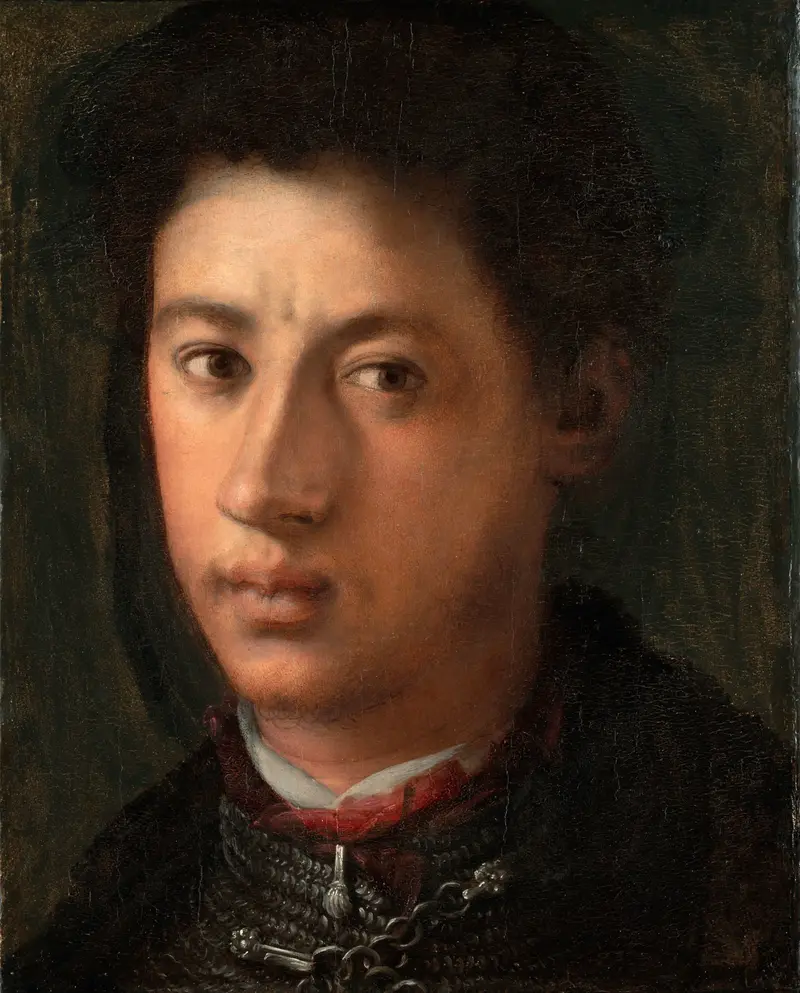
Alessandro de’ Medici
Pontormo (Jacopo Carucci)
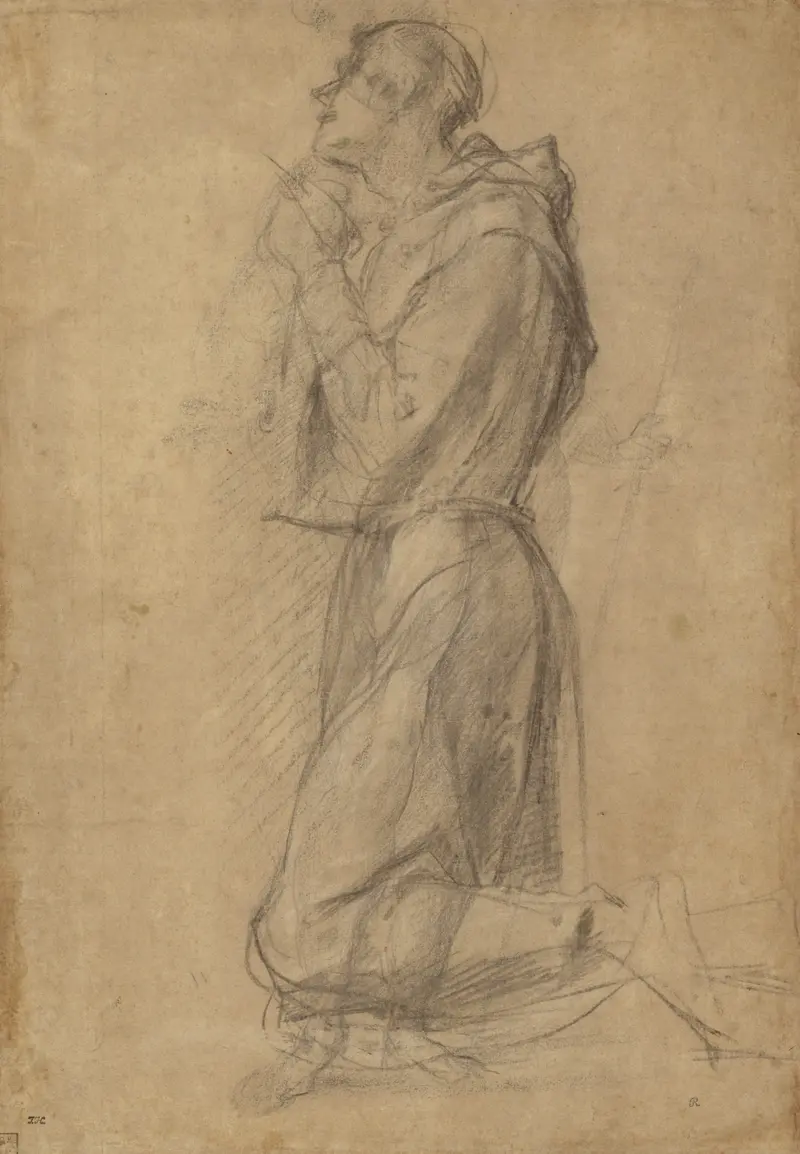
Saint Francis
Pontormo (Jacopo Carucci)
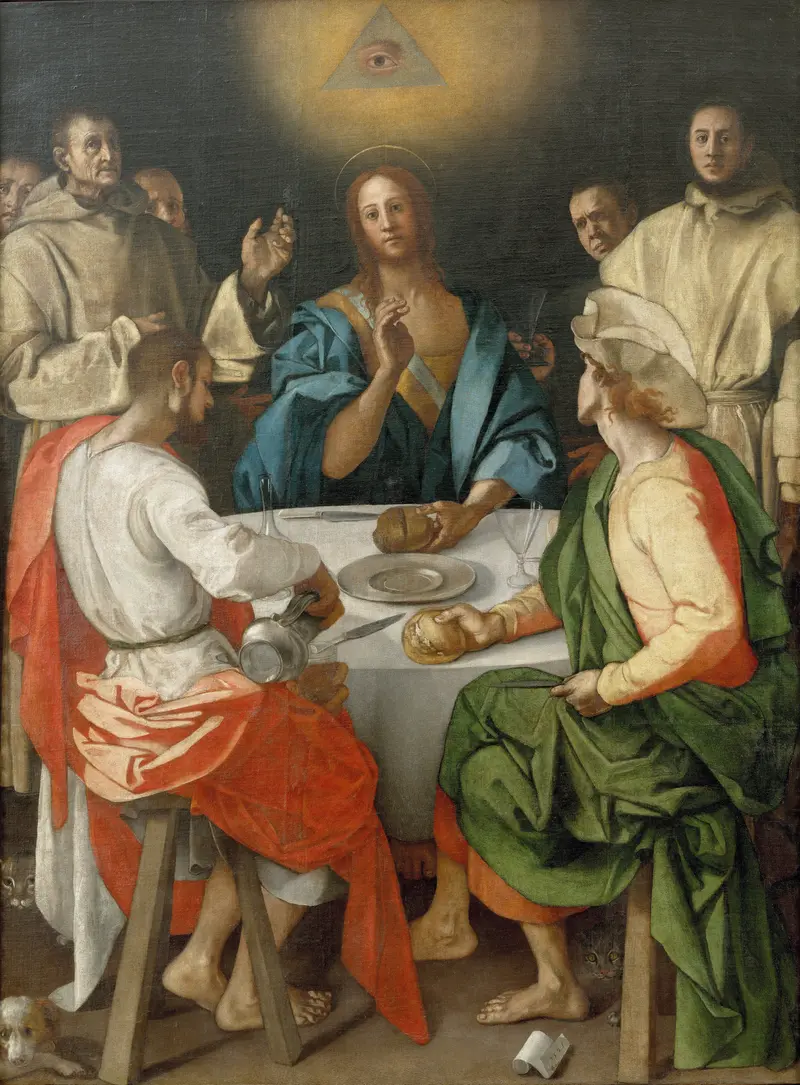
Supper at Emmaus
Pontormo (Jacopo Carucci)
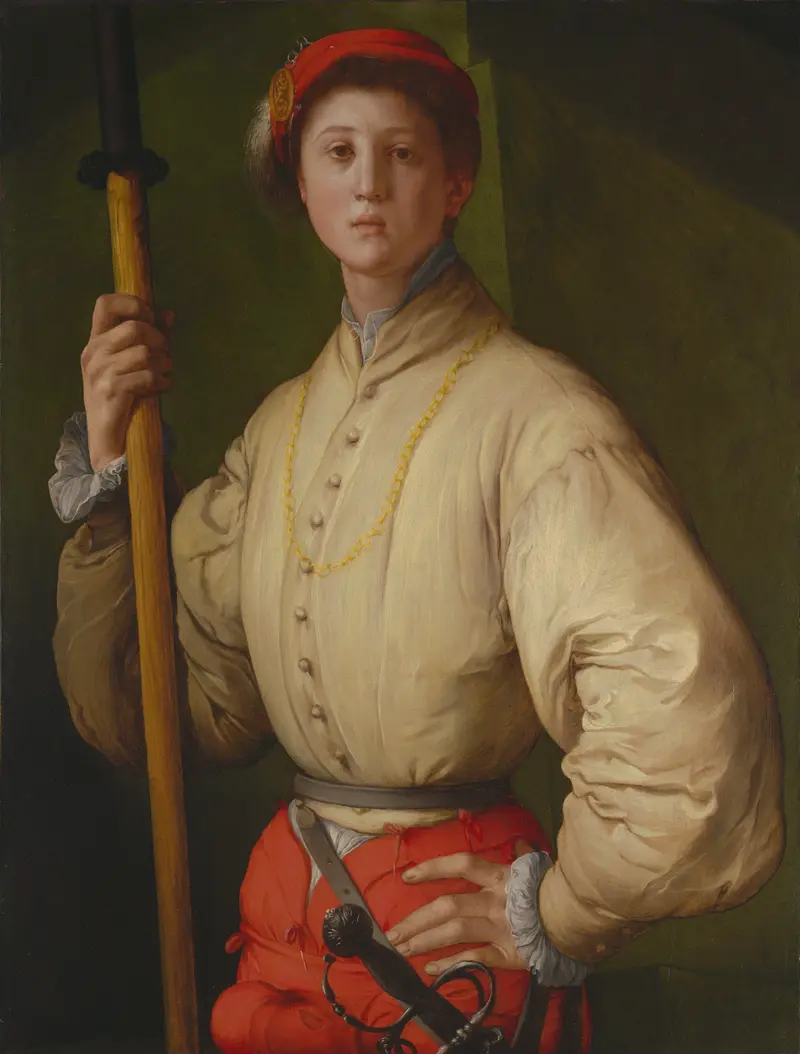
Portrait of a Halberdier
Pontormo (Jacopo Carucci)
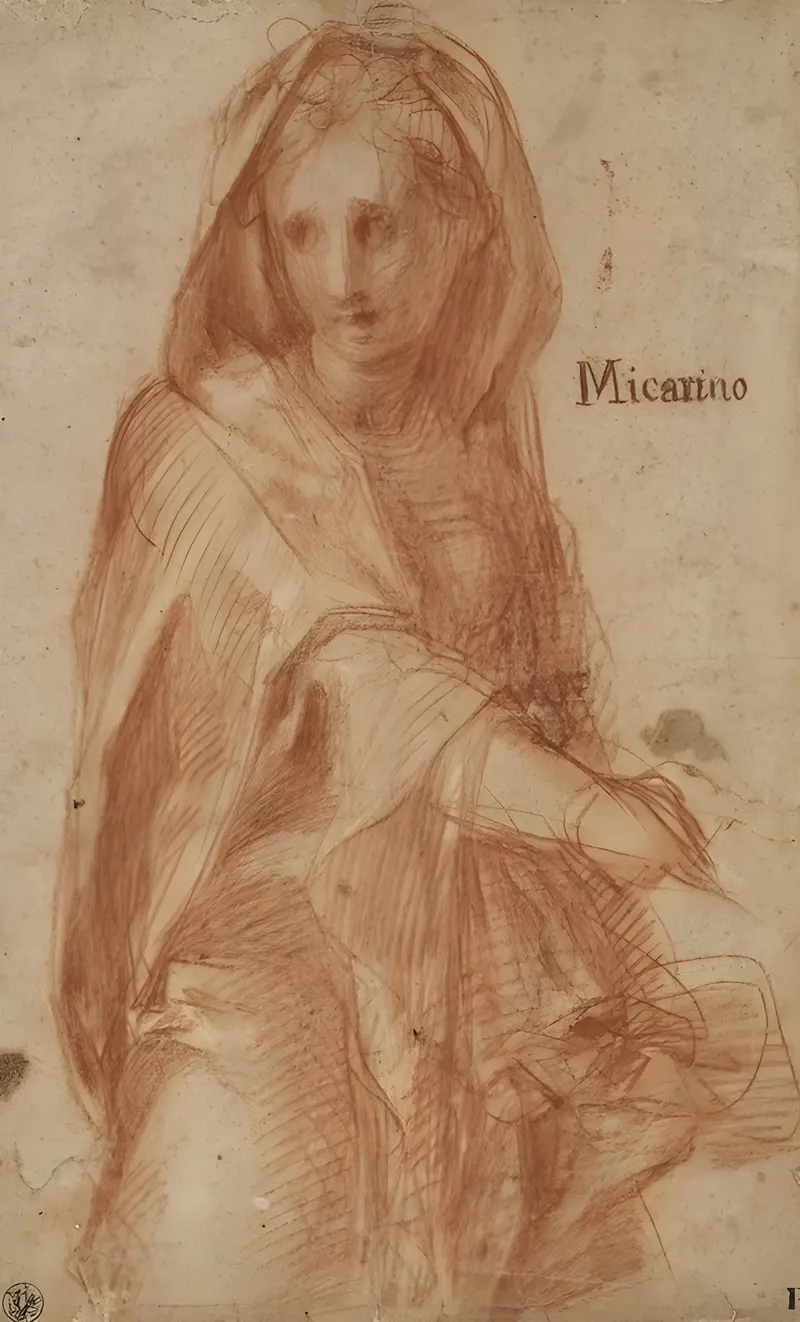
Female figure with covered head (study for a figure in the fresco of the Visitation in Santissima Annunziata)
Pontormo (Jacopo Carucci)
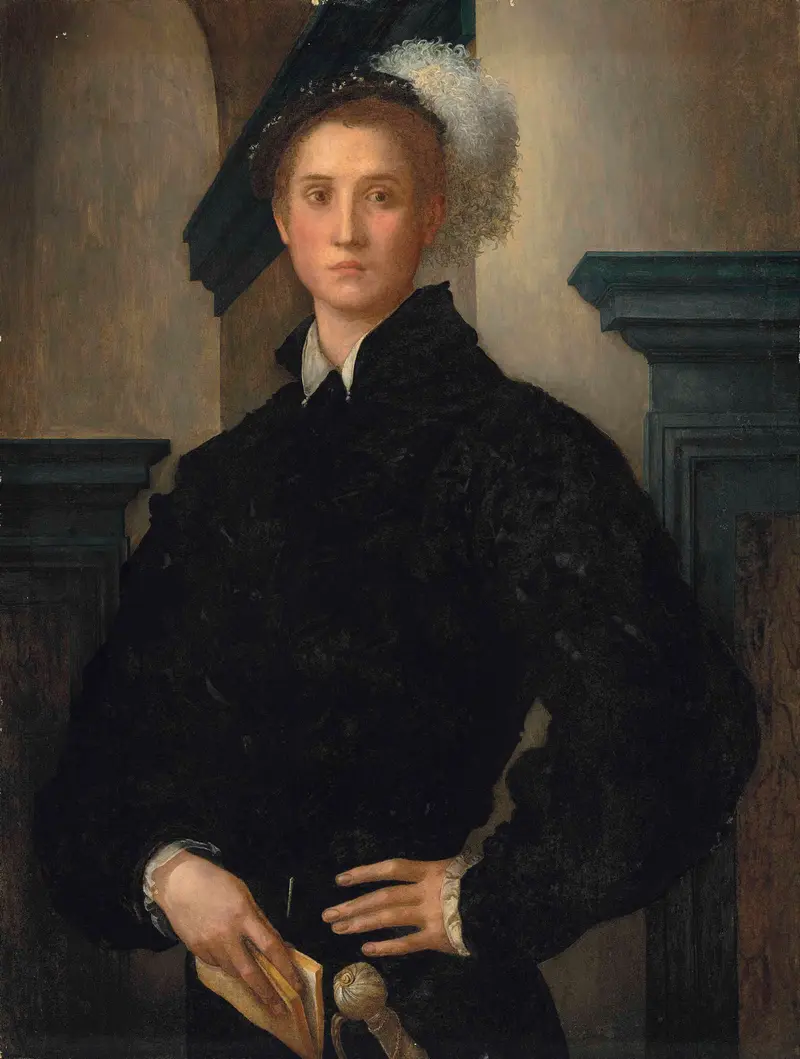
Portrait Of Cosimo I De Medici
Pontormo (Jacopo Carucci)
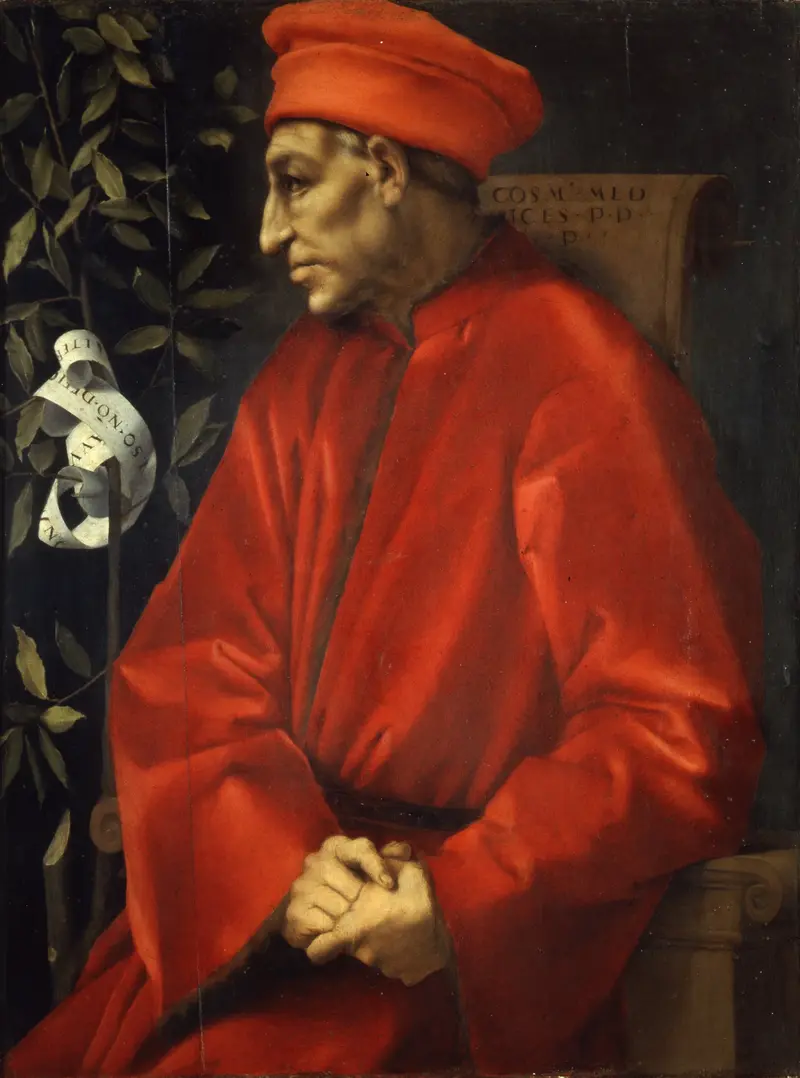
Portrait of Cosimo de’ Medici the Elder
Pontormo (Jacopo Carucci)
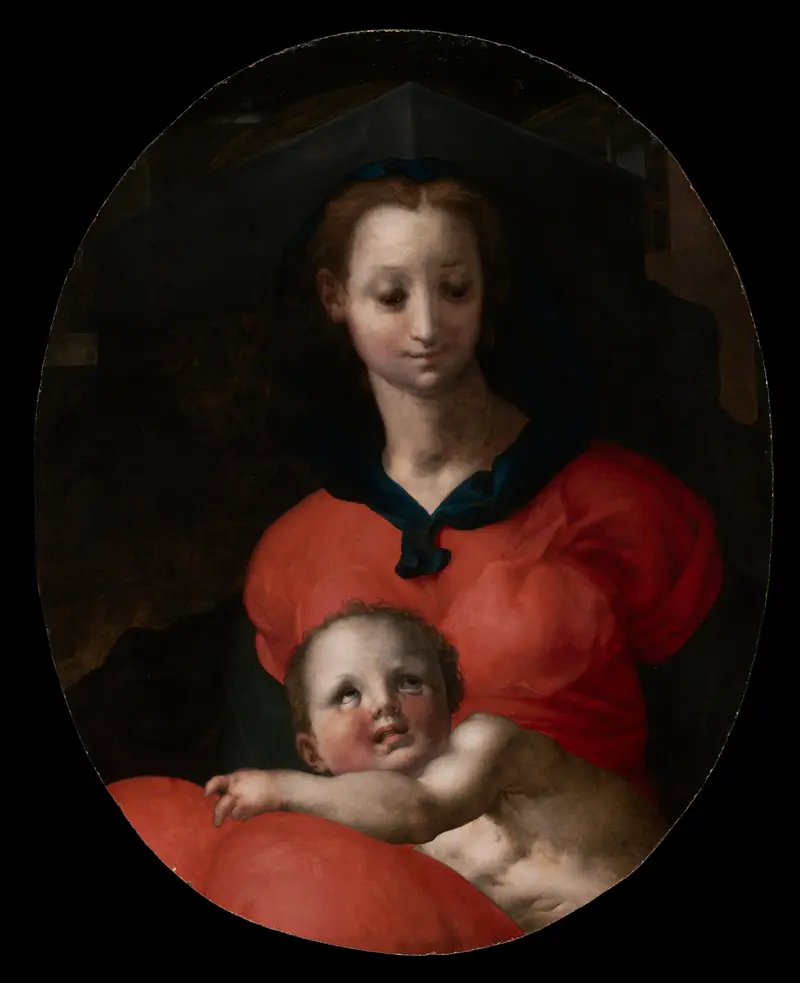
Virgin and Child, known as the Madonna del Libro
Pontormo (Jacopo Carucci)





