
Supper at Emmaus — History & Facts
Few paintings by Pontormo have sparked as much scholarly curiosity as Supper at Emmaus, not least because its date and original setting remain uncertain, and its very authorship was once debated. The subject—Christ revealing himself to two disciples after his resurrection—was a favorite among Renaissance artists, but Pontormo’s version stands out for its psychological tension and the peculiar, almost otherworldly figures that populate the scene. The work’s composition and style have led some to suggest it was painted during the artist’s mature years, when he was experimenting with the elongated forms and unusual colors that would define the Mannerist movement. At the heart of the painting is the moment of recognition: Christ, seated at table, blesses the bread just as the disciples realize his true identity.
Their gestures are caught mid-motion—one recoils in astonishment, the other leans forward, eyes wide with revelation. The table is set with simple fare, but the drama plays out in the faces and hands, which are rendered with a sculptural clarity. Light falls sharply across the scene, isolating the figures against a dark background and heightening the sense of intimacy and suspense.
Unlike Caravaggio’s later interpretation, which emphasizes earthy realism, Pontormo’s disciples seem suspended between the spiritual and the corporeal, their elongated bodies and expressive faces hinting at the inner turmoil of faith and doubt. The journey of Supper at Emmaus as an object is as enigmatic as its mood. Its provenance is patchy; while some suggest it may have been commissioned for a Florentine confraternity or private chapel, no definitive records survive. Over the centuries, the painting has been attributed to various hands before consensus returned to Pontormo, whose idiosyncratic style is now unmistakable here.
The work’s uncertain origins have not diminished its significance: it remains a touchstone for understanding Pontormo’s transition toward the stylized forms of Mannerism, and a testament to the enduring power of narrative painting in sixteenth-century Florence. Today, it invites viewers to share in the disciples’ moment of recognition—an encounter with the mysterious, both in art and in faith.
More Artworks by Pontormo (Jacopo Carucci)
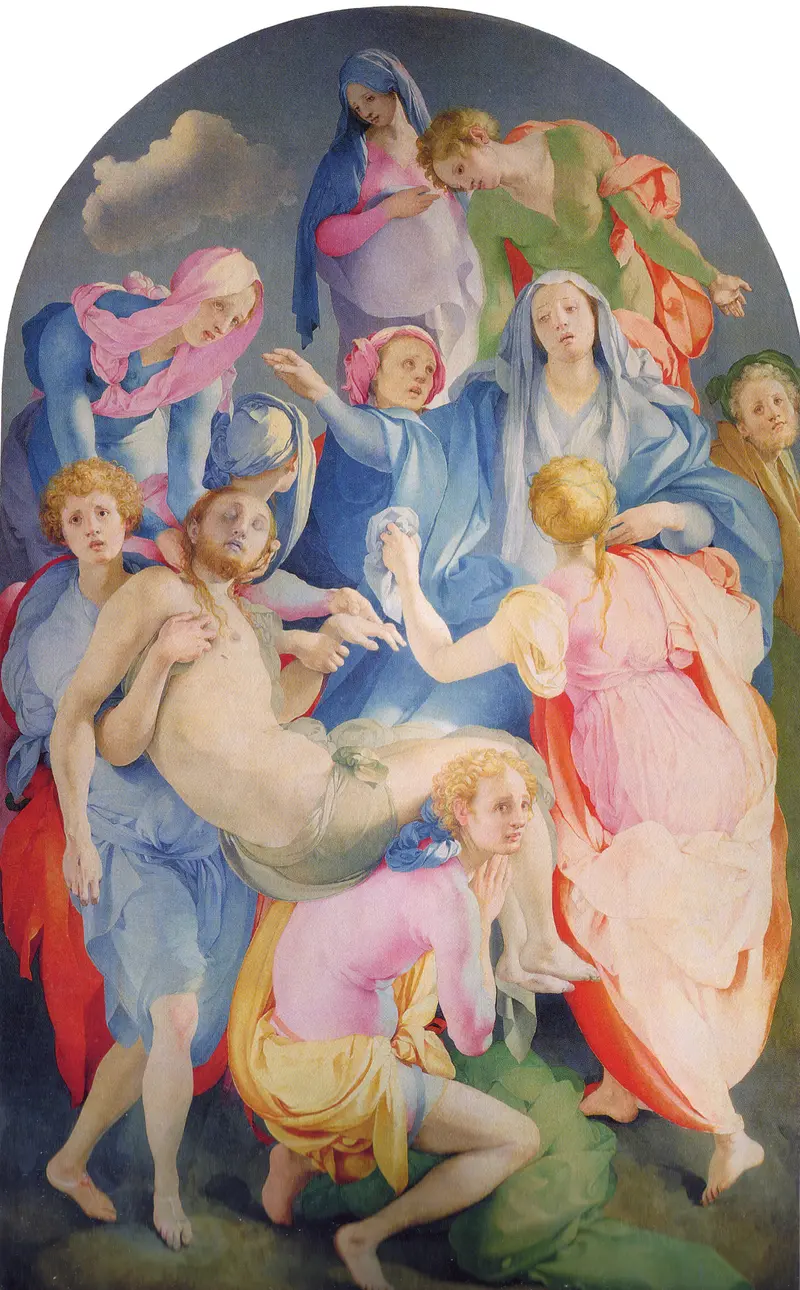
The Deposition from the Cross
Pontormo (Jacopo Carucci)
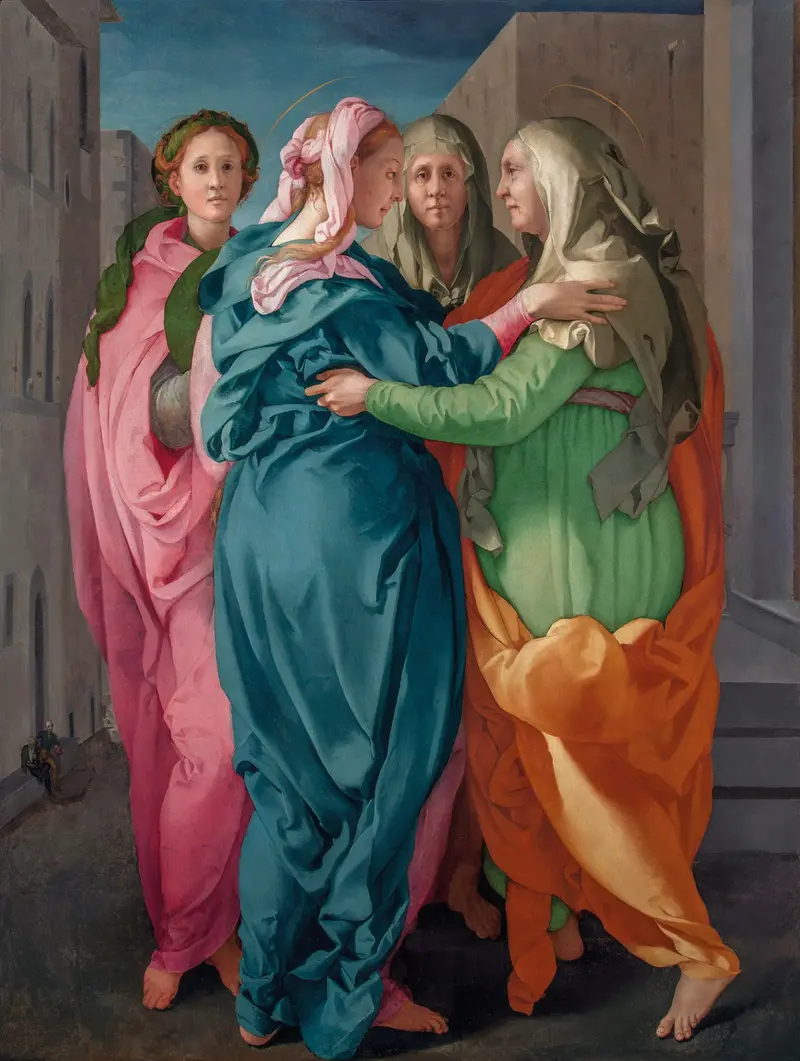
The Visitation (Carmignano)
Pontormo (Jacopo Carucci)
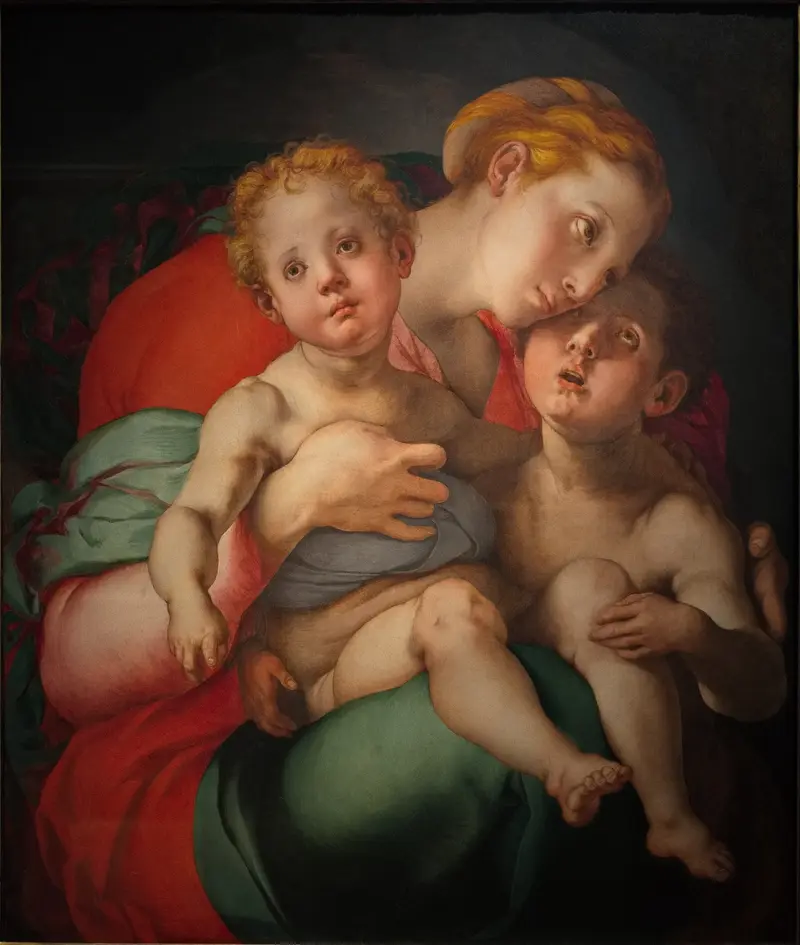
Madonna with Child and the young Saint John
Pontormo (Jacopo Carucci)
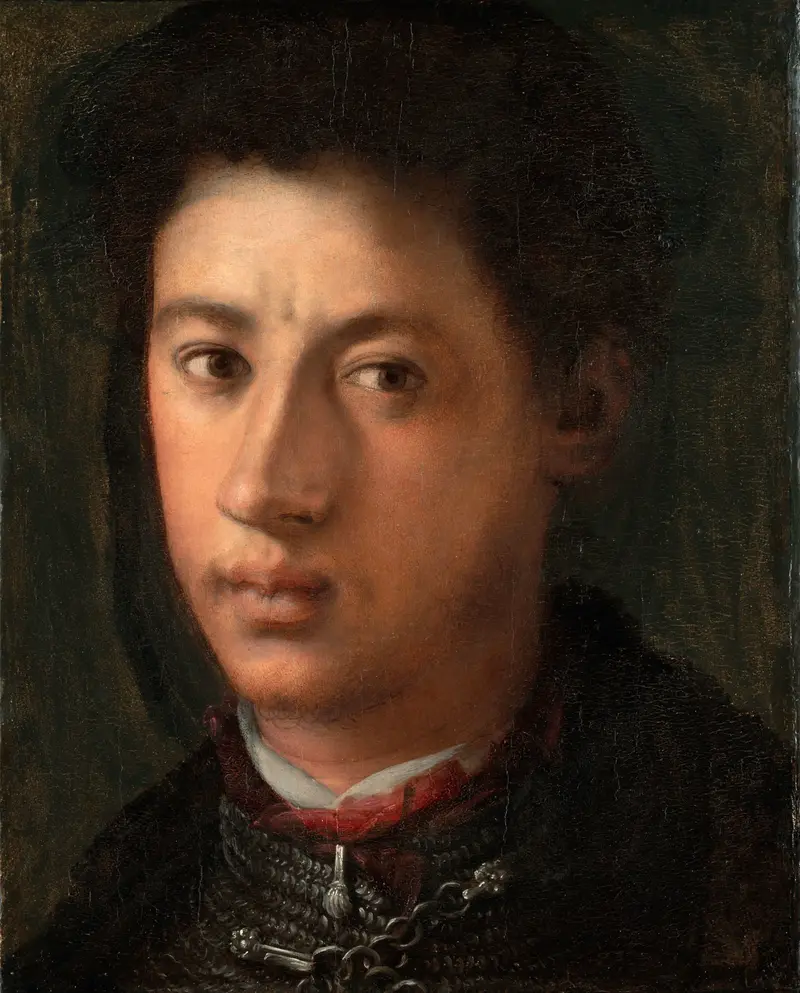
Alessandro de’ Medici
Pontormo (Jacopo Carucci)
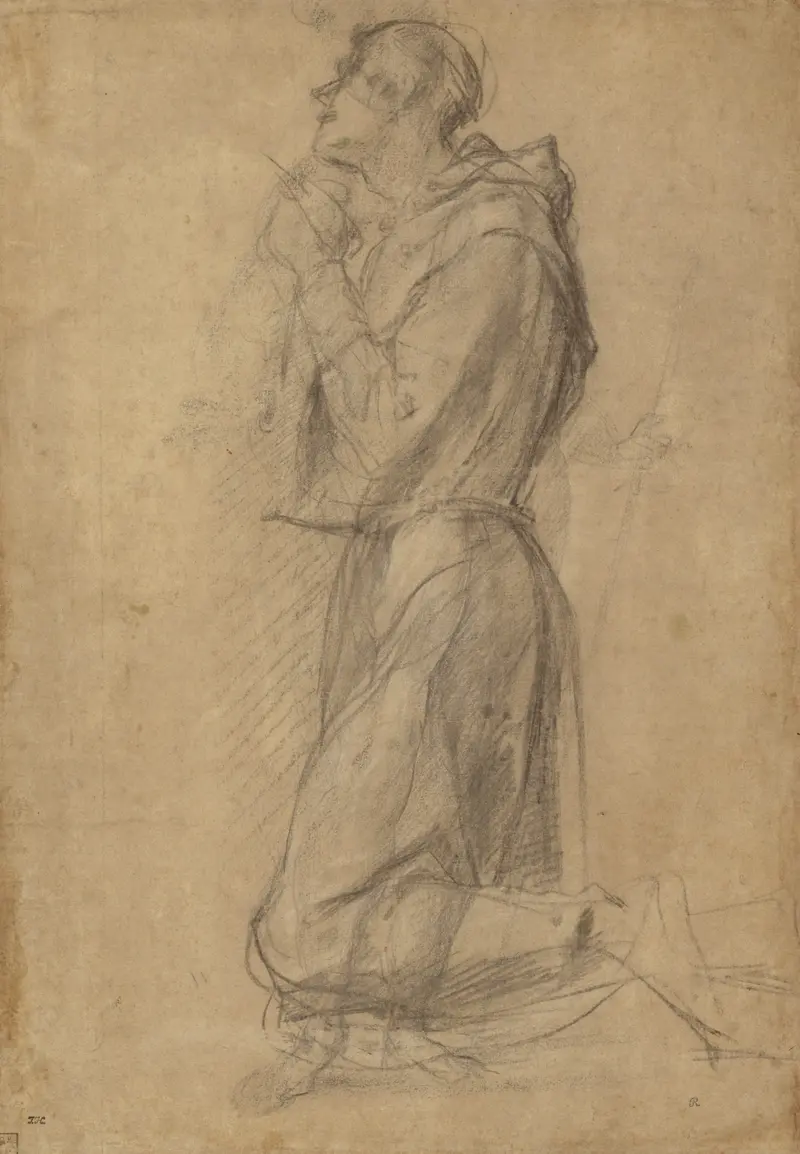
Saint Francis
Pontormo (Jacopo Carucci)
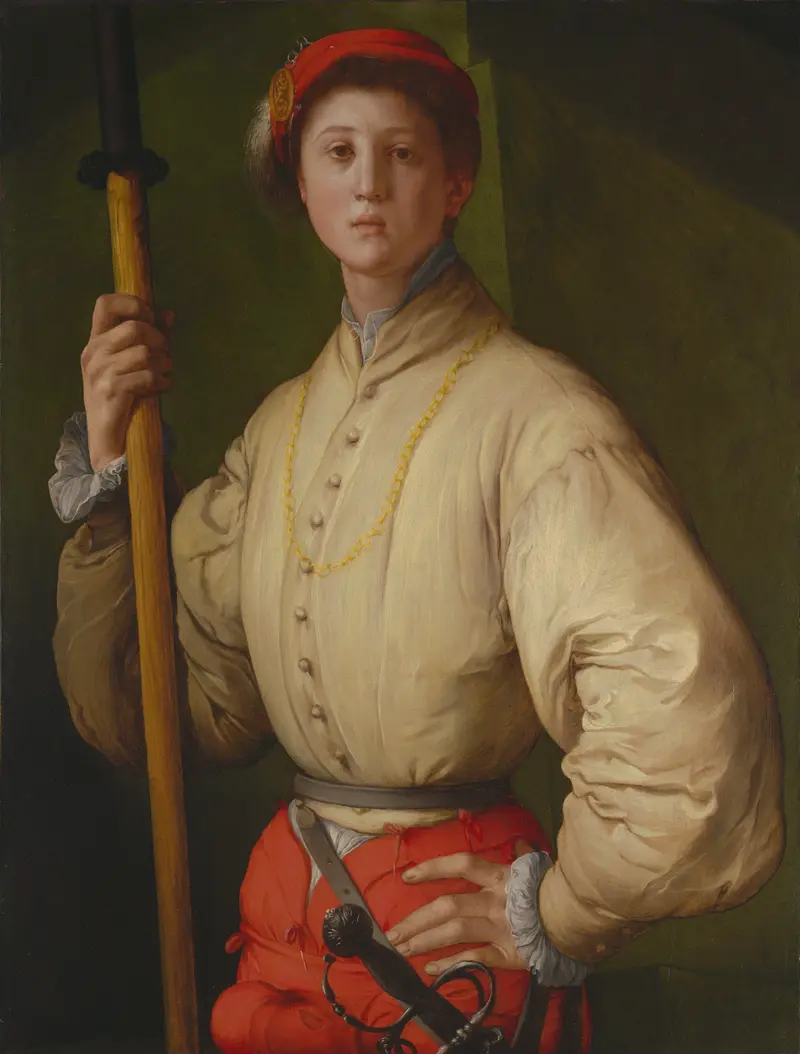
Portrait of a Halberdier
Pontormo (Jacopo Carucci)
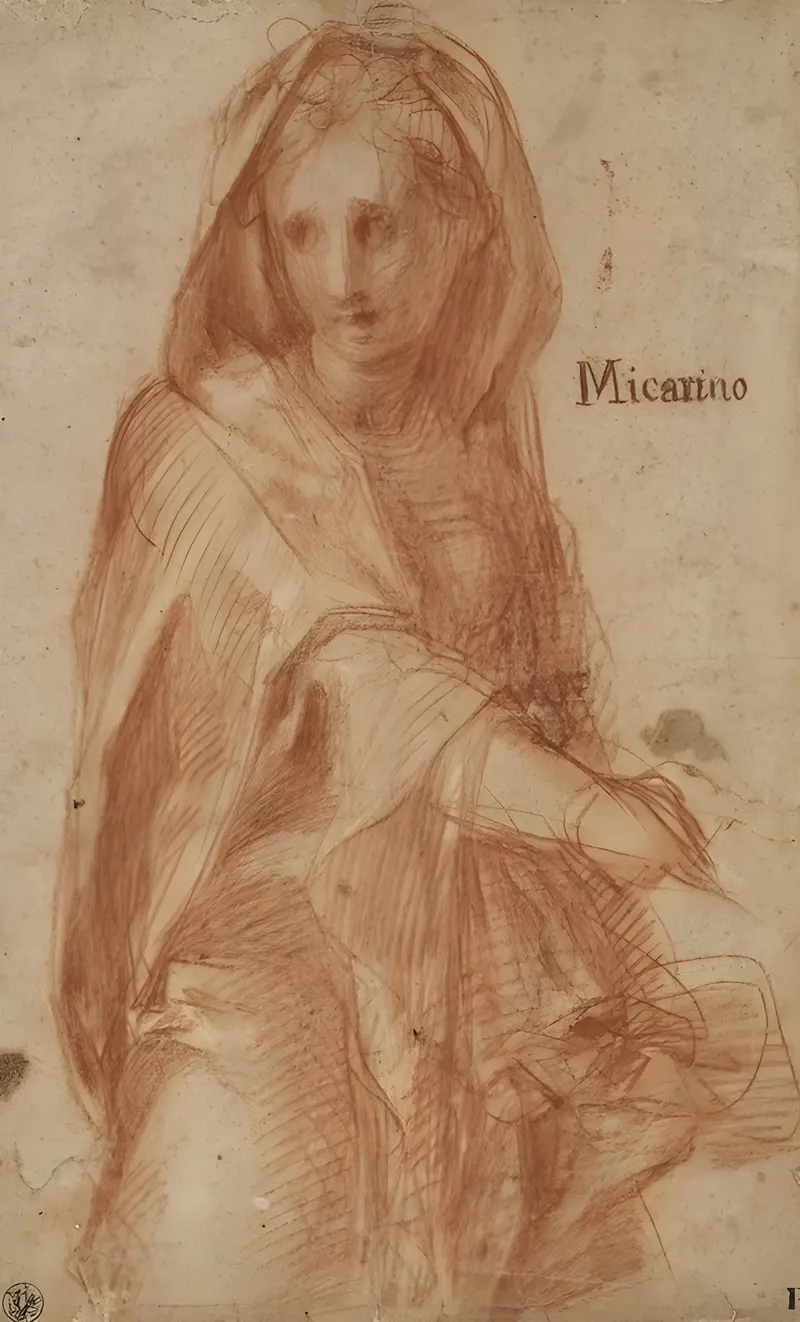
Female figure with covered head (study for a figure in the fresco of the Visitation in Santissima Annunziata)
Pontormo (Jacopo Carucci)
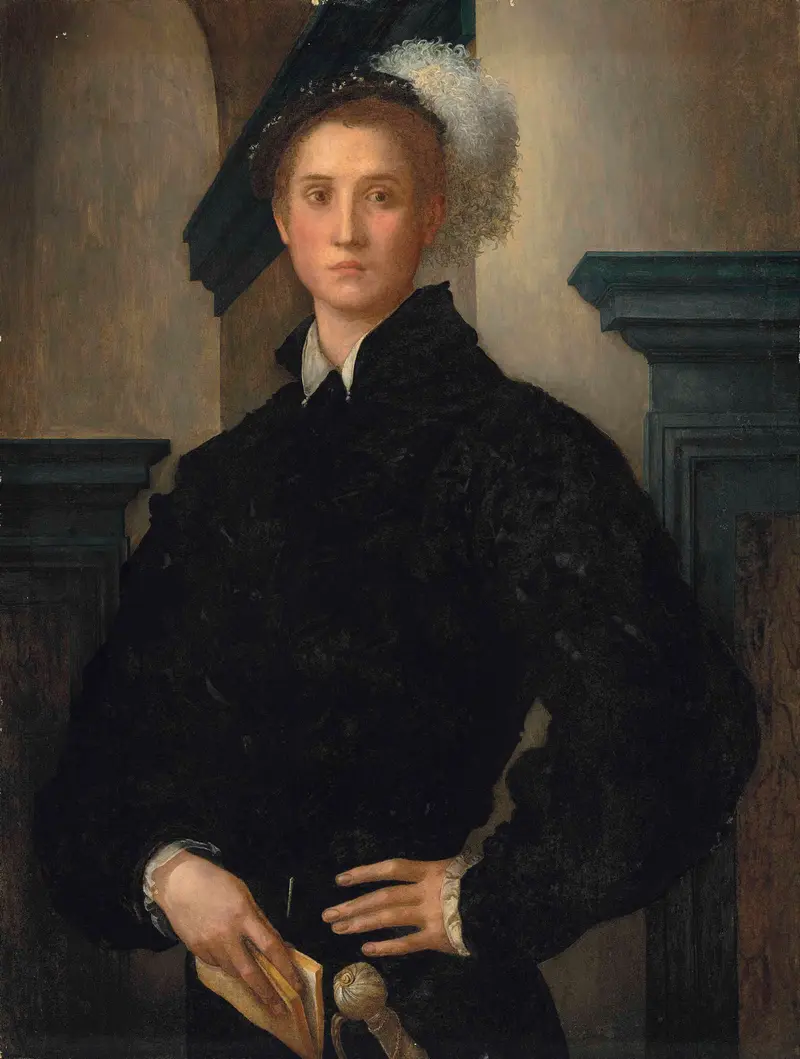
Portrait Of Cosimo I De Medici
Pontormo (Jacopo Carucci)
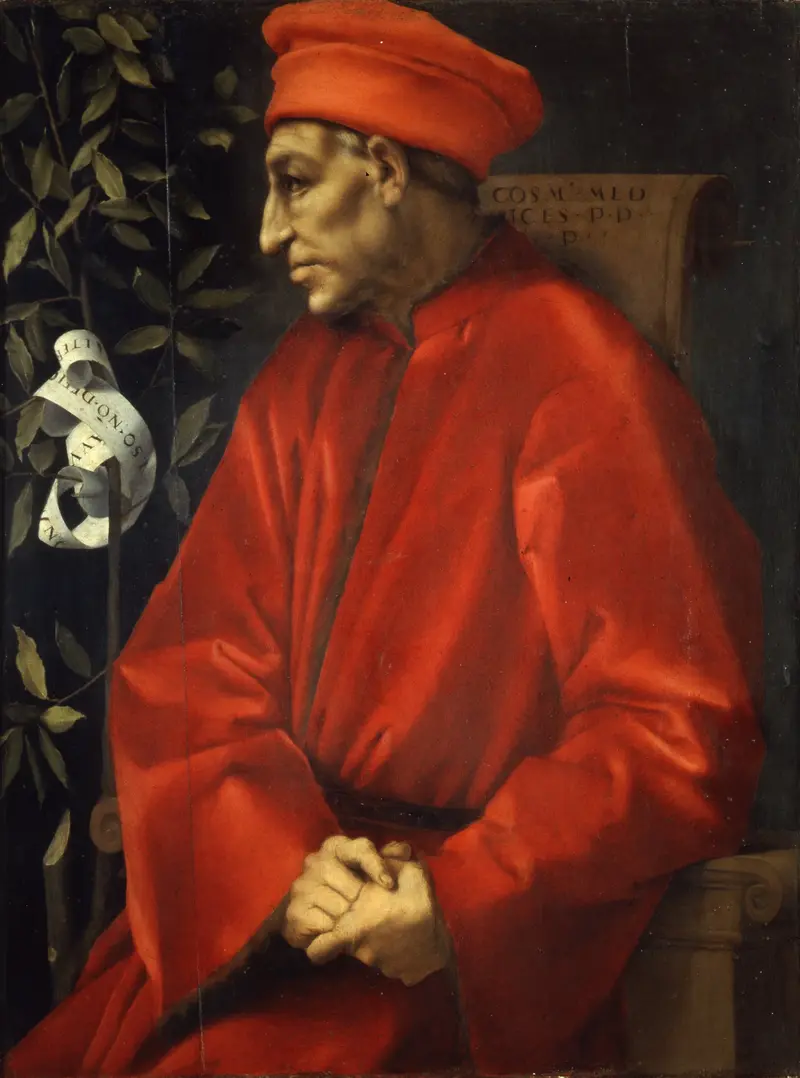
Portrait of Cosimo de’ Medici the Elder
Pontormo (Jacopo Carucci)
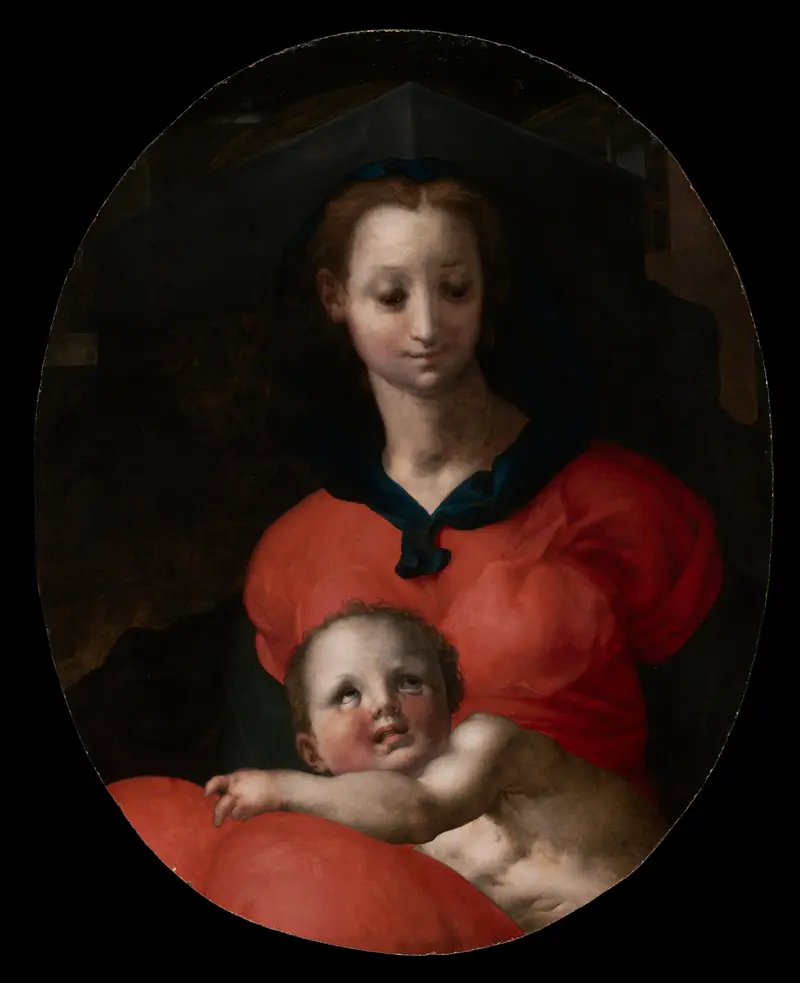
Virgin and Child, known as the Madonna del Libro
Pontormo (Jacopo Carucci)





