
The Deposition from the Cross — History & Facts
The Deposition from the Cross was painted by Pontormo (Jacopo Carucci) between 1525 and 1528 in oil on panel. This work was created during the height of the Florentine Mannerist movement and is recognized as a significant commission in Pontormo's career. It was executed for the Capponi Chapel in the church of Santa Felicita, Florence, reflecting the artist's mature style and his departure from the conventions of the High Renaissance. The composition features the body of Christ being lowered from the cross, surrounded by a tightly grouped assembly of mourners.
The figures are elongated and arranged in a swirling, almost weightless configuration, with no clear indication of the cross itself. The palette is dominated by luminous pinks, blues, greens, and yellows, and the figures’ draperies are rendered in flowing, almost unnatural forms. The emotional expressions and gestures are heightened, with the Virgin Mary depicted in a faint, supported by attendants, and the faces of the mourners marked by grief and tenderness. The Deposition from the Cross was commissioned by Ludovico Capponi for his family chapel and remains in situ at Santa Felicita in Florence.
The painting was highly influential in the development of Mannerism and was noted by contemporaries for its innovative composition and color. Over the centuries, it has been widely studied and admired for its technical mastery and expressive power, and it remains one of the most important works of sixteenth-century Florentine art.
More Artworks by Pontormo (Jacopo Carucci)
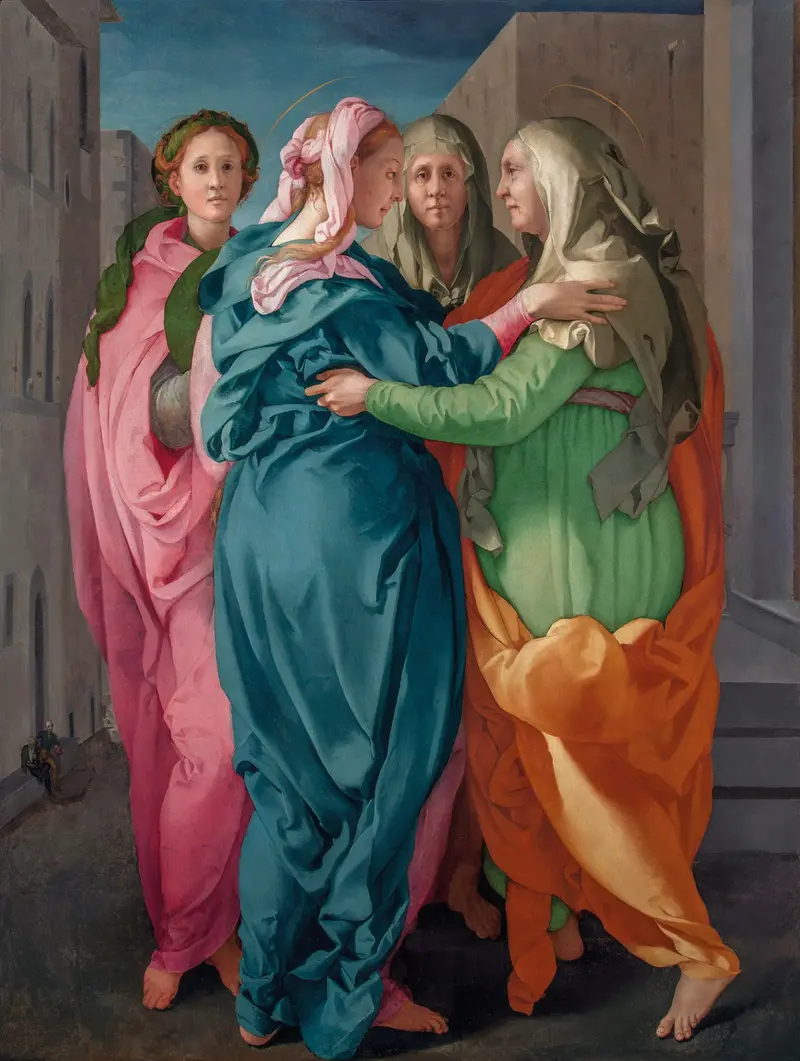
The Visitation (Carmignano)
Pontormo (Jacopo Carucci)
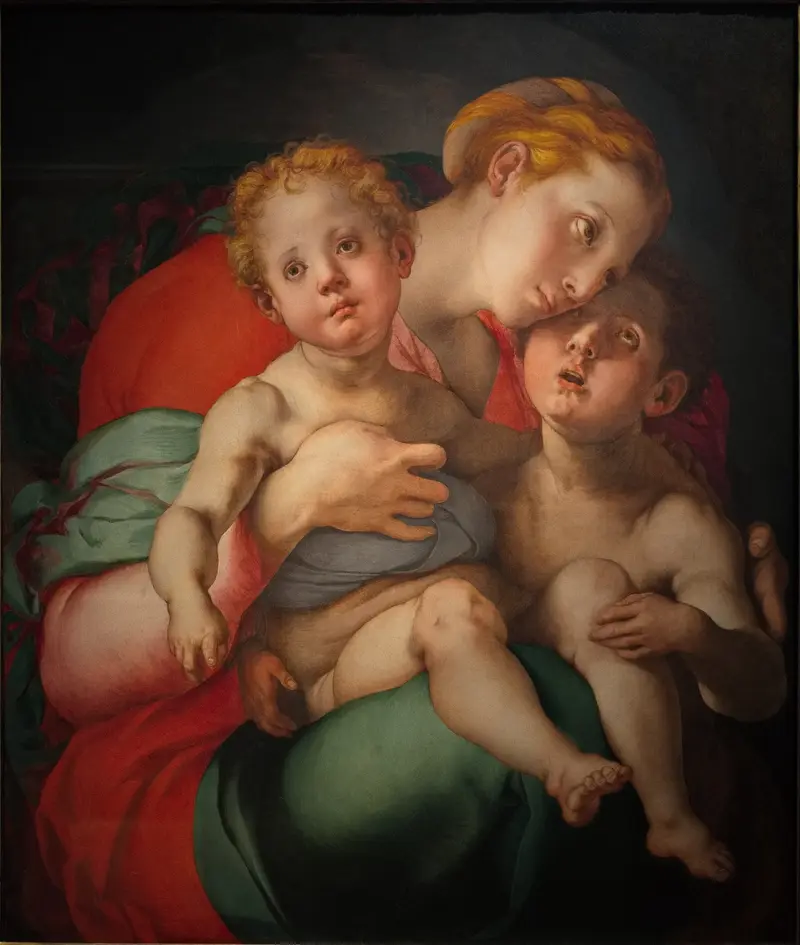
Madonna with Child and the young Saint John
Pontormo (Jacopo Carucci)
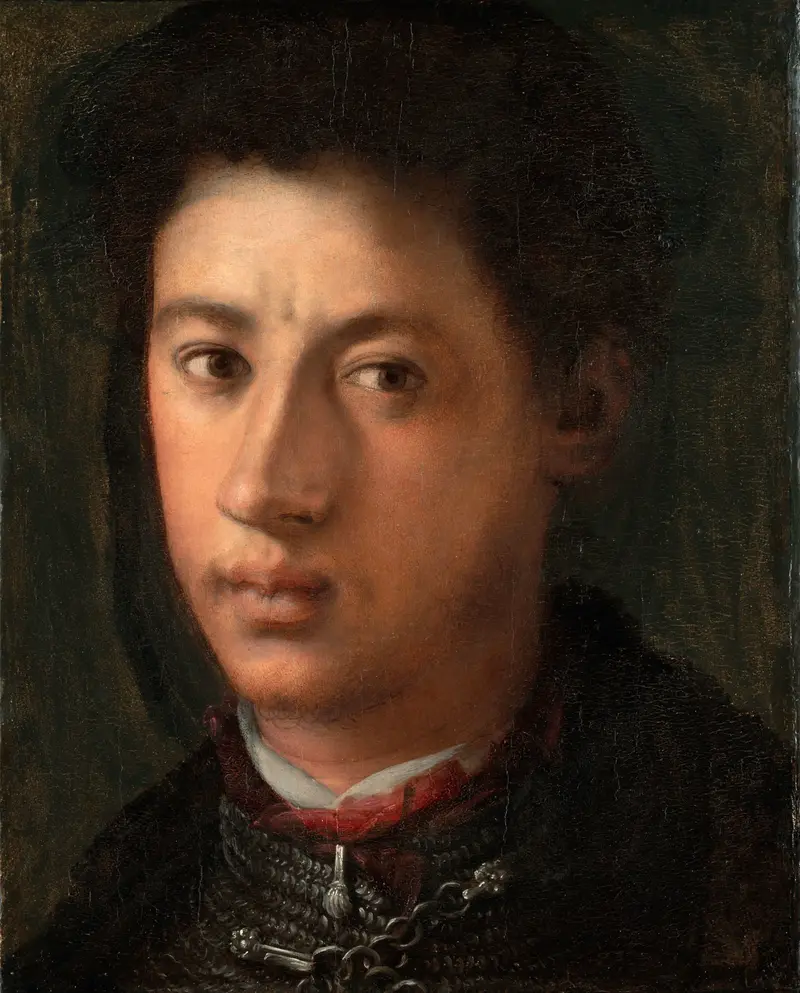
Alessandro de’ Medici
Pontormo (Jacopo Carucci)
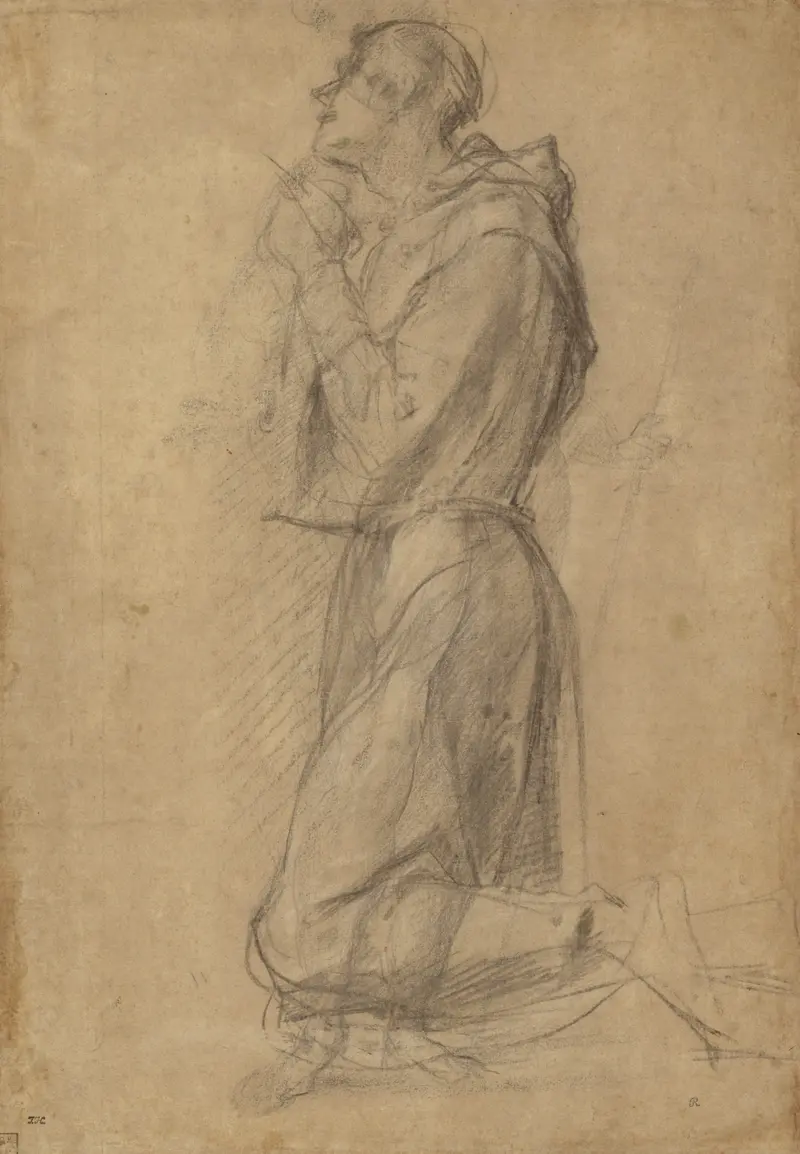
Saint Francis
Pontormo (Jacopo Carucci)
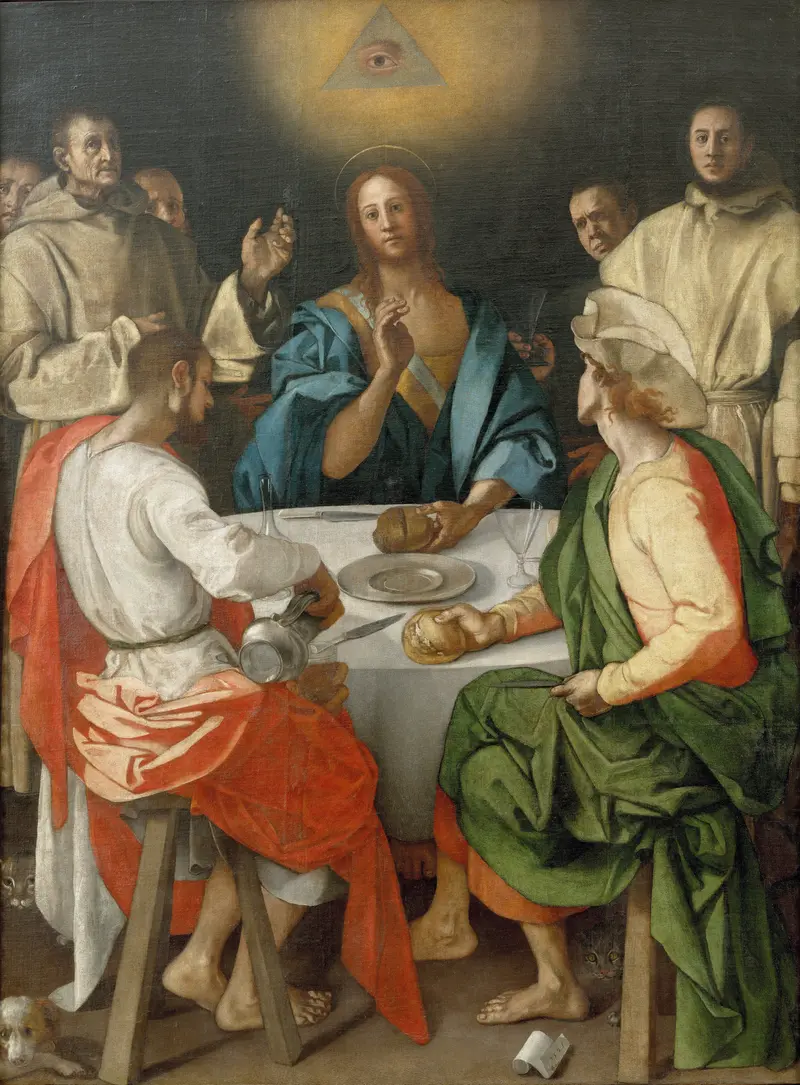
Supper at Emmaus
Pontormo (Jacopo Carucci)
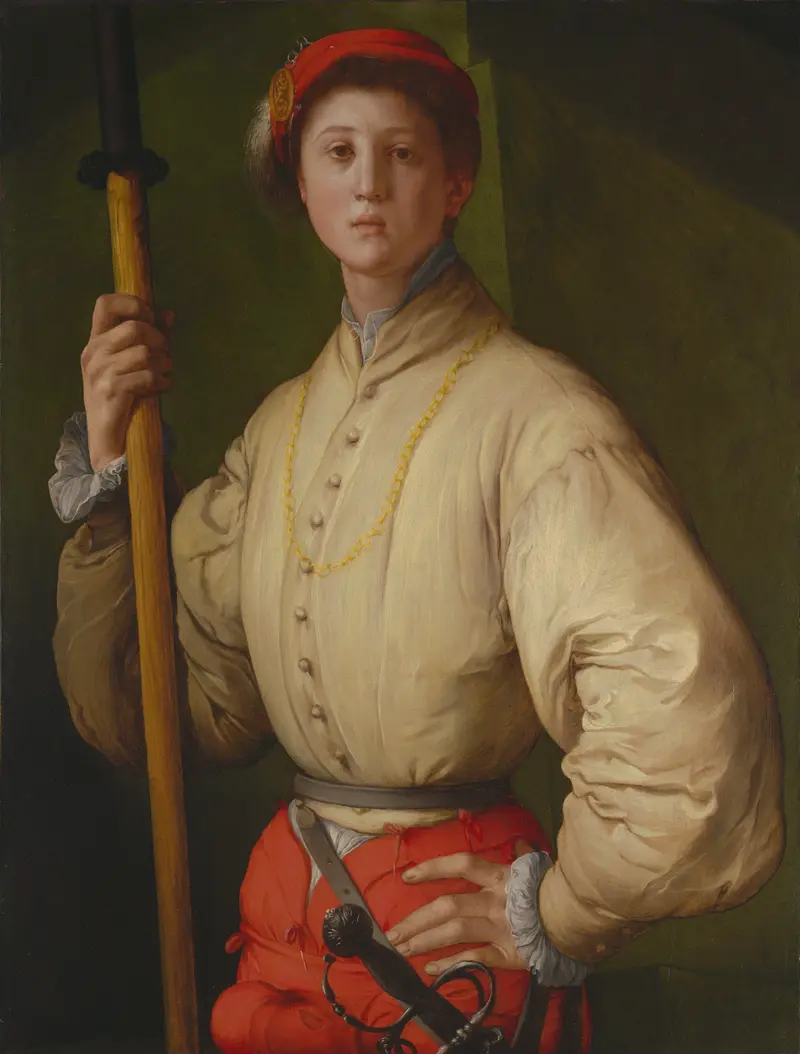
Portrait of a Halberdier
Pontormo (Jacopo Carucci)
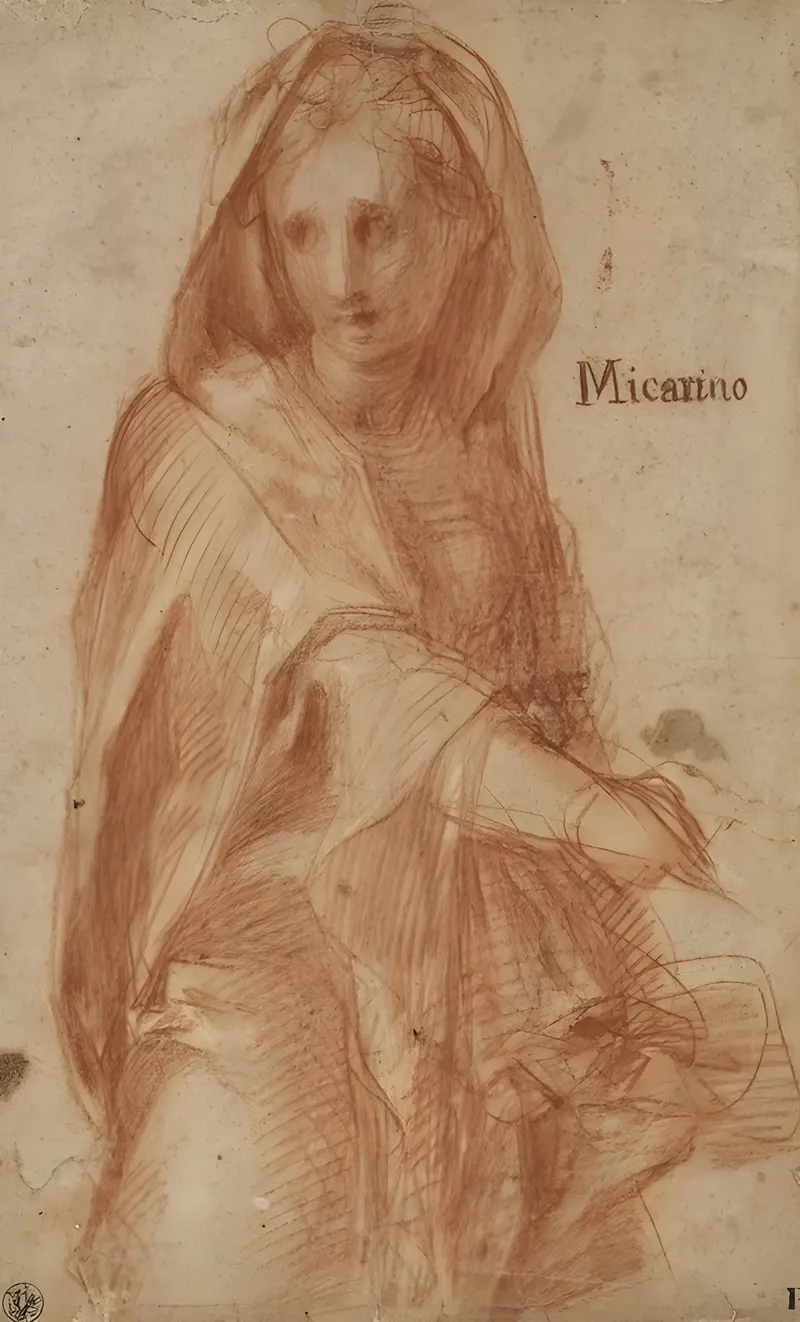
Female figure with covered head (study for a figure in the fresco of the Visitation in Santissima Annunziata)
Pontormo (Jacopo Carucci)
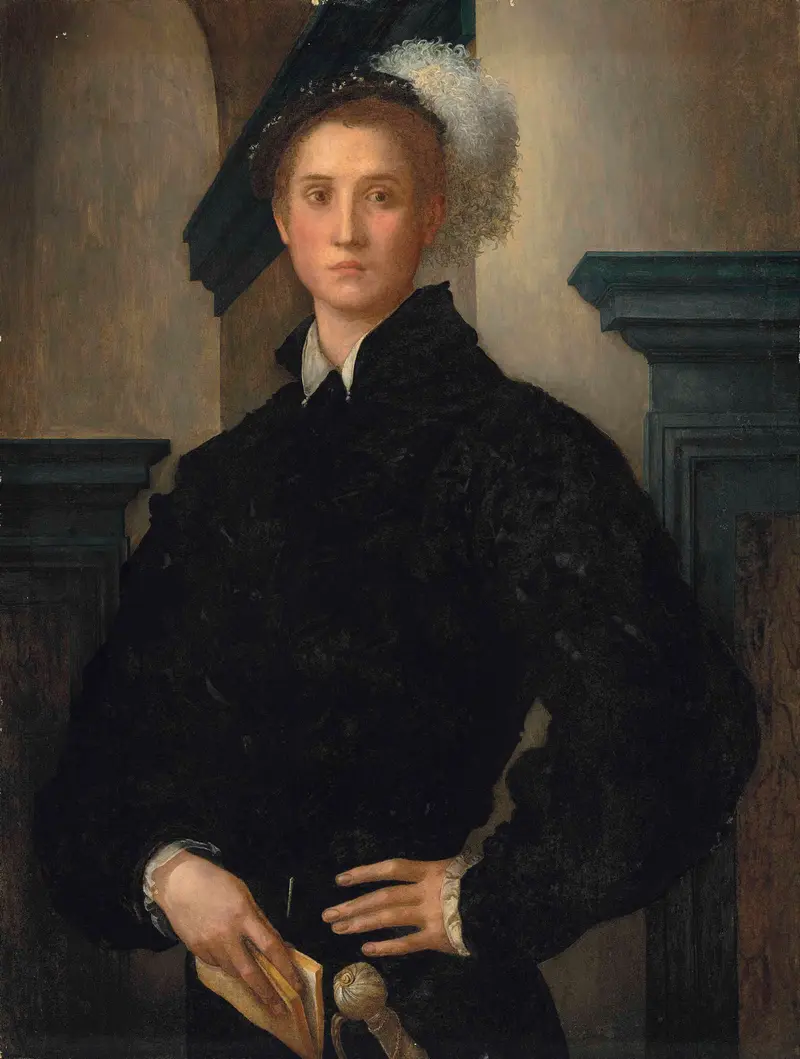
Portrait Of Cosimo I De Medici
Pontormo (Jacopo Carucci)
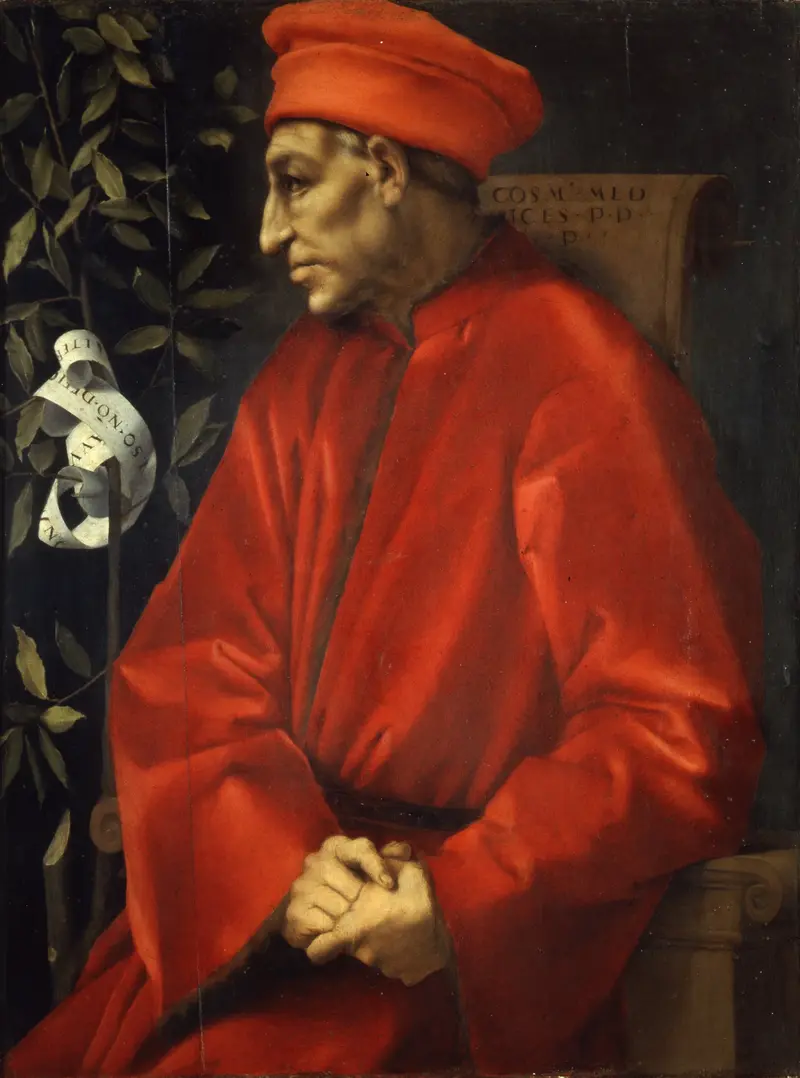
Portrait of Cosimo de’ Medici the Elder
Pontormo (Jacopo Carucci)
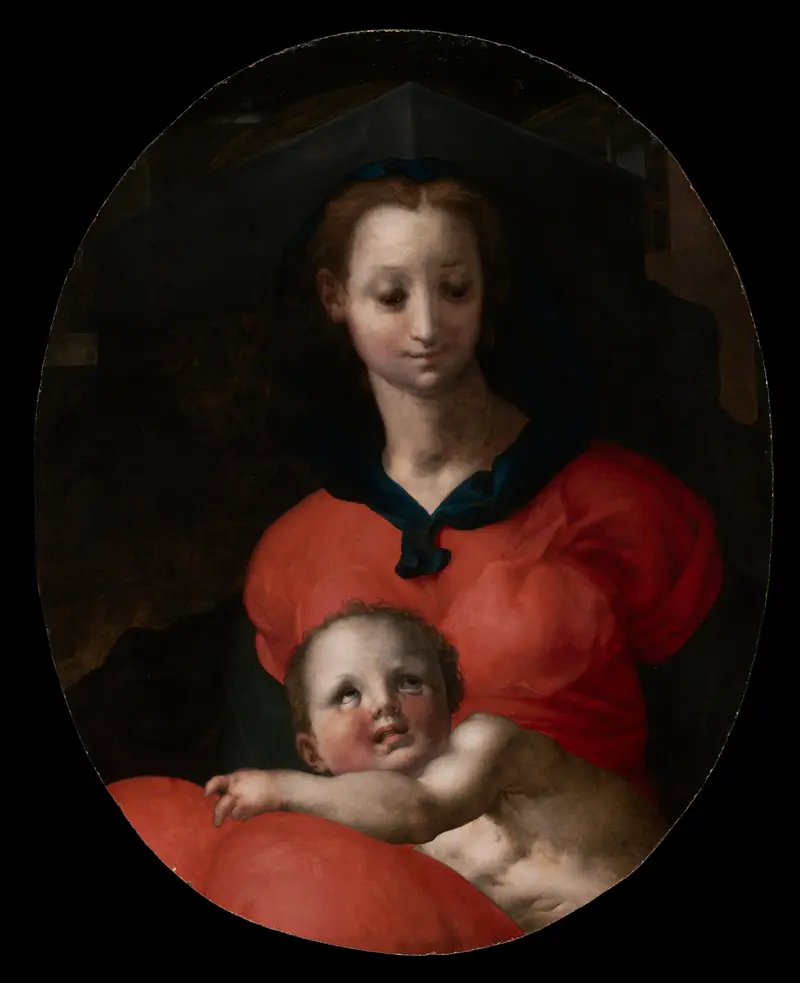
Virgin and Child, known as the Madonna del Libro
Pontormo (Jacopo Carucci)





