
Saint Francis — History & Facts
No one knows for certain when Pontormo painted his Saint Francis, nor for whom, and this air of mystery has long surrounded the work. What is clear is that the painting stands apart from the artist’s more elaborate commissions for Florentine churches and noble patrons, offering instead an intimate vision of the saint that has prompted much debate among scholars. The lack of documentation has led some to wonder whether this was intended for private devotion, or perhaps as a personal meditation by the artist himself.
Unlike many Renaissance depictions of saints, which are crowded with symbols and narrative detail, this Saint Francis is stripped down to essentials, focusing attention on the figure’s inner world. The moment Pontormo chooses to show is one of quiet revelation: Saint Francis, draped in his simple habit, stands alone, his hands crossed over his chest in a gesture of humility and surrender. The saint’s face is gaunt, his eyes uplifted, as if caught in silent prayer or contemplation of the divine. The muted palette and soft modeling of the flesh heighten the sense of spiritual withdrawal; the only adornment is the knotted cord of his belt, a Franciscan symbol of poverty and obedience.
Unlike the dramatic stigmata scenes favored by Caravaggio or the narrative-rich works of Giovanni Bellini, Pontormo’s approach is meditative, inviting the viewer to contemplate the saint’s inner transformation rather than an outward miracle. The journey of this painting through history is as elusive as its origins. With no surviving records of its early ownership or commission, it is often grouped with other devotional images produced by Pontormo during the early 16th century, a period when he was experimenting with more personal and expressive modes of painting. Over time, the work has been attributed to various hands within the Florentine circle, but stylistic analysis has reinforced its connection to Pontormo’s mature style.
Today, Saint Francis is recognized as a rare and moving example of the artist’s ability to fuse psychological depth with the spiritual ideals of the Renaissance, and it continues to invite reflection on both the life of the saint and the inner life of the painter himself.
More Artworks by Pontormo (Jacopo Carucci)
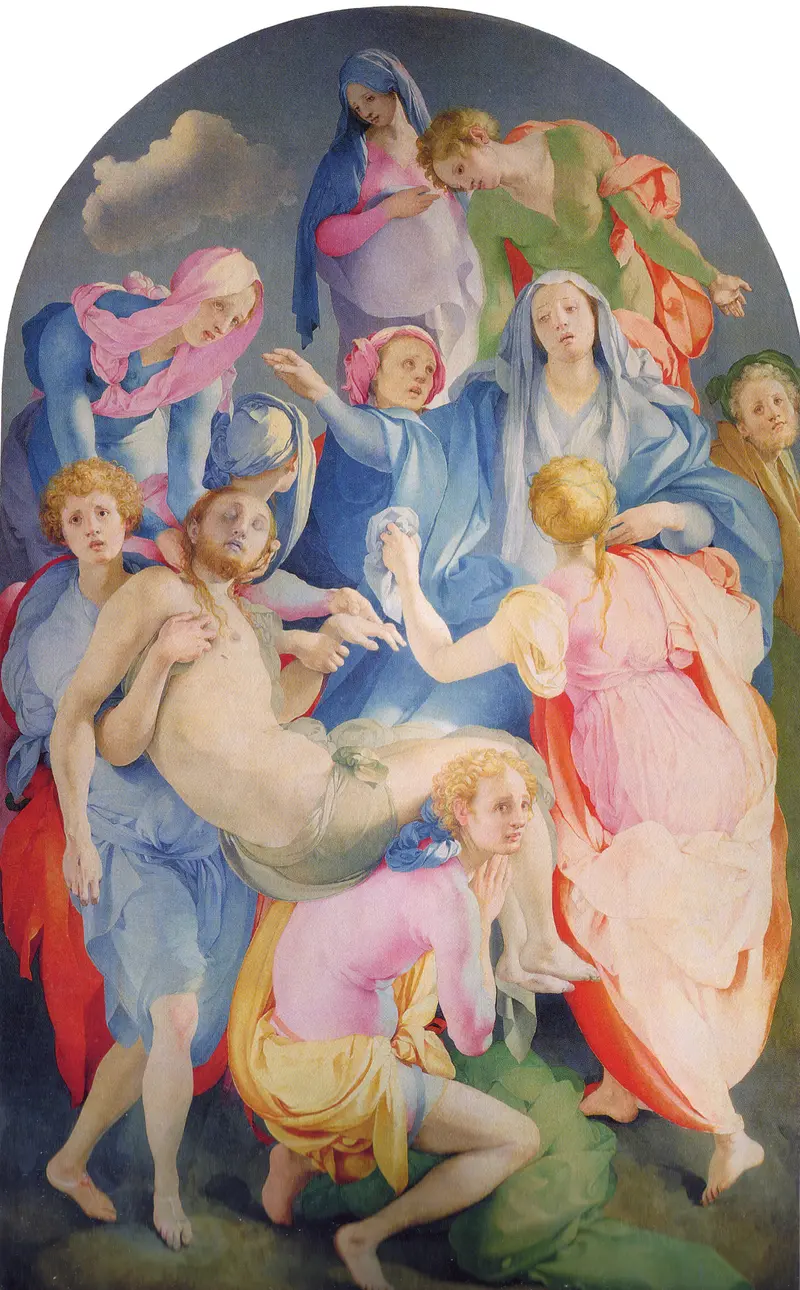
The Deposition from the Cross
Pontormo (Jacopo Carucci)
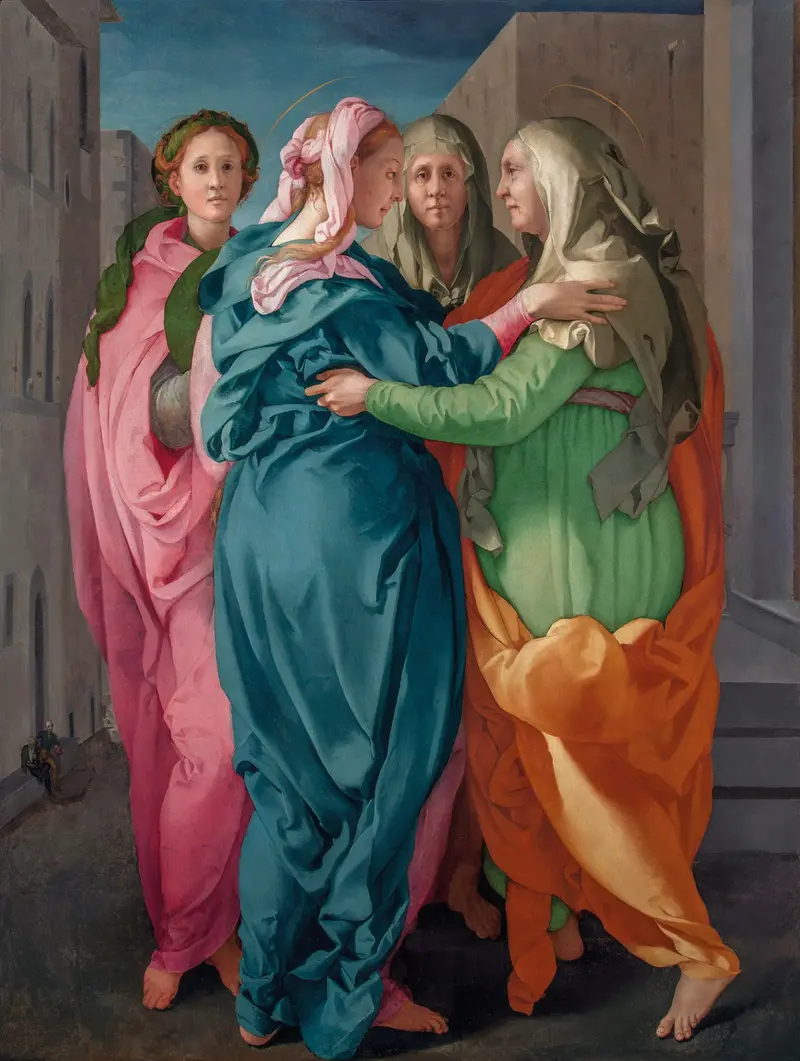
The Visitation (Carmignano)
Pontormo (Jacopo Carucci)
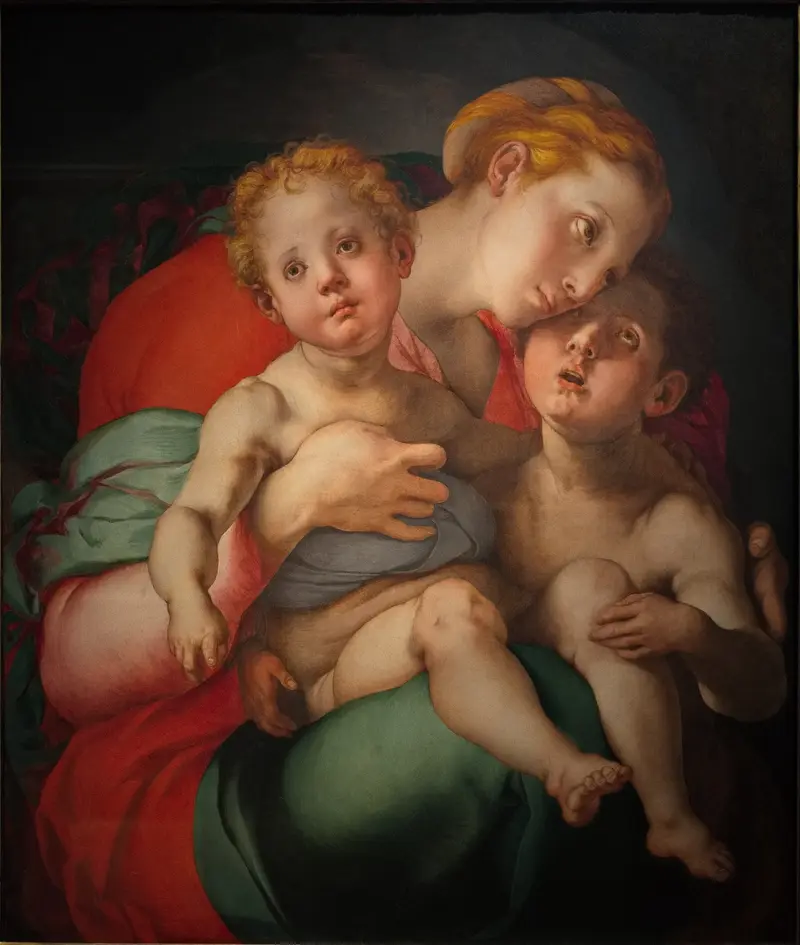
Madonna with Child and the young Saint John
Pontormo (Jacopo Carucci)
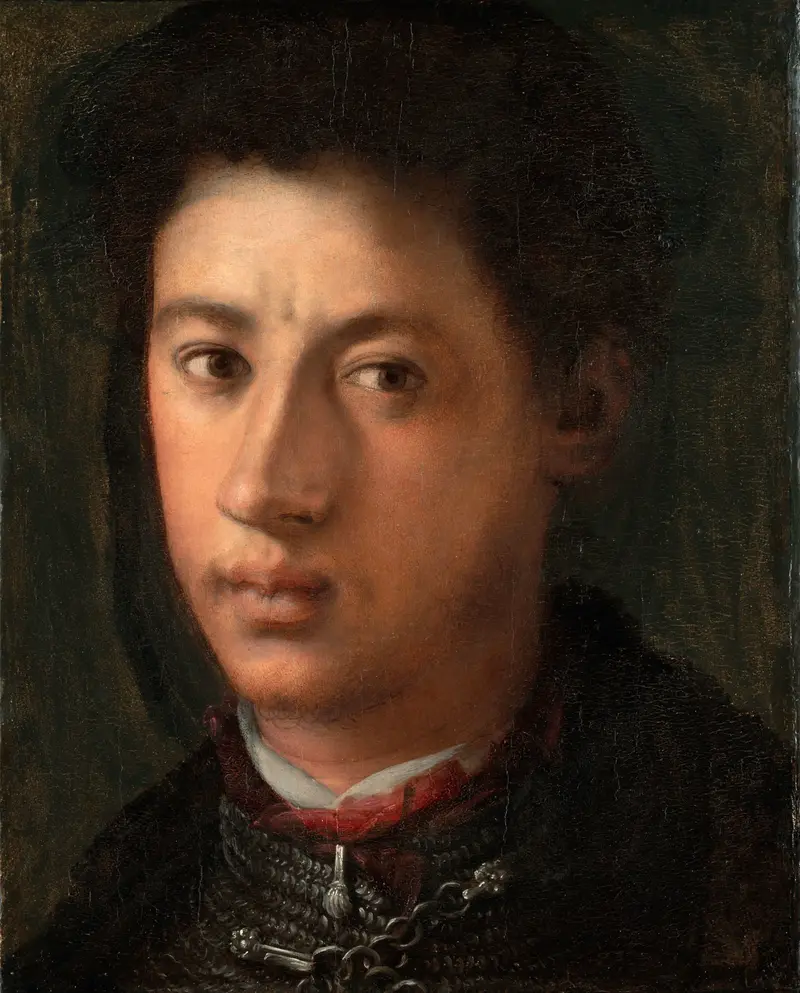
Alessandro de’ Medici
Pontormo (Jacopo Carucci)
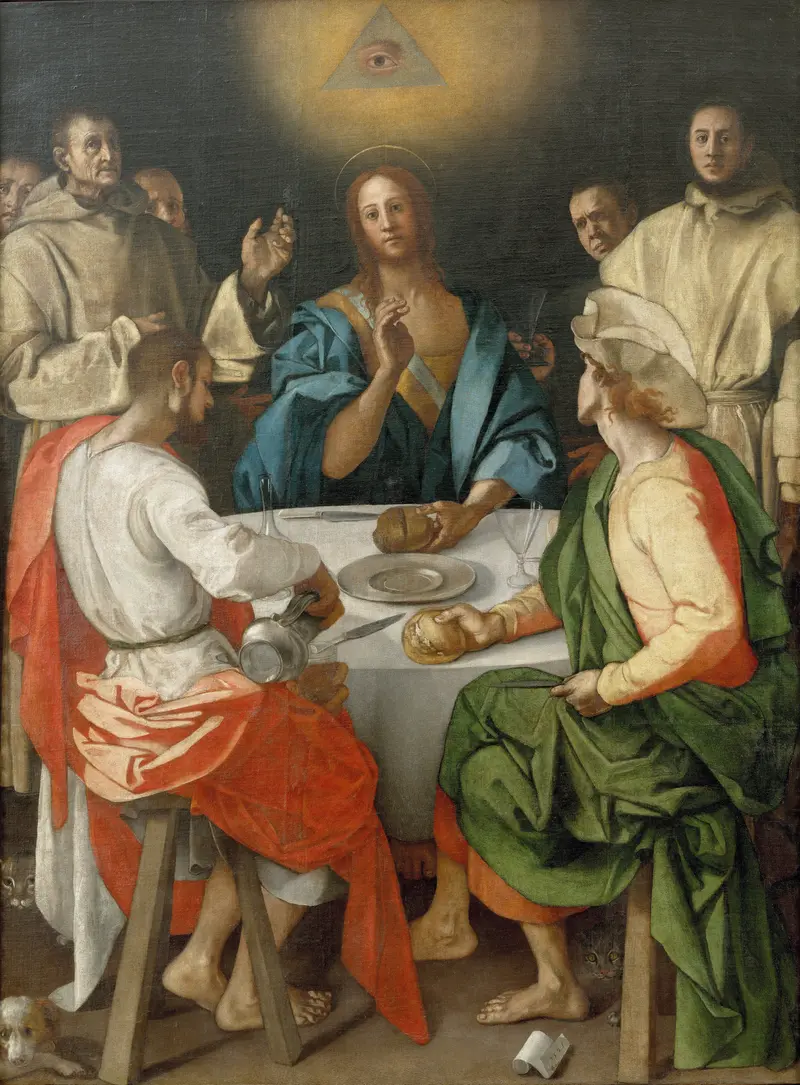
Supper at Emmaus
Pontormo (Jacopo Carucci)
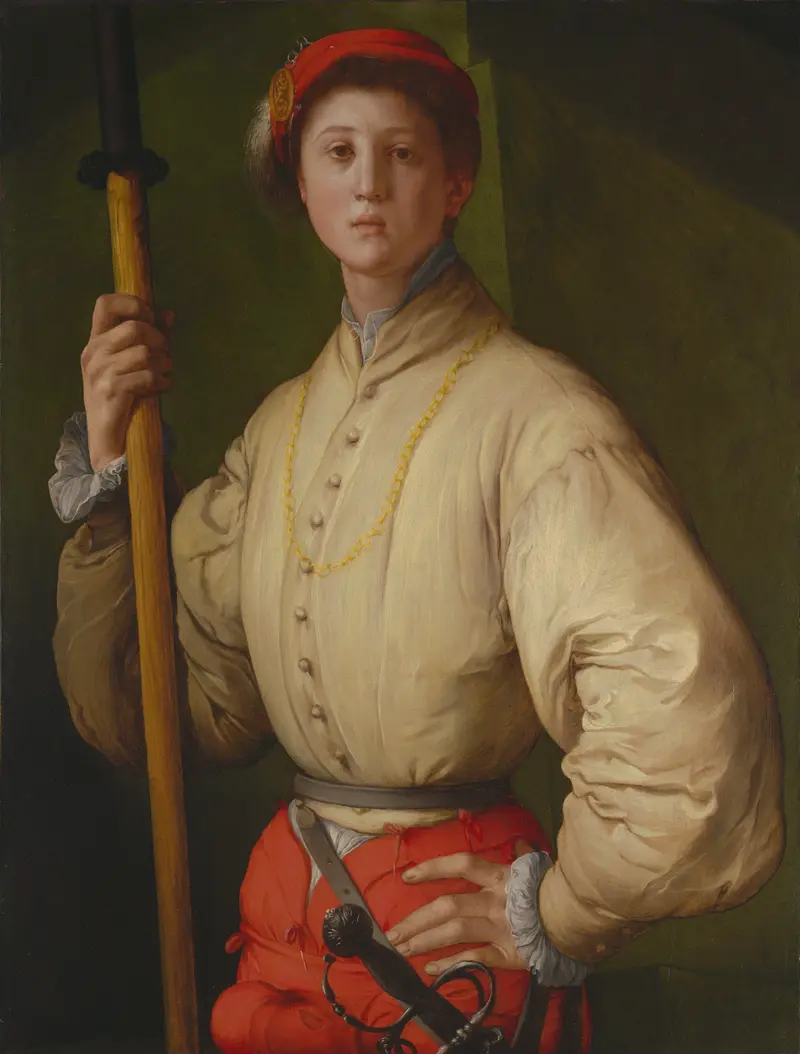
Portrait of a Halberdier
Pontormo (Jacopo Carucci)
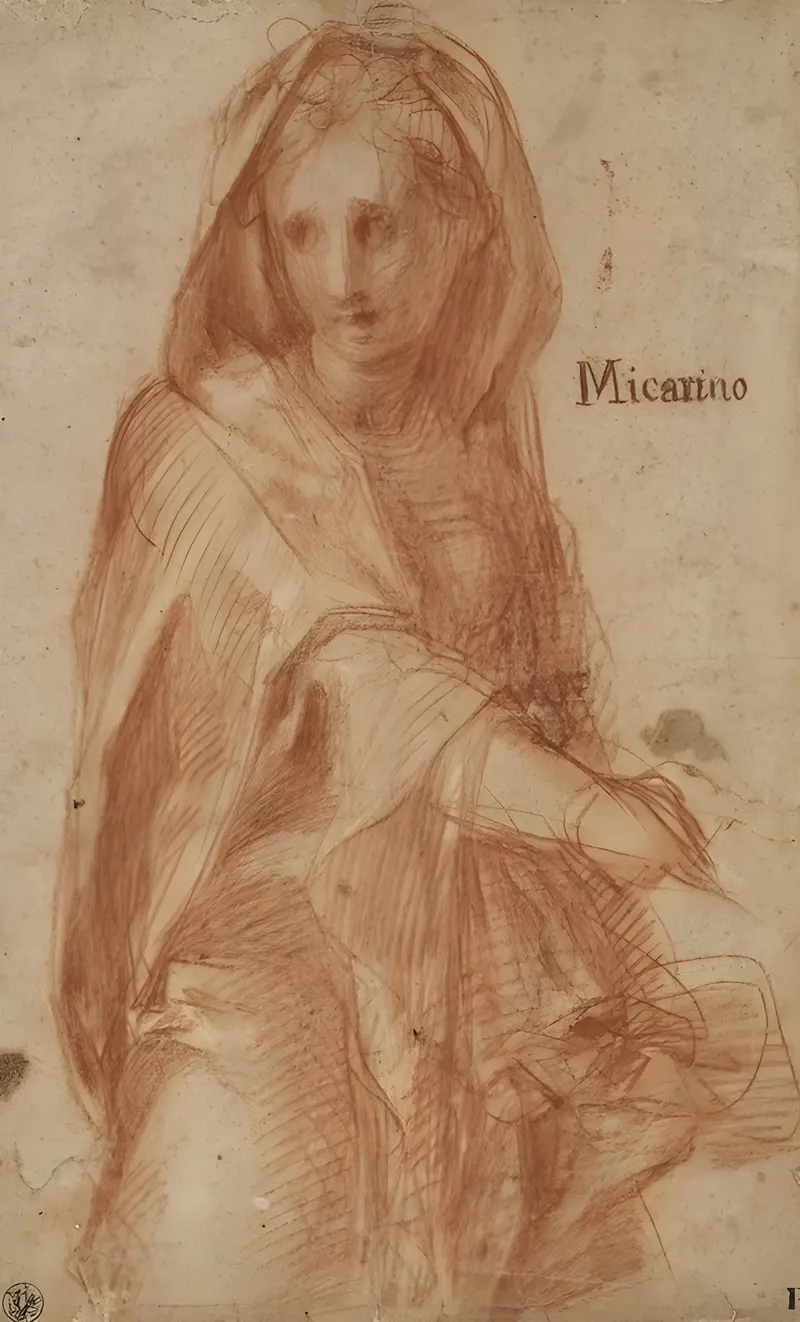
Female figure with covered head (study for a figure in the fresco of the Visitation in Santissima Annunziata)
Pontormo (Jacopo Carucci)
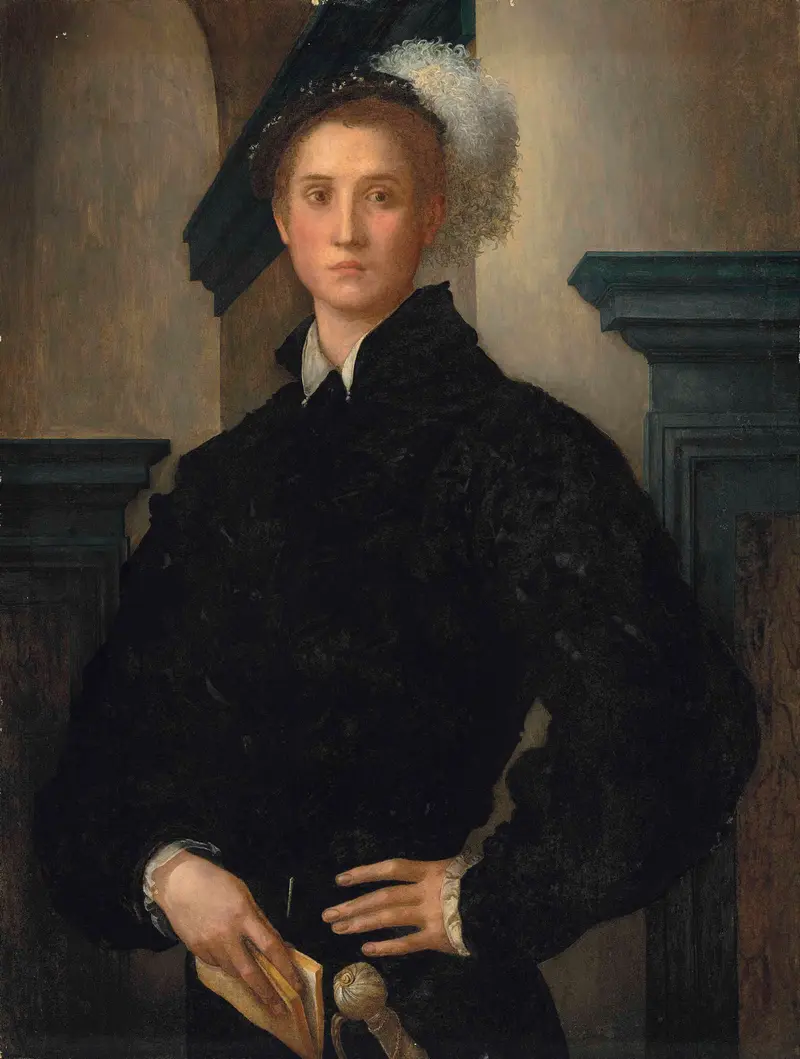
Portrait Of Cosimo I De Medici
Pontormo (Jacopo Carucci)
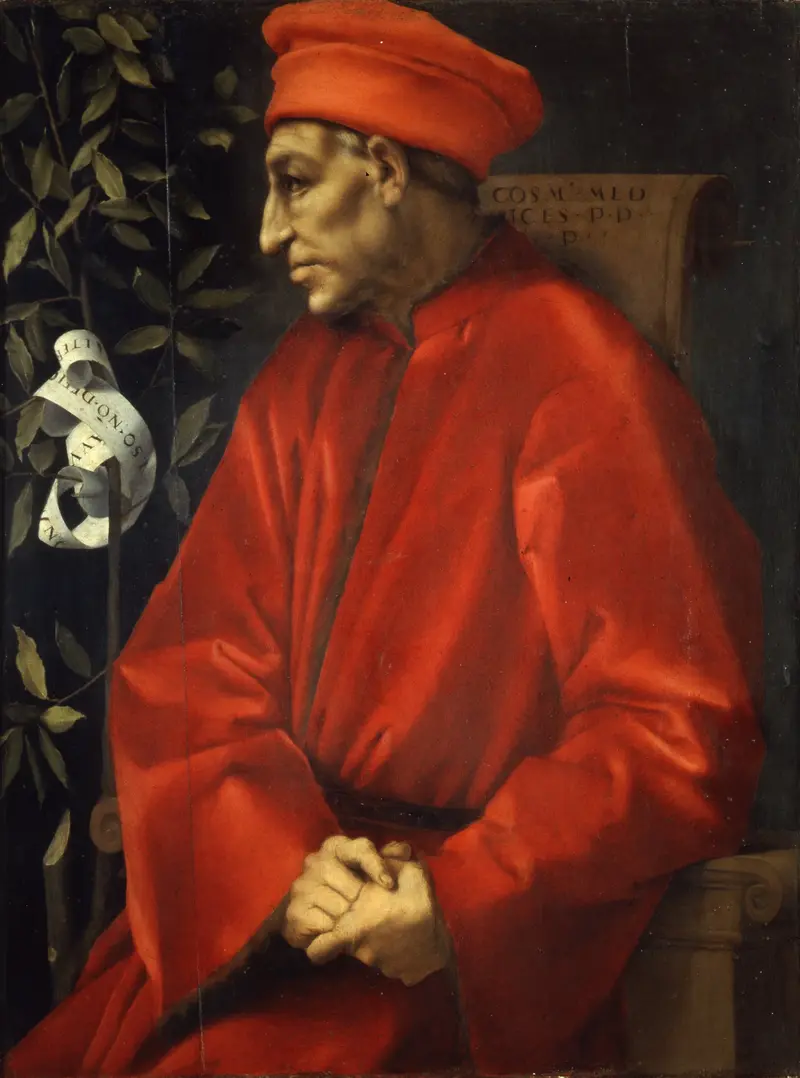
Portrait of Cosimo de’ Medici the Elder
Pontormo (Jacopo Carucci)
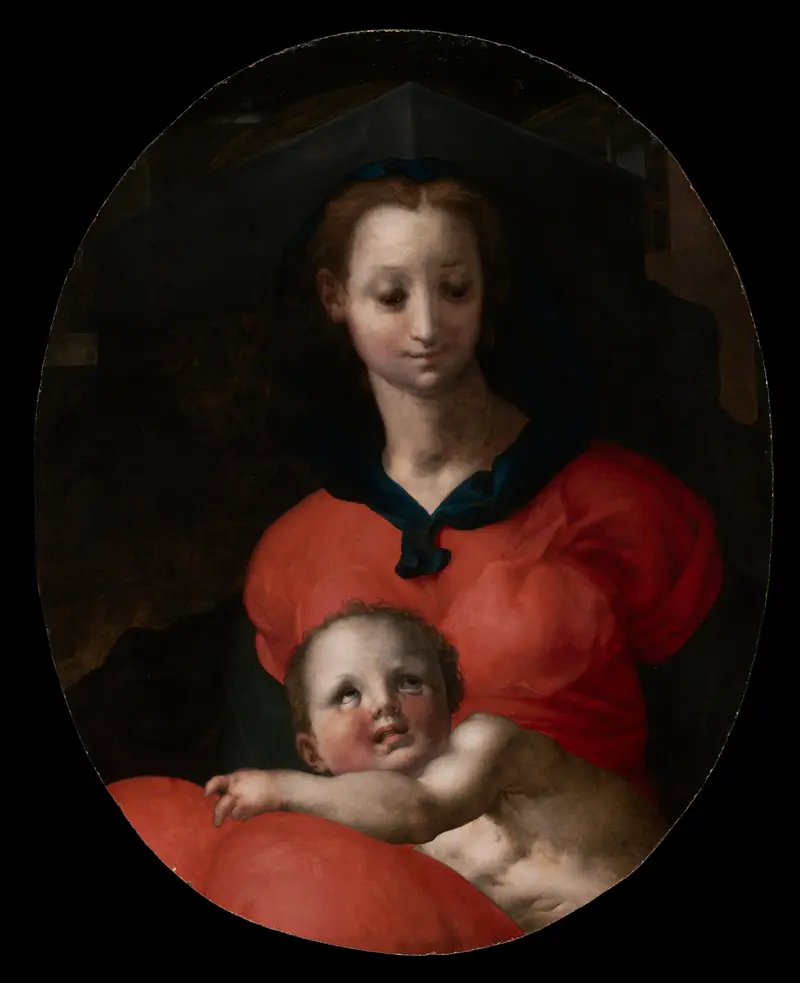
Virgin and Child, known as the Madonna del Libro
Pontormo (Jacopo Carucci)





